










Leontopodium Alpinum Plant Care: Grow Stunning Alpine Treasures
Introduction to Leontopodium Alpinum: The Legendary Edelweiss
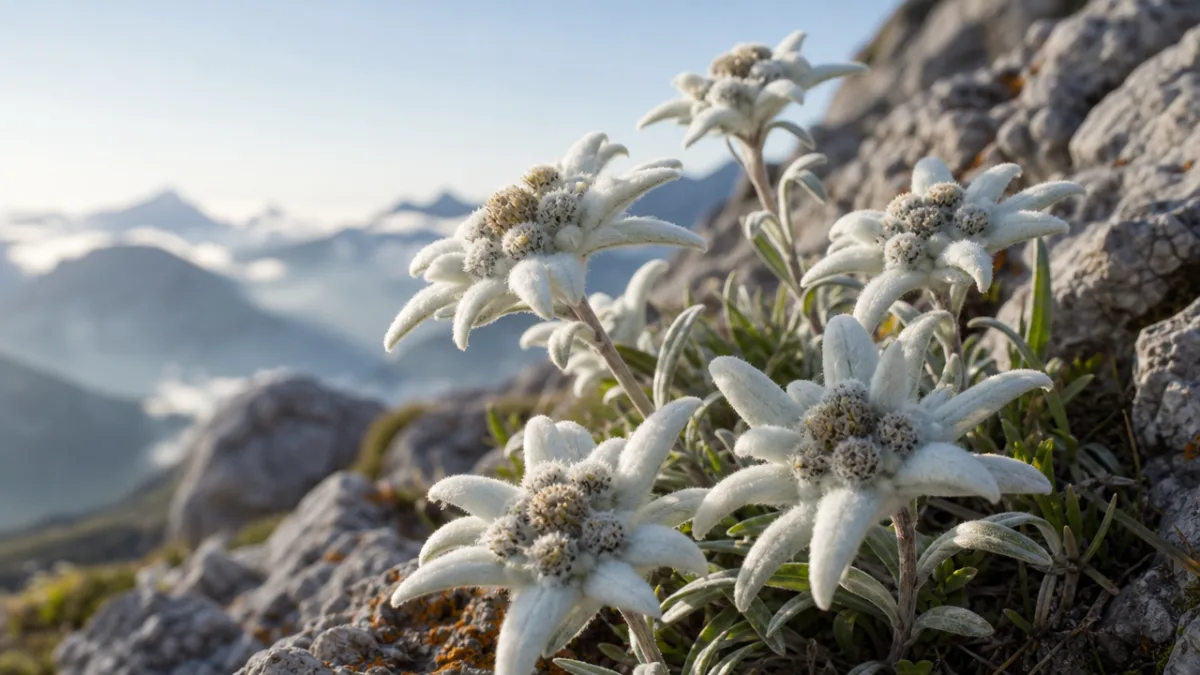
Few plants in the botanical world carry as much romantic and cultural weight as Leontopodium alpinum, the beloved edelweiss. Native to the rocky limestone cliffs and alpine meadows of the European Alps, Carpathians, and Pyrenees, this small but extraordinary perennial has captured human imagination for centuries. Its distinctive star-shaped flower heads, cloaked in dense white woolly hairs, seem almost too perfect to be real — like something sculpted from felt rather than grown from soil. To see one thriving in a garden is to bring a piece of mountain legend home.
The name edelweiss comes from the German words edel (noble) and weiß (white), and the plant has long been a symbol of purity, courage, and devotion in Alpine culture. Historically, young men would risk dangerous climbs to collect edelweiss blooms as tokens of love for their sweethearts, cementing the flower’s association with bravery and romantic sacrifice. Today, it appears on Swiss currency, Austrian military insignia, and has been immortalized in song. Yet despite this legendary status, edelweiss is a surprisingly approachable plant for home gardeners willing to understand and respect its specific needs.
Botanically speaking, Leontopodium alpinum belongs to the Asteraceae family, the same broad family that includes sunflowers and daisies. What appear to be white petals are actually woolly bracts surrounding a cluster of tiny yellow flowers at the center. This unique structure, combined with the plant’s compact rosette of silver-green leaves, makes it one of the most visually distinctive alpine plants available to gardeners. Whether grown in a rock garden, a trough planter, or a container, edelweiss rewards attentive care with one of nature’s most charming and unusual displays.
Understanding the Natural Habitat and Growth Conditions
To grow edelweiss successfully, you must first understand where it comes from and how it has adapted to survive. In the wild, Leontopodium alpinum grows at elevations ranging from roughly 1,500 to 3,400 meters above sea level. At these heights, the plant endures intense ultraviolet radiation, dramatic temperature swings between day and night, prolonged snow cover in winter, and soil that is thin, rocky, and exceptionally well-drained. Its woolly coating is not merely decorative — it serves as a practical adaptation that reflects UV light and insulates the plant against cold and desiccation.
The soils where edelweiss thrives naturally are predominantly alkaline, derived from limestone parent rock. They are gritty and porous, draining rapidly after rain or snowmelt, and they contain relatively low levels of organic matter or nutrients. This is a crucial point for gardeners: edelweiss is not a plant that benefits from rich, fertile soil. Planting it in standard garden loam or amended beds high in compost often leads to lush, overly soft growth that is prone to rot and disease. Replicating the lean, fast-draining conditions of alpine scree is the single most important factor in cultivating this plant successfully.
Sunlight is equally critical. In its native range, edelweiss receives full sun for much of the growing season, with very little shade from taller vegetation. In garden settings, the plant performs best with a minimum of six hours of direct sunlight per day. In hotter climates, some light afternoon shade can help prevent heat stress, but deep shade will cause the plant to stretch, lose its compact form, and produce weak, sparsely woolly foliage. Orienting your planting toward a south or southwest-facing slope — which also aids drainage — is an excellent way to maximize sunlight exposure and replicate alpine conditions.
Soil Preparation and Planting Techniques
Preparing the right growing medium is arguably the most important step in cultivating Leontopodium alpinum. The goal is a mix that drains almost instantly, provides moderate alkalinity, and offers just enough structure to anchor the roots without holding excess moisture. A reliable starting formula combines equal parts horticultural grit or coarse perlite, crushed limestone or fine gravel, and a lean topsoil or low-nutrient alpine compost. Avoid peat-based mixes, which tend to hold too much water and are naturally acidic — both conditions detrimental to edelweiss health.
Raised beds, rock gardens, and container plantings are among the most effective ways to ensure proper drainage from the outset. If planting directly in the ground, consider building up a raised mound of amended soil at least 20 to 30 centimeters above the surrounding grade. When selecting a planting site, avoid low-lying areas where water pools after rain, as even brief waterlogging can cause crown rot in edelweiss. Planting on a slope or against a dry-stone wall not only improves drainage but also creates the kind of austere, rocky aesthetic that suits this alpine plant beautifully.
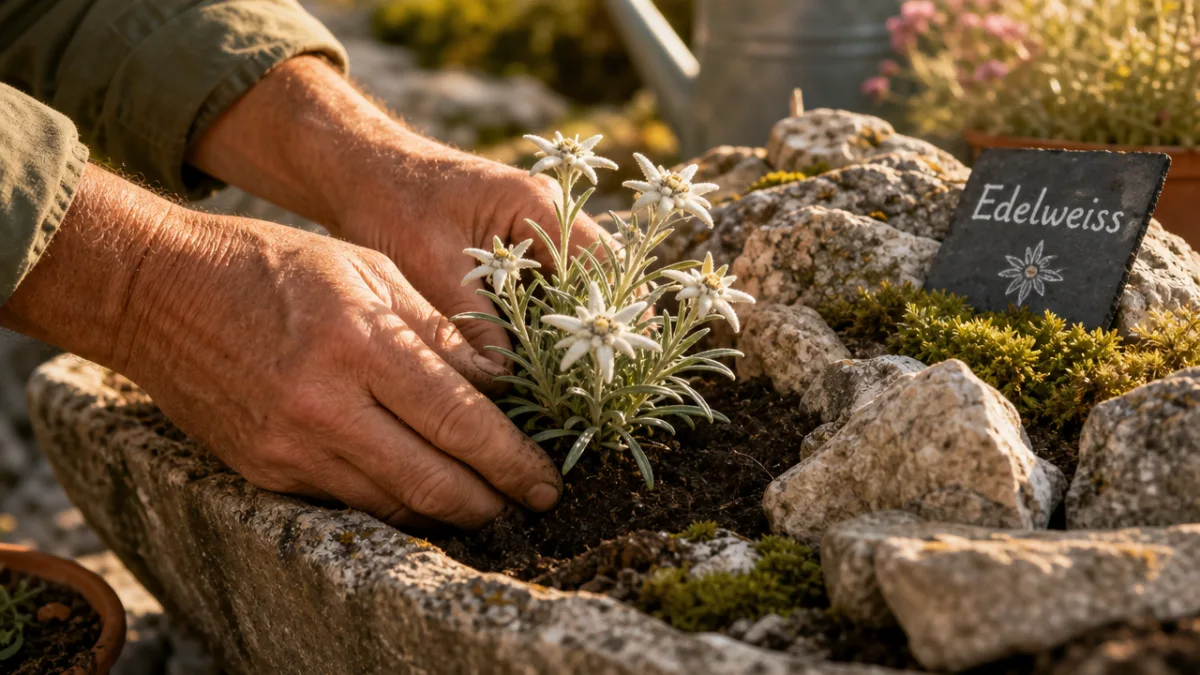
When it comes to the act of planting, timing matters. Spring planting, once the risk of hard frost has passed, gives the young plant a full growing season to establish its root system before facing winter. Set the plant at the same depth it occupied in its nursery container, taking care not to bury the crown, which is particularly susceptible to rot when pressed against damp soil. After planting, top-dress the surrounding area with a layer of grit or small pebbles. This mulch layer improves drainage around the crown, deters slugs and snails, and replicates the stony ground cover of the plant’s natural habitat.
Watering, Feeding, and Ongoing Maintenance
One of the most common mistakes gardeners make with edelweiss is overwatering. This plant is deeply adapted to periods of drought interspersed with rapid moisture events — exactly the pattern of alpine snowmelt and brief summer storms. In garden cultivation, a policy of “water deeply, then wait” is far more appropriate than regular light watering. Allow the soil to dry out partially between waterings, checking that the top few centimeters of the growing medium are dry before irrigating again. During winter dormancy, watering should be reduced dramatically or eliminated entirely, particularly in containers or climates without natural rainfall regulation.
Fertilizing edelweiss requires a restrained hand. Because the plant has evolved in nutrient-poor soils, excessive feeding encourages the kind of lush, soft growth that weakens the plant’s structure and reduces its characteristic woolly density. If you choose to feed at all, apply a diluted, low-nitrogen, balanced fertilizer no more than once in early spring to support the growing season. High-nitrogen fertilizers, in particular, should be avoided entirely, as they push leafy growth at the expense of the compact, silvery form that makes edelweiss so appealing and also reduce its cold hardiness heading into autumn.
Routine maintenance for Leontopodium alpinum is mercifully light. After flowering, which typically occurs from June through August depending on climate, you can deadhead spent flower heads to keep the plant tidy, though this is largely aesthetic rather than strictly necessary. In late autumn, cut back any dead or damaged foliage to the rosette base to prevent disease and improve airflow. Dividing established clumps every three to four years helps rejuvenate older plants that may begin to lose vigor at the center. Divisions can be replanted immediately or potted up to share with fellow enthusiasts of this remarkable alpine treasure.
- Watering frequency: Allow soil to dry partially between waterings; reduce significantly in winter.
- Fertilizing: Apply diluted, low-nitrogen fertilizer once in early spring at most.
- Deadheading: Remove spent blooms after the June–August flowering period for a tidier appearance.
- Division: Divide clumps every three to four years to maintain vigor and encourage healthy new growth.
- Autumn cleanup: Trim dead foliage to the rosette base to improve air circulation and prevent rot.
Propagation Methods: Growing Edelweiss from Seed and Division
Growing Leontopodium alpinum from seed is one of the most rewarding ways to build a collection of this iconic plant, and it is more achievable than many gardeners assume. Fresh seed has the best germination rates, though commercially available seed is widely accessible and performs well with the right preparation. Because edelweiss seed requires cold stratification to break dormancy — mimicking the freezing temperatures it would experience buried under mountain snow — sowing in late autumn or subjecting seeds to artificial cold treatment in a refrigerator for four to six weeks before spring sowing is highly recommended.
When sowing, use a lean, gritty seed compost and press the fine seeds onto the surface without covering them, as they require light to germinate effectively. Mist gently rather than watering from above to avoid displacing the seeds. Place the tray in a cold frame, unheated greenhouse, or sheltered outdoor spot, and expect germination to begin within two to four weeks once temperatures rise in spring. Seedlings are small and slow-growing initially, so patience is essential. Prick them out carefully when they are large enough to handle, and pot them into individual containers of gritty compost before growing them on for a full season before transplanting.
Division is a quicker and more reliable propagation method for established plants. In early spring, just as new growth begins to emerge, carefully lift a mature clump and use a clean, sharp knife or spade to separate it into sections, each of which should contain several healthy rosettes and a portion of the root system. Replant divisions immediately at the correct depth, firm the soil gently around the roots, and water in lightly. Keep newly divided plants in a sheltered position for a few weeks until they show signs of re-establishing. Division also serves as a rejuvenation technique for plants that have become woody or sparse at the center of the clump.
Pest Management, Disease Prevention, and Winter Care
Edelweiss is a remarkably tough and largely pest-resistant plant when grown in appropriate conditions. Its greatest vulnerability is to fungal diseases, particularly crown rot and root rot, which occur almost exclusively as a result of poorly drained soil or overwatering. Powdery mildew can also appear in conditions of high humidity combined with poor air circulation. The best prevention for all fungal issues is cultural rather than chemical: plant in well-draining gritty soil, avoid wetting the foliage when watering, ensure adequate spacing between plants, and maintain the grit top-dressing around the crown that keeps moisture away from the most sensitive part of the plant.
Slugs and snails occasionally target young growth, particularly in spring when new rosettes are emerging and soft. The grit mulch around the planting helps deter these pests by creating an uncomfortable surface, but in gardens with heavy pressure, additional measures such as copper tape on container rims or organic slug pellets may be warranted. Aphids are an occasional nuisance on new growth but rarely cause serious damage and can usually be dispatched with a strong jet of water or a diluted insecticidal soap solution. Avoid systemic insecticides on a plant this small and delicate, as chemical stress can be as harmful as the pest itself.
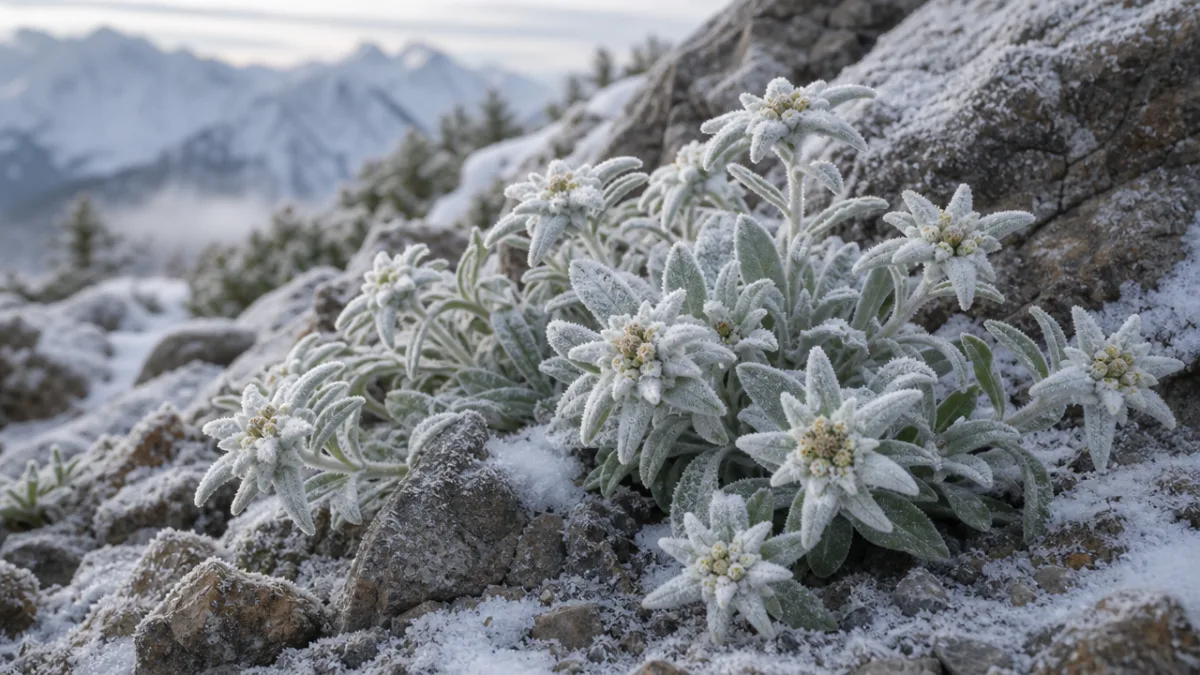
Winter care depends significantly on your climate. In its native range, edelweiss is protected by a deep, dry layer of snow, which insulates the roots without subjecting the crown to prolonged wet conditions. In warmer or wetter winter climates, this natural protection is absent, and the plant can suffer from winter wet rather than cold per se. In USDA hardiness zones 4 through 7, Leontopodium alpinum is generally reliably hardy outdoors. In wetter climates, covering the plant with a pane of glass or a cloche from late autumn through early spring — to keep rain off while still allowing cold air in — can make the difference between a healthy plant and a lost one.
- Ensure excellent soil drainage before planting to prevent crown rot and root rot year-round.
- Maintain a grit top-dressing around the crown to repel slugs and keep the base dry.
- Monitor for aphids and treat with water or insecticidal soap if colonies appear on new growth.
- In wet winter climates, cover plants with a glass or plastic cloche to exclude rain while preserving cold exposure.
- Improve air circulation by spacing plants adequately and removing dead foliage in autumn.
Designing with Edelweiss: Garden Applications and Companion Planting
Despite its modest stature — typically reaching only 10 to 20 centimeters in height — Leontopodium alpinum has an outsized visual presence in the garden. Its silvery-white woolly texture creates a striking contrast against the green and bronze tones of other alpine plants, and its star-shaped blooms are uniquely eye-catching during the summer flowering period. The most natural and effective context for edelweiss in garden design is the alpine or rock garden, where it can be nestled into crevices between stones, allowed to spill over the edges of low walls, or planted in groupings across a scree bed to create an evocation of high mountain terrain.
Container planting is another excellent option, particularly for gardeners without the space for a full rock garden or those in climates where controlling winter wet is important. A wide, shallow trough — traditionally made from hypertufa, a mixture of perlite, cement, and peat or coir — provides the ideal combination of drainage, thermal mass, and aesthetic compatibility with alpine plants. Group edelweiss in a trough with other low-growing alpines of similar cultural requirements to create a miniature mountain landscape that can be displayed on a terrace, balcony, or patio and brought under cover in the wettest months of winter.
When selecting companion plants for edelweiss, the key criteria are shared cultural needs and complementary visual texture. Plants that thrive in the same gritty, well-drained, alkaline conditions and enjoy full sun make the most harmonious neighbors. Some of the finest companions include Sempervivum species (houseleeks) with their geometric rosette forms, Dianthus alpinus (alpine pink) with its jewel-bright flowers, Draba species offering tiny yellow spring blooms, Saxifraga varieties in their many silvered forms, and cushion-forming Androsace species. Together with edelweiss, these plants create a tapestry of alpine life that celebrates the austere beauty of the mountain world in miniature.








What do you think?
It is nice to know your opinion. Leave a comment.