










Grow Sweet Peas Like a Flower Whisperer
The Magic of Sweet Peas: Understanding These Beloved Blooms
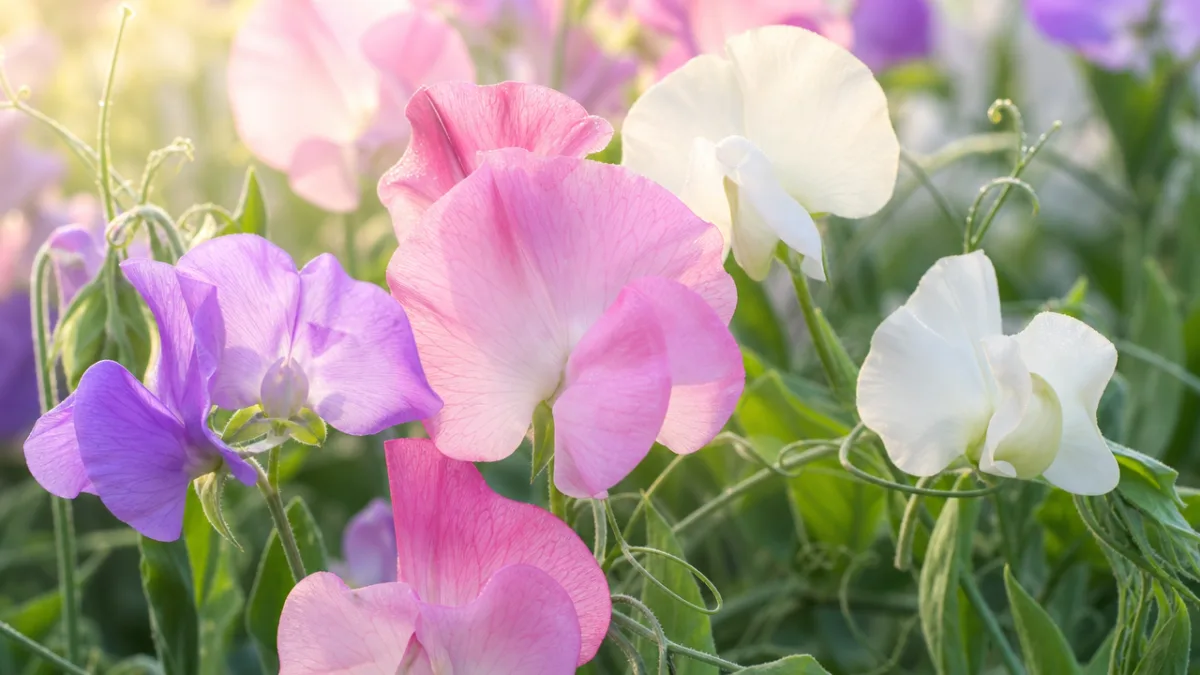
Sweet peas (Lathyrus odoratus) have been stealing gardeners’ hearts for centuries, and it’s not hard to see why. Those ruffled, jewel-toned blooms paired with a fragrance that stops you in your tracks — it’s a combination that’s hard to beat. Originally from Sicily and the surrounding Mediterranean islands, these climbing annuals have been bred and hybridized into thousands of varieties over the years, running the gamut from soft cottage-garden pastels to deep, saturated jewel tones. Whether you’ve been gardening for decades or you’re just getting started, learning to grow sweet peas well is one of those skills that pays off in the most delightful way — armfuls of cutting flowers that fill your home with a scent that almost doesn’t seem real.
Here’s a fun bonus: sweet peas belong to the legume family, which means they actually fix nitrogen in the soil through a partnership with soil bacteria. In other words, they’re improving the ground they grow in while they’re at it, leaving it richer for whatever you plant next in that spot. Their tendrils make them natural climbers, perfectly happy scrambling up trellises, fences, wigwams, or even neighboring plants. That versatility makes them a great fit for all kinds of spaces, from sweeping country gardens down to small urban balconies and window boxes.
The key to really understanding sweet peas is knowing that they are, at their core, cool-season plants. They’re happiest when nights are still a bit chilly and the days haven’t yet tipped into the heat of midsummer. That means timing is everything. Get it right and you’ll enjoy weeks of lush, fragrant blooms. Get it wrong and the plants will bolt, sulk, and fade before they ever hit their stride. The good news is that once you get a feel for their rhythms, sweet peas turn out to be pretty forgiving and genuinely generous. They want to grow for you — you just have to meet them halfway.
Choosing the Right Varieties for Your Garden
The world of sweet pea varieties is honestly a bit overwhelming in the best way, and picking the right ones for what you actually want makes a huge difference between a so-so display and something truly spectacular. If you’re growing for cutting and fragrance, the Spencer varieties are where most serious growers land. These are the big, frilly-petaled ones with long stems that look incredible in a vase — the kind of bouquet that makes people ask what flower that is. They typically grow to six feet or more and include well-loved names like ‘Matucana,’ ‘Midnight,’ ‘Anniversary,’ and ‘Painted Lady.’ They’re named after Countess Spencer, whose garden was the first to show them off in the early twentieth century.
If fragrance is the whole point for you, lean toward heritage and old-fashioned varieties rather than modern ones. It’s a bit of a trade-off that breeders made along the way — bigger, showier blooms at the cost of some of that legendary scent. Varieties like ‘Matucana,’ a gorgeous deep maroon and purple bicolor, and ‘Lord Nelson,’ a rich navy blue, are the ones growers consistently rave about for their extraordinary smell. The Grandiflora types, which actually predate the Spencer varieties, also tend to be intensely fragrant, even though their flowers are a touch smaller. If you really want to dive in, specialist sweet pea nurseries carry hundreds of named varieties complete with fragrance ratings — it’s a rabbit hole well worth falling into.
Working with a smaller space? Dwarf and bush varieties are a genuinely great solution, not just a consolation prize. Cultivars like ‘Bijou,’ ‘Patio Mixed,’ and ‘Cupid’ top out at just twelve to eighteen inches and do wonderfully in containers, hanging baskets, and at the front of borders — no staking or support required. Their stems are shorter, so they’re not quite the cutting garden powerhouses that the climbing types are, but they make up for it with prolific blooming and a neat, compact habit that suits modern gardens nicely. Mix a few varieties at different heights and you can create a really layered, immersive sweet pea display that stretches your season and keeps color going for longer.
Sowing Seeds: The Foundation of Success
You can sow sweet peas in autumn or in late winter and early spring, and both approaches have genuine merits. Autumn sowing — done between October and November in temperate climates — lets the young plants put down a solid root system over winter before launching into vigorous top growth come spring. Autumn-sown plants tend to flower earlier and more abundantly than spring-sown ones, and plenty of experienced growers won’t do it any other way. The catch is that you’ll need to protect them from hard frosts, usually with a cold frame or unheated greenhouse.
Before you sow, it’s worth spending a few minutes prepping your seeds — it genuinely makes a difference. Sweet pea seeds have a hard outer coat that can slow germination, especially in older seeds. An overnight soak in water, or a gentle nick opposite the eye of the seed with a nail file or sharp knife, speeds things up noticeably and improves your success rate. Some growers also pop their seeds in the refrigerator for a week before sowing, mimicking the cool conditions of early spring and giving them a good head start. These little steps don’t take long and they really do pay off.
When it comes to containers, reach for deep pots or root trainers rather than shallow seed trays. Sweet peas develop long taproots that really don’t like being cramped or disturbed, and a too-shallow container will hold them back. Fill with well-draining seed compost, push the seeds in about an inch deep, water well, and find them a cool, bright spot — a cold frame, unheated greenhouse, or sheltered porch all work well. Germination usually happens somewhere between ten and twenty-one days, depending on variety and temperature. Once your seedlings are about four inches tall, pinch out the growing tip to encourage bushy, multi-stemmed plants instead of one spindly shoot reaching for the sky.
Soil Preparation and Planting Out
Sweet peas are hungry, thirsty plants, and they will absolutely reward you for putting in the effort on soil prep. Before planting, dig your bed deeply — ideally two spades deep, which is what’s meant by double digging. This sounds like work (because it is), but it lets those long taproots push down freely to find moisture and nutrients well below the surface, which is part of why sweet peas can handle a dry spell better than a lot of other annual flowers. While you’re at it, work in generous amounts of well-rotted manure or garden compost to improve both the structure and the fertility of the soil.
Sweet peas like a slightly alkaline to neutral pH — somewhere between 7.0 and 7.5 is ideal. If your soil runs on the acidic side, add garden lime a few weeks before planting to bring it into range. Because they fix their own nitrogen, you don’t need to load them up with a nitrogen-rich fertilizer at planting time; honestly, too much nitrogen just pushes leafy growth at the expense of flowers, which is the opposite of what you want. Focus instead on a good slow-release fertilizer with phosphorus and potassium to support root development and flowering. Bone meal worked into the planting holes is an old-school approach that plenty of experienced growers still swear by.
Don’t skip the hardening off step — it’s one of those things that’s easy to rush or overlook, and your plants will feel it. Move them outside to a sheltered spot for gradually longer stretches each day over one to two weeks, letting them adjust slowly to outdoor temperatures, light, and wind. Once the risk of hard frost has passed, you can plant them out, spacing them about six to eight inches apart at the base of your chosen support. Water them in well, then lay down a mulch of straw or garden compost around the base to hold onto moisture and keep the weeds at bay through the growing season.

Supporting Your Plants and Encouraging Blooms
Climbing sweet peas need something to grab onto, and the good news is that your options are both practical and good-looking. Bamboo wigwams, hazel or birch twiggy branches pushed into the ground in a row or circle, wooden trellis panels, and purpose-built metal frames are all popular choices. Whatever you go with, make sure it’s tall enough for your variety’s full height and sturdy enough to handle mature plants in full leaf — they get heavier than you’d expect, especially after rain. Get your supports in place before you plant, so the young plants can start twining right away rather than flopping around looking for something to hold.
Here’s the single most important thing most people don’t realize about sweet peas: you have to keep picking. Sweet peas are annuals with one biological goal — set seed and finish their life cycle. The moment you let them form seed pods, they start winding down flower production fast. By picking every open flower and snapping off every fading bloom before a pod can form, you’re essentially keeping the plant in a permanent state of trying to complete its mission, which means more and more flowers. This is exactly why sweet peas are such a perfect cutting garden flower — the more you cut, the more they bloom. It’s a genuinely virtuous cycle.
Feeding through the season keeps things vigorous and floriferous. Once flowering begins, switch from a balanced fertilizer to something higher in potassium — a tomato feed works perfectly — and apply it every ten to fourteen days throughout the flowering season. Keep up with watering too, especially in dry spells, because water stress is another trigger for the plant to throw in the towel and set seed. A good layer of mulch around the base of your plants helps hold moisture in the soil and cuts down on how often you need to water, which is a genuine lifesaver when life gets busy.
Troubleshooting Common Problems and Saving Seeds
Even careful, attentive gardeners run into problems with sweet peas sometimes, and knowing what to look for means you can step in before a small issue turns into a real one. Bud drop — where buds form but fall off before they open — is one of the most common frustrations. It’s usually down to big swings in temperature, inconsistent watering, or plants that were pot-bound for too long before going into the ground. Keeping soil moisture consistent and hardening plants off properly before transplanting goes a long way toward preventing it. If bud drop keeps happening despite your best efforts, it’s worth checking the roots for vine weevil damage.
Powdery mildew tends to show up later in the season, when temperatures climb and airflow gets restricted as the foliage fills in and becomes dense. It shows up as a white powdery coating on leaves and stems, and if you let it go unchecked it’ll weaken the plant. Thinning out congested growth, keeping water off the foliage when you’re watering, and applying a dilute bicarbonate of soda solution or a proprietary fungicide at the first sign of trouble all help. If you’re in a humid climate and mildew is a recurring battle, growing mildew-resistant varieties is honestly the most effective long-term fix.
Saving seeds from your favorites is one of the most satisfying things you can do with sweet peas — it deepens your connection to the plants and saves you money year after year. Toward the end of the season, instead of deadheading your best and most vigorous plants, let them run to seed pods. Wait until the pods have turned brown and papery right on the plant, then pick them on a dry day and spread them out in a single layer somewhere warm and airy to dry completely. Once they’re fully dry, shell the seeds into labeled paper envelopes and stash them somewhere cool, dark, and dry. Stored this way, sweet pea seeds stay viable for three to five years, though germination is at its best in the first couple of years after harvest.
- Soak or scarify seeds before sowing to improve germination rates and speed up sprouting.
- Pinch out growing tips when plants reach four inches tall to encourage bushy, multi-stemmed growth.
- Never allow seed pods to form during the flowering season — deadhead religiously every two to three days.
- Water consistently and deeply rather than little and often, encouraging deep root development.
- Feed with a high-potassium liquid fertilizer every ten to fourteen days once flowering begins.
- Harvest cut flowers in the early morning when stems are at their most turgid and fragrance is strongest.
- Watch for signs of powdery mildew and treat promptly to extend the season as long as possible.
At the end of the day, growing sweet peas well comes down to working with the plant rather than against it. These are cool-season flowers that want cold roots, good food, reliable water, and room to climb toward the light. They respond to attention and they notice neglect — but not harshly. A few missed deadheadings or an off week with the watering can won’t end your season, it’ll just shorten it a little. The more time you actually spend with your sweet peas — picking them, feeding them, watching them, and just enjoying the extraordinary thing they do freely and generously — the better you’ll get at growing them, and the more they’ll give back.








What do you think?
It is nice to know your opinion. Leave a comment.