










Forcing Hyacinth Bulbs Indoors: A Complete Guide to Bringing Spring Inside
Understanding the Magic of Forcing Bulbs
Forcing bulbs is one of the most rewarding gardening techniques available to home growers, allowing you to coax spring-blooming plants into flowering weeks or even months ahead of their natural schedule. The process works by tricking bulbs into believing they have experienced the necessary cold dormancy period of winter, after which they eagerly burst into bloom when introduced to warmth and light. Hyacinths are particularly well-suited to this process, producing dense, fragrant flower spikes that can fill an entire room with their heady perfume during the gray months of late winter.
The term “forcing” may sound aggressive, but it is simply a gardening term that describes the gentle art of manipulating a plant’s natural cycle. Hyacinth bulbs are genetically programmed to bloom after experiencing a cold period, followed by warming temperatures — conditions that signal the arrival of spring. By simulating this sequence artificially, gardeners can time blooms with extraordinary precision, making forced hyacinths a beloved tradition for holidays, celebrations, and simply brightening dreary winter interiors. Martha Stewart herself has long championed this practice as an accessible and deeply satisfying winter project.
What makes hyacinths especially appealing for indoor forcing is their reliability and their sensory impact. Few other flowers match the intoxicating, sweet fragrance of a hyacinth in full bloom, and their architectural flower spikes come in a stunning range of colors — from deepest purple and sapphire blue to blush pink, white, and even pale yellow. Whether arranged in a cluster of matching colors or grouped in a mix of complementary shades, forced hyacinths bring an undeniable elegance and vitality to any interior space during the months when the garden lies dormant and bare.
Choosing the Right Bulbs and Containers
Success with forced hyacinths begins at the point of purchase, so choosing high-quality bulbs is essential. Look for bulbs that are large, firm, and free of any soft spots, mold, or visible damage. In general, the larger the bulb, the more robust and impressive the resulting flower spike will be. Specialty garden centers and reputable online bulb suppliers typically offer a wider and fresher selection than big-box stores, and purchasing bulbs early in the season — ideally in September or October — gives you the most options before supplies dwindle.
Many bulb suppliers offer what are labeled “prepared” or “pre-chilled” hyacinth bulbs specifically intended for forcing. These bulbs have already received part of their necessary cold treatment and are designed to bloom earlier than standard bulbs, making them ideal for anyone hoping to have flowers in time for the winter holidays. If you purchase standard bulbs, you will need to provide the full chilling period yourself, which typically runs between ten and twelve weeks. Either way, planning ahead is the cornerstone of a successful forcing project.
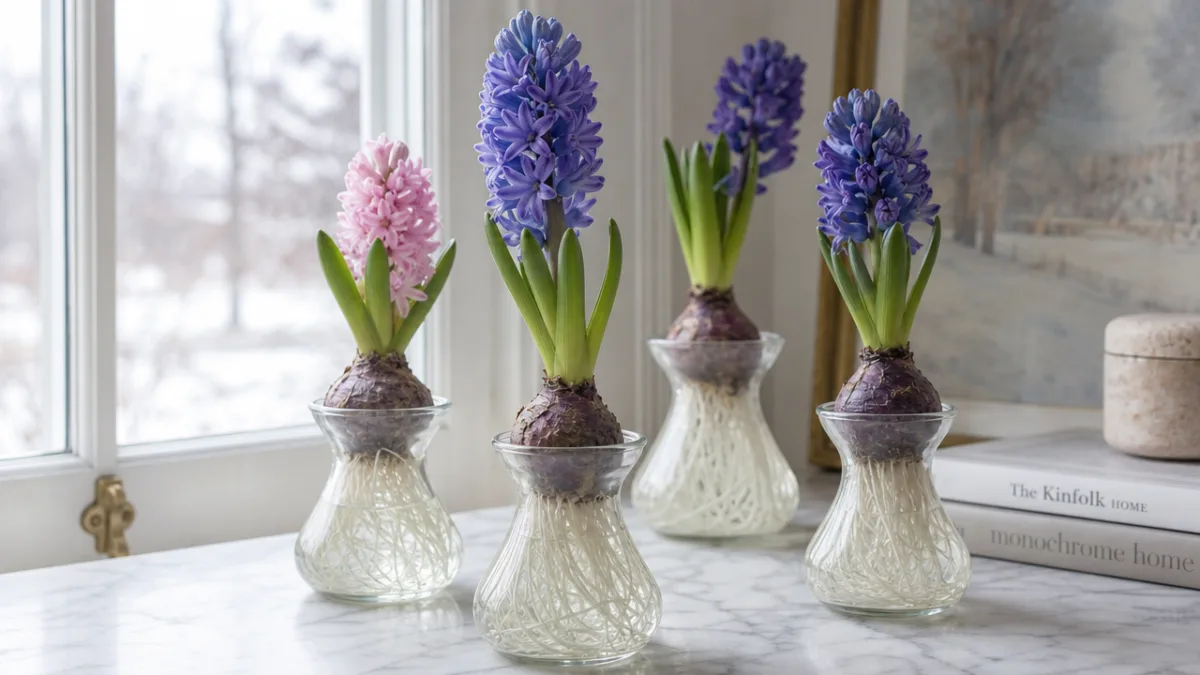
Container selection is almost as important as bulb selection, and the good news is that you have a great deal of creative freedom here. Traditional forcing vases — those narrow-waisted glass vessels designed to hold a single bulb just above the waterline — are classic and beautiful, allowing you to observe the root development as it happens. Alternatively, shallow ceramic bowls, terracotta pots, vintage crockery, or simple plastic nursery containers all work perfectly well. The critical requirement for soil-based planting is drainage; containers without drainage holes can lead to waterlogged soil and rotting bulbs. For water-based forcing in glass vases, no drainage is needed, but you must keep the water level consistent and fresh.
The Chilling Process: Creating a False Winter
Providing the necessary cold period is the most critical and time-sensitive step in forcing hyacinth bulbs. Hyacinths require sustained cold — between 35 and 48 degrees Fahrenheit — for a minimum of ten to twelve weeks in order to properly develop their root systems and prepare for bloom. The ideal locations for this chilling period include an unheated garage, a root cellar, a cold basement, or even the vegetable crisper drawer of a refrigerator. Wherever you choose, consistency of temperature is key; fluctuating temperatures can interrupt the dormancy process and result in poor or uneven flowering.
If you are using the refrigerator method, keep your bulbs away from ripening fruit, particularly apples and pears. These fruits emit ethylene gas as they ripen, and even small amounts of this gas can damage the flower embryo inside the bulb, leading to stunted or deformed blooms. Store your potted bulbs or bagged loose bulbs in a separate area of the refrigerator, ideally in a paper bag or open tray so that some air circulation is maintained around them. Check on them periodically to ensure the potting medium has not dried out entirely and that no mold has developed on the surface of the bulbs.
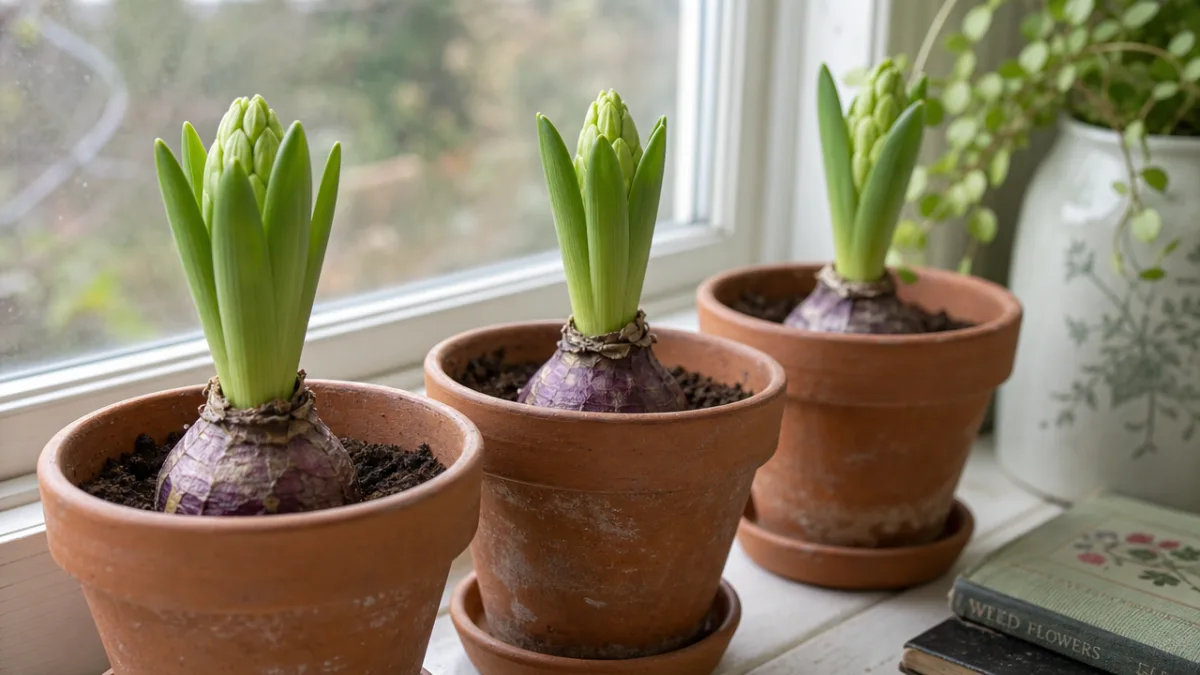
During the chilling period, root growth is actively happening beneath the surface even though no visible activity may be apparent above soil level. This subterranean development is exactly what you want to encourage — a well-rooted bulb will produce a stronger, taller, and more floriferous stem when it is finally brought into warmth. Most growers know the chilling period is complete when they see approximately one to two inches of pale green shoot emerging from the nose of the bulb. At that point, your hyacinths are ready for the next exciting stage of their journey toward bloom.
Bringing Bulbs Into the Light: The Transition to Warmth
Once your bulbs have completed their cold period and show signs of active shoot growth, it is time to move them gradually into warmer conditions. Resist the temptation to go directly from cold storage to a warm, sunny windowsill, as too-sudden a transition can shock the bulbs and result in stunted stems and premature blooming before the flowers have fully developed. Instead, introduce them first to a cool room — around 50 to 60 degrees Fahrenheit — with indirect, low light for the first week or two. A north-facing windowsill or a spot a few feet back from a bright window works beautifully for this intermediate stage.
As the shoots lengthen and begin to show the first hints of color at their tips, you can move the containers to a brighter, warmer location. A south- or east-facing windowsill that receives several hours of direct or bright indirect sunlight each day is ideal for encouraging steady, vigorous growth. Rotate the containers every day or two to ensure that all sides of the emerging spike receive equal light exposure; without rotation, stems will lean toward the light source and may become unattractively lopsided. Consistent moisture is important during this period — water when the top inch of soil feels dry, being careful not to splash water directly onto the neck of the bulb, which can invite rot.
Temperature management during this pre-bloom phase can have a significant effect on the final height and longevity of the flowers. Cooler ambient temperatures — around 60 to 65 degrees Fahrenheit — tend to produce taller, more graceful stems and extend the life of the blooms considerably once they open. Warmer conditions will accelerate growth but may result in shorter stems and blooms that fade more quickly. Many experienced hyacinth forcers deliberately keep their plants in slightly cool rooms to maximize both the visual impact and the duration of the flower display. The result of this patient management is extraordinarily beautiful.
Caring for Your Forced Hyacinths in Bloom
The moment when a forced hyacinth opens its first florets and releases its signature fragrance into the air is genuinely thrilling — a small triumph of planning, patience, and care. Once the flower spike is in full bloom, ongoing care is refreshingly simple. Continue to water regularly, keeping the soil evenly moist but never waterlogged, and maintain the plant in a bright, cool location away from direct heating vents, radiators, and drafts. Heat is the enemy of longevity in forced hyacinth blooms; a location that hovers between 60 and 65 degrees will allow you to enjoy the flowers for two to three weeks or even longer.
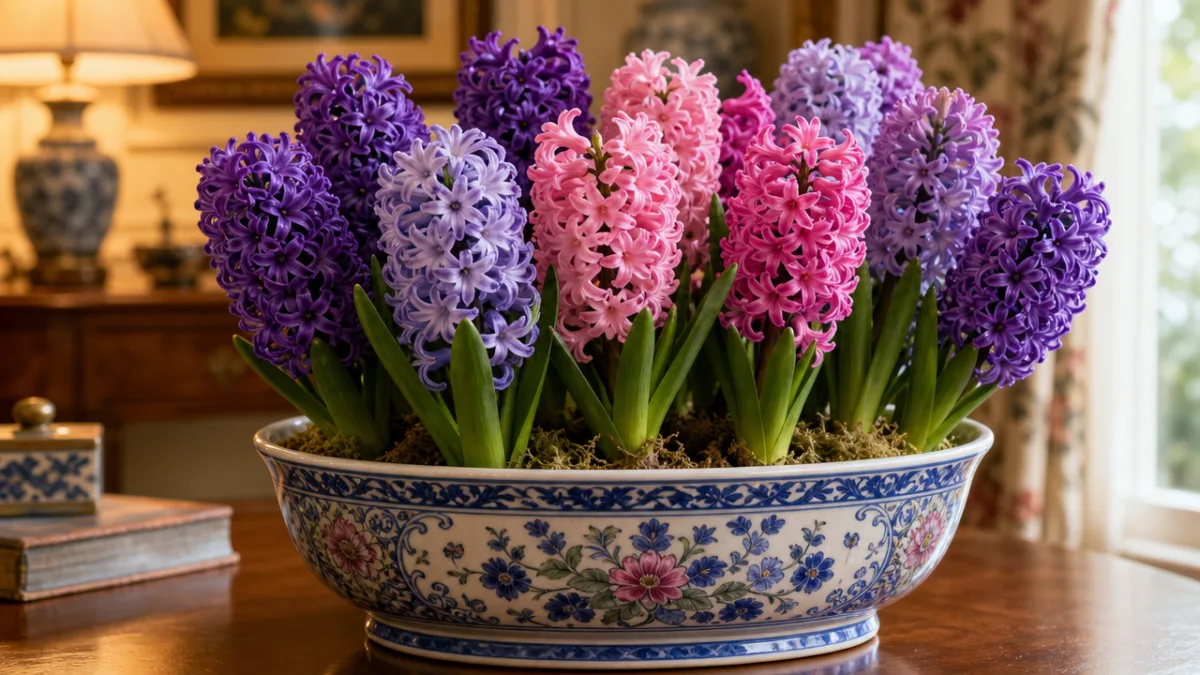
During the blooming period, you may notice that the flower spike grows top-heavy and begins to lean or flop under its own weight. This is a common occurrence, particularly with large-flowered varieties. A simple and elegant solution is to gently stake the stem with a slim bamboo or metal stake, secured with a soft tie or twist of raffia. Alternatively, grouping several pots together in a basket, trough, or decorative container allows the stems to support one another naturally while creating a lush, abundant display. This clustering approach is a classic presentation technique that Martha Stewart has frequently showcased in her styling of indoor bulb gardens.
Fragrance management is worth considering as well. Hyacinths are intensely perfumed, which is one of their greatest charms — but in a small, enclosed room, a cluster of flowering hyacinths can become overwhelming. Place them in a larger living area, hallway, or dining room where the scent can disperse gracefully rather than concentrate. For those who are sensitive to strong fragrances, positioning the plants near a frequently opened door or in a passageway allows the scent to be enjoyed in passing rather than at continuous close range. The fragrance is at its most intense in the afternoon warmth and diminishes slightly in cooler evening temperatures.
After the Bloom: What to Do with Spent Hyacinths
Once the flowers have faded, most people wonder what to do with the spent bulbs. While forced hyacinths rarely perform as well in subsequent years as they do in their first forcing, they are absolutely worth saving and planting outdoors where they can recover, rebuild their energy reserves, and often bloom again in garden beds for years to come. Begin by deadheading the spent flower spike — snipping it off at the base — but leaving the strap-like leaves intact. These green leaves are essential for photosynthesis, which is how the bulb restores the energy it expended in forcing.
Continue watering and providing light to the foliage for as long as it remains green and vital, feeding with a balanced liquid fertilizer every two weeks to support the bulb’s recovery. As spring arrives and outdoor temperatures become mild, you can begin hardening off the plants by setting them outdoors in a sheltered spot for increasing periods each day. Once all danger of frost has passed and the foliage begins to yellow naturally, the bulbs can be planted directly in the garden at a depth of about six inches, in a well-drained location that receives good sun. Mark the spot so you do not accidentally disturb the bulbs.
It is realistic to set your expectations appropriately: forced bulbs may skip blooming entirely in their first garden year as they recuperate, or they may produce smaller, less impressive flowers than they would have had they never been forced. However, with each passing season, well-cared-for bulbs gradually regain their vigor and can deliver years of garden pleasure. Many devoted bulb enthusiasts consider the garden planting of spent forced bulbs to be a satisfying form of recycling — transforming a winter indoor display into a permanent and ever-expanding spring garden treasure.
Creative Displays and Styling Ideas
One of the greatest pleasures of forcing hyacinth bulbs is the opportunity to create beautiful, personalized indoor displays that reflect your own aesthetic sensibility. The options range from the classically simple — a single bulb in a traditional glass forcing vase set on a windowsill — to elaborate tablescapes featuring dozens of blooming hyacinths in coordinated containers. When designing a display, consider the color relationships between the hyacinth varieties and the vessels or props surrounding them. The cool blue-purple shades of varieties like ‘Delft Blue’ or ‘Blue Jacket’ pair magnificently with silver, pewter, and white ceramics, while warm pinks and corals glow beside aged terracotta, brass, and natural wood.
Layering hyacinths within a decorative display adds visual richness and extends the interest of the arrangement. Consider placing bulbs at different stages of development — some just beginning to push up green shoots, others with swelling buds, and still others in full spectacular bloom — so that the display evolves over time rather than peaking all at once and then finishing suddenly. This staggered approach requires some advance planning and careful timing of the chilling periods, but the reward is a continuously changing and renewing indoor garden that provides weeks of beauty rather than days.
Beyond containers, consider the supporting cast of materials that can elevate a forced hyacinth display from charming to truly memorable. Nests of soft moss tucked around the bases of bulbs in wide bowls create a lush, woodland effect. A scattering of smooth river stones or decorative gravel conceals the potting medium in glass containers while giving the arrangement a clean, architectural quality. Lengths of burlap, linen napkins, or vintage fabric wrapped loosely around individual pots add texture and warmth. Small handwritten labels identifying each variety transform a simple window garden into something that feels considered, curated, and deeply personal — the hallmark of the Martha Stewart approach to domestic beauty.
- Delft Blue — One of the most beloved forcing varieties, producing tall spikes of porcelain-blue florets with a rich, classic hyacinth fragrance ideal for traditional holiday displays.
- Carnegie — A pristine pure white variety with densely packed florets and an exceptionally sweet scent, perfect for elegant, minimal arrangements or pairing with other white flowers.
- Jan Bos — A vivid cerise-red variety that provides a striking color contrast in mixed groupings and forces reliably with particularly sturdy, upright stems.
- City of Haarlem — A soft, buttery primrose-yellow variety that is rarer and more unexpected than the classic blue and pink shades, lending a fresh, contemporary quality to displays.
- Woodstock — A deep burgundy-purple variety with a slightly more muted fragrance, sophisticated and dramatic, particularly stunning when massed in dark ceramic or aged bronze containers.
Whichever varieties you choose and however you arrange them, the act of forcing hyacinth bulbs indoors is ultimately an act of optimism — a deliberate, hands-on insistence on beauty and fragrance during the season when the natural world offers the least of both. It connects modern home gardeners to centuries of horticultural tradition, reminding us that the rhythms of growth and bloom are deeply satisfying to work with rather than simply wait for. With a little planning, a cool corner, and a measure of patient attention, you can bring one of spring’s most spectacular performances directly into your home, on your own schedule, in the depths of winter.








What do you think?
It is nice to know your opinion. Leave a comment.