










Facts About the Infamous Black Walnut Tree
Introduction to the Black Walnut Tree
If you’ve ever swapped gardening horror stories with a neighbor, chances are someone brought up the black walnut tree. Known scientifically as Juglans nigra, this native North American hardwood has been stirring up strong opinions for as long as people have been planting gardens near it. It grows naturally across the eastern United States and into southern Canada, and its presence in any yard or woodland is pretty hard to miss — or ignore.
At maturity, these trees typically reach 50 to 75 feet tall, though truly exceptional specimens can clear 100 feet with room to spare. The bark is deeply furrowed and so dark it’s almost black — which is exactly where the name comes from. The leaves are compound and can stretch two feet long, packed with pairs of leaflets that cast some seriously deep, dappled shade once summer gets going.
Here’s the thing about black walnuts: they inspire equal parts admiration and frustration. On one hand, they produce some of the most prized hardwood and most flavorful nuts on the continent. On the other, they have a chemical trick up their sleeve that can quietly poison the soil around them and take out neighboring plants. Getting to know both sides of this tree is really what makes it so fascinating — and so worth understanding before you decide how to feel about the one in your backyard.
The Science of Juglone: Nature’s Chemical Warfare
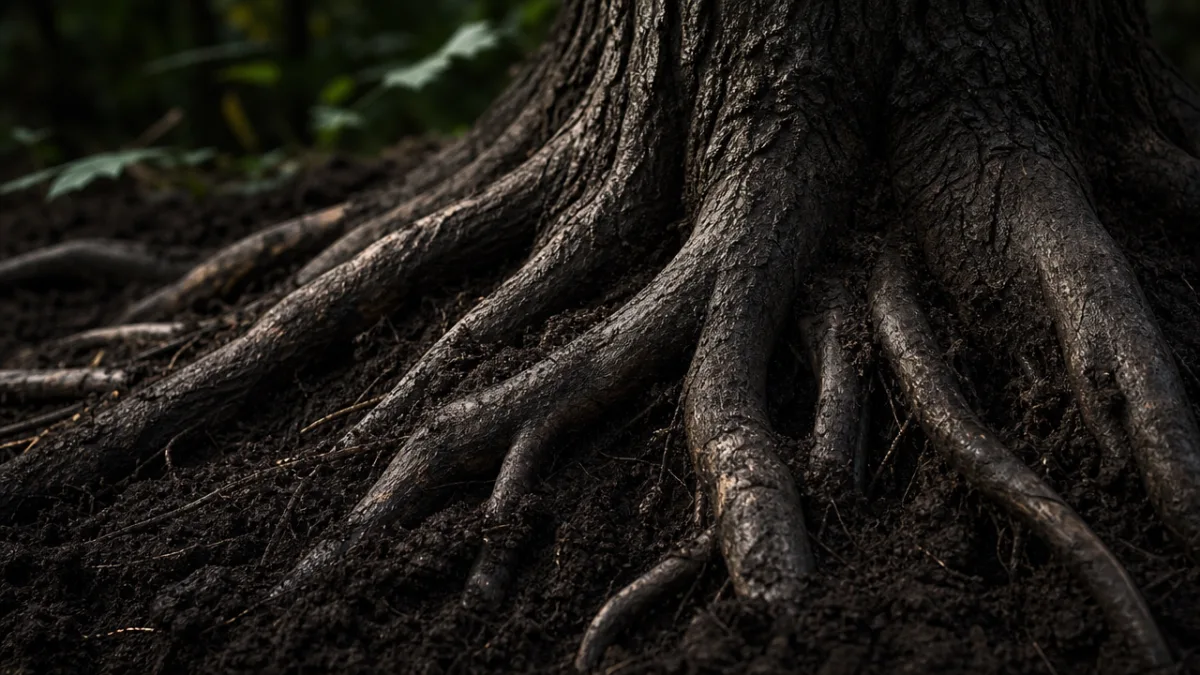
Ask any gardener who’s lost a tomato plant to a nearby black walnut, and they’ll probably mention juglone. This toxic compound — technically called 5-hydroxy-1,4-naphthalenedione — is produced throughout the tree: roots, leaves, hulls, bark, you name it. Lots of plants use chemical tricks to outcompete their neighbors, but the black walnut takes it to another level. Juglone can affect soil well beyond the tree’s canopy, making it a surprisingly far-reaching problem.
The way it does damage is fairly well understood. Juglone disrupts the enzymatic respiration of vulnerable plants, essentially cutting off their ability to turn oxygen into usable energy. The plants start wilting, their leaves yellow, growth stalls, and in bad cases they die outright. How fast this happens depends on the species, how close it is to the tree, and how concentrated the juglone is in that particular patch of soil — it can play out over days or stretch across weeks.
What’s interesting, though, is that juglone doesn’t bother every plant equally. Some species have figured out how to live with it just fine, while others are shockingly sensitive. Tomatoes, peppers, apples, pines, and many ornamental shrubs fall into the “avoid at all costs” category. But black raspberries, certain grasses, and a good number of wildflowers can handle juglone without much trouble at all. Once you know which plants can coexist with a black walnut and which ones can’t, gardening around one becomes more of a puzzle to solve than a lost cause.
The Remarkable Nuts: Flavor, Nutrition, and Harvest
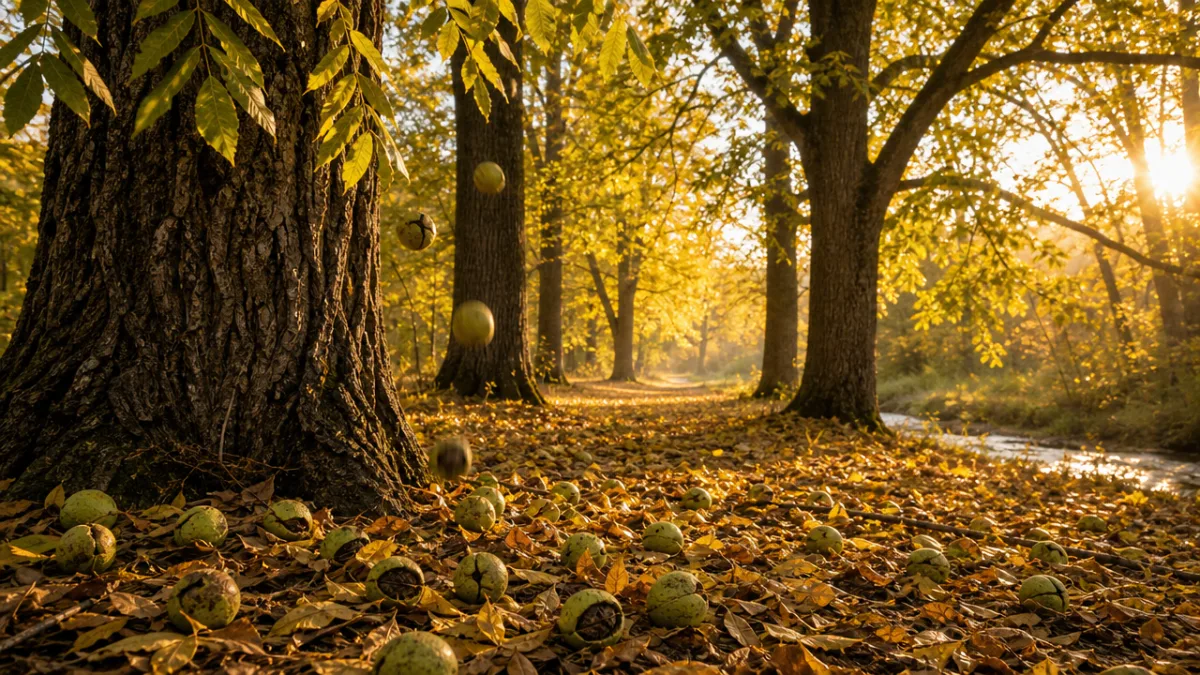
If you’ve only ever eaten the English walnuts you find at the grocery store, black walnuts will come as a bit of a shock — in the best way. The flavor is bold, earthy, and a little astringent, with a richness that’s hard to describe until you’ve tasted it. The nuts are wrapped in a thick green-to-blackish husk and then locked inside a shell that’s almost comically hard to crack, but the effort is worth it. They’re a beloved ingredient across Appalachia and the Midwest, where the trees grow thick and the recipes have been passed down for generations.
Nutritionally, black walnuts are legitimately impressive. They pack more protein per ounce than just about any other tree nut, and they’re loaded with omega-3 fatty acids, antioxidants, and minerals like magnesium, phosphorus, and potassium. Research has pointed toward potential benefits for heart health, inflammation, and even cognitive function, so these aren’t just a tasty regional treat — they’re actually good for you.
That said, getting to the nut is famously annoying. First, you have to remove the husks, which contain a dark brown dye that will stain your hands and clothes with a stubbornness that borders on personal offense. People have been known to drive cars over the nuts to crack the husks loose, or stomp them off with old boots, or run them through mechanical hullers. After hulling, the nuts need to dry for several weeks. Then comes cracking, which requires specialized tools because an ordinary nutcracker simply won’t cut it. All of that said, people who go through the process tend to swear it’s worth every bit of the trouble.
Ecological Role and Wildlife Value
For all the grief the black walnut gets from gardeners, it’s genuinely a standout contributor to its native ecosystem. In many eastern forest communities it functions as a keystone species, supporting an impressive web of wildlife through its nuts, foliage, bark, and structure. Over 100 species of moths and butterflies use it as a host plant for their caterpillars — some of them so specialized that they’re rarely found in association with any other tree.
Squirrels are the most obvious fans. Every fall they go into a kind of harvest frenzy, hauling off nuts and burying them across wide areas. The thing is, they don’t always remember where they put everything — which means they’re accidentally planting black walnut trees all over the landscape, effectively doing the tree’s seed dispersal work for it. White-tailed deer, raccoons, wild turkeys, and black bears also help themselves to the nuts when they can get them, and some birds have even figured out how to crack open fallen nuts to get at the meat inside.
The tree’s value doesn’t stop at its fruit. Mature black walnuts with large hollows provide nesting and denning spots for wood ducks, screech owls, squirrels, and raccoons. The fallen leaves, despite their allelopathic reputation, break down over time and contribute rich organic matter to the soil. And even a dead black walnut still standing as a snag can support decades of wildlife activity — woodpeckers, cavity-nesting birds, and the insects that sustain them all benefit from what’s left behind.
The Wood: A Treasure of North American Hardwoods
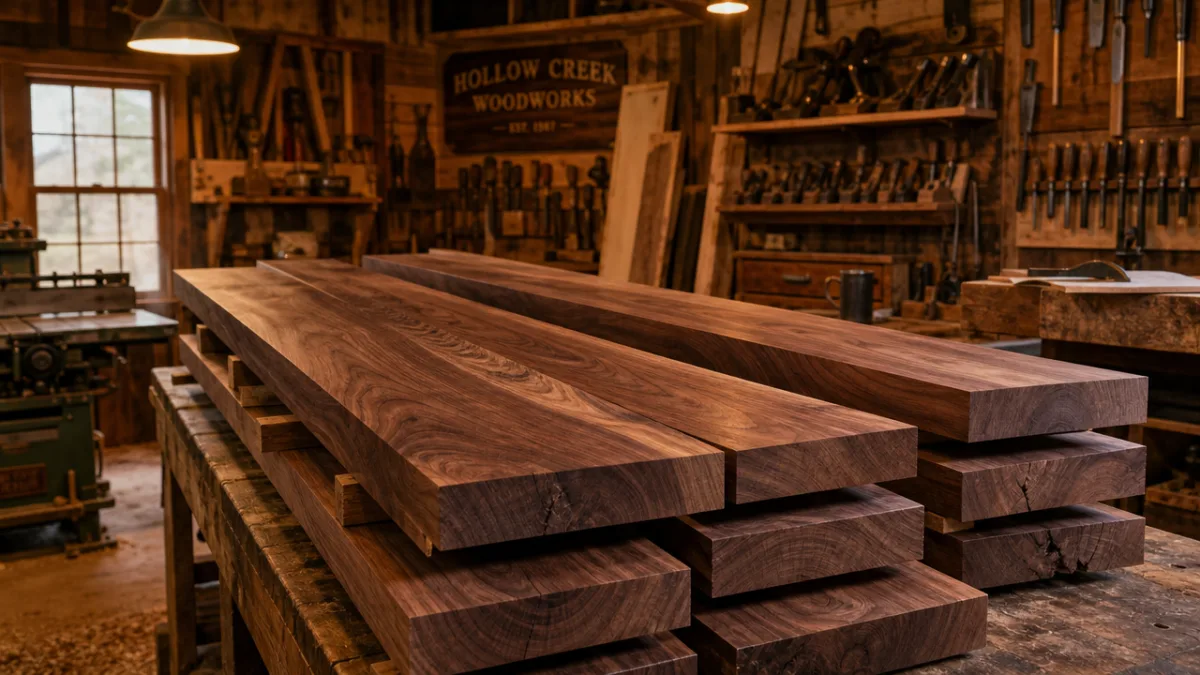
Black walnut timber is some of the most valuable hardwood you’ll find in North America, and it commands serious prices in both domestic and international markets. The heartwood runs from rich chocolate brown to a deep purple-tinged brown, and unlike a lot of other hardwoods that need staining to look their best, black walnut looks stunning straight out of the mill. It only gets better with time — the color deepens and mellows with age and light exposure in a way that woodworkers and furniture makers genuinely get excited about.
The wood works well, too, not just looks good. It scores 1,010 on the Janka hardness scale, which puts it in a sweet spot: durable enough for demanding use, but not so hard that it’s a nightmare to cut, shape, or finish. It machines cleanly, glues and finishes without fuss, and resists warping during drying better than many comparable species. That combination of beauty and practicality is exactly why it’s been the go-to wood for gunstocks for centuries — no other species quite matches it for that particular application.
The timber’s high value has a darker side, though. A single large black walnut can be worth several thousand dollars to a timber buyer, and truly exceptional trees have fetched tens of thousands. That kind of money has given rise to black walnut poaching — people illegally cutting down trees from parks, public lands, and private properties without the owner knowing. It’s a real and ongoing problem, and land managers in walnut country have had to get creative about protecting their most valuable trees from this kind of theft.
History, Culture, and Practical Uses Through the Ages
Long before European settlers arrived, indigenous peoples across eastern North America had developed a deep and practical relationship with the black walnut. The nuts were an important food source, and oil pressed from them served both culinary and ceremonial purposes. The dark dye from the husks colored baskets and textiles and was used as body adornment. Bark and leaves found their way into medicinal preparations for everything from intestinal parasites to skin conditions — knowledge built up over generations of careful observation and handed down accordingly.
When European colonists moved through the region, they recognized a good thing quickly. Black walnut became a staple of American furniture making through the 17th, 18th, and 19th centuries, and plenty of those antique pieces survive today as prized heirlooms. The nuts worked their way into regional cooking traditions — baked goods, candies, ice cream, savory dishes — in ways that still set the cooking of walnut-rich areas apart from the rest of the country. Black walnut ice cream in particular remains a beloved regional specialty across much of the American heartland, the kind of thing locals get a little sentimental about.
More recently, researchers have been taking a closer look at the medicinal chemistry of black walnut, and the results have been interesting. Juglone itself has shown potential antifungal, antibacterial, and even anticancer activity in preliminary lab work. Black walnut hull extracts are widely sold as herbal supplements, mostly marketed for antiparasitic effects. The clinical evidence is still catching up with the traditional knowledge, but the fact that scientists keep returning to this tree suggests there may be biochemical secrets here that haven’t been fully unlocked yet.
Growing, Managing, and Living with Black Walnut Trees
If you have a black walnut on your property — or you’re thinking about planting one — it pays to go in with a realistic picture of what you’re working with. These trees like deep, well-drained, fertile soil with a near-neutral pH, and they want full sun and decent moisture. In the right conditions they can put on a foot or more of height per year in their early decades, which is impressive for a hardwood, before gradually slowing as they approach their mature size.
Gardening under and around a black walnut takes some planning, but it’s far from impossible. The key is leaning on established lists of juglone-tolerant plants and focusing your energy on species that are known to get along with the tree. Raised beds positioned toward the outer edge of the drip line — where root concentrations are lower and juglone levels drop off — can open up more planting options than you might expect. Picking up fallen leaves and husks regularly also helps keep juglone from building up in the soil directly under the canopy.
At the end of the day, a mature black walnut is one of the most genuinely valuable trees a landowner can have. The potential timber value alone is significant, but add in annual nut production, the wildlife habitat it creates, and the sheer presence of a large, healthy specimen, and you’ve got something that’s hard to put a price on. The people who seem to get the most out of living with black walnuts are the ones who take the time to understand the tree on its own terms — and then find, over the years, that it keeps revealing new reasons to appreciate it.








What do you think?
It is nice to know your opinion. Leave a comment.