










Everything You Need to Know About Nandinas
What Is Nandina and Why Gardeners Love It
Nandina domestica, commonly known as heavenly bamboo or sacred bamboo, is a versatile evergreen shrub that has captured the hearts of gardeners across North America, Europe, and Asia. Despite its common name, nandina is not actually a bamboo at all — it belongs to the Berberidaceae family and is the sole species within the genus Nandina. Native to eastern Asia, including China, Japan, and India, this ornamental shrub has been cultivated in gardens for centuries and has become a staple in modern landscaping for its year-round visual appeal and relative ease of care.
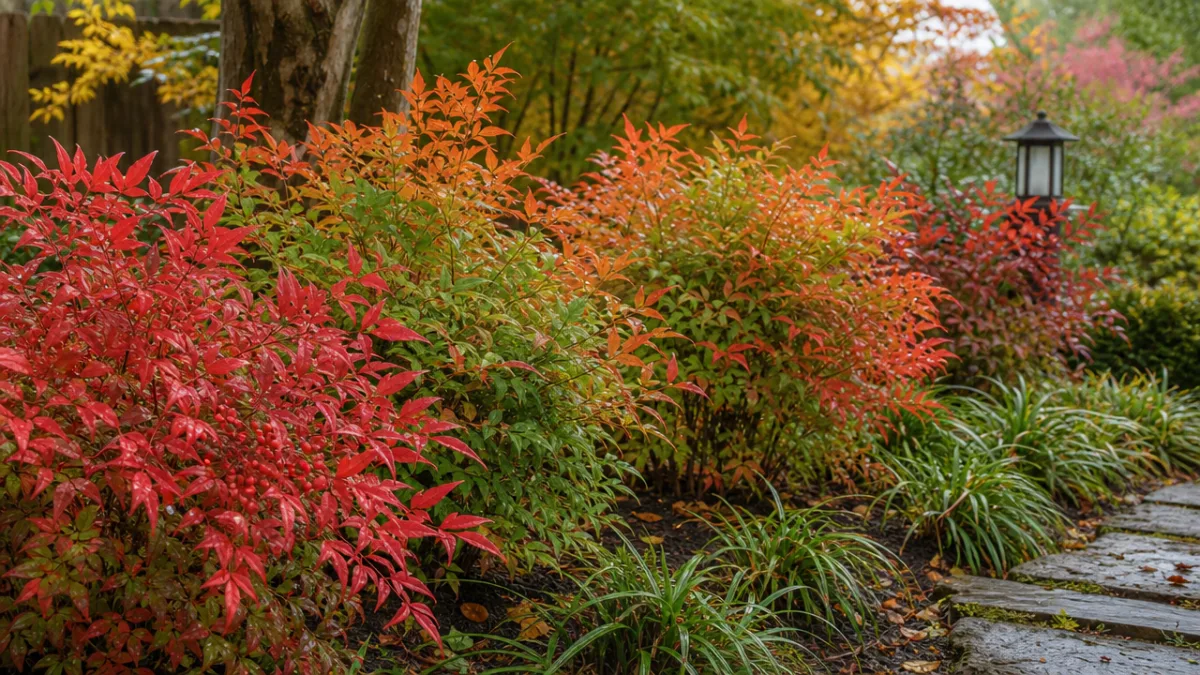
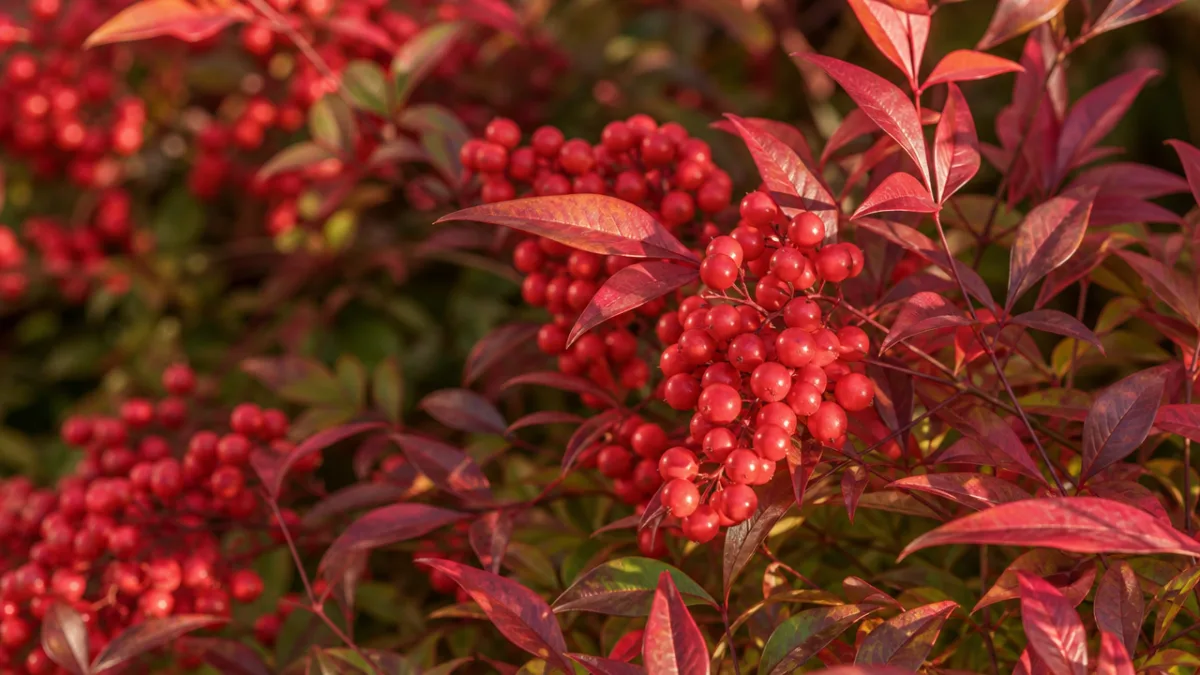
One of the most compelling reasons gardeners gravitate toward nandina is its stunning multi-seasonal display. In spring, new growth emerges in shades of copper, bronze, and soft pink before transitioning to a lush, glossy green through the summer months. As temperatures drop in autumn, the foliage shifts again into brilliant tones of red, orange, and burgundy. In winter, clusters of bright red berries persist on the plant, providing color and structure when most other garden plants have gone dormant. This four-season performance makes nandina an exceptionally high-value plant for any landscape design.
Beyond its aesthetic merits, nandina is prized for its adaptability and resilience. It tolerates a wide range of soil conditions, performs well in both full sun and partial shade, and is remarkably drought-tolerant once established. Gardeners who struggle with challenging spots — whether dense shade beneath a canopy of trees or a hot, dry slope exposed to afternoon sun — often find that nandina thrives where other plants fail. Its structural elegance, resembling the delicate canes and pinnate leaves of bamboo, adds a graceful architectural quality to borders, foundations, and container plantings alike.
Varieties and Cultivars of Nandina
The world of nandina cultivars is surprisingly rich and varied, offering options for nearly every garden situation and aesthetic preference. The straight species, Nandina domestica, can reach heights of six to eight feet with an upright, open habit, making it ideal for screening or creating a tall accent in the back of a mixed border. However, plant breeders have developed dozens of compact and dwarf cultivars that bring the beauty of nandina to smaller spaces, containers, and ground cover applications without the same maintenance demands.
Among the most popular cultivars in today’s market are compact varieties such as ‘Harbour Dwarf,’ which typically grows to just two or three feet in height and spreads gracefully to form a low, mounding ground cover with exceptional fall color. ‘Firepower’ is another beloved dwarf variety, prized for its vivid lime-green summer foliage that transforms into intense scarlet and orange hues in winter. ‘Obsession’ is a newer introduction that dazzles with year-round red and orange coloring, making it a standout specimen in any garden bed. For those seeking a non-fruiting option, ‘Twilight’ and similar sterile cultivars have been developed specifically to address ecological concerns about seed dispersal.
Taller cultivars like ‘Moyer’s Red’ and ‘Royal Princess’ are frequently chosen for their prolific berry production and vigorous upright growth, making them well-suited to privacy screens, woodland garden edges, or as a bold backdrop for lower-growing perennials. ‘Moon Bay’ offers an elegant middle-ground option, reaching about two to three feet while producing a tidy mound of foliage that turns rich red in winter. When selecting a cultivar, it is important to consider the mature size, fruiting habit, and whether the plant is suited to your particular climate zone, as different cultivars have varying levels of cold hardiness and heat tolerance.
Planting and Growing Conditions
Nandina is a highly adaptable plant, but giving it the right start will ensure the best long-term performance. When it comes to soil, nandina prefers well-drained, slightly acidic to neutral soil with a pH between 5.5 and 7.5. It can tolerate clay soils better than many other ornamental shrubs, though standing water and waterlogged conditions should always be avoided, as prolonged root saturation can lead to fungal issues and root rot. Amending heavy clay soils with compost before planting helps improve drainage and encourages strong root establishment during the first growing season.
Light requirements for nandina are refreshingly flexible. Plants grown in full sun — six or more hours of direct sunlight per day — typically produce the most vivid fall and winter foliage color and the most abundant berry clusters. However, nandina is genuinely shade-tolerant and performs admirably in spots that receive only two to four hours of direct light or filtered dappled shade throughout the day. In very deep shade, plants may become more open and leggy, producing fewer berries and less intense foliage color, but they will generally remain healthy and continue to add greenery to challenging garden spots.
When planting nandina, timing matters. Early spring or fall planting allows the shrub to establish its root system before facing the stresses of summer heat or winter cold. Dig a hole roughly twice as wide as the root ball and no deeper than the container’s depth, ensuring the crown of the plant sits level with or slightly above the surrounding soil grade. Backfill with the original soil, water deeply, and apply a two-to-three-inch layer of organic mulch around the base — keeping it away from the stems — to conserve moisture, moderate soil temperature, and suppress weed competition as the plant settles into its new home.
Watering, Fertilizing, and Pruning
Once established, nandina is considered a low-water, low-maintenance shrub, but some attention during its first one to two years in the ground will pay dividends. Newly planted nandinas should be watered deeply and regularly — approximately once or twice per week depending on rainfall and temperatures — to encourage deep root growth. After the first full growing season, most plants are sufficiently established to rely primarily on natural rainfall, supplemented by occasional deep watering during extended hot, dry spells. Drip irrigation or soaker hoses are ideal for nandina, as they deliver moisture directly to the root zone without wetting the foliage, which can reduce the risk of foliar disease.
Fertilizing nandina is straightforward and relatively infrequent. An application of a balanced, slow-release granular fertilizer in early spring, as new growth begins to emerge, is generally all that is needed to keep the plant healthy and vigorous. A fertilizer with an NPK ratio such as 10-10-10 or one formulated specifically for acid-loving shrubs works well. Avoid over-fertilizing, particularly with nitrogen-heavy products, as excessive nitrogen promotes lush vegetative growth at the expense of berry production and may reduce the intensity of the fall foliage display that makes nandina so appealing.
Pruning nandina is best approached with a light hand, as these shrubs have a naturally graceful, upright habit that looks best when minimally interfered with. The most effective pruning technique for maintaining an attractive form is to remove one-third of the oldest canes at ground level each year in late winter or very early spring before new growth emerges. This selective thinning encourages new cane growth from the base, keeps the plant from becoming too dense, and maintains a pleasing layered appearance. Shearing nandina into formal geometric shapes, while tempting for tidy gardeners, destroys the plant’s natural elegance and often results in an unattractive ball of foliage with diminished berries and fall color.
Toxicity, Wildlife, and Ecological Considerations
One of the most important topics for any responsible gardener to understand about nandina is its toxicity profile. All parts of the nandina plant contain alkaloids, including the compound nantenine, as well as cyanogenic glycosides that can release hydrogen cyanide when metabolized. These compounds make the plant toxic to a range of animals, including dogs, cats, horses, and notably birds. There have been documented cases of cedar waxwings and other berry-eating birds dying after consuming large quantities of nandina berries, particularly during winter when food sources are scarce and birds may gorge on the brightly colored fruits.
This toxicity concern has prompted many conservation organizations, native plant societies, and local governments — particularly in the southeastern United States — to recommend against planting nandina, especially fruiting varieties. In several southern states, including Georgia and Florida, nandina has been identified as an invasive species. Birds that consume the berries without dying from the toxic load can spread seeds far beyond the garden, allowing nandina to naturalize in disturbed habitats, forest margins, and riparian areas where it can outcompete native understory plants. Gardeners in regions where invasive spread is a concern are strongly encouraged to plant non-fruiting, sterile cultivars as a responsible alternative.
For those who choose to grow nandina, several precautions can help mitigate ecological impact. Planting only sterile, non-fruiting cultivars eliminates the risk of bird toxicity and prevents seed-based invasive spread entirely. Removing berry clusters before they ripen is another option for gardeners who prefer the traditional fruiting varieties and their winter ornamental value but wish to act responsibly. When considering any new addition to your garden, it is always worth researching whether that plant has been flagged as invasive or problematic in your specific region, as ecological impact varies significantly from one climate zone and ecosystem to another.
Landscape Uses and Design Ideas
Nandina’s versatility makes it one of the most valuable tools in the landscape designer’s toolkit. Its upright, architectural form works beautifully as a foundation planting along the base of a house or building, providing year-round structure and color while softening hard edges with its feathery, fine-textured foliage. Compact cultivars are particularly well-suited to this purpose, as they can be tucked neatly beneath windows without obstructing views or requiring frequent pruning to keep them in bounds. The multi-season color display also means that foundation beds anchored by nandina never look tired or monotonous, even during the depths of winter.
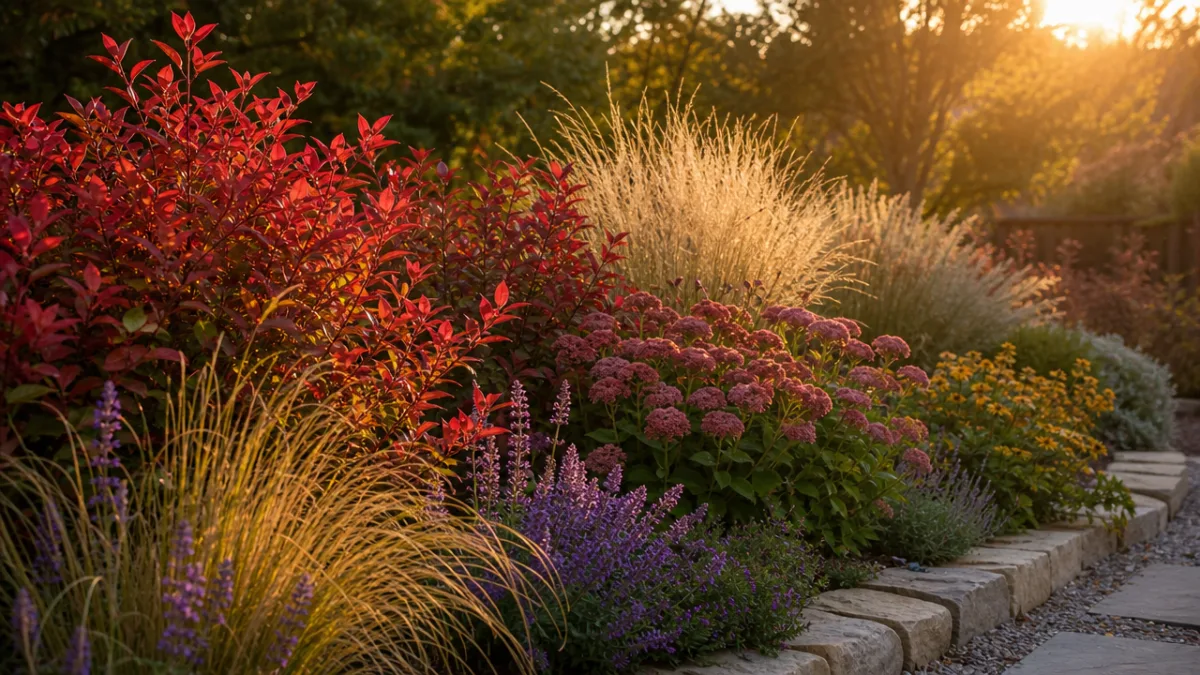
In mixed borders and cottage-style gardens, nandina pairs elegantly with a wide range of companion plants. Some especially effective combinations include:
- Nandina with ornamental grasses such as ‘Karl Foerster’ feather reed grass, whose vertical form echoes the cane-like stems of the shrub while adding movement and texture.
- Nandina with spring-blooming bulbs like daffodils or tulips, which emerge through the low-growing groundcover types and provide a burst of color before the nandina’s summer foliage takes center stage.
- Nandina alongside broadleaf evergreens such as camellias, gardenias, or dwarf hollies for a layered, year-round evergreen composition with contrasting leaf shapes and textures.
- Nandina with native perennials such as black-eyed Susans or coneflowers in regions where nandina’s invasive potential is minimal, creating a naturalistic planting that supports pollinators through the warmer months.
Container gardening is another excellent application for nandina, particularly for gardeners with limited space, patio gardens, or those who want to enjoy the plant’s ornamental qualities without any concern about garden escape. Compact cultivars like ‘Firepower’ or ‘Lemon Lime’ thrive in large decorative pots and can be moved to prominent display positions when their seasonal color is at its peak, then shifted to a less conspicuous spot when less showy. In colder climates where nandina is not reliably winter-hardy in the ground, growing it in containers allows gardeners to move plants to a sheltered, unheated garage or basement during the coldest months, protecting them from temperatures that would otherwise damage or kill them.
Common Problems and How to Solve Them
Despite its reputation for toughness, nandina can occasionally face a handful of pest and disease challenges. Chlorosis — a yellowing of the foliage caused by iron or manganese deficiency — is one of the more common issues, particularly when plants are grown in soils with a high pH that prevents nutrient uptake. The fix is usually straightforward: acidify the soil with elemental sulfur, apply chelated iron as a foliar spray or soil drench, or use an acid-forming fertilizer formulated for plants like azaleas and camellias. Regular soil testing every few years can help identify pH drift before it becomes a visible problem.
Pests that occasionally trouble nandina include scale insects, which appear as small, waxy brown bumps on stems and can cause leaf drop and dieback if populations become heavy. A dormant oil spray applied in late winter before new growth begins is often sufficient to control scale, suffocating the overwintering insects without resorting to harsh chemical pesticides. Aphids may cluster on tender new growth in spring, but beneficial insects such as ladybugs and lacewings typically bring aphid populations under control naturally without intervention. If outbreaks are severe, a strong spray of water from a garden hose or an insecticidal soap application will resolve the problem quickly.
Root rot caused by Phytophthora or other water mold pathogens is the most serious disease concern for nandina, but it is almost entirely preventable through proper site selection and planting practices. Plants that are consistently overwatered, planted in poorly draining soils, or placed in low-lying areas where water collects are most vulnerable. Symptoms include wilting, yellowing foliage, and gradual dieback that does not respond to watering. Unfortunately, once root rot is established, affected plants rarely recover fully, and removal followed by improving drainage before replanting is typically the most practical course of action. Choosing disease-resistant cultivars and prioritizing well-drained planting sites from the outset is the best insurance against this frustrating problem.
Nandina in Cold Climates
Nandina domestica is generally rated for USDA hardiness zones 6 through 9, meaning it can tolerate minimum winter temperatures down to approximately -10 degrees Fahrenheit in its hardiest forms. However, cold hardiness varies considerably among cultivars, and gardeners in zones 6 and 7 should research specific varieties carefully before purchasing. In colder parts of its range, nandina may behave more as a semi-evergreen or even a dieback shrub, losing its foliage in harsh winters but reliably resprouting from the root crown in spring once temperatures moderate.
In regions at or near the limits of its hardiness, a few protective measures can make the difference between a plant that sails through winter unscathed and one that suffers significant dieback. Applying a generous four-to-six-inch layer of shredded bark mulch over the root zone in late fall insulates the soil and protects the roots, which are generally hardier than the above-ground stems. Wrapping young or newly planted nandinas in burlap during particularly cold winters, or positioning them in a sheltered microclimate against a south-facing wall that absorbs and radiates heat, can also extend the plant’s effective range by several degrees. Avoiding late-season fertilization with nitrogen, which stimulates tender new growth vulnerable to early frosts, is another important cold-climate strategy.
Gardeners in zones 5 or colder who are determined to grow nandina should strongly consider the container approach described earlier, which gives them full control over the plant’s winter environment. Alternatively, some gardeners in marginal zones treat nandina as a long-lived annual or biennial, enjoying it for the seasons it performs well before replacing it without regret. The plant’s excellent availability, reasonable price point, and fast growth rate in its first few years make this a viable and budget-friendly approach for those in love with its ornamental qualities but unwilling to commit to the significant effort that full winter protection in extremely cold climates can require.








What do you think?
It is nice to know your opinion. Leave a comment.