










Cornflower Centaurea Pink Ball Flower: A Complete Growing Guide
Introduction to Cornflower Centaurea and the Pink Ball Variety
The Cornflower Centaurea, known scientifically as Centaurea cyanus, is one of the most beloved and recognizable wildflowers in gardens across the world. Originating from the grain fields of Europe and Western Asia, this cheerful annual has been cultivated for centuries both for its striking blooms and its remarkable resilience. The Pink Ball variety, in particular, represents a modern breeding achievement that brings a softer, more romantic palette to what was traditionally a blue-and-purple-dominated genus. With its distinctive pom-pom shaped flowers rendered in delicate shades of blush and rose, it offers gardeners an elegant alternative that pairs beautifully with cottage-style plantings and mixed borders alike.
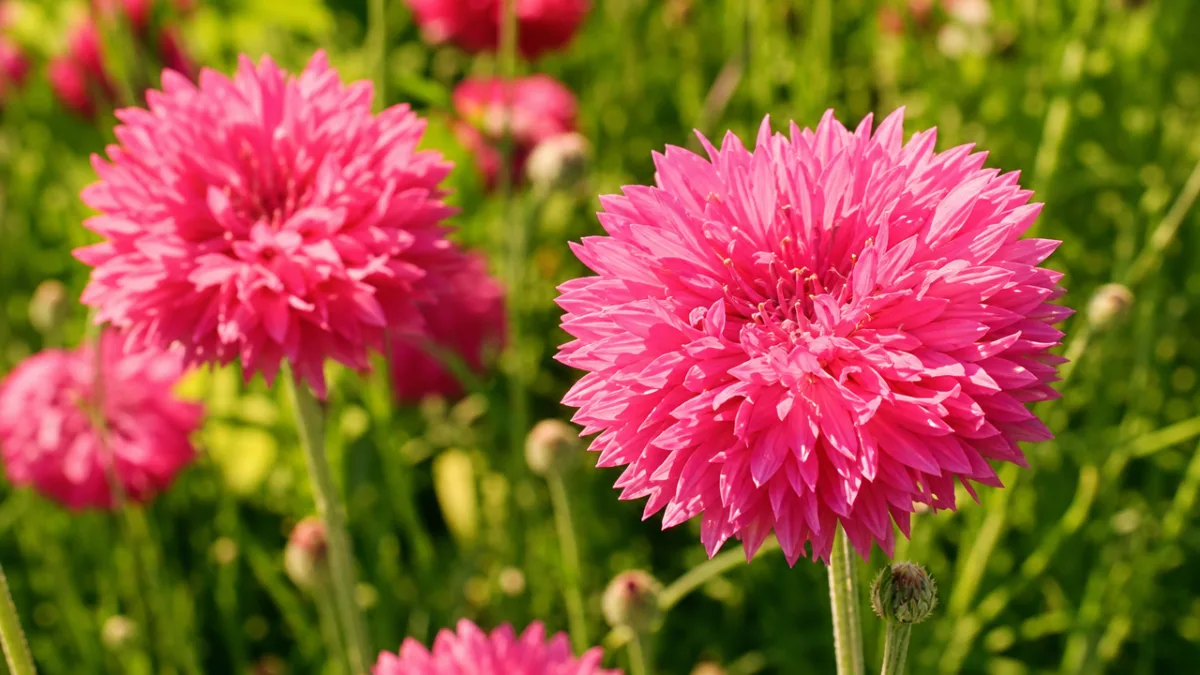
What makes the Pink Ball variety especially appealing is the unusual structure of its blooms. Unlike many conventional cornflowers that feature a flat, rayed appearance, the Pink Ball cultivar produces densely packed petals that form a tight, rounded globe reminiscent of a thistle or a miniature scabiosa. This architectural quality gives the flower a sculptural presence in the garden that draws the eye and provides visual interest even from a distance. The petals are a layered soft pink that deepens toward the center, creating a gradient effect that looks almost hand-painted against a backdrop of silver-green, lance-shaped foliage.
Growing cornflowers from seed is a deeply satisfying experience, particularly for beginner gardeners. Each packet of approximately 80 seeds offers tremendous value, as these plants germinate readily under modest conditions and reward even inexperienced growers with an abundant display of color. The Pink Ball Centaurea is classified as a hardy annual, meaning it can tolerate light frosts and can be sown directly into the ground in early spring or even in autumn in milder climates. Understanding its basic botanical characteristics is the first step toward cultivating a garden full of these enchanting blooms season after season.
Planting and Germination: Getting Started with Your 80 Seeds
Starting your Pink Ball Centaurea from seed is a straightforward process, but timing and technique make all the difference between a modest showing and a breathtaking display. The ideal time to sow seeds outdoors is in early spring, as soon as the soil can be worked and nighttime temperatures remain consistently above freezing. Cornflowers prefer to be direct-sown rather than transplanted, as they develop a taproot early in their growth cycle that can be disturbed by the transplanting process. If you choose to start seeds indoors, do so no more than three to four weeks before your last expected frost date, and handle seedlings with exceptional care when moving them outside.
Prepare your seedbed by loosening the soil to a depth of about 15 centimeters and raking it to a fine, crumbly texture. Cornflowers are notably unfussy about soil composition, but they perform best in well-drained ground with a neutral to slightly alkaline pH. Scatter your seeds thinly across the prepared surface, aiming for spacing of roughly five centimeters between seeds. Cover them with just a light dusting of soil — no more than three to five millimeters — as these seeds require some light to germinate successfully. Water gently using a fine spray to avoid disturbing the seed placement, and maintain consistent moisture throughout the germination period.
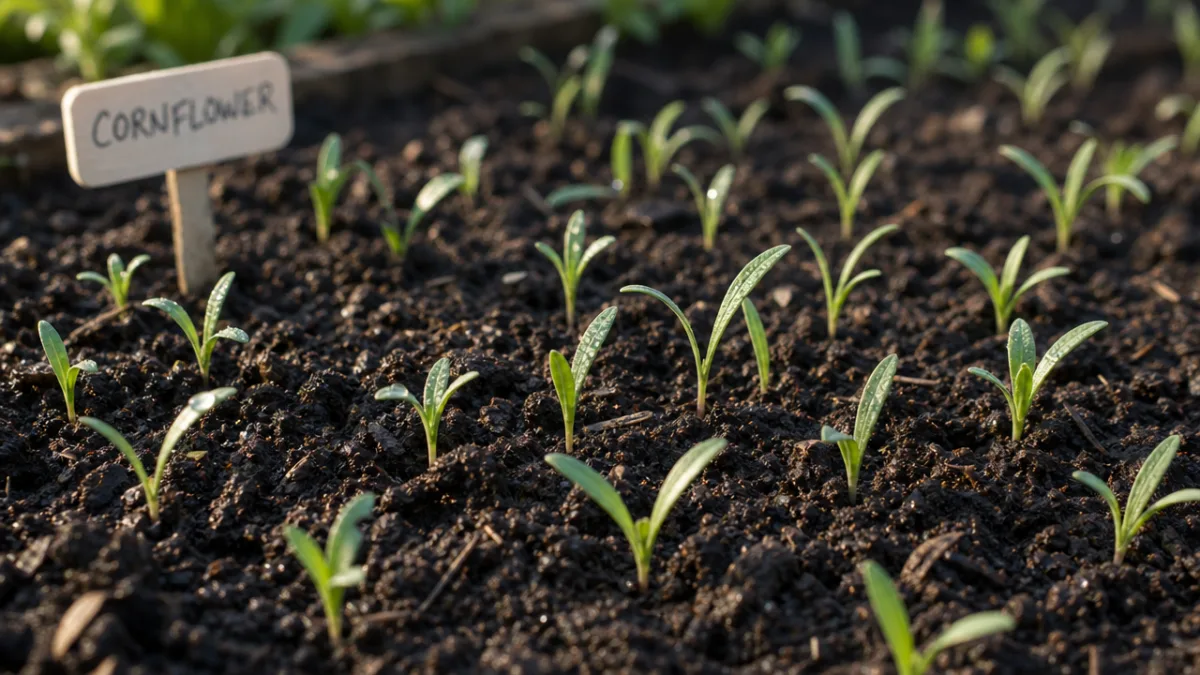
Germination typically occurs within seven to fourteen days under optimal conditions, with soil temperatures between 15 and 20 degrees Celsius producing the fastest and most uniform sprouting. Once seedlings reach a height of approximately five centimeters, thin them to a final spacing of 20 to 30 centimeters apart to allow adequate airflow and root development. This thinning step is critical for the Pink Ball variety in particular, as crowded plants tend to produce smaller, less defined blooms and become more susceptible to fungal issues. The thinnings can be carefully transplanted to fill gaps elsewhere in your garden if handled gently during the process.
For a continuous display of blooms throughout the growing season, consider making succession sowings every three to four weeks from early spring through midsummer. This technique ensures that as one planting reaches the end of its flowering cycle, the next is just coming into its prime. With 80 seeds in a packet, you have more than enough to plan two or even three staggered sowings, giving your garden a rolling wave of pink ball flowers from late spring well into the autumn months.
Soil, Sunlight, and Watering Requirements
The Pink Ball Centaurea is a sun-loving plant that thrives in full sun exposure, requiring a minimum of six hours of direct sunlight each day to produce its characteristic tight, rounded blooms in their best form. Plants grown in partial shade will still flower, but the stems tend to become elongated and floppy as they reach for the light, and the bloom density is noticeably reduced. When selecting a planting site, choose the sunniest spot available in your garden, ideally one that is also sheltered from strong winds, as the tall, slender stems of mature cornflowers can be vulnerable to storm damage without some degree of natural windbreak or the support of neighboring plants.
In terms of soil requirements, Centaurea cyanus is famously adaptable and will tolerate a wide range of conditions that would challenge more demanding species. However, its preference for well-drained, low-to-moderately fertile soil is worth noting, as overly rich conditions can actually work against the gardener’s interests. When soil is too high in nitrogen, cornflowers respond by producing lush, leafy growth at the expense of flower production, resulting in vigorous but bloom-poor plants. Sandy or loamy soils are ideal, and heavy clay soils should be amended with sharp sand or grit to improve drainage. Adding excessive compost or fertilizer is generally unnecessary and counterproductive for this species.
Watering needs are moderate and decline significantly once plants are established. During the first few weeks after germination, consistent moisture is important to support healthy root development, but overwatering at this stage can promote damping-off disease, a fungal condition that causes seedlings to collapse at the soil line. Once plants reach the young adult stage, they are remarkably drought-tolerant and actually prefer to dry out somewhat between waterings. In hot, dry summers, a deep watering once or twice a week is generally sufficient. Watering at the base of the plant rather than overhead helps minimize the risk of fungal leaf diseases, which can disfigure foliage and reduce overall plant vigor.
Caring for Your Plants Through the Growing Season
Once your Pink Ball Centaurea plants are established, their care requirements are pleasingly minimal, making them an excellent choice for gardeners who want maximum impact with minimum intervention. The single most important maintenance task during the flowering season is deadheading — the removal of spent blooms before they set seed. Deadheading performs two critical functions simultaneously: it prevents the plant from diverting its energy into seed production, and it signals to the plant that its reproductive mission is incomplete, encouraging it to produce additional flower buds in a compensatory response. For the Pink Ball variety, which produces its blooms on branching stems, regular deadheading can extend the flowering period by many weeks.
Staking may be required for plants grown in exposed positions or in particularly fertile soils that promote tall growth. The Pink Ball Centaurea can reach heights of 60 to 90 centimeters at maturity, and while the stems are wiry and somewhat resilient, they are not immune to wind damage. Insert thin bamboo canes or grow-through ring supports early in the season before the plants reach their full height, as retroactive staking of already-collapsed stems is rarely fully effective. Alternatively, planting in dense groups of five or more allows the plants to support one another naturally, a technique used by professional garden designers to create the naturalistic, meadow-like aesthetic that suits this species so well.
Fertilizing is generally unnecessary for established cornflower plants growing in reasonable garden soil, but if your plants appear pale and are producing fewer flowers than expected, a single application of a low-nitrogen, high-potassium liquid feed in midsummer can help reinvigorate flowering. Products formulated for flowering plants or tomatoes typically have the appropriate nutrient balance for this purpose. Avoid high-nitrogen general-purpose fertilizers, as these will encourage leafy growth over bloom production. Mulching around the base of plants with a thin layer of fine bark or straw can help retain soil moisture during dry spells and suppress weed competition without creating the excessively rich conditions that cornflowers dislike.
Watch for common pest and disease issues throughout the season. While the Pink Ball Centaurea is generally robust, it can occasionally be affected by the following:
- Aphids: These soft-bodied insects cluster on new growth and flower buds, causing distortion and sticky honeydew deposits. A strong jet of water or an organic insecticidal soap spray is usually sufficient to control minor infestations.
- Powdery mildew: This fungal disease appears as a white, powdery coating on leaves, particularly toward the end of the season. Improve airflow by thinning overcrowded plants and avoid overhead watering to minimize the risk.
- Aster yellows: A phytoplasma disease transmitted by leafhoppers that causes distorted, yellowed growth and deformed flowers. Affected plants should be removed and disposed of, not composted.
- Slugs and snails: These can damage young seedlings at soil level, particularly in wet conditions. Copper tape barriers, crushed eggshells, or iron phosphate pellets can provide effective protection.
Using Pink Ball Cornflowers in Garden Design and Cut Flower Arrangements
The ornamental versatility of the Pink Ball Centaurea makes it an exceptional choice for a wide variety of garden design styles and contexts. In cottage gardens, it mingles naturally with roses, foxgloves, sweet Williams, and nigella to create the lush, informal tapestry of bloom that defines this timeless aesthetic. In more contemporary mixed borders, its structural globe-shaped flower heads provide a pleasing contrast to the softer, more diffuse forms of grasses, catmint, and salvias. It also performs beautifully in dedicated cutting gardens, where its long stems and excellent vase life make it one of the most productive and rewarding annuals a flower farmer or home grower can cultivate.
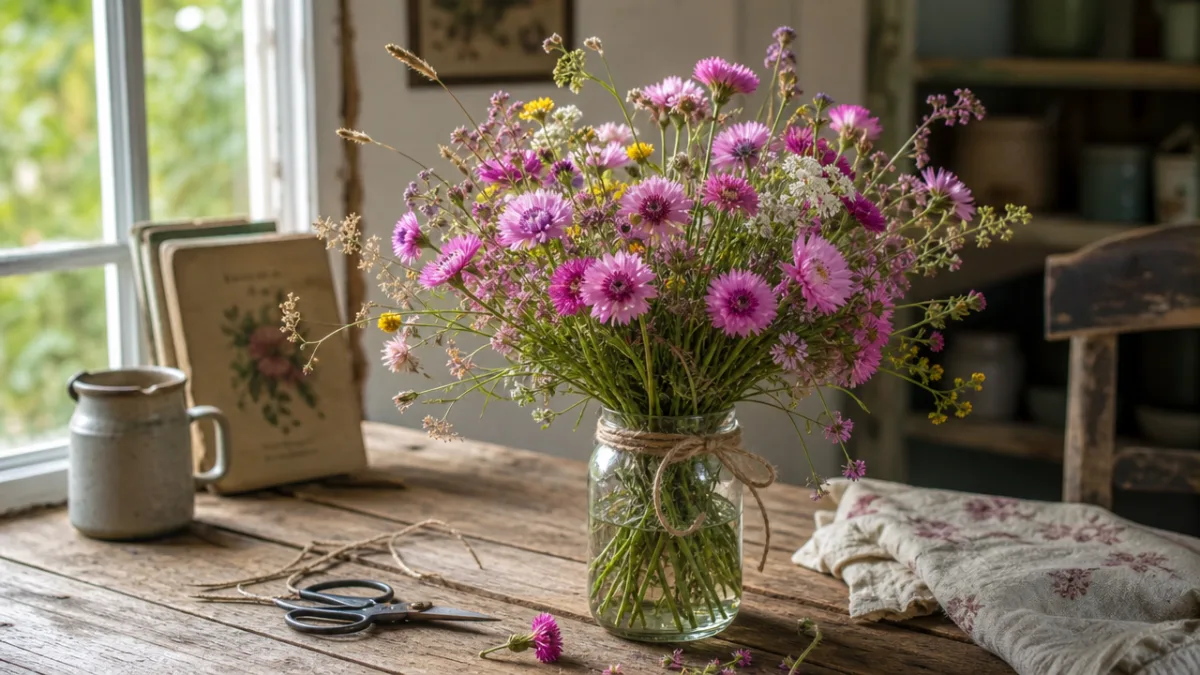
For cutting, harvest Pink Ball Centaurea blooms when they are approximately two-thirds open, as fully expanded flowers tend to shatter and drop their petals more quickly once cut. Cut stems early in the morning when plant tissues are fully turgid with water, and place them immediately into a bucket of clean, cold water. Strip the lower leaves from the stem before arranging to prevent bacterial buildup in the vase water, and add a commercial flower food to extend vase life. Under optimal conditions, cut Pink Ball Centaurea flowers will remain fresh and attractive for seven to ten days, providing excellent value for both home decorators and those selling at farmers markets or to florists.
When planning planting combinations, consider the following partners that complement the soft pink tones of the Pink Ball variety particularly well:
- White Ammi majus (Bishop’s Flower): The lacy, umbellifer flower heads create an airy cloud that perfectly sets off the dense, rounded Centaurea blooms.
- Blue Scabiosa: The contrasting blue-purple tones of scabiosa create a classic, romantic color pairing reminiscent of a traditional English cutting garden.
- Silver Artemisia: The metallic foliage of dusty miller or wormwood provides a luminous backdrop that makes the pink tones of the Centaurea appear even richer and more saturated.
- Pale yellow Achillea: Soft primrose-yellow yarrow provides a warm complementary tone that creates a gentle, summery combination without jarring contrast.
- Deep burgundy Cosmos: The deep wine tones of cosmos create a sophisticated, jewel-toned combination that is particularly effective in late summer garden displays.
The Pink Ball Centaurea also has a distinguished history as a pollinator plant, and incorporating it into gardens designed to support local wildlife is a particularly rewarding use of this versatile flower. The nectar-rich blooms attract an impressive range of beneficial insects, including bumblebees, honey bees, solitary bees, butterflies, and hoverflies. Allowing some plants to go to seed at the end of the season not only provides food for finches and other seed-eating birds but also creates a self-seeding colony that will return reliably year after year without any additional effort from the gardener.
Seed Saving, Self-Seeding, and Sustainable Growing Practices
One of the most appealing characteristics of the Pink Ball Centaurea for ecologically minded gardeners is its propensity for self-seeding. When allowed to complete its natural lifecycle and set seed, this annual will scatter its seeds around the base of the parent plant, creating a naturalized colony that expands gradually over successive seasons. While the offspring of named cultivars like the Pink Ball variety may not breed entirely true to type — occasionally reverting toward the species’ natural blue or purple tones — the resulting seedlings are invariably attractive and contribute to a dynamic, ever-changing garden display. This gentle unpredictability is part of the charm of growing cornflowers in a naturalistic setting.
For gardeners who wish to maintain the specific Pink Ball characteristics in their seed stock, careful hand-selection of the best-colored, most perfectly formed blooms for seed saving is advisable. Allow selected flower heads to remain on the plant until they are completely dry and papery, then carefully snip them off and place them in a paper bag to finish drying indoors. Once thoroughly dry, the seeds can be separated from the chaff by gently rubbing the flower heads between your palms over a clean surface. Store the collected seeds in a labeled paper envelope in a cool, dry, dark location. Properly stored, Centaurea seeds typically remain viable for three to five years.
Sustainable growing practices align naturally with the cultivation of cornflowers, as these plants evolved in field conditions and require none of the chemical inputs that more demanding garden plants might need. Avoiding pesticides wherever possible protects the pollinators that rely on the flowers as a food source, and the plants’ natural drought tolerance means that water consumption can be kept to a minimum in all but the driest summers. Companion planting cornflowers alongside vegetables can help attract beneficial predatory insects that naturally control aphid and caterpillar populations, making them a genuinely productive addition to kitchen gardens and allotments as well as purely ornamental spaces.
The environmental credentials of the Pink Ball Centaurea extend further when you consider its history as a traditional component of wildflower meadow planting schemes. Conservation organizations and rewilding projects across Europe have long used Centaurea species as part of annual wildflower seed mixes designed to support declining pollinator populations and restore biodiversity to agricultural margins and roadside verges. Growing this plant in your own garden is a small but meaningful contribution to this broader ecological effort, connecting domestic gardening practice with the larger project of rebuilding healthy, biodiverse ecosystems in the modern landscape.
Frequently Asked Questions and Troubleshooting Common Problems
Even experienced gardeners occasionally encounter challenges when growing Pink Ball Centaurea, and understanding how to diagnose and address these issues promptly can mean the difference between a thriving planting and a disappointing season. One of the most common questions from new growers concerns the failure of seeds to germinate within the expected timeframe. In most cases, slow or failed germination can be attributed to one of three factors: soil that is too cold, seeds that are buried too deeply, or inconsistent moisture during the critical germination window. Revisiting the sowing conditions and, if necessary, starting a fresh batch of seeds with closer attention to these parameters will usually resolve the issue.
Another frequently reported problem is plants that develop healthy foliage but produce few or no flowers. As discussed in the section on soil and nutrition, excessive soil fertility is often the culprit here, as plants growing in nitrogen-rich conditions prioritize vegetative growth over reproduction. Moving plants to a leaner site, or simply avoiding fertilization entirely in future seasons, typically resolves this imbalance. Plants that are sown too late in the season may also fail to flower adequately before autumn temperatures bring the growing season to a close, reinforcing the importance of adhering to recommended spring or autumn sowing schedules.
Color variation in self-seeded offspring is another question that arises regularly from gardeners who have allowed their Pink Ball plants to set seed naturally. Because Centaurea cyanus is an open-pollinated species with a complex genetic background, seedlings raised from saved or self-sown seed may express different color traits than their parents, including the ancestral blue and purple tones that dominate the wild species. This is not a sign of failure or disease but simply a reflection of the plant’s natural genetic diversity. Gardeners who want consistent pink coloration each season are advised to purchase fresh named-variety seed rather than relying entirely on saved or self-sown stock.
For those growing Pink Ball Centaurea in containers, additional care is required to ensure success, as the confined root environment places greater demands on the gardener’s attention. Use a free-draining, peat-free compost mixed with approximately 20 percent perlite or coarse grit to prevent waterlogging, and ensure containers have generous drainage holes. Container-grown plants dry out more quickly than those in open ground and will require more frequent watering, though it remains important to allow the compost to dry partially between each application. A monthly liquid feed with a flowering plant fertilizer from midsummer onward will help sustain bloom production in containers, where nutrient reserves are more quickly exhausted than in open garden soil.
The Pink Ball Centaurea rewards thoughtful cultivation with one of the most charming and distinctive flower displays available to the home gardener. Whether you are growing it for cutting, for wildlife, for cottage garden charm, or simply for the quiet pleasure of watching something beautiful emerge from a handful of tiny seeds, this remarkable plant delivers generously on every promise. With 80 seeds in each packet and a plant that is as forgiving as it is beautiful, there is every reason to give this exceptional variety a central place in your garden planning for the coming season and many seasons to come.








What do you think?
It is nice to know your opinion. Leave a comment.