










Wallflowers C2C Graph Blanket: A Complete Guide to This Beautiful Crochet Pattern
Introduction to the Wallflowers C2C Graph Blanket
The Wallflowers C2C Graph Blanket is one of the most stunning examples of corner-to-corner crochet artistry available to crafters today. This pattern transforms a simple geometric technique into a breathtaking floral display, with delicate wallflower blooms arranged across a richly textured fabric. Whether you are a seasoned crocheter or someone looking to expand your skills into graphwork, this pattern offers an achievable yet impressive project that results in a truly heirloom-quality piece worth passing down for generations.
Corner-to-corner crochet, commonly known as C2C, is a technique that builds fabric diagonally, working small graphed squares that stack and expand to create a pixelated image effect. The Wallflowers design uses this method brilliantly, allowing the flowers to emerge organically from the mathematical progression of the stitch pattern. Each tiny square of color contributes to the overall picture, much like pixels on a screen, and the cumulative result is a soft, dimensional floral tapestry that appears far more complex than the individual steps required to make it.
What makes this particular blanket so appealing to both beginners exploring graphghan techniques and experienced crafters seeking a satisfying challenge is its versatility. The pattern can be scaled to virtually any size, from a small lap blanket to a generous full-sized throw, by simply adjusting your yarn weight and hook size. The wallflower motif itself translates beautifully across color palettes, meaning you can adapt the design to suit your home décor, gift recipient, or personal aesthetic without altering the fundamental graph structure.
Understanding the C2C Technique
Before diving into the Wallflowers pattern itself, it helps tremendously to understand the foundational mechanics of the corner-to-corner crochet method. C2C begins at one corner of your work, typically the bottom right, and builds outward in diagonal rows. Each row increases by one graphed square until you reach the widest point of your project, after which each row decreases by one square until the opposite corner is complete. This rhythm gives C2C its characteristic diagonal visual flow and creates the satisfying, almost meditative work progression that so many crocheters find addictive.
Each individual square in C2C consists of a small cluster of stitches, most commonly three double crochets combined with chains to create a tidy, compact block. When working a graphghan like Wallflowers, each of these squares corresponds to exactly one pixel on your color graph. To change colors, you simply switch yarns at the appropriate square and carry or cut your working yarn as needed. Many crafters who work graphghans prefer to use bobbins or small yarn butterflies to manage multiple colors simultaneously, particularly in sections of the design where several different hues appear within the same diagonal row.
Reading the graph for a C2C blanket requires a small shift in perspective compared to traditional crochet pattern reading. Rather than working left to right in horizontal rows, you follow the diagonal progression of the chart, alternating the direction you read each row as your work shifts. Odd rows are typically read from right to left and even rows from left to right, though this can vary based on the designer’s instructions. Getting comfortable with this reading method before casting on is highly recommended, and many crocheters find it helpful to print their graph at a large scale and use a row tracker to stay oriented within the design.
Materials and Yarn Selection for Wallflowers
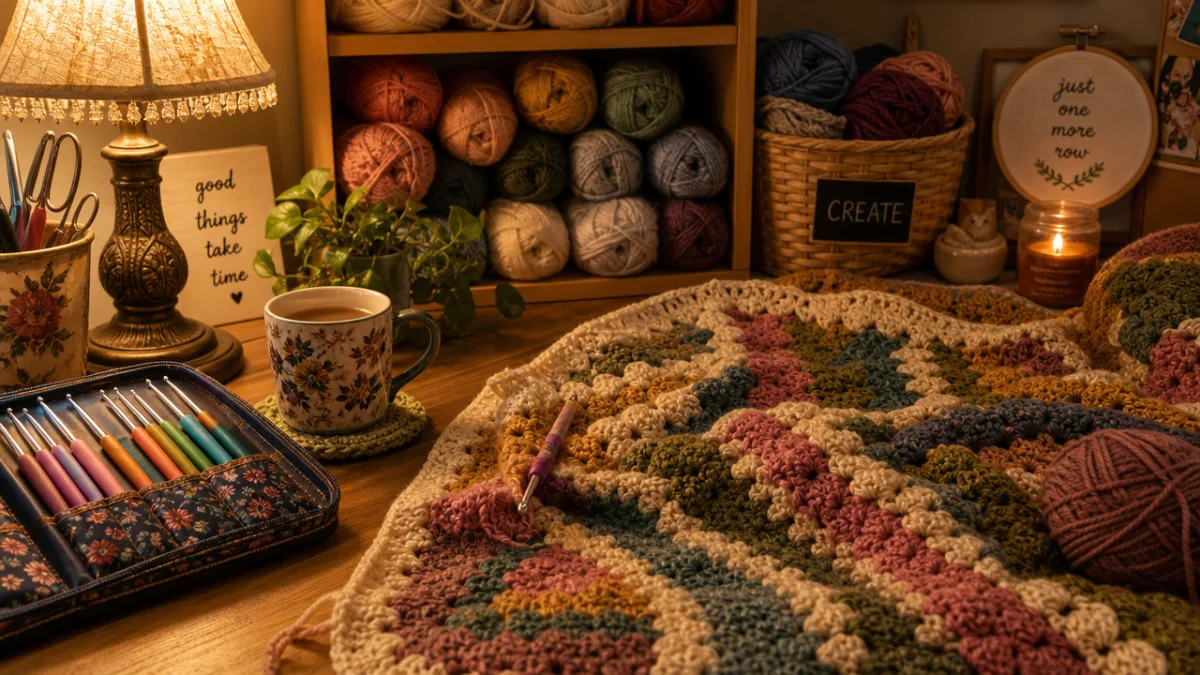
Choosing the right materials for your Wallflowers C2C Graph Blanket is one of the most important decisions you will make before casting on, and the choices you make here will profoundly affect both the working experience and the final result. For graphghan projects, many experienced crocheters recommend worsted weight yarn as an ideal starting point. It is heavy enough to create good stitch definition and a sturdy fabric, yet light enough to remain comfortable to work with over the hours and hours a full-sized blanket requires. Popular yarn brands that perform exceptionally well for C2C graphghans include Lion Brand Vanna’s Choice, Red Heart Super Saver, and Caron Simply Soft.
Color selection for the Wallflowers design deserves careful thought and planning. The pattern typically calls for a background color and several accent shades for the flower blooms, stems, and any additional design elements. Classic choices include a crisp white or soft cream background with blooms in lavender, pink, and sage green, creating a vintage botanical aesthetic that suits almost any home décor style. However, the beauty of this pattern is that it responds wonderfully to bold, contemporary color choices as well. A charcoal gray background with vibrant jewel-toned flowers creates a dramatic, modern look that feels equally fresh and appealing.
Beyond yarn, you will want to gather a few essential tools and notions before beginning your project. A crochet hook sized appropriately for your chosen yarn is obviously essential — for worsted weight, a 5mm or 5.5mm hook is typically recommended, though your personal tension may call for slight adjustments. You will also want a large blunt tapestry needle for weaving in the considerable number of ends a colorwork project generates, stitch markers to help track your progress, and scissors. Many Wallflowers crocheters also recommend having a row counter, either physical or digital, to keep accurate track of where you are within the graph at all times.
When estimating yarn quantities, remember that graphghan projects can consume yarn at varying rates depending on how many color changes occur in any given section. The background color will almost always require the most yardage, often significantly more than any individual accent color. It is always wise to purchase slightly more yarn than you think you need, particularly for the background shade, as dye lot variations between skeins can be noticeable in a finished blanket. Purchasing all your yarn at once from the same dye lot eliminates this concern entirely and saves considerable frustration later in the project.
Step-by-Step Working Instructions
Beginning the Wallflowers C2C blanket follows the same foundational setup as any corner-to-corner project, but attention to your starting corner and graph orientation is critical from the very first stitch. Most C2C patterns begin with a slip knot and a series of chains to create the very first graphed square. For standard C2C, this means chaining six, then working a double crochet into the fourth chain from the hook and the following two chains to complete your initial square of three double crochets. From this tiny starting point, your blanket will grow outward one diagonal row at a time, each row longer than the last during the increase phase.
As you begin incorporating the Wallflowers color graph, you will encounter your first color changes relatively quickly depending on where the floral motifs are positioned within the design. When switching colors in C2C, the change happens at the end of a square rather than at the beginning. You complete the final yarn-over pull-through of your last double crochet in the old color with the new color, then continue working with the new shade. For short color sections, you may choose to carry the inactive yarn along the back of your work, crocheting over it to reduce end weaving later. For longer stretches between color uses, cutting and reattaching is often cleaner and produces a neater finished fabric.
Working through the increase phase of the blanket, your rows will grow progressively longer and more complex as more of the floral graph comes into play. Many crocheters find it helpful to complete the increase phase before evaluating their tension and overall fabric feel, making any necessary hook size adjustments at the halfway point if something seems off. The decrease phase, which mirrors the increase phase in reverse, can feel incredibly rewarding as your rows shorten and the end comes into sight. Throughout this entire process, taking frequent breaks to spread the work out and view the emerging design from a distance helps you catch any errors early and keeps you motivated by the visible progress.
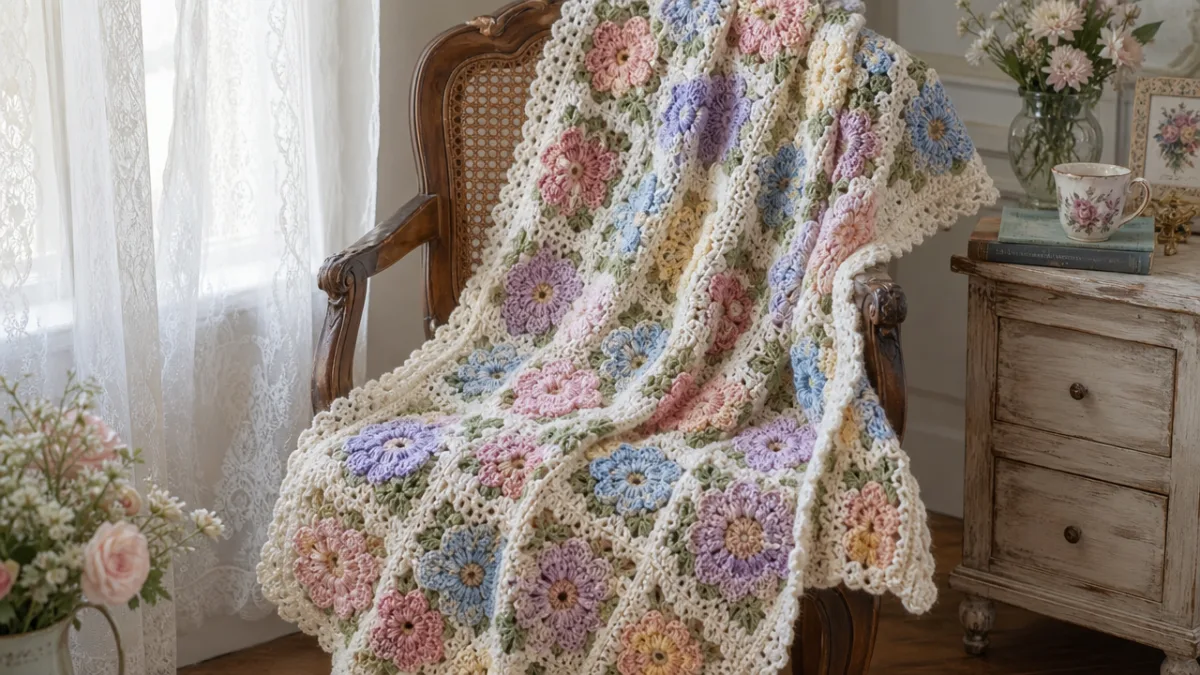
Finishing the blanket properly is just as important as the crochet work itself, and the Wallflowers design benefits enormously from a clean, professional border. A simple single crochet border worked around all four edges stabilizes the diagonal fabric and gives it a polished, intentional frame. Many crocheters choose to add a second round of reverse single crochet, also known as crab stitch, for a slightly more decorative edge. The border also provides an opportunity to incorporate one of your accent colors, perhaps the hue most prominent in the wallflower blooms, for a beautifully cohesive final touch that ties the whole design together.
Tips for Managing Color Changes and Yarn Ends
One of the most common challenges crocheters face when working a graphghan like Wallflowers is managing the sheer volume of yarn ends that color changes generate. A complex graph can produce dozens or even hundreds of ends to weave in by the time you reach the final corner, and if these are not handled carefully, they can create visible bumps or loose threads that detract from the beauty of the finished piece. Developing a consistent strategy for managing ends from the very beginning of your project will save significant time and frustration when it comes to finishing work.
The most popular approach among experienced graphghan crafters is to weave in ends as you go rather than saving them all for the end. Each time you cut and change a color, take a moment to thread that tail onto your tapestry needle and weave it securely through the backs of several nearby stitches before continuing. Some crocheters prefer to weave ends in a zigzag pattern through stitches of matching color, while others use the spit-splice or Russian join methods to eliminate ends entirely when working with feltable animal fiber yarns. Whatever method suits your workflow best, the key is consistency and not allowing the pile of unfinished ends to become overwhelming.
Carrying yarn across the back of the work is another effective technique for reducing end count in sections where a color appears frequently but with gaps between uses. When carrying yarn, crochet over the carried strand as you work your squares, essentially trapping it within the new stitches so it remains secure without needing to be woven in separately. This technique works best when the carried yarn does not need to travel across more than four or five squares, as longer carries can create visible loops or affect the tension of the fabric. Knowing when to carry versus cut and reattach is a judgment call that becomes more intuitive with experience.
Customizing and Scaling the Wallflowers Pattern
One of the greatest joys of working from a graph-based crochet pattern is the extraordinary degree of customization it allows. The Wallflowers C2C graph can be adapted to nearly any size or color scheme imaginable, making it a genuinely flexible pattern that can serve a wide variety of purposes. A smaller version worked in fingering weight yarn with a 3mm hook creates a delicate baby blanket or lap throw, while the same graph executed in bulky weight yarn with a 6.5mm or larger hook produces a thick, cozy bed-sized blanket in a fraction of the time. Understanding how yarn weight and hook size affect the finished dimensions gives you complete creative control over the final product.
Color customization is perhaps the most immediate and impactful way to make the Wallflowers pattern uniquely your own. While the original design likely specifies a particular palette, the graph itself is simply a roadmap of where each color block appears, and there is absolutely nothing stopping you from substituting an entirely different color scheme. Consider the intended recipient and their home décor when making these choices. A nature lover might appreciate deep forest greens and earthy terracotta tones, while someone with a more minimalist aesthetic might prefer a single-color version worked in subtle texture differences using the same hue in different values or finishes.
Beyond color and size adjustments, some advanced crocheters enjoy modifying the graph itself to incorporate additional design elements or personalize the pattern further. Adding a name, date, or monogram to the background of the graph is a popular customization for gift blankets, particularly for weddings, baby showers, or milestone birthdays. Graph paper and free online graphghan design tools make this process accessible even to those without formal design experience. Simply overlay your desired text or additional motif onto the existing Wallflowers graph, taking care that the new elements do not visually compete with or obscure the original floral design.
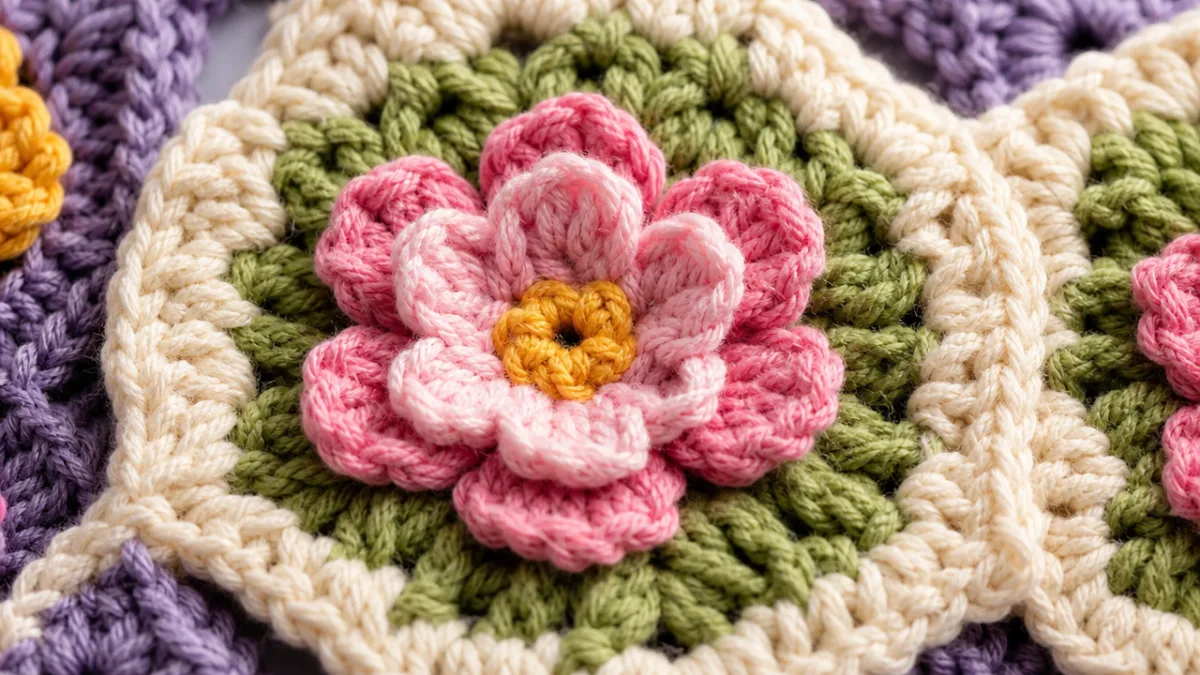
The Wallflowers pattern also lends itself beautifully to interpretation as individual motif squares that could be assembled into a modular blanket, an approach particularly useful for crocheters who prefer working in smaller, portable sections. By working each flower motif as its own small C2C square and then joining them with a contrasting joining yarn, you create a patchwork effect that retains the charm of the original design while offering greater flexibility in the working process. This modular approach also makes it easy to experiment with color placement before committing to a final layout, as you can arrange and rearrange individual finished squares until you find a composition that pleases you.
Caring for Your Finished Wallflowers Blanket
Once your Wallflowers C2C Graph Blanket is complete, understanding how to properly care for it ensures that your investment of time and materials continues to look beautiful for years to come. Care instructions will vary depending on the fiber content of the yarn you selected, and it is essential to follow the guidelines provided on your yarn label rather than applying a one-size-fits-all approach. Acrylic yarns, which are among the most popular choices for graphghan projects due to their wide color range and affordability, are generally machine washable and dryer-safe, making them an excellent practical choice for blankets intended for everyday use or gifting to households with children or pets.
For blankets worked in natural fibers such as wool, cotton, or alpaca, more careful handling is typically required to prevent shrinkage, felting, or distortion. Many natural fiber yarns are suitable for gentle machine washing in cold water on a delicate cycle, but should be laid flat to dry rather than tumbled in a dryer, as heat can cause significant and irreversible shrinkage. Superwash wool yarns have been treated to make them more machine washable, and these are an excellent middle-ground option for crocheters who love the feel and quality of wool but want the practicality of easier care. Always block a finished blanket before gifting or displaying it, as blocking evens out the stitches and helps the C2C fabric relax into its final shape.
Storing your completed blanket properly when it is not in use also contributes to its longevity. Folding it neatly and placing it in a breathable cotton storage bag protects it from dust and light while allowing air circulation that prevents mustiness. Avoid storing blankets in plastic bags or airtight containers for extended periods, as these can trap moisture and create conditions favorable to mildew. For natural fiber blankets, cedar blocks or lavender sachets placed nearby can deter moths without the harsh chemical smell of traditional mothballs. With appropriate care, a well-made Wallflowers C2C blanket can remain a cherished and beautiful textile heirloom for decades to come.








What do you think?
It is nice to know your opinion. Leave a comment.