










Vintage Look Overalls: The Timeless Fashion Statement Making a Modern Comeback
The Rich History of Overalls: From Workwear to Fashion Icon
Overalls have one of the most fascinating origin stories in the entire history of clothing. Originally designed in the mid-nineteenth century as practical, durable workwear for farmers, railroad workers, and laborers, these bib-front garments were built for function rather than fashion. Made from heavy-duty denim or canvas, they were engineered to withstand the demands of hard physical labor, featuring reinforced stitching, deep pockets, and adjustable straps that allowed workers to move freely throughout long days in the field or factory.
By the early twentieth century, overalls had become synonymous with American working-class identity. Brands like Levi Strauss and Lee began mass-producing denim versions that quickly became standard attire across rural America. The Great Depression era cemented their cultural significance, as overalls represented resilience, practicality, and the dignity of honest work. Photographs from this period show families, farmers, and laborers all wearing variations of the same humble garment, giving overalls a deeply human and emotionally resonant place in the American cultural imagination.
The transformation from purely functional workwear to a genuine fashion statement began in earnest during the 1960s and 1970s. Counterculture movements embraced overalls as a symbol of rejection of mainstream fashion norms, and they appeared on everyone from folk musicians to civil rights activists. By the time the 1990s arrived, overalls had fully crossed into mainstream fashion territory, becoming one of the most iconic silhouettes of that decade. Today, vintage look overalls draw from all of these rich historical layers, combining nostalgia with contemporary sensibility in a way that feels both authentic and entirely modern.
What Makes Overalls Look Authentically Vintage
Achieving a genuinely vintage aesthetic with overalls is both an art and a science. The most important factor is fabric quality and character. Authentic vintage-look denim typically features a slightly faded, worn-in appearance that suggests years of use and washing. This can be achieved through stonewashing, acid-washing, or natural fading processes that soften the color and texture of the denim. The goal is to replicate the look of fabric that has genuinely aged, developing the kind of character and patina that mass-produced new clothing simply cannot replicate fresh off the production line.
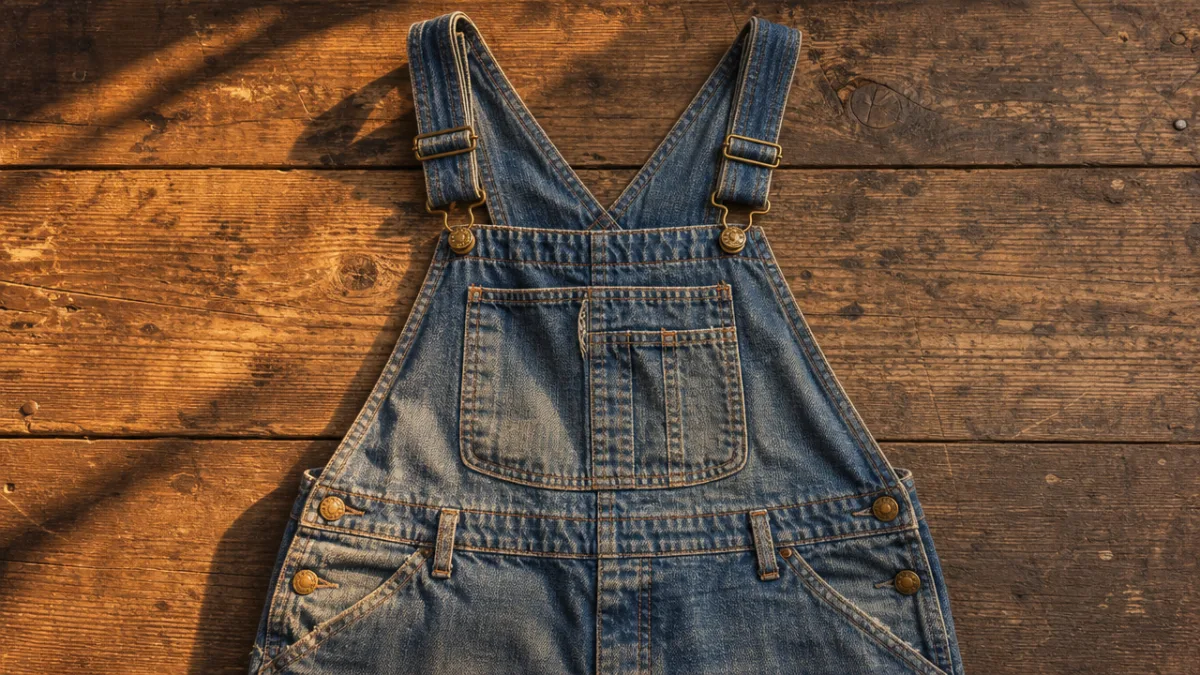
Hardware details play an enormous role in establishing vintage authenticity. Brass or copper-toned rivets, antique-finish buckles on the adjustable straps, and metal buttons rather than plastic fasteners all contribute to the overall impression of age and craftsmanship. Many vintage-inspired overall brands pay meticulous attention to these details, sourcing hardware that matches the aesthetic of garments made decades ago. The stitching color also matters significantly, with orange or gold contrast stitching being a hallmark of classic denim workwear that immediately reads as vintage to the trained eye.
Fit and silhouette are perhaps the most transformative elements in creating a vintage look. True vintage overalls from different eras have distinctly different shapes. The 1940s and 1950s versions tend to run boxy and relaxed, with a wide leg and generous bib. The 1970s brought slightly more tailored options, while the 1990s saw both extremely baggy fits and more fitted versions worn by pop culture icons. Understanding which era you want to evoke helps enormously when selecting or styling your overalls, as the silhouette alone can instantly telegraph a specific decade to those who know what to look for.
Styling Vintage Look Overalls for Different Occasions
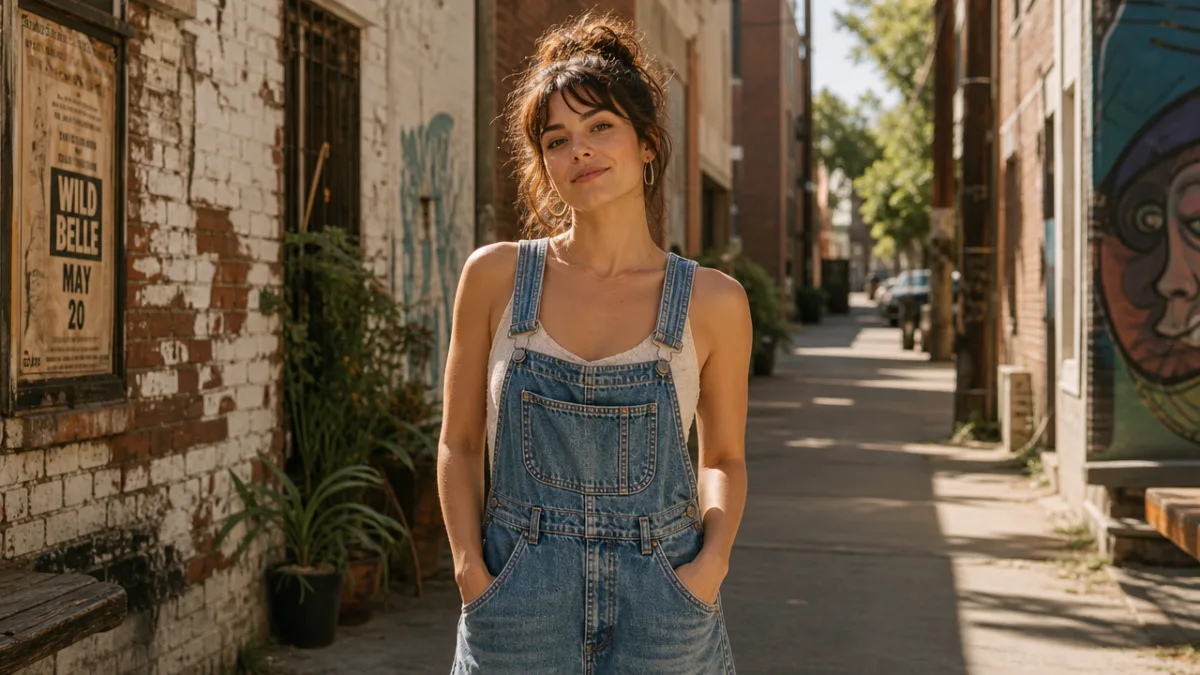
One of the most appealing aspects of vintage look overalls is their remarkable versatility. For a casual daytime look that leans into the rustic, countryside aesthetic, pairing overalls with a simple white or striped cotton tee underneath is an effortlessly charming combination. Rolling up the legs slightly and adding worn leather boots or classic canvas sneakers completes an outfit that feels relaxed and authentic. A straw hat or vintage-inspired cap can amplify the nostalgic quality of the look without feeling costumey or overdone when done with restraint.
Contrary to what some might expect, vintage overalls can be elevated for more polished occasions with thoughtful styling choices. Pairing a fitted, slightly cropped blazer over a silk blouse with a pair of dark-wash vintage overalls creates a sophisticated contrast that feels fashion-forward while retaining the charm of the overall silhouette. Strappy heeled sandals or pointed-toe ankle boots immediately elevate the look, and minimal, elegant jewelry like gold hoops or a delicate chain necklace adds a refined touch without undermining the relaxed energy of the garment itself.
Layering is a particularly effective technique for styling vintage overalls across seasons. In colder months, wearing a chunky knit turtleneck sweater underneath adds warmth and texture while creating a visually interesting interplay between the structured bib of the overalls and the soft, voluminous knit. An oversized flannel shirt, either tucked in at the front or left to hang loosely out one side, creates that quintessential 1990s grunge-adjacent look that continues to resonate strongly in contemporary fashion. The key is always to balance proportions thoughtfully, ensuring that volume in the overall is countered by a slimmer layer, or vice versa.
For those who want to experiment with a more playful and expressive approach to styling, vintage overalls offer enormous creative freedom. Consider leaving one or both straps unclipped and letting them hang down at the sides for a relaxed, effortlessly cool attitude that nods directly to 1990s street style. Experimenting with the bib as a canvas by adding enamel pins, embroidered patches, or even hand-painted details transforms your overalls into a genuinely personal and artistic garment that carries your individual story. This kind of customization is deeply in keeping with the DIY spirit that has always surrounded workwear and vintage clothing culture.
Choosing the Right Vintage Look Overalls for Your Body Type and Personal Style
Finding the perfect pair of vintage look overalls begins with understanding how different cuts and proportions work with your particular body shape. For those with a petite frame, a more fitted or straight-leg cut in a lighter wash tends to create a lengthening effect that prevents the garment from overwhelming smaller proportions. Cropped versions that hit at or just above the ankle are particularly flattering, as they show a sliver of skin that visually elongates the leg. Avoiding extremely baggy or heavily distressed styles can help maintain a cleaner silhouette that looks intentional rather than swamped in fabric.
Taller individuals and those with longer torsos have the luxury of experimenting with a wider range of silhouettes, including the wonderfully exaggerated wide-leg styles that were popular in the late 1960s and early 1970s. These dramatic, palazzo-inspired shapes have a stunning visual impact and photograph beautifully, making them a popular choice among fashion enthusiasts who love a statement silhouette. Adjusting the bib height using the strap hardware allows for a customized fit across the torso, which is one of the genuinely practical advantages of overalls as a garment category.
Beyond body shape, personal style identity should guide your selection process. Consider which era of vintage most resonates with your overall aesthetic sensibility before shopping. Those drawn to Americana and folk aesthetics might gravitate toward heavy canvas or raw denim versions with minimal distressing, while those who love 1990s pop culture nostalgia might seek out lighter-wash denim with intentional distressing and a relaxed, slightly oversized fit. Those inspired by Japanese selvedge denim culture will find incredible options in heritage brands that produce faithful reproductions of early twentieth century workwear using traditional weaving and dyeing techniques.
When evaluating specific garments, pay close attention to the following quality indicators that separate truly well-made vintage look overalls from cheaper imitations:
- Selvedge or ring-spun denim construction, which produces a denser, more durable fabric with a distinctive faded quality that improves with wear and washing over time.
- Reinforced bartack stitching at stress points like pocket corners, strap attachments, and the crotch seam, which indicates quality construction intended to last for years of regular wear.
- Genuine metal hardware including solid brass or bronze buckles and rivets rather than lightweight zinc alloy or plastic alternatives that will tarnish, corrode, or break prematurely.
- A bib pocket with adequate depth and usable dimensions, reflecting the original functional design intent of overalls as working garments built to carry tools and essentials.
- Side adjustment buttons or cinch straps at the waist that allow for a more tailored fit across different body shapes without requiring expensive alterations from a tailor.
The Best Brands and Shopping Sources for Vintage Look Overalls
The market for vintage look overalls spans an enormous range of price points and aesthetic orientations, from accessible high-street brands to premium heritage labels that invest heavily in authentic reproduction techniques. At the accessible end of the spectrum, brands like Dickies have been producing workwear-inspired overalls for decades and remain one of the most reliable sources for affordable garments that carry genuine workwear heritage without the vintage price tag. Their products are widely available and come in a range of fits and colors that make them endlessly versatile as a styling foundation.
For those willing to invest more significantly in quality and authenticity, Japanese heritage brands represent the gold standard of vintage reproduction workwear. Companies like The Strike Gold, Oni Denim, and Sugar Cane have built international reputations for their obsessive attention to historical accuracy in everything from weave construction to hardware specifications. These brands often work with traditional Japanese mills to produce denim using shuttle looms that create selvedge fabric nearly identical to what would have been used in American factories in the early twentieth century. The resulting garments age in ways that mass-produced denim simply cannot replicate, developing unique fading patterns that make each pair genuinely individual.
Thrift stores and vintage markets remain arguably the best places to find authentic vintage overalls at reasonable prices, and the thrill of the hunt is part of their appeal. Goodwill, Salvation Army, and independent thrift stores in agricultural regions often have particularly rich supplies of genuine vintage workwear, as these garments were common in those communities for generations. Online platforms including Etsy, Depop, eBay, and Poshmark have created enormous global marketplaces for vintage clothing, making it possible to find extraordinary pieces from sellers around the world without leaving your home.
Caring for and Preserving Your Vintage Look Overalls
Proper care is essential to maintaining the beauty and longevity of vintage look overalls, particularly those made from genuine selvedge or raw denim. Raw denim, which has not been pre-washed or treated after manufacturing, requires a period of break-in during which the fabric molds to the wearer’s body and begins to develop its characteristic fading patterns. During this initial period, which can last anywhere from three to six months of regular wear, it is generally recommended to avoid washing the garment entirely or to wash it as infrequently as possible to allow the natural fading process to develop properly.
When washing does become necessary, turning overalls inside out and using cold water on a gentle cycle helps preserve both the color intensity and the integrity of the fabric. Harsh detergents can strip the indigo dye from denim too aggressively, resulting in a uniform fade that lacks the nuanced character of naturally worn indigo. Many denim enthusiasts prefer to spot-clean specific areas of visible dirt or staining rather than washing the entire garment, and some even recommend a cold-water soak in a bathtub without any detergent as a gentle cleaning method that refreshes the fabric without disrupting the fading process.
Drying methods are equally important in preserving vintage look overalls. Machine drying on high heat can cause significant shrinkage in denim, particularly in garments that have not been pre-shrunk, and can also weaken the fabric over time through repeated thermal stress. Air drying by hanging overalls from the straps in a well-ventilated space is strongly preferred, and doing so in indirect sunlight can actually contribute positively to the gradual fading process that gives vintage denim its characteristic appearance. Storing overalls by hanging rather than folding prevents unwanted crease lines from developing in areas where the fabric is repeatedly stressed.
Hardware maintenance is a detail that is often overlooked but makes a significant difference in the overall appearance and longevity of vintage look overalls. Brass and copper hardware will naturally develop a patina over time, which many wearers find adds to the authentic aged appearance of the garment. However, if you prefer to maintain the original bright finish of the metal, a very light application of metal polish using a soft cloth applied carefully around the hardware without touching the surrounding fabric will restore the original gleam. Keeping buckles and clips functioning smoothly by occasionally cleaning out lint and debris that accumulates in the mechanism ensures they continue to operate correctly for years of use.
Repair and restoration are integral parts of the vintage clothing philosophy, and approaching your overalls with this mindset will dramatically extend their useful life. Rather than discarding a beloved pair of overalls because of a torn knee, worn bib pocket, or fraying strap, consider whether a skilled tailor or a motivated DIY approach could restore the garment to wearable condition. Visible mending techniques, which deliberately make repairs decorative rather than invisible, are increasingly popular in sustainable fashion communities and can transform a repair into a genuine design feature that adds personality and history to the garment. This philosophy aligns perfectly with the values that vintage clothing represents: respect for craftsmanship, rejection of disposability, and appreciation for objects that carry meaning through time.

Vintage Overalls in Contemporary Culture and Sustainable Fashion
The renewed enthusiasm for vintage look overalls exists within a broader cultural moment defined by a growing awareness of fashion’s environmental impact and a corresponding desire for more sustainable approaches to dressing. Fast fashion’s dominance over the past two decades produced an era of disposable clothing designed to be worn a handful of times before being discarded, contributing to enormous quantities of textile waste and significant carbon emissions. The turn toward vintage and vintage-inspired clothing represents a meaningful countermovement, with overalls serving as a particularly compelling symbol of durability, longevity, and resistance to planned obsolescence.
Social media platforms have played an enormous role in amplifying the visibility and cultural cachet of vintage overalls in contemporary fashion. On Instagram, Pinterest, and TikTok, styling enthusiasts share photographs and videos of their vintage finds and creative interpretations, creating communities of like-minded individuals who celebrate the aesthetics and values of vintage dressing. These platforms have also dramatically expanded access to vintage clothing by connecting buyers and sellers across geographic boundaries, making it possible for someone in a major urban center to purchase a pair of 1970s bib overalls from a small-town thrift store across the country with a few taps on their smartphone screen.
The intersection of vintage overalls with gender-fluid and non-binary fashion represents one of the most exciting dimensions of their contemporary relevance. As a garment with deep roots in functional workwear rather than gendered fashion tradition, overalls have always occupied a relatively neutral space in the wardrobe landscape. This makes them particularly appealing to individuals who reject binary fashion conventions and seek clothing that expresses identity through aesthetic choice rather than adherence to gendered norms. Many contemporary vintage-inspired brands have embraced this quality explicitly, designing overalls in inclusive size ranges and marketing them without reference to gender categories.
Looking forward, the cultural trajectory of vintage look overalls appears robustly positive. Fashion operates in cycles, and the ongoing fascination with twentieth century aesthetics shows no sign of diminishing. If anything, as contemporary culture continues to grapple with questions of sustainability, authenticity, and the meaning of material objects in an increasingly digital world, the appeal of a garment as tangible, durable, and historically resonant as a pair of vintage look overalls will only deepen. Whether worn by a farmer in the 1920s, a folk musician in the 1960s, a teenager in the 1990s, or a fashion-conscious urbanite in the present decade, overalls have demonstrated an extraordinary capacity to absorb and reflect the values and aspirations of each new generation that adopts them.








What do you think?
It is nice to know your opinion. Leave a comment.