










The Ultimate Guide to Market Bag Crochet Patterns: Crafting Your Perfect Mesh Tote
Introduction to Market Bag Crochet: A Timeless Craft Meets Modern Sustainability
Crochet market bags have experienced a remarkable renaissance in recent years, evolving from a humble craft project into a powerful statement of eco-conscious living. As the world increasingly moves away from single-use plastics, the handmade mesh tote has become one of the most sought-after items in the crochet community. These bags are not only beautiful and functional but also represent a meaningful contribution to reducing environmental waste. Whether you are stepping into a farmers’ market, a grocery store, or simply running everyday errands, a hand-crocheted market bag carries with it a sense of pride and purpose that no mass-produced item can replicate.
The beauty of a market bag crochet pattern lies in its remarkable versatility. From tight, structured stitches that hold smaller items securely to open, airy mesh designs that stretch generously to accommodate bulky produce, there is a style to suit every crocheter’s taste and every shopper’s need. Boho-inspired designs with flowing fringe, minimalist nets in neutral cotton yarn, and vibrant color-blocked totes are all achievable with the right pattern guide. This flexibility makes the market bag one of the most rewarding projects you can undertake, regardless of whether you are a seasoned fiber artist or someone picking up a crochet hook for the very first time.
Beyond the environmental benefits, crocheting your own market bag offers tremendous creative satisfaction. There is something deeply gratifying about walking into a store with a bag you made with your own two hands. The craft also connects you to a long tradition of handmade textile work practiced across cultures for centuries. Today, with instant-download PDF patterns readily available, the barrier to entry has never been lower. You can access a complete, professionally designed pattern within seconds and begin your project the very same day, making this one of the most accessible entry points into the world of crochet.
Understanding the Pattern: From Beginner to Intermediate Skills
A well-designed market bag crochet pattern PDF is structured to guide crocheters through every step of the process, from the initial foundation chain to the final finishing touches. The best patterns are written in clear, plain language and include both written instructions and visual stitch diagrams, ensuring that crafters of different learning styles can follow along confidently. For beginners, a good pattern will explain each stitch as it is introduced, while intermediate crafters will appreciate more concise instructions that assume a working knowledge of basic techniques. The instant-download format means you get a printer-friendly document you can annotate, highlight, and refer back to throughout your project.
Most market bag patterns designed for the beginner-to-intermediate range rely on a core set of stitches that are easy to learn but produce visually stunning results. The chain stitch, single crochet, double crochet, and slip stitch form the backbone of virtually every mesh tote design. From these fundamentals, more complex openwork structures emerge — such as the classic chain-space mesh, the shell stitch lattice, and the V-stitch grid — each creating a distinctly different texture and drape. Understanding which stitch combination you are working with before you begin will help you visualize the finished piece and troubleshoot any issues that arise along the way.
Gauge is one of the most critical concepts covered in any quality crochet pattern, and market bag patterns are no exception. Because bags need to be functional as well as beautiful, getting your gauge right ensures that your finished tote will be the correct size and have the right amount of stretch and structure. A pattern that calls for a 4mm hook and worsted-weight cotton yarn will produce a very different result if you substitute a 5.5mm hook and chunky jute. Most patterns include a gauge swatch measurement and strongly encourage crafters to test before committing to the full project. Taking those few extra minutes at the start can save hours of frustration and help you achieve a market bag that performs exactly as designed.
Choosing Your Materials: Yarn, Hooks, and Eco-Friendly Considerations
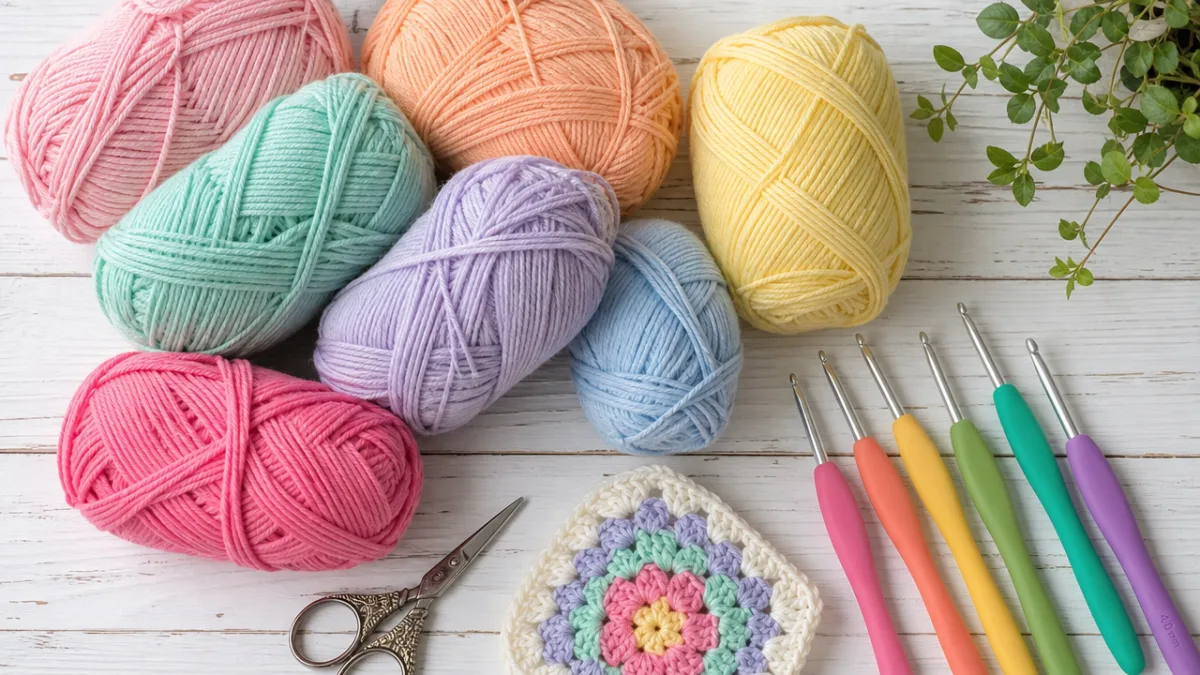
The material choices you make for your market bag will significantly influence both its aesthetic and its functionality. Cotton yarn is overwhelmingly the most popular choice for this type of project, and for good reason. It is strong, washable, naturally breathable, and free of the static and stretch that can make synthetic yarns less than ideal for a bag that needs to hold its shape under the weight of groceries. Organic cotton and recycled cotton options are widely available and take the sustainability story of your handmade bag to an even deeper level, allowing you to feel confident that the full lifecycle of your project aligns with eco-friendly values.
Beyond cotton, a number of other natural fibers lend themselves beautifully to market bag construction. Jute and hemp yarn produce a distinctly rustic, boho aesthetic and are exceptionally durable for heavy loads. Linen yarn is another excellent option, offering a slightly more refined look with a wonderful drape that softens beautifully with use and washing. Some crafters love to blend fibers, combining a base of cotton with thin strands of linen or hemp for a bag that balances form and function. Whichever fiber you choose, look for a yarn with a tight, smooth twist, as this will make it easier to see your stitches clearly and produce a more even, professional-looking finished product.
Hook selection is equally important and often underestimated by those new to crochet. For market bags, most patterns call for aluminum or bamboo hooks in the 4mm to 6mm range. Aluminum hooks tend to glide smoothly through cotton fibers, reducing hand fatigue during longer crafting sessions. Bamboo hooks offer a slightly more friction-forward grip that some crafters prefer for controlling tension. Ergonomic hooks with cushioned handles are a wonderful investment if you plan to make multiple bags or crochet for extended periods. In addition to yarn and hooks, you will typically need a yarn needle for weaving in ends, scissors, and a tape measure or ruler for checking gauge and finished dimensions.
Step-by-Step Overview: How a Market Bag Takes Shape
Most crochet market bag patterns begin at the base of the bag and work upward in rounds or rows, depending on the design. The base is typically a simple oval or rectangle formed by working into both sides of a foundation chain, creating a flat, sturdy starting point from which the walls of the bag will grow. Some patterns use a magic ring or joined chain circle for a round base, which is particularly common in boho-style designs that aim for a slightly more organic, freeform shape. Whichever base construction your pattern specifies, taking the time to get this section right will reward you with a bag that sits flat and opens wide — essential for ease of use during shopping.
Once the base is established, the body of the bag is worked in rounds using the chosen mesh or openwork stitch pattern. This is where the magic of the design truly begins to reveal itself. Row by row, the lacy lattice of the mesh builds upward, and you start to see how the chosen stitch creates its characteristic visual texture — whether that is the elegant diamond grid of a chain-space mesh or the flowing curves of a shell-stitch wave pattern. Most market bag bodies are worked continuously without turning, which creates a seamless tube of fabric that is both neat in appearance and comfortable to carry. Stitch markers placed at the start of each round will help you keep count and maintain an even tension throughout.
The handles are typically the final structural element of the bag and come in several popular forms. Attached handles, worked directly into the top edge of the bag using chains or crocheted straps, are the most common and simplest approach. Some patterns offer the option of extra-long handles for over-the-shoulder carrying, while others produce short tote-style handles that sit in the crook of your arm. A reinforced handle, worked by crocheting over two or three chain strands simultaneously, will stand up to heavier loads without stretching out of shape. Finishing touches such as a slip stitch border along the top edge, decorative tassels, or a crochet button loop closure can all be added according to personal taste and the specific instructions provided in your chosen pattern PDF.
Here is a general overview of the construction sequence found in most market bag crochet patterns:
- Foundation: Create a starting chain of the specified length and join into a ring, or work into both sides of the chain to form an oval base.
- Base rounds: Work several rounds of single or double crochet to build a firm, flat base that will support the weight of the bag’s contents.
- Body mesh: Transition into the openwork stitch pattern and work the specified number of rounds until the bag reaches the desired height.
- Top border: Add a clean finishing row of single crochet or slip stitch around the top opening to stabilize the edge and provide a neat attachment point for the handles.
- Handles: Work the straps using the pattern’s specified method, attaching securely at both ends and reinforcing if needed.
- Finishing: Weave in all yarn ends with a tapestry needle, block the bag if required, and add any decorative embellishments.
Caring for Your Handmade Market Bag: Longevity and Sustainability
One of the greatest advantages of a hand-crocheted cotton market bag over its disposable plastic counterpart is its extraordinary durability when properly cared for. A well-made cotton tote can last for years, even decades, with the right maintenance routine. Most cotton and natural fiber bags are machine washable, which makes cleaning straightforward and convenient. However, washing in cold water on a gentle cycle will preserve the integrity of the fibers and the structure of the stitches far better than hot washes, which can cause shrinkage and weakening of the yarn over time. Using a mild, eco-friendly detergent completes the cycle of sustainability that began when you chose to make rather than buy your bag.
Drying your market bag correctly is just as important as washing it gently. Laying the bag flat on a clean towel and reshaping it while damp is the most reliable method for preserving the bag’s original dimensions. Hanging a wet crocheted bag can cause the stitches to stretch unevenly under the weight of the water-saturated yarn, resulting in a misshapen tote that no longer sits properly. Avoid tumble drying whenever possible, particularly on high heat settings, as this can shrink natural fibers significantly and cause the yarn to felt, drastically altering the open mesh structure that gives the bag its characteristic look and functionality. Air drying flat is the gold-standard approach endorsed by most yarn manufacturers and crochet designers.
Storing your market bag when not in use is simple but worth considering, especially if you own several handmade totes. Rolling or folding the bag loosely and keeping it in a cool, dry place away from direct sunlight will prevent color fading and fiber degradation over time. Natural fibers like cotton and linen are susceptible to mildew if stored while damp, so always ensure your bag is completely dry before putting it away. A cedar block or lavender sachet stored nearby can help deter moths and other pests that are attracted to natural fibers. With this minimal level of care, your handmade market bag will remain a beautiful and functional companion for countless shopping trips to come.
The Boho Aesthetic and the Cultural Legacy of Handmade Bags
The bohemian, or boho, design sensibility that characterizes so many popular market bag crochet patterns is not merely a passing trend — it is the expression of a deeply rooted cultural appreciation for handcrafted, natural, and intentional objects. The boho aesthetic celebrates texture, organic forms, earthy color palettes, and the visible evidence of human craftsmanship. A crocheted mesh tote, with its irregular handmade quality, its natural cotton or jute fiber, and its open lacework design, embodies all of these values simultaneously. It is a functional object that doubles as a work of art, and this duality is central to why these bags have captured the imagination of so many crafters and shoppers around the world.
Historically, netted and knotted carrying bags have appeared in virtually every culture across the globe. From the avocat bags of the Mexican coast to the traditional string bags of Papua New Guinea and the woven jute carriers of South Asia, human beings have been crafting open-mesh containers for carrying food and goods since ancient times. The modern crochet market bag sits comfortably within this vast, global tradition, drawing on centuries of accumulated textile knowledge while adapting it to contemporary aesthetics and materials. When you crochet a market bag from a pattern PDF, you are not simply following a set of instructions — you are participating in one of humanity’s oldest and most universal creative practices.
The popularity of the boho market bag in today’s craft culture also reflects a broader social movement toward mindful consumption and handmade living. In an era dominated by fast fashion and disposable convenience products, the deliberate act of making something with your hands — choosing quality materials, investing time and skill, producing an object built to last — is a quiet but powerful form of resistance. Sharing your finished bag on social media, gifting it to a friend, or simply carrying it to the market every week sends a message about the values you hold. The market bag crochet pattern, humble as it may appear, is thus a small but meaningful vehicle for a much larger conversation about sustainability, creativity, and the kind of world we want to build together.
Tips for Success: Getting the Most from Your PDF Pattern
Working from a digital PDF pattern for the first time can feel slightly different from following a printed book or magazine, but with a few simple strategies you can make the experience smooth and enjoyable. Begin by reading the entire pattern from start to finish before picking up your hook and yarn. This overview reading will familiarize you with the structure of the project, alert you to any techniques you may need to look up in advance, and help you understand how all the pieces fit together. Many crafters also find it helpful to print the pattern and keep a physical copy on hand for easy reference, annotating as they go with personal notes about tension adjustments or modifications.
Joining an online crochet community or group dedicated to the specific pattern you are working on can transform a solitary crafting experience into a richly collaborative one. Many pattern designers maintain active communities on platforms such as Ravelry, Instagram, and Facebook, where crafters share progress photos, ask questions, and offer tips and modifications. These communities are invaluable resources for troubleshooting problems, finding inspiration for color choices, and celebrating your finished object alongside others who understand exactly what went into making it. If you encounter a stitch or technique that is new to you, a quick video tutorial search will almost always provide the visual demonstration you need to move forward with confidence.
Finally, do not underestimate the value of making your first market bag in an inexpensive practice yarn before investing in premium materials. Cotton yarn comes in a wide range of price points, and a budget-friendly option from your local craft store is perfectly adequate for a first attempt. Working through the pattern once with low-stakes materials allows you to identify any areas of confusion, practice unfamiliar stitch combinations, and make any size adjustments before committing your best yarn to the project. Your second bag — made with the beautiful organic cotton or hand-dyed fiber you have been saving for a special project — will benefit enormously from the experience you gained on the first. This iterative approach is practiced by experienced crafters at every skill level and is one of the most reliable paths to a truly beautiful finished result.
Here are some key tips to keep in mind as you work through your market bag pattern:
- Read before you stitch: Always read the full pattern before beginning to avoid surprises mid-project.
- Swatch your gauge: Spend ten minutes making a gauge swatch to ensure your finished bag will be the correct size.
- Use stitch markers: Place markers at the beginning of each round to keep your count accurate and your work aligned.
- Block your finished bag: Wet blocking a completed cotton bag helps even out stitches and opens up the mesh for a polished professional appearance.
- Join the community: Connect with other crafters working the same pattern for encouragement, inspiration, and practical advice.
- Embrace imperfection: Slight variations in tension and stitch evenness are natural in handmade work and part of what makes your bag uniquely yours.








What do you think?
It is nice to know your opinion. Leave a comment.