










Crochet These in 30 Minutes: Quick and Adorable Projects for Every Skill Level
Introduction: The Magic of Fast Crochet Projects
There is something deeply satisfying about sitting down with a hook and some yarn and walking away thirty minutes later with a finished object in your hands. Fast crochet projects have become increasingly popular among crafters of all experience levels, and it is easy to understand why. Whether you are a seasoned maker looking for a quick creative boost or a beginner who wants to build confidence without committing to a weeks-long project, thirty-minute crochet patterns offer the perfect balance of challenge and reward.
The beauty of quick crochet lies not just in the speed but in the versatility these small projects offer. A simple pattern repeated a dozen times becomes a skill you own completely. Your tension improves, your hook movement becomes fluid and instinctive, and before long you are cranking out adorable finished pieces faster than you ever thought possible. That sense of momentum is genuinely addictive, and many long-term crocheters trace their deep love of the craft back to the first time they completed something small and sweet in a single sitting.
Beyond personal satisfaction, quick crochet projects are incredibly practical. They make wonderful handmade gifts that feel personal and thoughtful without requiring weeks of labor. They are perfect for using up leftover yarn from larger projects, which means your stash slowly shrinks while your gift basket grows. They travel well, fitting into a small pouch that slips into any bag. In this article, we will walk through the best thirty-minute crochet projects, the materials you need, beginner-friendly techniques, styling ideas, and tips for making the most of every short crafting session you can carve out of a busy day.
Why Quick Projects Matter for Your Crochet Journey
Completing a project, no matter how small, sends a powerful signal to your brain. The sense of accomplishment you feel when you hold a finished crochet piece reinforces the habit of picking up your hook every day. Psychologists who study habit formation often point to small wins as the engine that drives long-term commitment to any skill. When you finish a tiny crocheted flower or a quick scrunchie in under half an hour, that little win makes you more likely to sit down and crochet again tomorrow and the day after that.
Quick projects also serve as excellent warm-up exercises before tackling more complex work. Just as a musician runs through scales before a performance, crocheting a simple round granny square or a small heart appliqué before starting a complicated garment helps your hands remember their rhythm and your mind settle into the meditative flow state that experienced crafters describe so often. The repetitive motion of simple stitches is genuinely calming, and approaching that state quickly through a familiar short project can make the transition into harder work much smoother.
The Best 30-Minute Crochet Projects to Try Today
When we talk about projects that can realistically be completed in thirty minutes, we are looking at small items that use basic stitches and require minimal shaping. The most popular options include scrunchies, hair bows, small flowers, ear warmers worked in bulky yarn, keychains, bookmark tassels, tiny stuffed hearts, and simple rings. Each of these projects typically requires no more than a few yards of yarn, a single hook size, and a basic understanding of chains, single crochets, or double crochets.
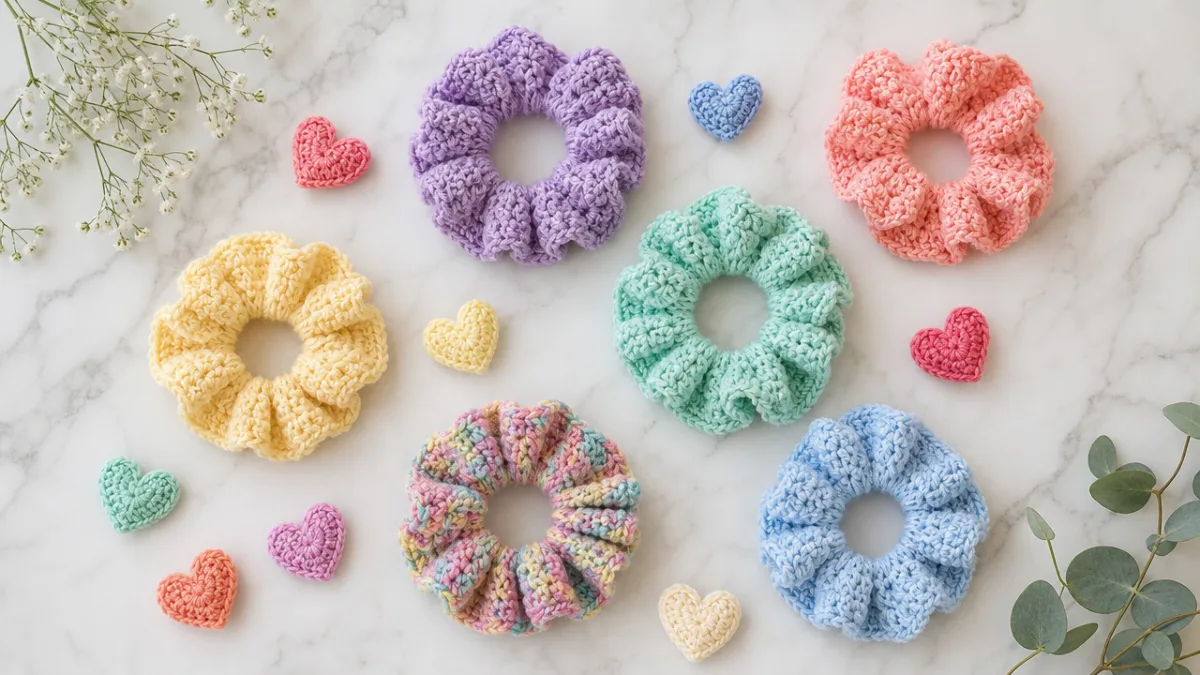
Crocheted scrunchies have taken social media by storm for good reason. They are genuinely fast, require about fifteen yards of yarn in a worsted or bulky weight, and the finished result looks polished and intentional. A basic scrunchie pattern involves crocheting a foundation chain around a hair tie and then working single crochets or half double crochets into each chain stitch until the elastic is covered in a ruffled, textured fabric. The whole process from setup to finish knot takes most people between twenty and thirty minutes once they have made one or two to get a feel for the tension.
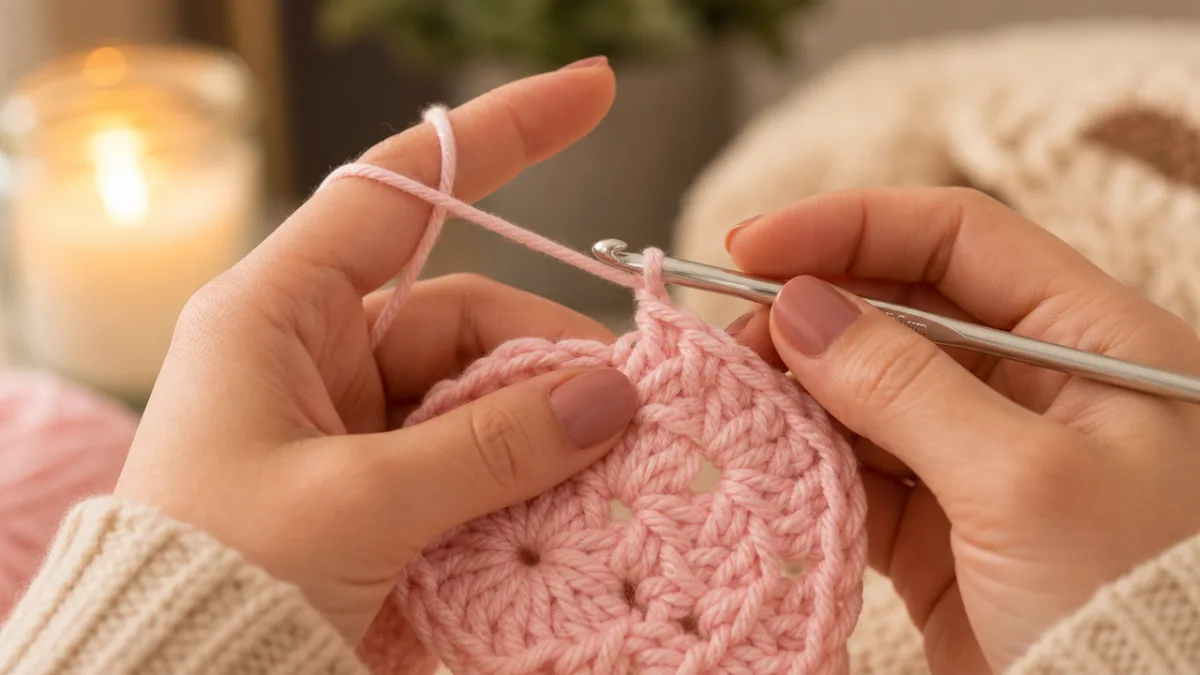
Tiny crochet flowers are another outstanding choice. A basic five-petal flower can be completed in under fifteen minutes, which means you could make two or three in a single short session. These flowers work beautifully as appliqués on hats, bags, and cardigans. They can be glued onto hair clips, sewn onto headbands, or used to embellish a simple crochet bookmark. The pattern for a basic flower typically requires only a magic ring, some single crochets worked into it, and then a series of chain arches with single crochets to form the petals. Even a complete beginner can master this in one sitting.
- Crochet Scrunchies: Use bulky or chunky yarn with a 5mm or 6mm hook for fast, squishy results that look boutique-worthy.
- Mini Hearts: A crocheted heart worked flat takes about ten to fifteen minutes and makes a perfect gift tag or keychain charm.
- Ear Warmers: With super bulky yarn and a 9mm or larger hook, a simple rectangle ear warmer seamed into a headband can be done in under thirty minutes.
- Bookmark Tassels: Crochet a short strip of single crochets, add fringe, and you have a charming handmade bookmark in minutes.
- Rings and Bracelets: A small chain ring finished with slip stitches and embellished with a small flower or shell stitch accent is a delightful quick project.
Materials and Tools You Need for Quick Crochet Success
One of the reasons quick crochet projects are so accessible is that they require very little in the way of supplies. You do not need an entire yarn store in your craft room to get started. For most thirty-minute projects, the essentials come down to a few hooks in the most common sizes, a small selection of yarn in weights that work up quickly, a tapestry needle for weaving in ends, scissors, and a few stitch markers if you enjoy working in the round. That is genuinely all it takes to make something beautiful.
Yarn weight makes an enormous difference in how quickly a project comes together. For the fastest results, reach for bulky (weight 5) or super bulky (weight 6) yarns when the project allows. These yarns are thick enough that each stitch covers a lot of ground quickly, and you will notice dramatic progress within just a few rows or rounds. For smaller, more delicate projects like rings, flowers, or fine bookmarks, a sport or DK weight yarn gives you more detail and flexibility. Having a range of weights on hand means you are always prepared to start a new quick project without a trip to the yarn shop.
Hook quality matters more than many beginners realize. Ergonomic hooks with soft rubber or silicone handles are worth the small additional investment because they reduce hand fatigue dramatically. When you are working quickly through a short project, the repetitive motion is intense even over just thirty minutes. A hook that fits comfortably in your hand allows you to maintain consistent tension without cramping, which produces neater, more even stitches throughout your work. Brands like Clover Amour, Furls, and Tulip are widely beloved in the crochet community for exactly this reason.
Building a Quick-Project Yarn Stash
Smart yarn selection is the secret weapon of any prolific quick crafter. Rather than buying yarn project by project, consider maintaining a small dedicated stash of remnant skeins specifically for thirty-minute makes. Every time you finish a larger project and have leftover yarn, wind it into a small cake and store it in a clear container or basket labeled for quick projects. This practice means you always have something ready to go when you sit down with twenty or thirty minutes to spare, and it keeps your stash from becoming overwhelming.
Cotton yarns deserve a special mention for quick summer projects. Cotton is heavier and less stretchy than acrylic or wool, which makes it ideal for scrunchies, bookmarks, and market bag accents. It also washes beautifully and holds its color over time, which matters a great deal for items like hair accessories that see frequent washing. Cotton yarn does work up slightly more slowly than wool due to its lower elasticity, but the finished results have a clean, crisp look that many people prefer for smaller, detailed items where stitch definition is important and visible.
Step-by-Step Beginner Tips for Fast, Clean Results
Even with a simple pattern, beginners often find that their first attempt takes longer than the stated time, and that is completely normal. The thirty-minute benchmark assumes a comfortable familiarity with the stitches involved. As a new crocheter, give yourself permission to take fifty minutes or even an hour on your first attempt. The second time you work the same pattern, it will be noticeably faster. By the third time, you will likely hit that thirty-minute window or come close to it, because your hands have learned the sequence and no longer need to pause and think through each step.
Reading a pattern before you begin is a practice that saves enormous amounts of time mid-project. Before you pick up your hook, read through the entire pattern once from start to finish. Note any abbreviations you are not sure about, count how many of each type of stitch you will need, and make sure you understand the construction sequence. This preview process takes only two or three minutes but prevents the frustrating interruptions of having to stop and decode instructions while your hands are mid-stitch, which breaks your flow and adds significant time to the total.
Tension is the single most common challenge for crocheters working quickly. When people rush, they often grip their yarn too tightly or allow their hook to angle in a way that produces uneven stitches. A useful trick is to pause after your first few rows and hold your work up at arm’s length to check that the stitches look even and the fabric lies flat without curling or puckering. If something looks off, address it early rather than hoping it works itself out. Ripping back and restarting two rows takes far less time than trying to fix problems once you are halfway through a piece.
Finishing Techniques That Make Your Work Look Professional
The difference between a homemade-looking crochet project and a polished, professional one often comes down to finishing. Weaving in your ends carefully and securely is the single most important finishing step. Rather than simply tucking the yarn tail under a few stitches, weave it in one direction and then double back in the opposite direction. This technique locks the tail in place so firmly that it will not work loose even after repeated washing and wearing. Taking an extra two or three minutes on this step transforms the overall appearance of any project significantly.
Blocking, even for small items, can make a visible difference. Wet blocking involves gently soaking your finished piece in lukewarm water, pressing out the excess moisture in a clean towel, and then pinning the piece to its correct shape on a foam mat or folded towel while it dries. For small flowers, hearts, and appliqués, even a light steam block using a handheld steamer or a damp pressing cloth and iron will open up the stitches and give the piece a crisp, intentional look that unblocked crochet rarely achieves. This step adds only a few minutes of active work, though drying time varies.
Creative Ways to Use and Gift Your Quick Crochet Makes
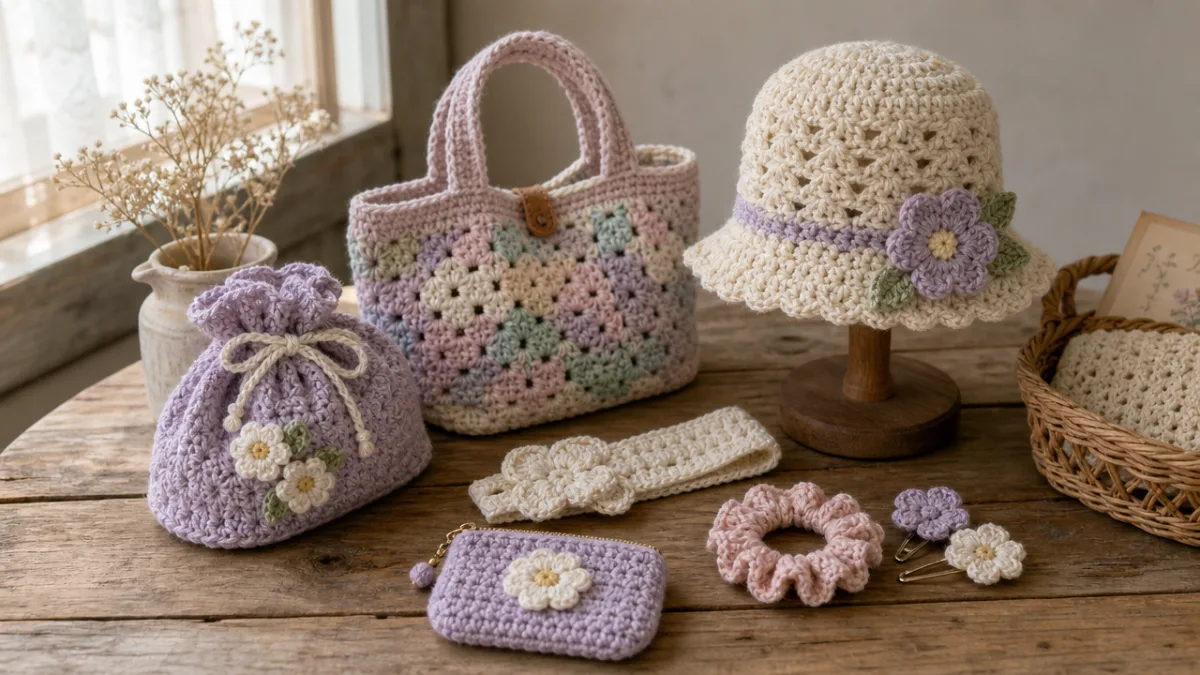
One of the greatest joys of producing a steady stream of small crochet projects is discovering how many wonderful uses they have. A collection of twenty or thirty crocheted flowers can be arranged into a stunning wall hanging or a garland for a nursery or party. A set of matching scrunchies in coordinating colors becomes a beautiful gift set for a friend or family member. Tiny crocheted hearts can be used as gift tags tied to packages with twine, doubling as both decoration and a personalized note card that the recipient will want to keep long after the wrapping paper is gone.
Crocheted items also make excellent additions to handmade cards and letters. A small flower or heart glued to the front of a greeting card adds a dimensional, tactile element that printed cards simply cannot replicate. Many crochet enthusiasts who also enjoy paper crafting have started combining their hobbies in exactly this way, attaching small crocheted motifs to birthday cards, thank-you notes, and holiday cards. The recipient experiences the card as something genuinely special and hand-crafted rather than a mass-produced item pulled from a rack, which deepens the emotional impact of the gesture considerably.
If you find yourself accumulating more quick crochet projects than you know what to do with personally, consider selling them at local craft fairs or through an online shop. Small crocheted items are among the best-selling handmade goods at markets because their price point is accessible to nearly every buyer, they are lightweight and easy to transport, and they photograph beautifully for social media and online listings. A table displaying a colorful array of scrunchies, bookmarks, keychains, and flower clips draws attention effortlessly, and the low materials cost means even modest pricing yields a comfortable margin.
Building a Crochet Community Around Fast Patterns
Social media platforms, particularly Pinterest, Instagram, and TikTok, have transformed how crochet enthusiasts share and discover quick patterns. The hashtag ecosystem around crochet is enormous and enthusiastic, with creators sharing time-lapse videos of thirty-minute makes that consistently attract hundreds of thousands of views. Engaging with this community by sharing your own quick project photos, tagging them with relevant crochet hashtags, and commenting thoughtfully on others’ work is a wonderful way to build connections with fellow crafters who share your enthusiasm for fast, satisfying makes.
Crochet-alongs, known as CALs, are a popular format in the community where a designer releases a pattern in stages over a set period and makers work through it simultaneously, sharing progress photos and supporting one another through challenges. While CALs are often associated with larger projects like blankets or garments, there is a growing trend of thirty-minute CALs where a simple pattern is released and participants challenge themselves to complete it in real time and share their results. These events are lively, encouraging, and a fantastic way to discover new techniques and color combinations through other people’s creative interpretations of the same basic pattern.
If you have been crocheting for any length of time and feel ready to give back to the community that has given you so much inspiration and joy, consider writing and sharing your own quick patterns. Documenting a pattern you have developed through trial and error is a generous act that helps newer crafters and builds your reputation as a thoughtful and skilled maker. Free patterns shared online generate goodwill and drive traffic to your profile or shop, creating a virtuous cycle where your generosity ultimately supports your creative endeavors and deepens your connection to a global community of people who love making beautiful things with their hands just as much as you do.
Making the Most of Your Crochet Time: Habits and Mindset
The single most common reason people do not crochet as much as they would like is not lack of interest or skill but rather the mistaken belief that crafting requires a long, uninterrupted block of time. In reality, thirty minutes is genuinely enough to complete something wonderful, and even shorter sessions of ten or fifteen minutes can be used to make meaningful progress on a slightly larger quick project. Shifting your mindset from thinking of crochet as something you do when you have time to thinking of it as something you make time for, even briefly, is transformative.
Creating a dedicated crochet kit that lives in a convenient, accessible spot in your home removes the friction of getting started. When your hook, yarn, pattern, and scissors are all together in a small bag or basket, you can be stitching within thirty seconds of sitting down. Compare this to the experience of having to hunt through a craft room for the right hook size or untangle a skein from the bottom of a storage bin, which can eat up ten or fifteen minutes of a thirty-minute window before you have made a single stitch. Preparation is not procrastination; it is the infrastructure that makes quick, consistent crafting possible.
Finally, give yourself the gift of celebrating your finished objects. Photograph them, display them, wear them, give them away with genuine pride in what your hands made. The crochet community is wonderfully enthusiastic and encouraging, and sharing your work invites connection and positive feedback that reinforces the joy of making. Every scrunchie, every tiny flower, every little heart you complete in thirty minutes is evidence of your skill, your creativity, and your commitment to carving out space for something beautiful in the midst of ordinary life. That is something genuinely worth celebrating, one quick stitch at a time.
Setting Up a Simple Crochet Routine
Routines work because they reduce the mental energy required to begin any activity. If you crochet at the same time every day, even for just thirty minutes, your brain begins to expect it and prepare for it, which means you slide into a focused, productive state much more quickly than you would if you crocheted only sporadically. Many dedicated crafters find that the early morning, just before the rest of the household wakes up, or the evening wind-down period after dinner are ideal for this kind of short, consistent practice. The key is choosing a time you can protect reliably.
Tracking your projects, even informally, adds another layer of motivation. A simple journal where you note the date, the project name, the yarn and hook used, and a brief note about what you learned creates a satisfying record of your progress over time. Looking back through months of entries and seeing dozens of completed quick projects is a powerful reminder of how consistent small efforts accumulate into real expertise. Some crocheters also keep a physical display, such as a decorative jar where they drop a completed project or a small note about it, watching the container fill up as a visual representation of their creative output.
Above all, keep the spirit of quick crochet light and playful. These projects are not meant to be stressful or competitive. They are small invitations to slow down, use your hands, and make something charming out of a ball of yarn and a simple hook. The thirty-minute format is a guideline, not a judgment. What matters most is that you sit down, you stitch, and you finish something that makes you smile. Do that regularly, and you will find that crochet becomes not just a hobby but a genuine source of joy, calm, and creativity that enriches your everyday life in ways that go far beyond the objects themselves.








What do you think?
It is nice to know your opinion. Leave a comment.