










Clown Crochet: The Art of Colorful, Whimsical Yarn Crafting
Introduction to Clown Crochet: Where Color Meets Creativity
Clown crochet is a vibrant and joyful style of yarn crafting that draws inspiration from the bold, mismatched colors, exaggerated proportions, and playful aesthetics of circus clowns. Unlike traditional crochet styles that often favor subtle palettes and uniform designs, clown crochet embraces the wonderfully chaotic combination of bright reds, electric blues, sunshine yellows, and vivid greens all working together in one glorious project. This style has experienced a significant resurgence in recent years as crafters look for ways to express personality and humor through their handmade creations.
The origins of clown-inspired textile arts can be traced back centuries, when jesters and court entertainers wore deliberately mismatched and patchwork garments as a symbol of their role as entertainers and truth-tellers. Modern clown crochet takes these historical threads and weaves them into contemporary projects including amigurumi figures, wearable accessories, home décor, and oversized stuffed animals. The genre has found a particularly enthusiastic audience among younger crafters who appreciate its irreverence and its refusal to take itself too seriously.
What makes clown crochet so accessible is that there are truly no rules governing color combinations or symmetry. A clown crochet blanket might feature jagged stripes in ten different colors, while a crocheted clown doll might sport polka dots, ruffles, and an oversized pompom nose all at once. This freedom from convention makes it an ideal starting point for beginner crocheters who feel intimidated by precise color matching, and it also provides seasoned crafters with a creative playground where experimentation is not only allowed but actively encouraged.
Essential Materials and Tools for Clown Crochet Projects
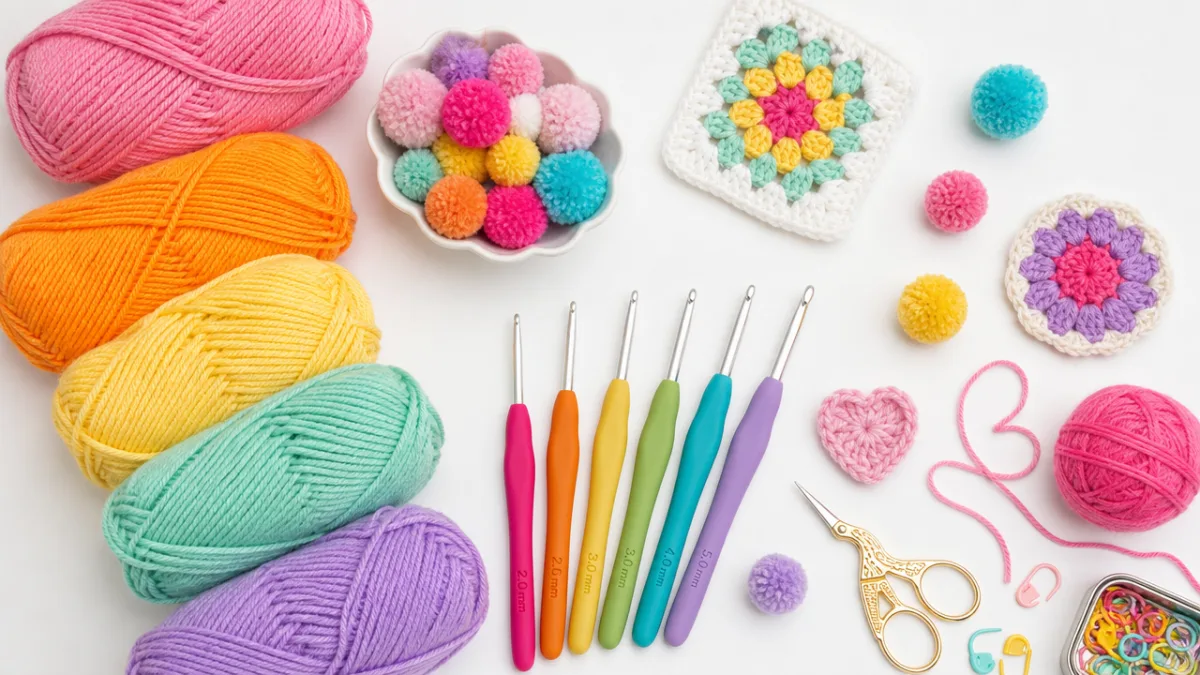
Choosing the right yarn is perhaps the most important first step in any clown crochet project, and for this particular style, the bolder the better. Worsted weight acrylic yarns are especially popular because they come in an enormous range of saturated colors, they are affordable, easy to care for, and widely available in craft stores around the world. Brands like Red Heart Super Saver, Lion Brand Pound of Love, and Caron Simply Soft offer extensive color ranges that make it easy to pick up a cheerful rainbow of shades without breaking the budget.
Beyond standard solid-colored yarns, clown crochet also makes excellent use of specialty yarns that add texture and visual interest to finished pieces. Fluffy pompom yarns, sparkly metallic threads woven into a base yarn, and chunky novelty yarns with built-in color striping can all add that extra element of theatrical flair that defines the clown aesthetic. Many crafters also enjoy incorporating small amounts of ribbon yarn or even repurposed fabric strips to create the kind of layered, extravagant texture that feels reminiscent of a costume designer’s dream wardrobe.
In terms of hooks and tools, clown crochet does not demand anything particularly specialized. A standard set of aluminum or ergonomic crochet hooks in sizes ranging from 3.5mm to 6mm will handle the majority of projects comfortably. However, having a variety of hook sizes on hand is genuinely useful, because clown crochet often involves switching between different yarn weights within a single project. Additional supplies worth keeping nearby include stitch markers in bright colors, yarn needles for weaving in the many ends that colorwork generates, scissors, and stuffing material if you are creating three-dimensional amigurumi clown figures.
- Worsted weight acrylic yarns in at least six to eight bright, contrasting colors for maximum visual impact and playful combinations.
- Novelty yarns including fluffy boucle, metallic blends, and pompom varieties to add texture and theatrical dimension to your work.
- A complete set of crochet hooks ranging from 3.5mm to 8mm to accommodate different yarn weights and tension preferences.
- Safety eyes in various sizes for amigurumi clown figures, along with polyfill stuffing and pipe cleaners for structural support.
- Craft felt, buttons, small bells, and ribbon for embellishing finished pieces with the over-the-top details that define clown aesthetics.
Popular Clown Crochet Project Ideas for All Skill Levels
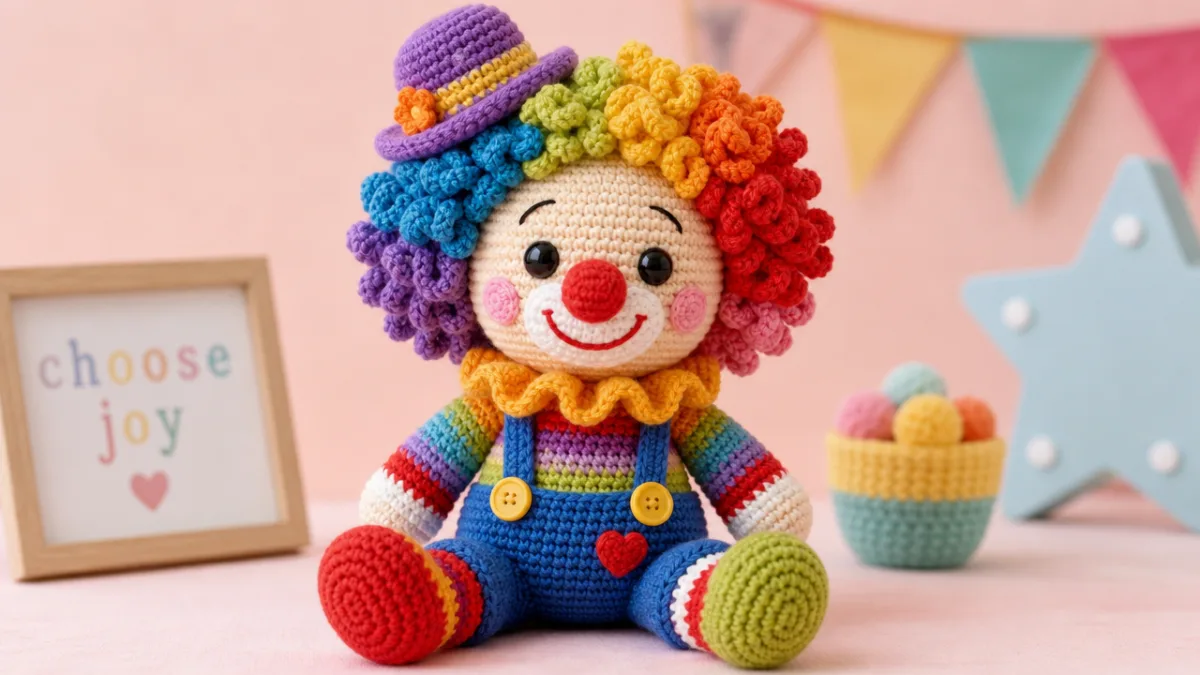
One of the most beloved clown crochet projects is the classic amigurumi clown doll, a small stuffed figure worked in the round that captures all the most iconic elements of clown character design. These projects typically feature a rounded body in one bright color, a contrasting collar made from a series of small ruffled rounds, oversized shoes crocheted separately and then sewn on, wild hair made from yarn loops in an outrageous color like neon orange or electric purple, and of course the signature red pompom nose. For beginners, a basic amigurumi clown can be completed in a single weekend and serves as an excellent introduction to working in the round and managing color changes.
For those who prefer wearable projects, clown crochet lends itself beautifully to accessories like hats, scarves, and bags. A clown-style beanie might feature alternating color wedges worked from the crown downward, finished with a large pompom on top and a crocheted ruffle around the brim. Oversized scarves worked in bold stripes using half-double crochet are another accessible project, and the long stretches of repetitive stitching make them ideal for working on while watching television or listening to podcasts. Some adventurous crafters even create full clown collar accessories, the iconic wide ruffled neck piece, as standalone fashion statements.
More advanced crocheters often gravitate toward large-scale clown crochet projects such as full costumes, decorative wall hangings, and oversized plush figures. A crocheted clown costume for a child’s Halloween outfit might include a colorful jumpsuit worked in giant granny squares using the joining-as-you-go technique, a crocheted pointed hat, and a matching bag for collecting candy. Large wall hangings in the clown style often incorporate tapestry crochet techniques to create bold geometric patterns in three or more contrasting colors, producing pieces that function as genuine works of textile art suitable for framing or hanging in a playroom, nursery, or creative studio.
Mastering Color Theory and Pattern Design in Clown Crochet
While clown crochet celebrates the spirit of colorful chaos, understanding some basic principles of color theory can actually help you create pieces that look intentionally vibrant rather than accidentally clashing. The most effective clown crochet color palettes typically draw on a full range of the color wheel, pairing warm tones like red, orange, and yellow against cool tones like blue, green, and purple. When these opposites are placed side by side, they create maximum visual contrast and the kind of eye-catching energy that is immediately associated with circus aesthetics and carnival joy.
Repetition is a powerful tool in clown crochet pattern design, even when the overall effect is meant to look random. Rather than simply grabbing yarn in a completely haphazard sequence, experienced clown crochet designers often work with a loosely planned color rotation that ensures every shade appears roughly the same number of times throughout the finished piece. This creates a sense of visual balance underneath all the apparent chaos, making the work satisfying to look at rather than overwhelming. A useful exercise is to lay out your chosen yarns in a line and photograph them before you begin, using the photo as a reference guide while you crochet.
Pattern design in clown crochet also frequently makes use of classic motifs like granny squares, hexagons, and circle-in-a-square units, all of which can be worked in mismatched colors and then joined together to create gloriously patchwork finished pieces. The granny square in particular has a long and beloved history in crochet, and its modular nature makes it perfectly suited to clown-style colorwork because each individual square can be crocheted in a completely different combination of colors before being seamed or slip-stitched together into a larger whole. This approach also makes large projects feel more manageable, since you are working on one small square at a time rather than a daunting expanse of fabric.
- Begin by selecting a primary color palette of six to ten shades that span the full spectrum, including both warm and cool tones for maximum contrast and energy.
- Sketch a rough layout of your project, mapping out approximately where each color will appear to ensure balance and even distribution throughout the piece.
- Work a small gauge swatch in your chosen yarn and hook size, experimenting with color transitions and recording which combinations you find most visually exciting.
- Consider the finishing details early in your planning process, as pompoms, fringe, tassels, and embroidered accents can dramatically transform a simple base piece into something spectacular.
- Photograph your work in progress regularly, as images often reveal color imbalances or areas that need additional visual interest before you have committed too far to change them.
Tips, Techniques, and Common Challenges in Clown Crochet
One of the most common challenges new clown crochet enthusiasts face is managing the large number of yarn ends that colorwork inevitably produces. Every time you switch colors, you create two ends that must eventually be woven in securely to prevent unraveling, and a project with frequent color changes can generate dozens or even hundreds of these tails. The most efficient approach is to weave in ends as you go rather than saving them all for the end, working each tail back and forth through several stitches in different directions using a blunt yarn needle to ensure it is securely anchored and invisible from the right side of the fabric.
Tension consistency is another area where clown crochet crafters sometimes struggle, particularly when switching between multiple yarn weights or types within a single project. Acrylic and cotton yarns have different levels of stretch and drape, and what feels like a comfortable tension in one fiber may produce a completely different gauge in another. The best way to manage this is to work frequently with your fingers to feel the fabric as it develops, loosening your grip slightly when working with yarns that tend to pull tight and consciously keeping stitches even when using slippery or novelty yarns that want to slide around on the hook.
For three-dimensional projects like amigurumi clown figures, achieving the right stuffing density is crucial to the final look and feel of the piece. Under-stuffed figures look limp and deflated, while over-stuffed ones can stretch the crocheted fabric uncomfortably, causing stitches to gap and showing the white stuffing underneath. The ideal stuffing technique involves adding small amounts of polyfill at a time, using a blunt pencil or dowel rod to push it firmly into arms, legs, and other extremities, and periodically squeezing and shaping the piece with your hands as you go to ensure it develops the rounded, plump silhouette that makes amigurumi figures so appealing and huggable.
The Community and Culture Surrounding Clown Crochet
The world of clown crochet is supported by a wonderfully enthusiastic and welcoming online community that spans platforms including Pinterest, Instagram, TikTok, Ravelry, and YouTube. Crafters from around the globe share their completed projects, works in progress, and pattern recommendations using hashtags like clowncrochet, circuscrochet, and cottagecore adjacent tags that have helped the style develop a robust following. The visual nature of these platforms makes them particularly well-suited to showcasing the bold colors and detailed construction of clown crochet work, and it is common for a particularly striking amigurumi clown or a brilliantly colorful garment to accumulate thousands of likes and shares within days of being posted.
Free and paid patterns for clown crochet projects are available in abundance through platforms like Ravelry, Etsy, and individual designer websites. Many talented designers specialize specifically in whimsical and clown-adjacent aesthetics, offering everything from beginner-friendly single-page patterns for small amigurumi figures to multi-page booklets covering full costume sets with detailed construction notes, stitch counts, and color recommendations. Purchasing patterns from independent designers is a meaningful way to support the craft community while also gaining access to the careful testing and clear instruction that comes from patterns developed and refined through multiple rounds of community feedback and technical editing.
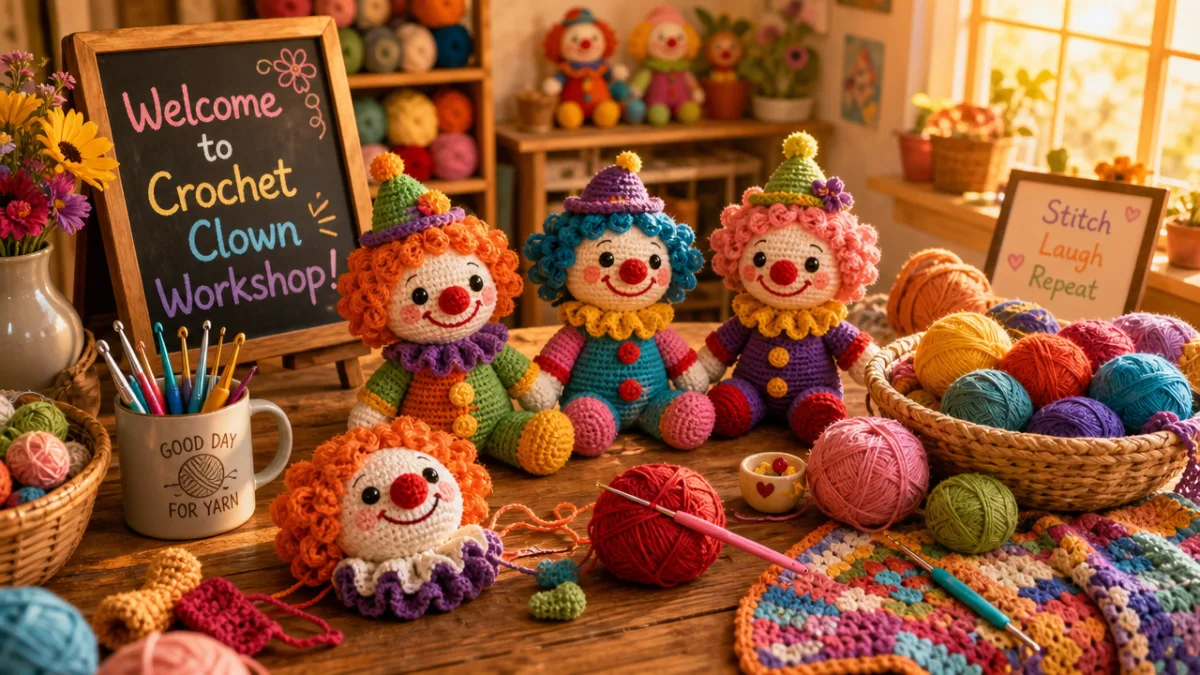
Local yarn stores and craft guilds have also begun embracing clown crochet as a way to attract new members and inject fresh energy into their programming calendars. Clown crochet workshops appeal to participants across a wide age range, from children attending their first craft class to experienced crocheters looking for an opportunity to stretch their creative muscles and try something deliberately silly and fun. The collaborative, joyful atmosphere of these sessions, where participants are actively encouraged to make bold choices and laugh at unexpected color combinations, creates a distinctly positive energy that differs from more technically focused workshops and often results in participants forming lasting friendships around their shared love of colorful, irreverent textile art.
Caring for and Displaying Your Clown Crochet Creations
Proper care of finished clown crochet items helps preserve the brilliant colors and structural integrity of your work for years to come. Most acrylic yarn projects can be machine washed on a gentle cycle in cold water and laid flat to dry, which prevents stretching and maintains the original shape of the piece. However, it is always worth checking the yarn label before washing, as novelty yarns, metallic blends, and certain wool-acrylic combinations may require special handling such as hand washing in lukewarm water with a gentle wool wash detergent and careful reshaping while damp.
Displaying clown crochet pieces creatively can transform them from simple craft objects into genuine focal points of interior decoration. A collection of amigurumi clown figures arranged on a floating shelf makes a charming and conversation-starting display in a child’s bedroom, a craft room, or even a whimsically decorated living room. Larger pieces like granny square throws look spectacular draped over the back of an armchair or folded at the foot of a bed, where their riot of color adds warmth and personality to the room. Some crafters even stretch and frame smaller crocheted panels as textile art, mounting them in deep shadow boxes or standard picture frames with a fabric backing for a polished gallery-style presentation.
Gifting clown crochet items is one of the great pleasures of the craft, as these pieces tend to provoke immediate and genuine delight in recipients of all ages. A handmade clown doll is a thoughtful and one-of-a-kind gift for a child, while a colorful clown-style beanie or market bag makes an unexpectedly fun present for an adult friend who appreciates handmade goods and has a sense of humor about their accessories. Packaging your handmade gifts with care, including a handwritten tag that notes the yarn fiber content and washing instructions, adds a professional and personal touch that communicates the time, skill, and affection invested in creating something truly unique by hand.








What do you think?
It is nice to know your opinion. Leave a comment.