










18 Summer Crafts For Preschool And Kindergarten Kids
Why Summer Crafts Matter for Young Children’s Development
Summer is one of the most magical times of year for young children, offering long days full of sunshine, imagination, and endless opportunities for creative exploration. For preschool and kindergarten-aged kids, the months between school years are not just a break from learning — they are a golden window for hands-on discovery. Crafting during summer helps children maintain the fine motor skills they have been developing throughout the school year while keeping their minds engaged and curious.
When children sit down to create something with their own hands, a cascade of developmental benefits unfolds. They practice hand-eye coordination as they cut, glue, and paint. They build patience and focus as they work toward a finished project. They develop early math and science thinking as they measure, mix colors, and observe how materials interact. Each completed craft also gives a young child a powerful sense of accomplishment, nurturing confidence that carries into every other area of their growing life.
Beyond individual skills, summer crafts create meaningful moments between children and caregivers. Whether a parent is sitting beside a four-year-old at the kitchen table or a teacher is guiding a group of kindergartners at a picnic table outdoors, the shared experience of making something together builds emotional bonds and creates lasting memories. The conversations that happen during crafting — about colors, shapes, stories, and ideas — are rich with language development and connection that screens simply cannot replicate.
Easy Nature-Inspired Crafts Using Backyard Materials
One of the greatest gifts summer offers young crafters is an abundance of free, natural materials just waiting to be transformed into art. Leaves, sticks, pebbles, pinecones, flowers, and feathers are all fair game for creative exploration. Nature crafts encourage children to slow down, look carefully at the world around them, and develop a sense of wonder and appreciation for the environment. A simple walk around the yard or neighborhood can become the beginning of a beautiful afternoon craft session.
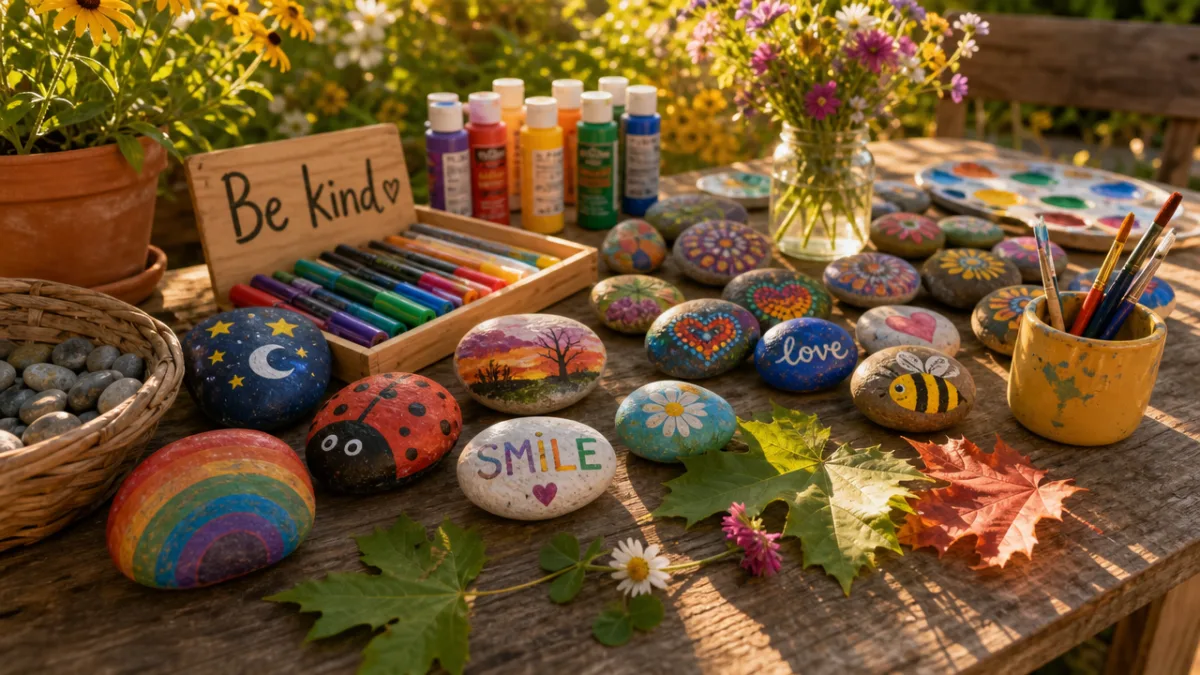
Leaf rubbings are a classic nature craft that never loses its charm. All you need are fresh leaves, plain white paper, and unwrapped crayons. Children place a leaf vein-side up beneath the paper and gently rub the crayon back and forth until the intricate leaf pattern magically appears. This activity teaches texture, patterns, and the names of different plants. Rock painting is another beloved option — smooth stones collected from a garden or park become ladybugs, turtles, suns, or anything a child’s imagination can dream up with a few strokes of acrylic paint.
Flower pressing and sun catchers made from pressed petals and contact paper are stunning summer crafts that combine science and art beautifully. Children learn that flowers can be preserved and observed up close, and the translucent, jewel-like finished sun catchers look breathtaking hanging in a sunny window. Pinecone bird feeders rolled in peanut butter and birdseed connect crafting to caring for wildlife, giving young children an early sense of environmental stewardship that is as meaningful as it is fun.
Recommended Nature Materials to Collect
- Large, flat leaves with prominent veins for rubbings and prints
- Smooth, palm-sized rocks for painting and decorating
- Wildflowers and garden blooms for pressing and sun catchers
- Pinecones in various sizes for bird feeders and sculpture
- Sturdy sticks for weaving, frames, and nature mobiles
- Seed pods, acorns, and pebbles for collage and sorting projects
Sensory and Messy Summer Crafts Kids Will Absolutely Love
For young children, the process of creating is almost always more important than the product, and nowhere is this truer than with sensory crafts. Messy, tactile projects engage children’s senses in ways that are deeply satisfying and developmentally essential. Playing with textures, temperatures, and materials supports brain development, desensitizes sensory-sensitive children gradually, and gives all kids a healthy, expressive outlet for big summer energy. The key is embracing the mess with a smile and a roll of paper towels nearby.
Homemade playdough in summer colors — sunshine yellow, ocean blue, watermelon pink, and grassy green — is one of the most versatile sensory craft bases you can make. Children can sculpt creatures, food, flowers, and entire miniature worlds. Adding seasonal scents like lemon extract, coconut oil, or strawberry flavoring makes the experience even more immersive. A simple cooked playdough recipe comes together in minutes on the stovetop and lasts for weeks in an airtight container, making it a fantastic summer staple.
Shaving cream tie-dye is another wildly popular sensory craft that produces genuinely gorgeous results. Children squirt shaving cream onto a tray, drop food coloring across the surface, and swirl the colors with a toothpick or skewer. Pressing cardstock onto the surface and then scraping away the foam reveals a swirled, marbled print underneath that looks like it belonged in an art gallery. Bubble wrap printing, marble painting inside a box, and squirt bottle watercolors on wet paper are all similarly thrilling sensory experiences that feel more like play than crafting — which, of course, is exactly the point.
Tips for Managing Messy Crafts at Home
- Lay a vinyl tablecloth or shower curtain liner beneath the craft area for easy cleanup.
- Dress children in designated “craft clothes” or an old oversized t-shirt to protect their clothing.
- Set up outside whenever possible so spills and splashes are stress-free.
- Keep a bucket of warm soapy water nearby for quick hand and tool rinsing.
- Embrace imperfection — the messiest projects often produce the most cherished memories.
Ocean and Beach-Themed Crafts for Summer Fun
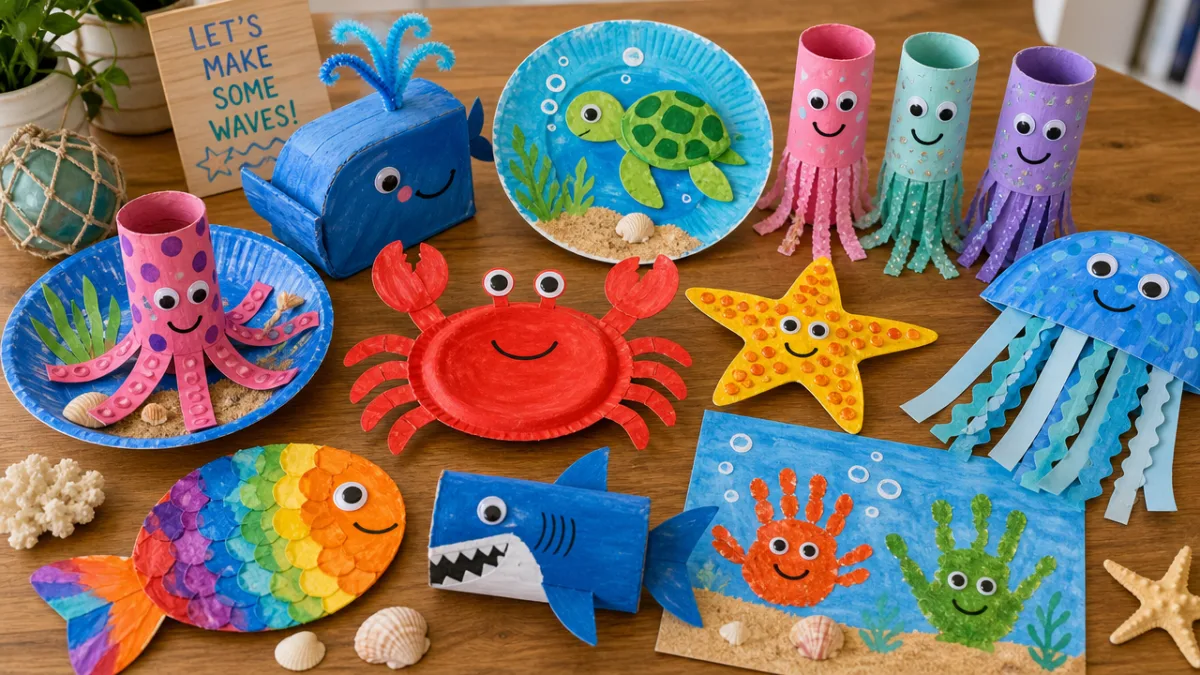
Nothing captures the spirit of summer quite like the ocean, and beach-themed crafts are consistently among the most popular projects for preschool and kindergarten-aged children. Even families who live far from the coast can bring the magic of the sea into their home or classroom with a handful of simple, accessible materials. Paper plates become jellyfish, coffee filters become tropical fish, and toilet paper rolls become lighthouses with just a little paint, glitter, and imagination.
Paper bag jellyfish are endlessly charming and satisfyingly simple. Children decorate a lunch-sized paper bag with ocean colors using paint or markers, then stuff the bag loosely with tissue paper before gathering the bottom and tying it with yarn. Crepe paper or ribbon streamers attached to the gathering create flowing tentacles that drift beautifully in the breeze. Hung from a porch ceiling or classroom display, a collection of these jellyfish creates a whimsical underwater world that children beam with pride over for days.
Sand art bottles, ocean sensory bottles, and seashell wind chimes are slightly more involved but tremendously rewarding ocean-themed projects. For sand art, children layer different colors of dyed sand inside a clear plastic bottle, creating their own unique striped masterpiece. Seashell wind chimes require drilling or punching holes in a piece of driftwood and hanging shells and beads on lengths of twine — a beautiful craft that doubles as outdoor décor. These projects invite children to practice patience, sequential thinking, and the satisfying realization that beautiful things take a little time and care to create.
Ocean Craft Supply List
- Paper plates, bags, and bowls in white and light blue
- Tissue paper in ocean colors: blue, green, purple, and white
- Tempera paints in turquoise, coral, and sandy gold
- Crepe paper streamers for jellyfish tentacles and fish fins
- Collected or craft-store seashells in assorted sizes
- Blue and green food coloring for dyed water and sand
- Clear plastic bottles for sensory and sand art projects
Butterfly, Bug, and Garden Crafts Celebrating Summer Nature
Summer is alive with insects, blossoms, and garden creatures that delight and fascinate young children. Butterfly and bug crafts are perennial favorites in the preschool world, and for good reason — they combine recognizable, beloved subjects with a wide range of artistic techniques. Children who are enchanted by butterflies in the garden are especially motivated to create their own, and the finished projects are invariably joyful and vibrant. This category of summer crafts also opens natural conversations about life cycles, ecosystems, and the importance of pollinators.
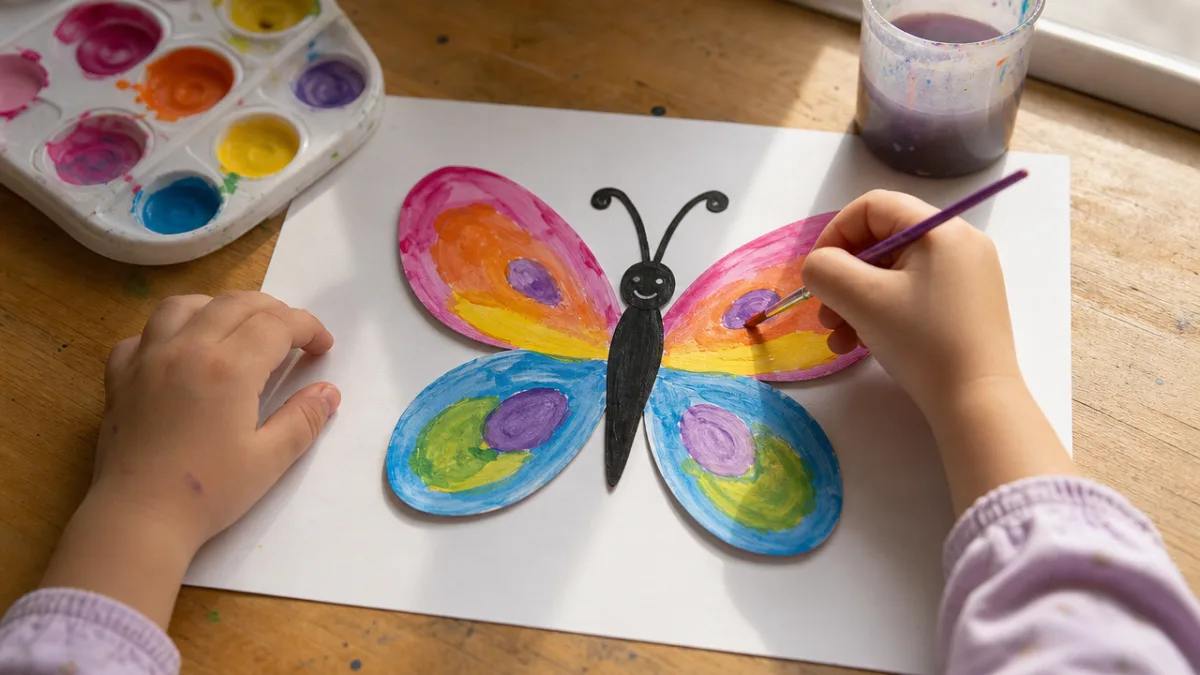
Coffee filter butterflies are a classic activity that produces strikingly beautiful results with minimal materials. Children color coffee filters using washable markers, then mist them lightly with water from a spray bottle and watch the colors blend and bloom into soft watercolor-like patterns. Once dry, the filters are gathered in the center and pinched with a clothespin body, then decorated with pipe cleaner antennae and googly eyes. The finished butterflies can be displayed on a bulletin board, strung across a window, or clipped to a garden plant for a pop of homemade color.
Handprint and footprint crafts are beloved summer staples for good reason — they capture a moment in time while creating something undeniably sweet and personal. A child’s handprint in green makes a perfect leafy plant or a family of frogs. Two handprints in warm yellow and orange become a gorgeous sunflower. Footprints in brown transform into adorable garden hedgehogs with marker-drawn spines and faces. Parents and teachers often treasure these prints as keepsakes long after the summer has passed, and children take enormous delight in the surprise of seeing a recognizable image emerge from the shape of their own small hand or foot.
Life Cycle Learning Through Butterfly Crafts
Butterfly crafts offer a wonderful opportunity to introduce young children to the concept of metamorphosis in an accessible, hands-on way. Creating a simple four-panel lifecycle wheel from a paper plate — with sections for egg, caterpillar, chrysalis, and butterfly — gives children a tangible visual tool they can refer to again and again throughout the summer. Pair the craft with a read-aloud of a butterfly-themed picture book and a trip outside to look for caterpillars or chrysalises in the garden, and you have a rich, multi-layered learning experience that connects art, science, and literacy in the most natural way possible.
Egg carton caterpillars, toilet roll butterflies, and painted rock ladybugs round out a fantastic garden-themed craft collection for summer. Egg carton caterpillars are especially satisfying because children can paint each individual cup section a different color, creating vivid, cheerful creatures that can be personalized with googly eyes, yarn hair, and pipe cleaner legs. These crafts reinforce color recognition, counting, and sequencing while producing charming finished pieces that children are genuinely excited to show off. Displayed on a windowsill or classroom shelf, a collection of handmade garden creatures creates an inviting, whimsical atmosphere that celebrates the beauty and wonder of the summer season.
Recycled and Upcycled Craft Projects for Eco-Conscious Summer Fun
Teaching young children to see creative potential in everyday materials that might otherwise be thrown away is one of the most valuable lessons a summer of crafting can offer. Recycled and upcycled crafts require very little financial investment, making them accessible to all families regardless of budget, while simultaneously introducing children to important concepts about waste reduction, resourcefulness, and caring for the planet. A collection bin filled with paper towel rolls, egg cartons, cereal boxes, plastic bottles, and fabric scraps becomes a treasure chest of creative possibility in the eyes of a preschooler.
Toilet paper roll binoculars are a perennial hit — children tape two rolls together, decorate them with paint and stickers, and immediately head outside to explore their world through their new “explorer tool.” This simple craft inspires outdoor play and imaginative adventure, encouraging children to observe birds, insects, clouds, and plants with fresh attention and curiosity. Cereal box robots, tin can planters, plastic bottle bird feeders, and newspaper hats are all similarly wonderful examples of how a little creativity can transform recycling into something genuinely delightful and meaningful.
Cardboard box cities and collaborative recycled sculptures are larger-scale upcycled projects that work especially well for small groups of kindergartners. Providing children with a collection of boxes, tubes, and containers along with tape, paint, and markers and asking them to build a town, spaceship, or ocean world together builds cooperation, communication, and spatial reasoning skills. The process unfolds over multiple sessions, teaching children persistence and the value of returning to a creative project with fresh eyes. When the project is complete, it becomes a shared source of pride that reinforces each child’s sense of belonging to a creative community.
Starting Your Summer Recycled Craft Collection
Building a good recycled craft supply takes only a few weeks of mindful collecting. Begin saving cardboard tubes from paper towels and toilet paper, egg cartons, clean yogurt containers and plastic bottles, cereal and cracker boxes, fabric scraps, old magazines, and tissue paper from gift bags. Store everything in a large labeled bin in an accessible location so children can independently explore and select materials for self-directed projects. This independence is itself a powerful developmental experience — when a child reaches into the bin, makes selections, and creates something entirely from their own imagination, they are practicing executive function, creative thinking, and self-confidence in the most authentic way possible.
Pairing recycled craft sessions with simple conversations about where materials come from and where they would go if not reused plants early seeds of environmental awareness that can grow throughout a child’s lifetime. Books about recycling, short nature documentaries appropriate for young viewers, and trips to community gardens or recycling centers can extend and deepen this learning beautifully. Summer crafting, at its very best, is never just about the finished object — it is about curiosity, connection, creativity, and helping young children fall a little more in love with the remarkable world they are growing up in, one glued paper tube and painted pebble at a time.








What do you think?
It is nice to know your opinion. Leave a comment.