










Handmade Lemon Ice Candle: A Complete Guide to Crafting Citrus-Scented Magic
The Art of Handmade Candle Making: Why Lemon Ice is the Perfect Scent
There is something deeply satisfying about creating a candle entirely from scratch with your own hands. The process of transforming raw wax, fragrance, and color into a beautiful, functional object that fills a room with warmth and scent is one of the most rewarding craft experiences available to hobbyists and artisans alike. Among the many fragrance combinations that candle makers explore, lemon ice stands out as a particularly captivating choice that blends the bright, cheerful energy of fresh citrus with the cool, refreshing undertones of icy mint or clean aquatic notes.
The lemon ice scent profile has gained enormous popularity in recent years, especially on creative platforms like Pinterest where handmade crafts thrive and inspire millions of people every day. This fragrance combination evokes summer afternoons, chilled lemonade on a porch, and the invigorating feeling of a cool breeze on a warm day. When translated into candle form, it becomes an olfactory experience that can transform the atmosphere of any room, lifting moods and creating a sense of freshness that few other scents can match with such immediate effect.
Beyond the sensory appeal, handmade lemon ice candles represent an opportunity to engage in a deeply personal creative practice. Whether you are making candles as gifts for friends and family, starting a small business, or simply exploring a new hobby, this particular style of candle offers a wonderful balance of accessibility for beginners and creative depth for experienced crafters. The techniques involved in achieving that signature lemon ice look and scent are learnable, repeatable, and endlessly customizable to suit your own aesthetic preferences and skill level.
Essential Materials and Tools You Will Need
Before beginning any candle-making project, gathering the right materials is absolutely crucial to achieving a beautiful, high-quality result. For a lemon ice candle, you will want to start with a high-quality wax base. Soy wax is a particularly popular choice among modern candle makers because it is natural, burns cleanly, holds fragrance exceptionally well, and is relatively easy to work with. Paraffin wax is another option that offers excellent scent throw and a smooth, glossy finish, while coconut wax provides an incredibly creamy texture and premium feel that many crafters adore for aesthetic candles.
The fragrance oils you select will make or break your lemon ice candle, so investing in quality products from reputable suppliers is worth every penny. Look for a lemon fragrance oil that smells genuinely fresh and zesty rather than artificial or candy-like, and pair it with a cool fragrance note such as spearmint, peppermint, eucalyptus, or a clean aquatic blend. Many specialty candle suppliers offer pre-blended lemon ice fragrance oils that take the guesswork out of the blending process entirely, which can be especially helpful for those just starting out in the craft.
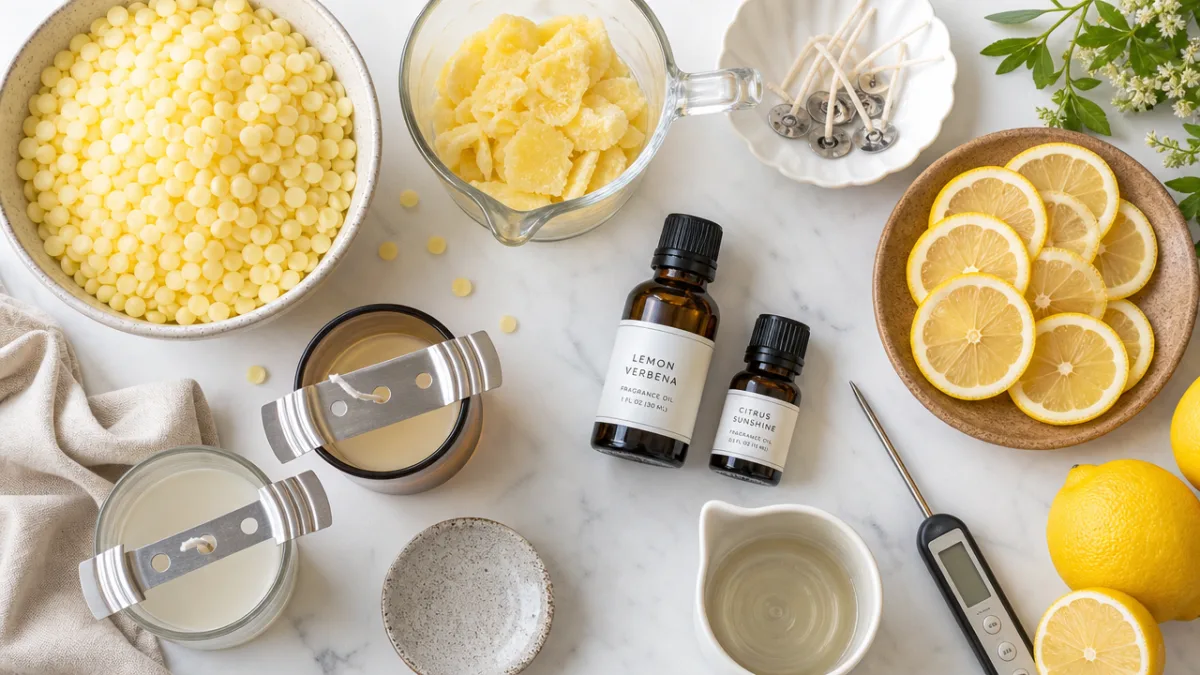
In addition to wax and fragrance, you will need the following essential supplies to complete your lemon ice candle project successfully:
- Cotton or wood wicks sized appropriately for your chosen container diameter
- Candle dye chips or liquid colorants in yellow, white, and pale blue tones
- Heat-safe glass or ceramic containers such as mason jars or tumbler glasses
- A double boiler or dedicated wax melting pot with a pour spout
- A digital thermometer to monitor wax temperature accurately
- Wick centering tools or simple wooden skewers and clothespins
- A kitchen scale for measuring wax and fragrance by weight
- Fragrance load calculator or a reliable recipe to follow
- Lemon slice molds or decorative embeds for visual detail
- Citrus peel or dried lemon slices for natural decorative topping
Having all of these materials organized and ready before you begin will make the entire candle-making process much more enjoyable and stress-free. Setting up your workspace thoughtfully, with protective coverings on your surfaces and all your tools within easy reach, will help you stay focused on the creative aspects of the project rather than scrambling to find supplies mid-process. A clean, organized workspace also contributes to safer candle-making practices, which is always a priority when working with hot wax and open flames.
Step-by-Step Instructions for Crafting Your Lemon Ice Candle
Begin your lemon ice candle by preparing your containers and wicks well in advance of melting your wax. Secure your wicks to the bottom center of each container using a small dot of hot glue or a commercial wick sticker, pressing firmly to ensure they are anchored and will not shift when you pour the hot wax. Once the wicks are secured at the base, use a wick centering bar, two wooden skewers secured with rubber bands, or even a simple clothespin balanced across the top of the container to keep each wick perfectly vertical and centered while the wax sets.
Next, measure your wax carefully using a kitchen scale, calculating approximately one and a half times the volume of your container to account for any shrinkage that occurs as the wax cools. Place your measured wax into your double boiler or melting pot and heat it slowly and evenly, monitoring the temperature with your digital thermometer. Most soy waxes should be melted to between 170 and 180 degrees Fahrenheit, while paraffin may require slightly higher temperatures depending on the specific formulation. Never leave melting wax unattended, and always keep a fire extinguisher accessible as a basic safety precaution in your workspace.
Once your wax reaches the correct melting temperature, it is time to add your colorants to achieve that signature lemon ice palette. Begin with a base of soft, pale yellow by adding yellow dye chips or drops of liquid colorant a little at a time, stirring thoroughly between each addition until you reach your desired shade. For an ice-inspired look, consider leaving some portions of the wax nearly white or adding the faintest hint of pale blue to create depth and visual interest. The layering technique, where you pour colored wax in stages and allow each layer to partially set before adding the next, can create a stunning gradient effect reminiscent of a tall glass of iced lemonade.
When your wax has cooled to the recommended pouring temperature, typically around 135 to 145 degrees Fahrenheit for soy wax, carefully add your measured fragrance oils and stir slowly but thoroughly for at least two full minutes to ensure complete and even distribution throughout the wax. The standard fragrance load for most candle waxes is between six and ten percent of the total wax weight, though you should always consult the specific recommendations for your chosen wax type to avoid issues with fragrance pooling or seeping. Pour your scented, colored wax slowly and steadily into your prepared containers, filling them to approximately half an inch below the rim to allow for proper burning.
Achieving the Visual Lemon Ice Aesthetic
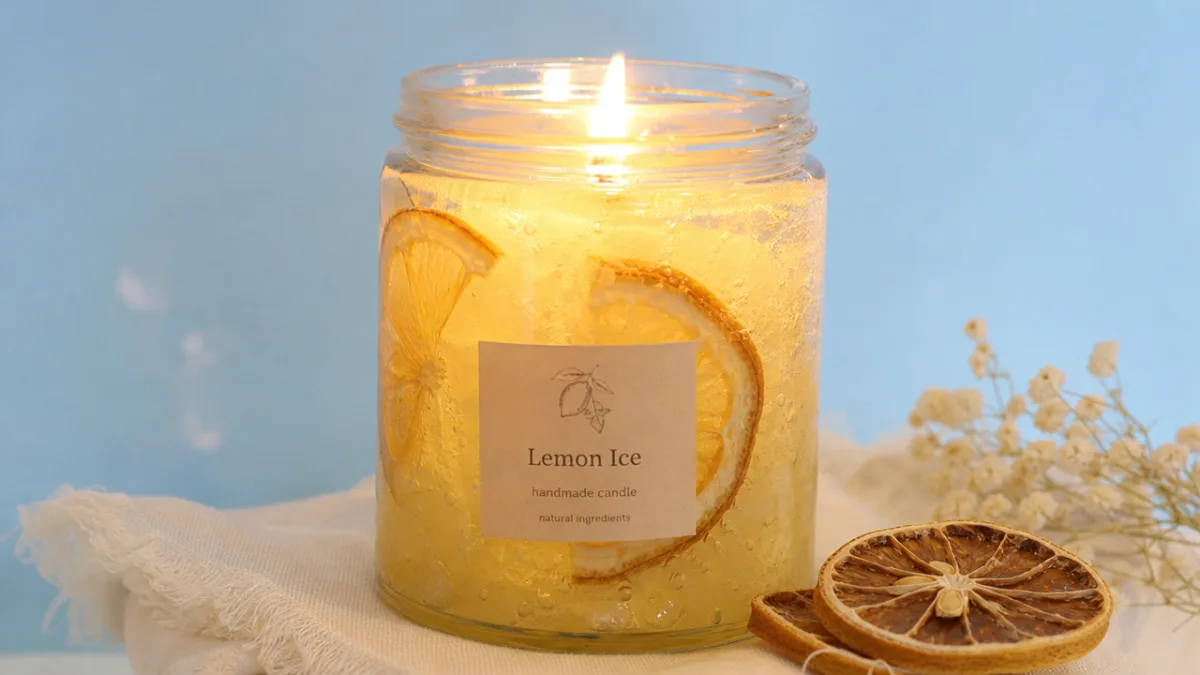
The visual presentation of a lemon ice candle is just as important as its scent, and there are numerous creative techniques you can employ to make your candles look as stunning as they smell. One of the most popular approaches seen across Pinterest and candle-making communities is embedding real or wax lemon slices into the body or on the surface of the candle. Dried lemon slices can be pressed against the inner walls of a glass container before pouring, where they will remain visible and create a beautiful, fruit-forward aesthetic that perfectly communicates the scent before the candle is even lit.
Another visually striking technique involves creating a textured, icy surface on top of the candle that reinforces the frozen or chilled aspect of the lemon ice theme. This can be achieved by whipping partially cooled wax with a hand mixer or whisk to create a foam-like, fluffy texture that resembles snow or crushed ice when applied as a topping over a smooth poured base. Alternatively, crushing a small amount of set white wax into irregular chunks and scattering them across a wet candle surface can create a convincing crushed-ice visual effect that is both charming and thematically cohesive.
Color layering offers yet another dimension of visual artistry for your lemon ice candle. By pouring a clear or lightly tinted base layer first, then adding a more vibrantly colored middle layer in bright lemon yellow, and finally topping with a near-white or pale blue icy layer, you can create a candle that tells a visual story from bottom to top. Each layer should be allowed to cool and firm up significantly before the next is poured, though pouring while the surface is still slightly tacky will help the layers bond together without cracking or separating during the burning process.
Finishing touches make an enormous difference in the final appearance of handmade candles, transforming a functional craft project into something that looks genuinely artisanal and gift-worthy. Consider adding a sprinkle of cosmetic-grade mica powder in soft gold or pearl white across the surface of your finished candle for a delicate shimmer that catches the light beautifully. A small sprig of dried herb such as lemon thyme or a curl of dried lemon peel nestled at the center of the candle top adds an organic, botanical elegance that elevates the overall presentation significantly.
Fragrance Blending Tips for the Perfect Lemon Ice Scent
Mastering the art of fragrance blending is one of the most exciting and nuanced aspects of professional-quality candle making, and achieving the perfect lemon ice scent requires a thoughtful approach to understanding how different fragrance notes interact with one another. At its core, a great lemon ice fragrance profile should feature a bright, dominant top note of fresh lemon that greets the nose immediately, followed by the cool, clean middle notes that provide the icy quality, and then perhaps a subtle base note of something slightly sweet or slightly woody to give the scent longevity and depth as the candle burns.
When blending your own lemon ice fragrance from individual components rather than using a pre-blended oil, start by working in small test batches before committing to large quantities. A general starting point might be sixty percent lemon or citrus fragrance oil combined with thirty percent cool mint or eucalyptus oil and ten percent of a clean musk or light floral to add a subtle softness to the overall blend. Write down your exact ratios each time you experiment, because recreating a fragrance you love is only possible if you have kept careful records of what you used and in what proportions.
It is worth noting that citrus fragrance oils, including lemon, are among the most volatile in the candle maker’s palette, meaning they tend to dissipate more quickly during the burning process than warmer, richer scents like vanilla or sandalwood. To counteract this, consider using a slightly higher fragrance load when working with citrus-forward blends, staying within the safe maximum range recommended by your wax manufacturer. You can also try blending your lemon with a small percentage of lemon verbena or lemongrass fragrance oil, both of which have slightly better scent retention in wax and can help anchor the citrus character throughout the life of the candle.
Gifting, Packaging, and Sharing Your Creations
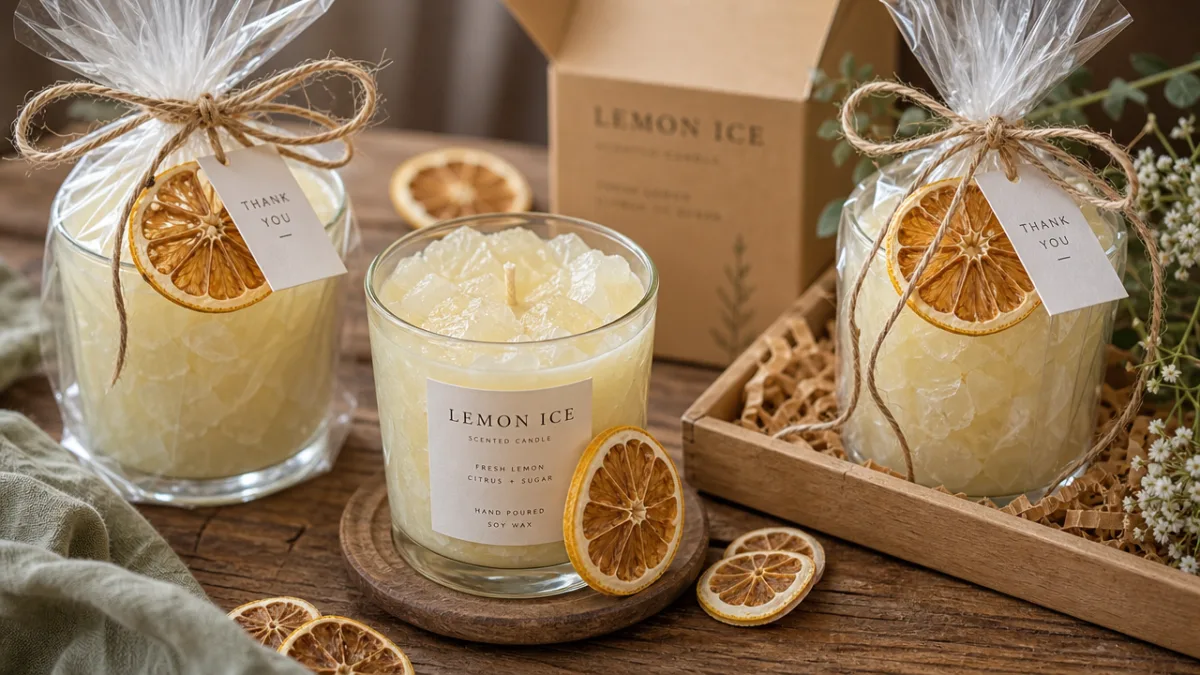
A beautifully crafted lemon ice candle is one of the most universally appreciated handmade gifts you can give, and thoughtful packaging can elevate it from a lovely craft item to a truly memorable present. Simple approaches often work best: a length of natural twine or raffia tied around a mason jar, a hand-lettered label identifying the scent and burn time, and a small dried lemon slice or sprig of herb tucked under the bow creates a presentation that feels artisanal, personal, and completely professional at the same time. The packaging should reflect and reinforce the lemon ice theme through colors like soft yellow, white, and pale blue.
If you are considering turning your candle-making hobby into a small business or cottage industry, lemon ice candles represent a particularly marketable product because of their broad appeal and seasonal versatility. They sell beautifully in spring and summer when buyers are craving light, fresh, citrusy scents, but the cool, clean quality of the ice note also makes them appropriate and appealing year-round. Selling through platforms like Etsy, at local farmers markets, or through Instagram and Pinterest shops allows you to reach customers who specifically appreciate the aesthetic and care that goes into handmade products.
Sharing your candle-making journey on social media platforms, and particularly on visually driven platforms like Pinterest, is both a wonderful way to connect with a community of fellow crafters and an effective way to build an audience if you aspire to sell your work. Photograph your finished lemon ice candles in natural light against simple, clean backgrounds that allow the candle itself to be the star of the image. Including process shots of the various stages of creation, from your organized material flat-lays to the satisfying moment of the first pour, adds narrative depth to your content and tends to generate significantly more engagement than finished-product photos alone.
Finally, consider including a care card with every candle you give or sell, providing recipients with basic guidance on getting the best performance and longest life from their lemon ice candle. Advise them to trim the wick to approximately a quarter inch before each use, to allow the candle to burn long enough on the first lighting for the entire surface to melt into a full melt pool, and to avoid burning for more than four hours at a stretch. These small pieces of guidance demonstrate your expertise and care as a candle maker and help ensure that whoever receives your creation has the best possible experience with it from the very first lighting.
Troubleshooting Common Lemon Ice Candle Problems
Even experienced candle makers encounter occasional challenges with their projects, and understanding the most common issues that arise with lemon ice candles specifically will save you time, materials, and frustration. One of the most frequently reported problems with citrus-scented candles is fragrance bleeding, where the fragrance oil seeps out of the cooled wax and pools on the surface of the candle. This typically occurs when the fragrance load exceeds what the wax can properly bind, or when the fragrance oil is added at too high a temperature. Ensuring you add your fragrance at the correct temperature and stay within the recommended fragrance load percentage for your specific wax will prevent this issue in most cases.
Frosting is another common aesthetic concern in soy wax candles, appearing as a white, powdery film or crystalline pattern on the surface or sides of the finished candle. While frosting does not affect the burn quality or scent throw of the candle in any way, it can detract from the clean, polished appearance you are aiming for with a lemon ice aesthetic. Pouring your wax at a slightly higher temperature, avoiding rapid cooling by keeping candles away from drafts, and using a wax formulation specifically designed to minimize frosting can all help reduce its occurrence, though it is important to know that some degree of frosting is simply a natural characteristic of natural soy wax.
Sinkholes and uneven surfaces are particularly common in first pours of deeply colored or heavily fragranced candles, occurring as the wax contracts during the cooling process and creates depressions around the wick. The most effective solution is to perform a second pour, sometimes called a top-off pour, using a small amount of reserved melted wax to fill in any sinkholes or dips that have formed once the first pour has fully cooled and set. For lemon ice candles where you have created a decorative iced surface on top, plan your top-off strategy carefully so that filling sinkholes does not disrupt your surface design. With practice, you will develop a reliable process for anticipating and managing these natural characteristics of working with wax.








What do you think?
It is nice to know your opinion. Leave a comment.