










Geometric Cast Iron Candle Stand: A Complete Guide to This Timeless Decorative Accent
The Enduring Appeal of Geometric Design in Home Décor
Geometric design has captivated human imagination for thousands of years, from the precise angles of ancient architecture to the bold patterns of the modern home. When applied to functional objects like candle stands, geometric forms create a striking visual tension between utility and artistry. The clean lines, repeating shapes, and mathematical harmony of geometric patterns give any room an instant sense of intentionality and sophistication, signaling that every element in the space has been thoughtfully chosen.
In recent decades, the resurgence of geometric motifs in interior design has been nothing short of remarkable. Influenced by mid-century modernism, Scandinavian minimalism, and the broader maker movement, homeowners and designers alike have embraced angular forms as a counterpoint to the soft, organic curves that dominated earlier design trends. A geometric candle stand serves as a perfect embodiment of this aesthetic philosophy: it is simultaneously a practical object and a sculptural statement, capable of holding a flickering flame while commanding attention from across the room.
What makes geometric design particularly compelling in the context of candle stands is the interplay between the rigid structure and the dancing, unpredictable nature of candlelight. The contrast is inherently dramatic. Hard angles catch and reflect the warm glow, casting intricate shadow patterns across walls and ceilings that transform an ordinary room into something atmospheric and alive. This dynamic quality ensures that a geometric cast iron candle stand is never truly static — it shifts and breathes with the light it holds.
Why Geometry Transcends Trends
Unlike design fads that rise and fall with seasonal collections, geometric forms are rooted in mathematical principles that do not go out of style. Triangles, hexagons, diamonds, and lattice patterns appear across cultures and centuries precisely because they satisfy something fundamental in human perception. They suggest order, balance, and intelligence. When you place a geometric candle stand in your home, you are tapping into this deep visual language — one that feels both timeless and distinctly contemporary.
Interior designers frequently point to geometric accents as one of the safest investments in decorating. Because these forms are not tied to a specific era or pop culture moment, they tend to age gracefully alongside evolving tastes. A geometric cast iron candle stand purchased today will look just as appropriate in a home fifteen years from now as it does in a cutting-edge loft apartment styled for a design magazine. This longevity makes it not just an aesthetic choice but a genuinely practical one for the thoughtful homeowner.
The versatility of geometric design also means these pieces integrate effortlessly into a wide range of interior styles. Whether your home leans toward industrial chic, bohemian layering, Scandinavian simplicity, or traditional warmth, a well-crafted geometric cast iron candle stand can find its place. The key lies in how you style it and what you pair it with, giving you tremendous creative flexibility to make the piece feel entirely your own.
Cast Iron as a Material: Strength, History, and Character
Cast iron has a storied history that stretches back over two millennia, with early examples found in ancient China and later adopted throughout Europe during the Industrial Revolution. Its ability to be poured into precise molds made it the ideal material for mass production while still preserving an artisanal quality that mass-manufactured plastics and resins simply cannot replicate. When you hold a piece of cast iron, you feel its weight, its permanence, and something of the foundry process that brought it into being — a connection to craft that is increasingly rare in our disposable consumer culture.
For candle stands specifically, cast iron offers practical advantages that go well beyond aesthetics. It is inherently heat resistant, making it a safe and sensible choice for an object designed to sit close to open flame. Its substantial weight gives candle stands made from this material remarkable stability, reducing the risk of accidental tipping that can be a concern with lighter alternatives. The dense structure of cast iron also means it does not warp or degrade over time the way wood, MDF, or even some metals might under repeated exposure to heat and changing environmental conditions.
There is also something deeply satisfying about the tactile experience of cast iron. The slightly rough, matte surface texture — often described as granular or pebbled — gives the material a presence that polished metals lack. Running your fingers along a cast iron candle stand, you encounter a surface that feels substantial and real, communicating quality without resorting to flashy finishes or superficial embellishments. This honest materiality is a large part of why cast iron continues to resonate with design-conscious consumers who value authenticity.
The Patina and Aging Process
One of the most appealing characteristics of cast iron is its capacity to develop character over time. Unlike materials that simply show wear and deterioration with age, cast iron tends to acquire a patina — a subtle darkening and deepening of surface tone — that many collectors and decorators find highly desirable. On a geometric candle stand, this patina accentuates the angular details and recesses of the design, creating a layered visual depth that a brand-new piece has not yet earned. The aging process, in other words, makes the object more beautiful.
Proper care is important in guiding this aging process in a positive direction. Cast iron is susceptible to rust if left exposed to moisture without treatment, so occasional light oiling or application of a protective wax is recommended for decorative pieces not used over open flame. For candle stands that will hold burning candles regularly, the gentle heat and slight smoke from the flame naturally condition the surface over time, contributing to that coveted lived-in appearance that makes antique cast iron so visually compelling and sought after.
For those drawn to the look of aged iron without wanting to wait years for it to develop naturally, many manufacturers offer candle stands with a pre-distressed or antiqued finish. These finishes are carefully applied to mimic the tonal variation and surface quality of genuinely old iron, allowing you to enjoy that weathered aesthetic from day one. While purists may prefer the authenticity of naturally aged pieces, the quality of these treatments has improved dramatically, and the results can be genuinely striking in the right interior context.

Styles and Configurations of Geometric Cast Iron Candle Stands
The world of geometric cast iron candle stands encompasses an impressive range of forms, from compact single-taper holders to elaborate multi-arm candelabras capable of holding a dozen or more candles simultaneously. Understanding the different configurations available helps you identify which style will best serve both your functional needs and your decorative vision. Size, silhouette, and the type of candles a stand is designed to hold all factor into this decision, and each variation creates a distinctly different visual effect when lit.
Among the most popular forms is the pillar stand, which positions a wide, flat platform atop a geometric base to accommodate thick pillar candles. These stands tend to have a bold, architectural presence and work especially well as centerpieces on dining tables or mantels. The geometric base — which might feature interlocking triangles, a honeycomb lattice, or angular iron legs arranged in a precise pattern — provides visual interest at eye level, while the pillar candle above becomes the focal point when lit. The combination creates a layered composition that rewards close inspection.
Taper candle stands represent another beloved category, often featuring multiple arms extending from a central column in geometric arrangements that echo the branching patterns found in nature or the angular structures of modern architecture. A six-arm taper stand with arms arranged in a hexagonal pattern, for example, creates a perfectly symmetrical silhouette that looks stunning when viewed from any angle. These multi-arm configurations produce dramatic candlelight effects, with each flame contributing to a collective glow that fills the surrounding space with warmth and movement.
Popular Geometric Motifs and Their Visual Effects
Different geometric patterns impart different personalities to a candle stand. Some of the most frequently encountered motifs and their visual qualities include the following considerations. Triangular frameworks create a sense of dynamic energy and structural tension, making stands feel simultaneously lightweight and strong. Hexagonal lattices suggest natural geometry — think of honeycombs or crystalline structures — and tend to feel both organic and precise. Diamond grid patterns have a classic decorative quality that bridges traditional and contemporary styles with ease.
- Triangular and A-frame bases: These designs emphasize upward movement and visual lightness despite the material’s inherent weight. They work well in minimalist interiors where every object must justify its presence through strong form.
- Hexagonal and honeycomb patterns: Drawing from nature’s most efficient geometry, these designs feel simultaneously scientific and decorative, lending a sophisticated intellectual quality to the spaces they inhabit.
- Diamond and lattice work: These patterns have deep roots in traditional ironwork and feel at home in both heritage-inspired interiors and modern spaces that value craft references.
- Star and sunburst forms: Radiating geometric patterns catch light from multiple angles and create particularly dynamic shadow play, making them especially effective in candlelit settings.
The height and scale of a geometric candle stand also dramatically affects its visual impact. Tall, slender stands draw the eye upward and are ideal for creating vertical interest in a room, particularly in spaces with high ceilings that can feel visually empty at lower levels. Short, broad stands settle comfortably into tabletop vignettes and feel grounded and intimate. Mid-height stands, roughly twelve to eighteen inches tall, represent a versatile middle ground that works across a variety of placements from mantelpieces to console tables to windowsills.
Incorporating a Geometric Cast Iron Candle Stand Into Your Home
Knowing how to place and style a geometric cast iron candle stand effectively is just as important as choosing the right piece. Even the most beautifully designed object can fall flat if it is positioned poorly or surrounded by elements that compete with rather than complement its presence. The good news is that cast iron’s neutral, dark tonal range makes it an exceptionally accommodating partner for a wide spectrum of colors, textures, and materials, giving you considerable latitude in how you incorporate it into your existing décor.
On a dining table, a geometric cast iron candle stand makes an immediate statement as a centerpiece. Pairing it with organic elements — a scattered arrangement of dried botanicals, a runner in natural linen, or a cluster of smooth river stones — creates a pleasing contrast between the precision of the ironwork and the irregularity of natural materials. For more formal dining settings, flanking the candle stand with symmetrically arranged place settings and coordinating metallic accents in brass or copper creates a cohesive tablescape that feels both curated and inviting.
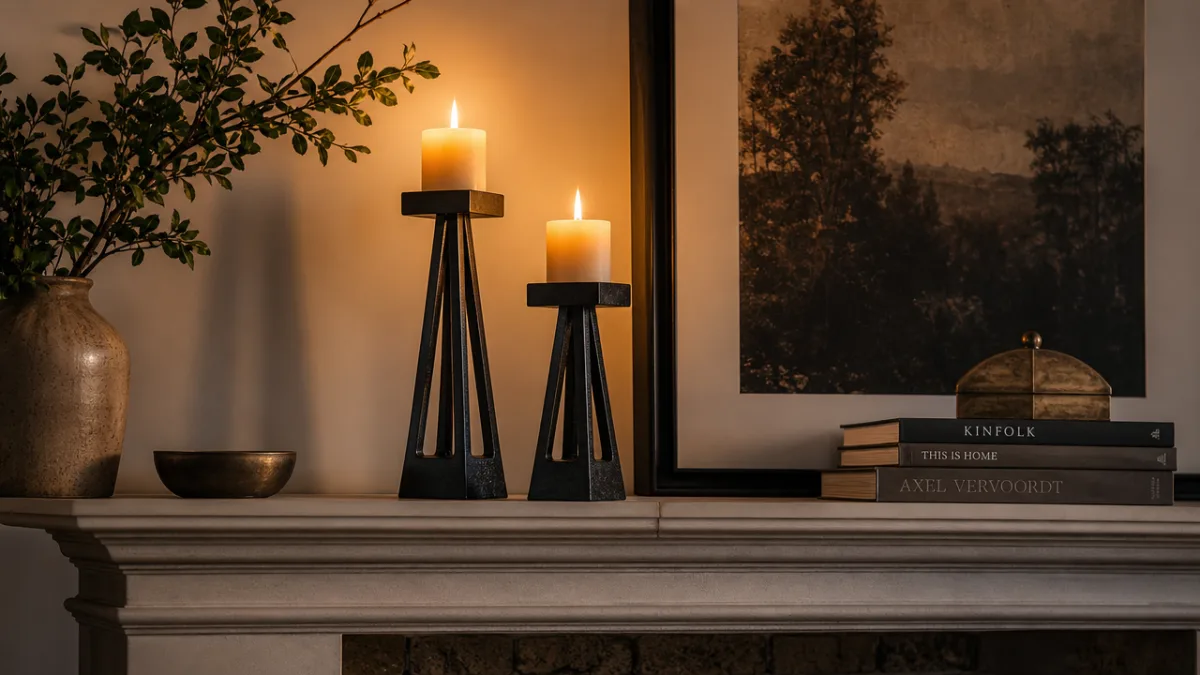
Mantels and fireplaces represent another natural home for these pieces. The fireplace is already a zone of warmth and light in a room, and a geometric cast iron candle stand positioned on the mantel extends that energy upward into the room. In warmer months when the fireplace is not in use, a grouping of candle stands at varying heights can fill the firebox itself, creating a candlelit display that serves as a beautiful substitute for actual fire. The dark interior of the firebox provides a dramatic backdrop that makes the ironwork and flickering flames stand out in spectacular relief.
Styling Tips for Maximum Visual Impact
Grouping multiple candle stands of varying heights is one of the most effective ways to create a layered, visually interesting display. Rather than placing a single stand in isolation, consider assembling a collection of three or five pieces — odd numbers are generally more visually dynamic than even groupings — at different heights but in a consistent material or finish. This approach creates a cohesive vignette that has the weight and presence of a considered art installation rather than a single decorative object set down almost as an afterthought.
Reflective surfaces dramatically amplify the impact of candlelight, making them ideal companions for geometric iron candle stands. Positioning a stand in front of a mirror, on a mirrored tray, or near a window that will reflect the flame at night doubles the apparent warmth and light in the space. Glossy ceramic vessels, glass vases filled with water, and metallic picture frames all contribute to this light-amplifying effect, creating an environment where even a single candle produces a rich, atmospheric glow that seems to fill the entire room.
Seasonal styling allows you to refresh the look of your candle stand throughout the year without purchasing new pieces. In autumn, surround the base with small gourds, dried oak leaves, and amber-toned candles to lean into the season’s warm palette. In winter, a wreath of fresh or faux greenery around the stand’s base combined with ivory or deep red candles creates an immediately festive atmosphere. Spring and summer call for lighter touches — perhaps a single bold botanical stem in a nearby vase, or pale aqua candles that suggest the colors of sea and sky.
Caring for and Maintaining Your Cast Iron Candle Stand
Like any quality home accessory, a geometric cast iron candle stand rewards attentive care with decades of beauty and reliable performance. The good news is that cast iron, despite its reputation for requiring maintenance, is actually quite straightforward to care for when you understand its properties. The most important principle is moisture management: cast iron and sustained dampness are not friends, and preventing rust is largely a matter of keeping the piece dry and occasionally treating its surface to maintain a protective barrier against humidity.
For candle stands that will hold actual burning candles, wax drips are an inevitable and manageable reality. The easiest approach to removing hardened wax from cast iron is to allow it to cool and harden completely — never try to wipe away soft wax, as this tends to spread it further — and then gently flex or peel the hardened wax away from the surface. For stubborn residue, a brief application of gentle warmth from a hairdryer softens the wax enough to be wiped away cleanly with a soft cloth. Avoid harsh scraping tools that could scratch the surface finish.
Routine dusting with a soft, dry cloth is sufficient for day-to-day maintenance. Periodically — perhaps once or twice a year — apply a thin coat of clear furniture wax, paste wax, or food-grade mineral oil to the surface and buff it gently with a soft cloth. This creates a subtle protective layer that repels moisture and gives the iron a low-sheen finish that enhances its natural depth of color. This simple treatment takes no more than a few minutes and makes a meaningful difference in the long-term appearance and condition of the piece.
Troubleshooting Common Issues
If rust spots develop despite your best efforts, do not despair — surface rust on cast iron is highly treatable and does not represent permanent damage to the piece. For small areas of rust, a gentle rub with fine steel wool or a rust-removing cloth followed by thorough drying and immediate application of a protective oil or wax is usually sufficient to restore the surface. More significant rust coverage may require a commercial rust remover product, used according to the manufacturer’s instructions, followed by the same drying and conditioning process.
Chipping or flaking of a painted or powder-coated finish is another issue that occasionally affects cast iron candle stands, particularly around areas of regular contact or near heat sources. Touch-up paint in a matching flat or matte black finish is widely available and can be applied carefully with a small brush to restore the appearance of affected areas. For pieces with a more unusual or specialized finish, contacting the original manufacturer or a local restoration specialist is advisable, as they may offer specific products or services to address the issue without compromising the original character of the piece.
Storage considerations matter if you plan to put a candle stand away for any extended period. Always ensure the piece is completely clean and dry before storing, and wrap it loosely in a breathable cloth rather than plastic, which can trap moisture and accelerate rust formation. Store in a dry environment away from basement dampness or outdoor exposure. A light application of protective wax or oil before storage provides an extra layer of defense that will keep your candle stand in excellent condition and ready for display whenever you choose to bring it back out.
Choosing the Right Geometric Cast Iron Candle Stand: A Buyer’s Guide
With so many options available across a wide range of price points and quality levels, navigating the market for a geometric cast iron candle stand can feel overwhelming. Developing a clear sense of what to look for — and what to avoid — helps you invest wisely in a piece that will truly deliver on its visual and functional promise. Quality varies considerably between manufacturers, and understanding the markers of a well-made piece empowers you to make confident decisions whether you are shopping in a boutique home goods store, browsing an online marketplace, or hunting through antique dealers and estate sales.
The most fundamental indicator of quality in a cast iron candle stand is the casting itself. Examine the surfaces closely for porosity — small holes or pits in the iron that suggest an imperfect casting process. A small degree of surface texture is natural and desirable in cast iron, but actual holes or voids indicate poor quality control and can compromise both the appearance and structural integrity of the piece over time. The edges of geometric shapes should be reasonably well defined, and any decorative details should be legible rather than muddy or indistinct.
Weight is another reliable proxy for quality. Genuine cast iron is substantially heavy, and a piece that feels unexpectedly light is likely made from a lesser material — thin sheet metal, aluminum, or resin — that has simply been finished to look like cast iron. While these alternatives are not necessarily bad choices depending on your needs and budget, it is important to know what you are purchasing. If you are investing in a piece that you want to last for generations, authentic cast iron is worth the premium, both for its durability and for the distinctive visual quality that genuine cast iron possesses.
Where to Shop and What to Expect to Pay
The market for geometric cast iron candle stands spans a considerable price range. At the entry level, mass-market home goods retailers offer pieces in the fifteen to fifty dollar range that provide reasonable quality for casual decorating purposes. Mid-range options from specialty home décor brands and artisan-oriented marketplaces typically fall between fifty and two hundred dollars and offer noticeably better casting quality, more distinctive geometric designs, and finishes that wear more gracefully over time. These represent the sweet spot for most buyers seeking genuine quality without a prohibitive investment.
At the premium end of the market, handcrafted or limited-production pieces from independent iron foundries or design studios can range from several hundred to over a thousand dollars. These pieces are often distinguished by exceptional casting quality, truly original geometric designs that you will not encounter elsewhere, and finishes applied with a level of care and artisanship that is immediately apparent. For collectors and serious design enthusiasts, these investments make considerable sense, particularly given the durability of cast iron — a well-made piece will still be beautiful and functional in fifty years.
Antique and vintage cast iron candle stands represent a compelling alternative to new production, combining authentic material quality with the visual character of genuine age. Estate sales, antique markets, and online platforms specializing in vintage goods are all productive hunting grounds. When shopping vintage, pay particular attention to the structural integrity of the piece — ensure that welds or joins are sound, that the stand sits level and stable, and that any rust present is surface-level rather than deep or structural. A little patient searching in the vintage market can yield extraordinary pieces at prices well below what comparable new artisan work would cost.
- Assess casting quality first: Look for clean, well-defined edges in the geometric patterns and a surface free of significant voids or pitting that would compromise the design’s crispness.
- Test the weight: Genuine cast iron should feel substantial and dense. If a piece feels surprisingly light for its size, question its material composition before purchasing.
- Check for stability: Place the stand on a flat surface and verify that it sits level and does not rock. An unstable candle stand is a safety concern, not merely an aesthetic one.
- Evaluate the finish: Whether painted, powder-coated, waxed, or left in a raw state, the finish should be consistently applied with no obvious drips, bare patches, or uneven coverage that would detract from the piece’s appearance.
- Consider scale carefully: Measure your intended placement area before purchasing and compare these measurements against the stand’s dimensions to ensure the piece will fit proportionally within the space rather than overwhelming or disappearing into it.
Ultimately, choosing a geometric cast iron candle stand is about more than any single checklist of technical specifications. It is about responding to an object that speaks to you — one whose particular combination of form, weight, and finish resonates with your sense of beauty and fits naturally into the story your home is telling. Trust your instincts as much as your research, allow yourself to be drawn to pieces that genuinely excite you, and you will almost certainly end up with something that brings daily pleasure for many years to come.








What do you think?
It is nice to know your opinion. Leave a comment.