










Scabiosa Salmon Rose: The Complete Guide to Growing Pincushion Flowers
Introduction to Scabiosa Salmon Rose
Scabiosa, commonly known as the pincushion flower, is one of the most charming and versatile flowering plants available to home gardeners and professional horticulturists alike. The Salmon Rose variety is a particularly stunning cultivar, offering delicate blooms in warm, blush-toned hues that sit atop slender, graceful stems. Whether you are cultivating a cottage garden, a cutting garden, or simply looking to add colour and texture to mixed borders, Scabiosa Salmon Rose delivers an extended season of beauty that few other annuals can match.
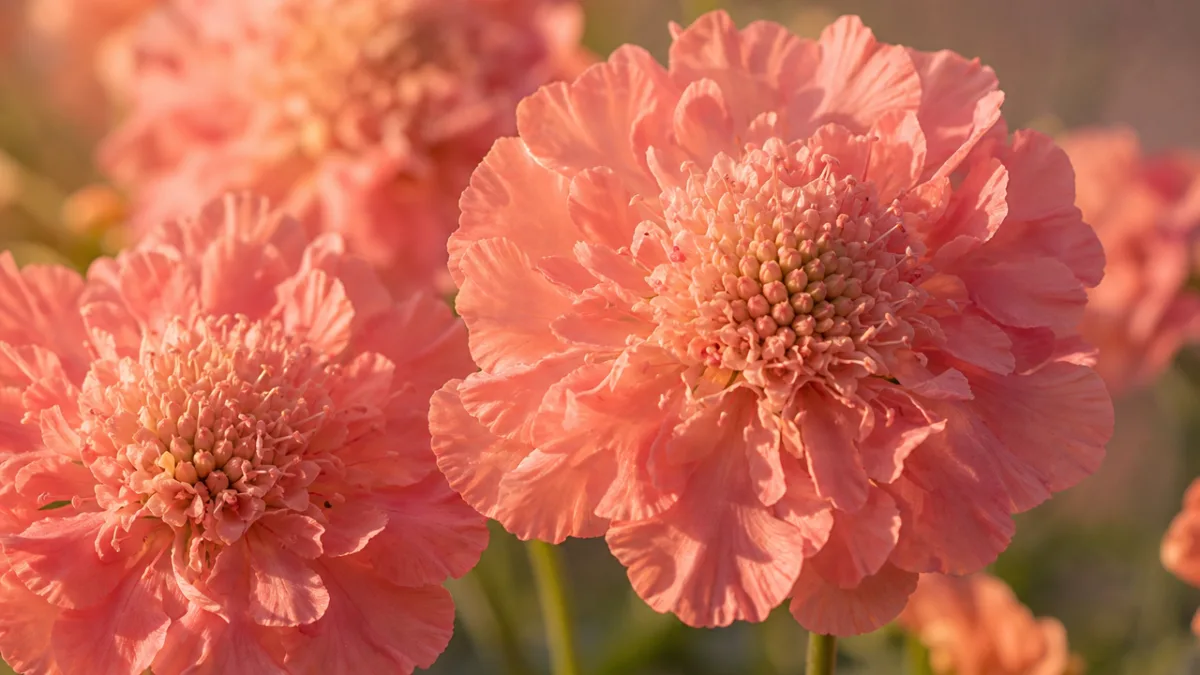
The name “pincushion flower” comes from the distinctive appearance of each bloom, where tiny florets are arranged in a domed formation that closely resembles a pincushion bristling with pins. This unique structure gives the flowers an intricate, almost handcrafted quality that makes them highly attractive to both human admirers and pollinators such as bees and butterflies. The Salmon Rose variety specifically produces flowers in a warm, peachy-salmon tone with subtle rose undertones, creating a look that is simultaneously vibrant and softly romantic.
Growing Scabiosa Salmon Rose from seed is a genuinely rewarding experience, and purchasing a packet of 40 seeds gives gardeners ample opportunity to establish a generous planting. With proper care, these flowers will bloom abundantly from early summer through to the first frosts of autumn, providing months of colour and an almost endless supply of cut flowers for indoor arrangements. This guide will walk you through everything you need to know to grow this beautiful plant successfully, from sowing to harvesting and beyond.
Understanding the Plant: Botanical Profile and Characteristics
Scabiosa is a member of the Caprifoliaceae family, although it was historically classified within the Dipsacaceae family, and encompasses around 80 species of annuals, biennials, and perennials. Scabiosa atropurpurea, the species from which most annual garden varieties including the Salmon Rose cultivar derive, originates from the Mediterranean region and parts of Asia. This heritage gives the plant its preference for well-drained soils and sunny positions, traits that directly inform how best to grow it in a home garden setting.
The Salmon Rose variety typically grows to a height of around 60 to 90 centimetres, producing branching stems that carry individual flower heads measuring approximately 5 to 7 centimetres in diameter. The foliage is deeply lobed or pinnate on the lower portion of the stem, becoming simpler and more lance-shaped toward the top. The overall habit of the plant is airy and open, which means it works beautifully in combination with more solid or architectural plants without overwhelming neighbouring species.
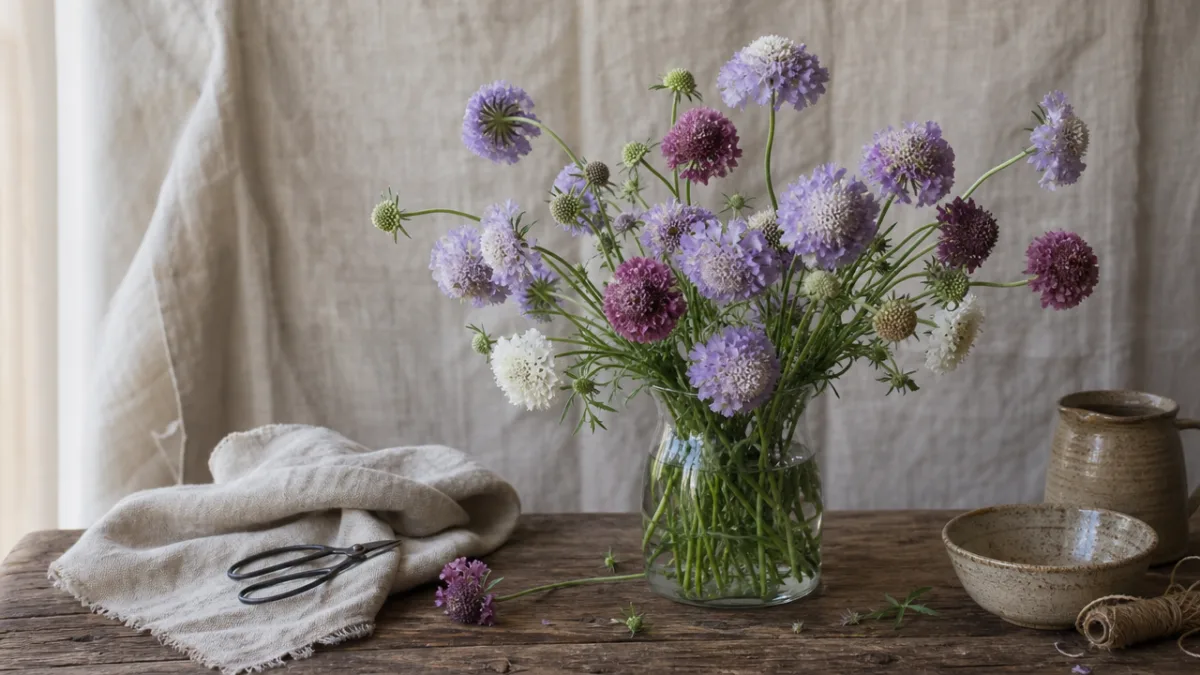
One of the most commercially valuable characteristics of Scabiosa Salmon Rose is its exceptionally long vase life as a cut flower. The blooms, once harvested at the correct stage, can last up to two weeks in fresh water, making them highly sought after by florists and wedding designers. The pincushion flower has enjoyed a significant revival in recent years as the trend toward naturalistic, meadow-inspired floral arrangements has grown, and the Salmon Rose variety is among the most popular because its warm tones complement a wide range of other cut flowers including roses, lisianthus, and eucalyptus.
Sowing and Germination: Getting Started with Your 40 Seeds
Starting Scabiosa Salmon Rose from seed is a straightforward process, though timing and technique matter considerably for achieving the best results. Seeds can be started indoors six to eight weeks before the last expected frost date in your region, or sown directly into the garden once the risk of frost has passed and the soil has begun to warm. For gardeners who want the earliest possible bloom time, indoor sowing under supplemental lighting is the most reliable approach, allowing seedlings to develop strong root systems before being transplanted outside.
To sow your seeds indoors, fill seed trays or small individual pots with a good quality seed-starting compost that drains freely. Sow seeds at a depth of approximately 3 to 5 millimetres, pressing them gently into the surface and covering lightly with compost or vermiculite. Water the trays carefully using a fine rose or misting spray to avoid displacing the seeds, and place them in a warm location where temperatures remain between 18 and 21 degrees Celsius. Germination typically occurs within 10 to 20 days under these conditions, though some variation between individual seeds is normal and to be expected.
Once seedlings have emerged and developed their first true leaves, they should be thinned or pricked out into individual cells or small pots to allow each plant sufficient space and nutrients to develop properly. At this stage, providing plenty of light is critical — seedlings that are grown in insufficient light will become leggy and weak, which can compromise their long-term vigour. A south-facing windowsill or a position under grow lights for 14 to 16 hours per day will produce compact, robust seedlings that establish quickly when moved outdoors.
Direct Sowing Outdoors
For gardeners who prefer to sow directly into the garden, Scabiosa Salmon Rose responds well to direct sowing once soil temperatures have reached at least 15 degrees Celsius. Prepare the seedbed by raking the soil to a fine tilth, removing any weeds or large stones, and incorporating a light dressing of general-purpose fertiliser if the soil is poor. Sow seeds thinly in rows or broadcast them across the planting area, then thin seedlings to a spacing of around 30 centimetres once they are large enough to handle. Direct-sown plants often establish with exceptional vigour because their root systems never experience the disruption of transplanting.
Important Note Regarding Distribution Restrictions
As indicated in the product listing, this particular seed offering is not available for dispatch to Western Australia. This restriction exists because Western Australia has some of the most stringent biosecurity regulations of any state in Australia, designed to protect the state’s unique agricultural and natural ecosystems from the introduction of potentially invasive plant species or associated pathogens. Gardeners in Western Australia should consult local horticultural suppliers or the Department of Primary Industries and Regional Development for guidance on approved alternatives or locally sourced seed.
Soil, Sun, and Site Selection
Choosing the right location for your Scabiosa Salmon Rose planting is one of the most important decisions you will make, and getting it right will pay dividends throughout the growing season. These plants are fundamentally sun-lovers, requiring a minimum of six hours of direct sunlight each day to flower prolifically. In gardens where shade is unavoidable during part of the day, aim for morning sun rather than afternoon shade, as this arrangement tends to suit the plant better and reduces the risk of mildew that can occur when foliage remains wet and warm in the evening hours.
Soil quality and drainage are equally important considerations. Scabiosa has a strong preference for well-drained, slightly alkaline to neutral soils with a pH range of approximately 6.5 to 7.5. Heavy clay soils that become waterlogged during wet periods are poorly suited to this plant and will frequently result in root rot and premature death. If your garden has heavy soil, you can improve drainage by incorporating generous quantities of horticultural grit, coarse sand, or organic matter such as well-composted bark or leaf mould before planting. Raised beds are also an excellent solution for gardeners dealing with problematic drainage.
In terms of fertility, Scabiosa Salmon Rose performs best in soils of moderate rather than high fertility. Overly rich soils, particularly those high in nitrogen, tend to promote lush, leafy growth at the expense of flowering, which is the opposite of what most gardeners want. A light application of a balanced, slow-release fertiliser at planting time is usually sufficient, after which little additional feeding should be necessary unless plants begin to show signs of nutrient deficiency such as pale or yellowing foliage. In containers, a monthly liquid feed with a balanced fertiliser during the growing season will help sustain flowering over a longer period.
Watering, Feeding, and Ongoing Care
Once established in the garden, Scabiosa Salmon Rose is a relatively drought-tolerant plant that requires less supplemental watering than many other common garden annuals. However, during the establishment phase immediately after transplanting, consistent moisture is important to help the root system develop and anchor the plant securely in the soil. Water newly planted seedlings thoroughly every two to three days during dry weather, reducing frequency gradually as the plants grow larger and their root systems extend deeper into the soil profile where moisture is more reliably available.
Deadheading spent blooms is perhaps the single most important maintenance task for extending the flowering season of Scabiosa Salmon Rose as long as possible. When individual flower heads begin to fade and decline, removing them promptly before seed development begins signals the plant to produce additional flower buds rather than directing energy into seed maturation. This process of removing spent flowers, carried out every few days throughout the summer, can dramatically extend the productive life of each plant and maintain a consistently attractive appearance in the garden. Use clean, sharp scissors or secateurs and cut the spent stem back to the first pair of leaves or to a visible emerging bud.
Staking may be required in exposed gardens or during periods of windy weather, particularly once plants have reached their full height. The slender stems of Scabiosa, while elegant, can be vulnerable to wind damage, especially when the plants are carrying a full complement of flower heads. Supporting plants with bamboo canes and soft garden twine, or using proprietary link stakes placed early in the season, will help maintain an upright, attractive habit and prevent the frustrating spectacle of entire plants being flattened by summer storms just as they reach the peak of their beauty.
Common Pests and Diseases
Scabiosa Salmon Rose is generally a robust and trouble-free plant, but like all garden subjects it can be affected by certain pests and diseases under unfavourable conditions. Aphids occasionally colonise the soft growing tips of young plants and can be controlled by squashing by hand, encouraging natural predators such as ladybirds and lacewings, or using an approved insecticidal soap spray if infestations become severe. Powdery mildew, a fungal disease that appears as a white powdery coating on the leaves, can affect plants growing in poorly ventilated positions or during hot, dry summers, and is best prevented through good air circulation and avoiding overhead watering late in the day.
- Aphids — treat with insecticidal soap or encourage natural predators; inspect growing tips regularly throughout the season
- Powdery mildew — improve air circulation, avoid wetting foliage in the evening, remove and dispose of affected material promptly
- Slugs and snails — most damaging to young seedlings; use copper tape, organic slug pellets, or beer traps as appropriate deterrents
- Root rot — almost always caused by poor drainage; prevention through site selection and soil improvement is far more effective than treatment
Harvesting for Cut Flowers and Seed Saving
One of the greatest pleasures of growing Scabiosa Salmon Rose is the abundance of beautiful cut flowers it produces throughout the season. To harvest blooms at their best, cut stems in the early morning when plants are well-hydrated, choosing flower heads that are just beginning to open and show colour but have not yet fully expanded. At this stage the flowers will continue to develop in the vase, providing a prolonged display. Cut stems as long as possible, stripping the lower foliage to prevent it from fouling the water, and plunge them immediately into clean, cool water in a deep container.
For indoor arrangements, change the water every two days and keep vases away from direct sunlight, radiators, and bowls of ripening fruit, all of which produce ethylene gas that accelerates the ageing of cut flowers. Adding a commercial cut flower preservative to the vase water will extend longevity further by providing a small amount of sugar as a food source and an acidifier that helps water travel efficiently up the stem. Properly cared for, cut Scabiosa Salmon Rose blooms can remain attractive in a vase for an impressive ten to fourteen days, making them genuinely competitive with many more expensive commercially grown cut flowers.
Allowing a proportion of flower heads to set seed toward the end of the season enables gardeners to save seed for the following year, extending the value of the original 40-seed packet almost indefinitely. To save seed successfully, select the healthiest and most vigorously flowering plants and allow several flower heads on each to mature fully on the stem. The seed heads will turn from green to a papery brown as they ripen, at which point they can be cut and placed in a paper bag to dry completely in a warm, well-ventilated location indoors. Once fully dry, the seeds can be extracted by gently rubbing the seed heads between the palms and stored in labelled paper envelopes in a cool, dry, frost-free location until the following spring.
Uses in Garden Design and Companion Planting
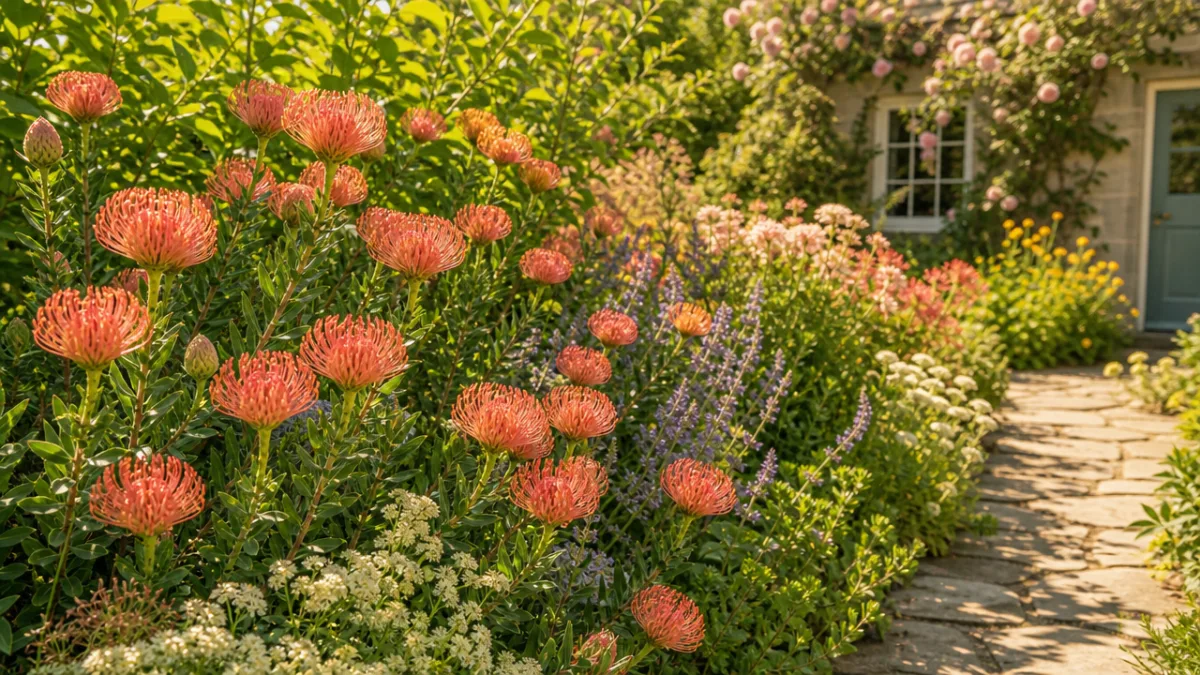
Scabiosa Salmon Rose is an exceptionally versatile plant from a design perspective, working harmoniously in a wide range of garden styles from formal cutting gardens to loose, naturalistic meadow plantings. In cottage garden schemes, the airy habit and warm salmon tones of this variety pair beautifully with lavender, echinacea, achillea, and salvias to create a planting that looks simultaneously abundant and effortlessly natural. The relatively neutral, warm tone of the Salmon Rose flowers makes them exceptionally easy to combine with both cool blues and purples and warm yellows and oranges, giving the designer considerable flexibility in creating pleasing colour combinations.
From a companion planting perspective, Scabiosa offers genuine ecological benefits beyond its visual appeal. The open, nectar-rich flowers are among the most attractive to pollinators of any commonly grown garden annual, drawing in bumblebees, honeybees, hoverflies, and numerous species of butterfly throughout the long flowering season. Planting Scabiosa near vegetable gardens and fruit trees can help improve pollination rates and overall crop yields, making it both a beautiful and functionally useful addition to productive growing spaces. The flowers also attract beneficial predatory insects that prey on garden pests, contributing to a more balanced and healthy garden ecosystem overall.
In container gardens and patio displays, Scabiosa Salmon Rose can be grown very successfully in large pots or troughs, provided drainage is excellent and watering is consistent. Combine it with trailing plants such as bacopa or lobelia at the edges of containers, and add some height and structure with ornamental grasses or taller annuals such as cosmos to create a multi-layered display that provides interest and movement throughout the season. Container-grown plants will benefit from regular feeding and may require more frequent watering than their garden-grown counterparts, particularly during hot weather when pots can dry out surprisingly quickly.
Recommended Companion Plants
- Lavender — shares the same preference for well-drained, sunny conditions and creates a beautiful colour contrast with the salmon blooms
- Cosmos — similar airy habit and long flowering season; white and pink varieties are particularly complementary alongside Salmon Rose scabiosa
- Echinacea — structural, bold daisy flowers in warm tones that create an attractive contrast in texture while attracting the same pollinator species
- Nigella — provides fine, feathery foliage and blue flowers that contrast beautifully with the warm salmon tones of scabiosa in naturalistic plantings
- Achillea — flat-topped flower heads in yellows and creams create an interesting structural contrast and extend the season of interest beyond summer
Whatever design approach you choose, Scabiosa Salmon Rose is a plant that rewards thoughtful placement and consistent care with an extraordinary return in beauty, wildlife value, and cutting material. Beginning with 40 seeds gives any gardener a genuine abundance of material to work with, enough to establish generous plantings across multiple areas of the garden while still having plants available for containers and cutting. Few plants offer such a compelling combination of ease of cultivation, extended flowering, ecological benefit, and pure aesthetic pleasure, making Scabiosa Salmon Rose an outstanding choice for gardeners of all levels of experience.








What do you think?
It is nice to know your opinion. Leave a comment.