










Easy DIY House Decor: Home Decoration Ideas for Every Room
Why DIY Home Decoration Is Worth Your Time and Effort
There is something deeply satisfying about looking around your home and knowing that the beautiful details surrounding you were made by your own hands. DIY home decoration has surged in popularity over the past decade, and for very good reason. When you create your own decor, you gain complete control over colors, textures, sizes, and styles, meaning every piece you place in your home is a genuine reflection of your personality rather than a mass-produced item sitting on a thousand other shelves.
Beyond the creative fulfillment, DIY decor is remarkably budget-friendly. Professional interior designers and high-end home stores often charge extraordinary prices for pieces that, at their core, are made from simple, accessible materials. A macramé wall hanging that sells for seventy dollars in a boutique shop might cost you ten dollars in cord and an afternoon of enjoyable crafting. A set of decorative throw pillows with custom covers can be made for a fraction of retail cost, tailored precisely to your color scheme rather than whatever the store has in stock.
Perhaps most importantly, DIY home decoration gives your space a sense of authenticity and warmth that purchased items simply cannot replicate. Guests who visit your home will notice the unique touches, the hand-painted accents, the carefully crafted centerpieces. These details spark conversation, tell stories, and transform a house into a home that feels genuinely lived in and loved. Starting your DIY journey, even with small projects, creates a foundation for a home that grows richer and more personal over time.
Living Room Transformations: Making Your Gathering Space Shine
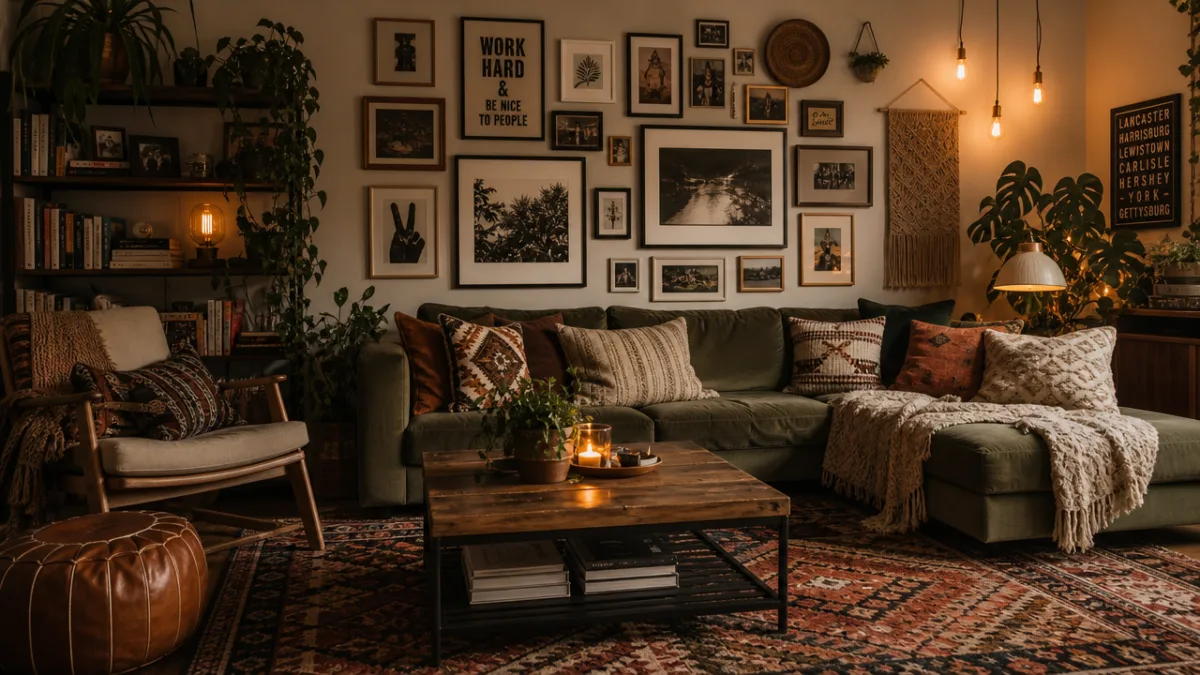
The living room is arguably the most important space to decorate well because it sets the tone for the entire home and serves as the primary gathering place for family and guests alike. One of the most impactful and accessible DIY projects for any living room is creating a gallery wall. This involves collecting a mix of framed photographs, artwork, mirrors, and decorative objects and arranging them in a cohesive grouping on one prominent wall. The key is to plan your arrangement on the floor first, mixing frame sizes and shapes until you find a composition that feels balanced and intentional.
Another transformative living room project involves working with textiles. Swapping out cushion covers, adding a new throw blanket draped artfully over the sofa, or sewing simple curtain panels from affordable fabric can dramatically shift the mood of a room without requiring any structural changes. If you have a neutral sofa, consider making bold, patterned cushion covers in colors that complement your existing palette. Fabric paint and stencils can be used to add geometric or botanical patterns to plain linen for a custom, designer-quality result at almost no cost.
Accent furniture pieces offer another avenue for creative DIY expression in the living room. An old wooden crate sanded smooth and sealed with wood stain becomes a charming side table. A thrifted wooden ladder leaned against the wall creates the perfect spot to display rolled blankets and trailing plants. Painting a tired end table in a fresh, unexpected color and swapping out its hardware for something more interesting can give it a completely new identity. These kinds of projects require minimal skill but deliver maximum visual impact, proving that resourcefulness is often the most important tool in any decorator’s kit.
Bedroom Bliss: Creating a Personal Sanctuary with DIY Decor
The bedroom should be a sanctuary, a space that feels calm, personal, and restorative the moment you step inside. DIY decoration in the bedroom often centers around the bed itself, since it dominates the room visually and emotionally. One of the most impactful projects you can undertake is creating a DIY headboard. Whether you upholster a simple plywood panel in velvet fabric, mount a collection of reclaimed wooden planks painted in a soft matte finish, or weave macramé panels behind the bed, a custom headboard instantly elevates the entire room and creates a clear focal point around which everything else can be arranged.
Lighting in the bedroom deserves far more attention than most people give it. The harsh overhead lights that come standard in most homes are rarely flattering or restful. DIY lighting solutions can completely change the atmosphere of a bedroom without requiring any electrical work. String lights wound through a simple wooden frame create a soft, glowing canopy effect above a reading nook. Mason jars fitted with battery-operated fairy lights make charming bedside lamps. Lampshades on existing fixtures can be refreshed with paint, fabric, or even carefully glued natural materials like dried botanicals or thin strips of bamboo.
Storage is another area where DIY creativity pays enormous dividends in the bedroom. Floating shelves made from simple pine boards and inexpensive shelf brackets can display books, plants, and decorative objects while keeping the floor clear and open. A pegboard mounted on a closet wall, painted in a complementary color, becomes a functional and beautiful organizational system for jewelry, scarves, and small accessories. Even something as simple as painting wooden crates in coordinating colors and stacking them as a bedside table provides storage and style in equal measure, making the most of every inch of available space.
Kitchen and Dining Room: DIY Decor That Blends Beauty and Function
The kitchen and dining areas present a wonderful opportunity to blend decorative creativity with genuine functionality. One of the most beloved DIY projects for these spaces is creating an herb garden displayed on the kitchen windowsill or mounted on a wall. Simple terracotta pots, small wooden crates, or even repurposed tin cans painted in coordinating colors can house basil, rosemary, thyme, and mint. Label each pot with hand-lettered tags for a charming, artisanal look that also keeps fresh herbs within arm’s reach while cooking.
Open shelving in kitchens has become enormously popular, and installing your own is far more accessible than most homeowners assume. Simple floating shelves in the kitchen, styled with a thoughtful mix of everyday dishes, ceramic canisters, cookbooks, and small plants, create a display that is simultaneously beautiful and practical. The key to styling open kitchen shelves successfully is to vary heights and textures, mixing matte and glossy surfaces, and incorporating at least one living element such as a small potted herb or trailing plant to add softness and life to what might otherwise feel like a strictly utilitarian arrangement.
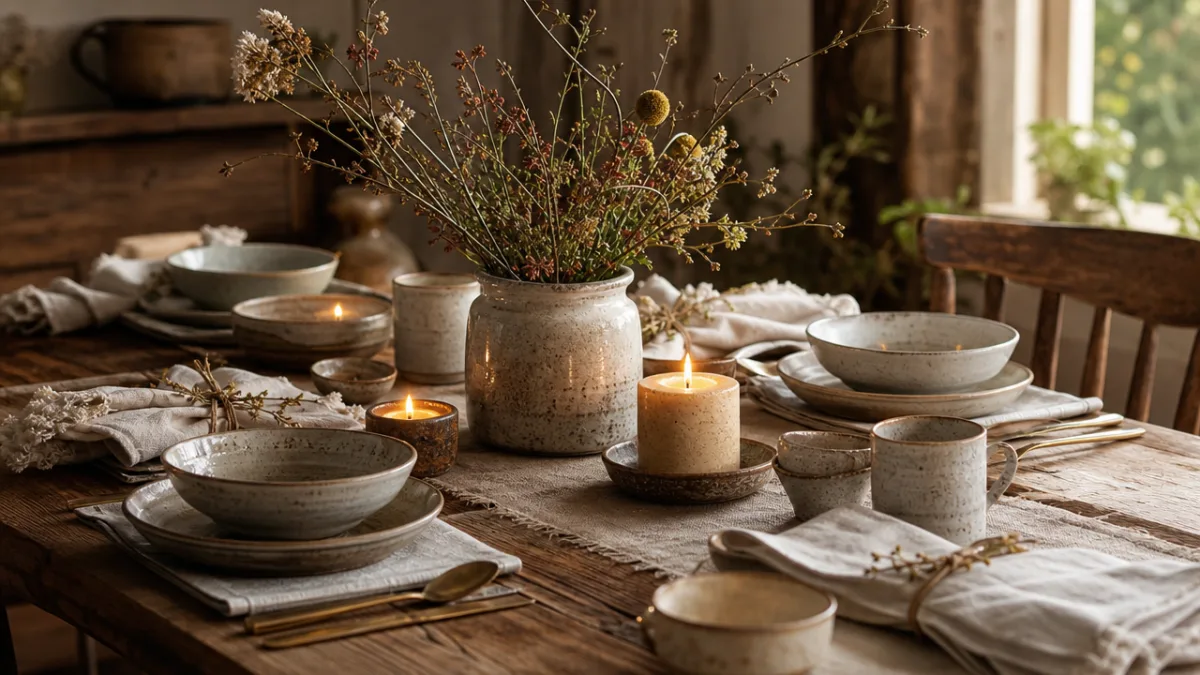
For the dining room, DIY centerpieces offer endless creative possibilities across every season and budget. A wooden board or slice of live-edge wood makes an elegant base for a centerpiece arrangement. Consider these simple but effective centerpiece ideas to keep your dining table feeling fresh throughout the year:
- A cluster of varying-height candles in mismatched holders grouped on a wooden tray for a warm, intimate dinner atmosphere
- A long, low arrangement of dried grasses, seed pods, and branches gathered from a local park and placed in simple ceramic vessels
- A collection of small glass bottles or bud vases filled with single stems cut from the garden, arranged in a loose, effortless grouping
- Seasonal fruit piled generously in a wooden bowl or wire basket, shifting from citrus in winter to stone fruit in summer
- A terrarium built inside a glass cloche or large jar, filled with moss, small stones, and miniature succulents
Table linens are another area where DIY skills can shine beautifully in the dining space. Plain linen or cotton napkins and table runners can be transformed with fabric paint, block printing, or simple embroidery. Even a beginner with no formal sewing skills can hem a length of fabric into a beautiful table runner in under an hour. These handmade textiles add extraordinary warmth and personality to the dining experience, making even an ordinary weeknight dinner feel like a curated occasion worth savoring.
Bathroom Upgrades: Small Space, Big Decorative Impact
Bathrooms are frequently overlooked in home decoration projects, yet they offer some of the most rewarding DIY opportunities precisely because the space is small. A relatively modest investment of time and materials can produce a transformation that feels dramatic and comprehensive. One of the quickest ways to refresh a bathroom is by replacing or upgrading the hardware. Swapping out a dated towel bar, toilet paper holder, and cabinet pulls for cohesive, modern alternatives in brushed gold, matte black, or polished nickel takes only an hour and requires nothing more than a screwdriver, yet the visual difference is remarkable.
Plants have become a beloved feature in modern bathroom design, and for excellent reason. The naturally humid environment created by showers makes bathrooms ideal for certain varieties of plants that thrive in moisture-rich conditions. Hanging a small potted fern from a ceiling hook, placing an air plant in a simple geometric holder on the counter, or setting a trailing pothos on a high shelf above the toilet introduces organic life and color into a space that can otherwise feel cold and clinical. Pair these plants with natural materials like wooden bath mats, woven baskets for storage, and linen hand towels for a spa-like aesthetic that costs very little to achieve.
Art belongs in the bathroom just as much as in any other room of the house, though many people neglect this opportunity entirely. Framing a collection of botanical prints, vintage maps, or even pages torn from an old art book creates a gallery-style display that adds personality and interest to an otherwise utilitarian space. Be sure to use frames with sealed backs or coat wooden frames with a protective varnish to prevent warping from humidity. A small shelf above the toilet can display a single piece of sculpture, a candle, and a small plant, transforming a purely functional spot into an intentional, beautiful vignette worth appreciating each time you enter the room.
Outdoor and Entryway Decor: First Impressions That Last
The entryway is the very first space that greets you when you come home and the first impression your home makes on every visitor who crosses the threshold. Investing creative energy in this transitional space pays returns every single day. A simple DIY project that makes an enormous difference is creating a custom entryway organizer. Mounting a row of hooks at varying heights on a painted board, adding a small shelf above and a narrow bench below, creates a functional landing zone for coats, bags, keys, and shoes that also looks intentional and welcoming rather than chaotic.
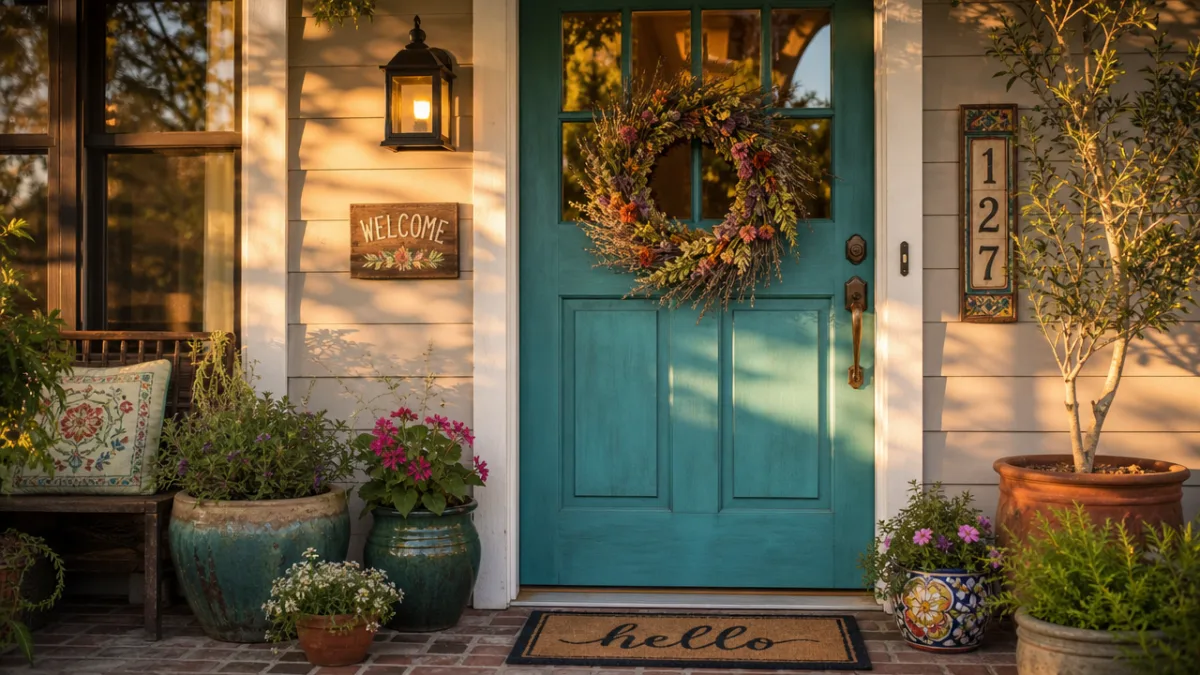
The front door itself is one of the most powerful decorative statements your home can make, and painting it is one of the highest-impact, lowest-cost transformations available to any homeowner or renter with landlord permission. A bold, confident front door color — deep navy, forest green, terracotta red, or classic black — instantly elevates the curb appeal of even the most modest home. Pair a freshly painted door with a DIY wreath made from dried botanicals, eucalyptus, or seasonal foliage to create a welcoming entrance that reflects the current season and your personal aesthetic sensibility.
Outdoor spaces, whether a full garden, a small patio, a balcony, or even a single doorstep, benefit enormously from thoughtful DIY decoration. Consider these accessible projects for bringing life and style to outdoor areas:
- Painted terracotta pots: Use exterior paint to create geometric patterns, color blocking, or botanical motifs on plain terracotta pots, then fill them with colorful seasonal plants for a custom container garden.
- DIY outdoor lanterns: Glass mason jars or old tin cans with punched patterns become beautiful outdoor lanterns when fitted with tea lights or battery-operated candles.
- Pallet furniture: Cleaned and sanded wooden pallets can be stacked and cushioned to create low-profile outdoor sofas and coffee tables at almost no material cost.
- String light canopy: Stringing outdoor-rated Edison bulb lights between fence posts or overhead hooks creates an instant outdoor room feel, perfect for evening gatherings.
- Stepping stone path: Casting your own stepping stones from concrete mixed in a simple mold allows you to embed decorative glass, shells, or mosaic tiles for a completely custom garden path.
The beauty of DIY outdoor decor lies in its impermanence and adaptability. Unlike permanent architectural features, handmade outdoor decorations can be updated seasonally, replaced as your taste evolves, or taken with you when you move. This flexibility encourages ongoing creative engagement with your outdoor space, transforming it from a neglected afterthought into an extension of your home’s interior style and an inviting space where real life, relaxation, and connection happen naturally and joyfully throughout every season of the year.
Getting Started: Tools, Materials, and Mindset for DIY Success
One of the most common barriers people face when considering DIY home decoration is the belief that they lack sufficient skill, talent, or the right equipment to produce results worth displaying. This belief is almost universally unfounded. The vast majority of impactful DIY home decor projects require only a handful of basic tools and a willingness to try, make mistakes, and try again. A good starter toolkit for home decoration projects includes a hammer, a drill with basic bits, a level, sandpaper in multiple grits, paintbrushes in various sizes, painter’s tape, and a hot glue gun. These tools, many of which can be borrowed or purchased secondhand, will take you through dozens of successful projects.
Sourcing materials thoughtfully is part of the creative process and a skill worth developing early in your DIY journey. Thrift stores, estate sales, and online marketplace platforms are treasure troves of raw materials and items waiting to be transformed. A chipped ceramic vase repainted becomes a designer accent piece. A scratched wooden frame sanded and stained becomes a beautiful showcase for meaningful art. Fabric remnants sold cheaply at craft stores become throw pillow covers, curtain panels, or table runners. Natural materials gathered on walks — branches, stones, pinecones, dried seed heads — become the raw ingredients for seasonal wreaths, centerpieces, and table arrangements of genuine beauty and character.
Perhaps the most important element in successful DIY home decoration is not skill or materials but mindset. Approaching your home as a work in progress, an evolving expression of who you are and how you want to live, removes the pressure of perfection and replaces it with the pleasure of exploration. Not every project will turn out exactly as planned, and that is not only acceptable but inevitable and even valuable. Each attempt teaches you something new about materials, scale, color, and your own evolving aesthetic. Give yourself permission to experiment freely, to paint over what does not work, to disassemble and rebuild, and to take genuine pride in everything you create with your own capable, creative hands.








What do you think?
It is nice to know your opinion. Leave a comment.