










Full Sun Perennial Garden Plan: A Complete Guide to a Thriving, Low-Maintenance Landscape
Understanding Full Sun Conditions and Why Perennials Thrive in Them
A full sun garden receives at least six to eight hours of direct sunlight each day, and this abundance of light creates one of the most dynamic and rewarding growing environments a gardener can work with. Plants adapted to these conditions have evolved remarkable strategies for capturing solar energy, producing vivid blooms, and developing deep root systems that allow them to return year after year with minimal intervention. Understanding what your garden is working with is the essential first step before placing a single plant in the ground.
Unlike shade gardens that depend on subtlety and foliage texture, full sun perennial gardens can lean into bold color, dramatic height variations, and an extended season of bloom that begins in early spring and carries through the first hard frosts of autumn. The extended light exposure encourages sturdy stems, compact growth habits in many species, and a higher concentration of the oils and pigments that make flowers so visually striking. This makes full sun beds particularly rewarding for gardeners who want a landscape that looks intentional and cared for even during the busy growing season.
Before planning your plant selection, it helps to observe your site at different times of day over the course of a week. South-facing beds typically receive the most intense, sustained light, while east-facing spots offer gentler morning sun and some afternoon relief. Soil drainage, wind exposure, and proximity to reflective surfaces like walls or driveways can all amplify or modify how your plants experience that sunshine. Taking notes on these microclimatic details will help you match plants to the precise conditions in each section of your bed, dramatically improving your long-term success rate.
Designing Your Garden Layout: Structure, Flow, and Seasonal Interest
A well-designed perennial garden is not simply a collection of plants you happen to like — it is a composed landscape that tells a visual story across the entire growing season. The most successful full sun perennial plans are built around a layered structure: tall background plants that anchor the design, medium-height plants that fill the body of the bed, and low-growing front-edge plants that soften transitions and spill gently onto pathways. This tiered approach ensures that every plant is visible and that the garden feels full and lush from the earliest weeks of spring through the final days of autumn.
Seasonal sequencing is arguably the most important and most frequently overlooked element of perennial garden planning. Because perennials bloom on their own schedules, you need to think carefully about which plants will be in bloom at the same time, which will be transitioning, and which will simply be contributing foliage or structure during their off-peak periods. A garden that explodes with color in June but looks sparse and tired by August has a planning problem, not a plant problem. Mapping bloom times onto a calendar grid before you buy a single plant will reveal gaps you can then fill with carefully chosen species.
Color theory also plays a meaningful role in garden design, and full sun beds give you the palette range to work with almost any aesthetic. Warm schemes built around reds, oranges, and yellows feel energetic and welcoming, and tend to look especially stunning in the long low light of late afternoon. Cool schemes using blues, purples, and whites feel tranquil and elegant, and they almost glow in the softer light of early morning or overcast days. Many gardeners find that a mixed approach — warm tones in the foreground and cool tones receding into the background — creates a sense of depth and movement that makes even a modest-sized bed feel expansive and professionally composed.
Top Perennial Plants for a Full Sun Garden
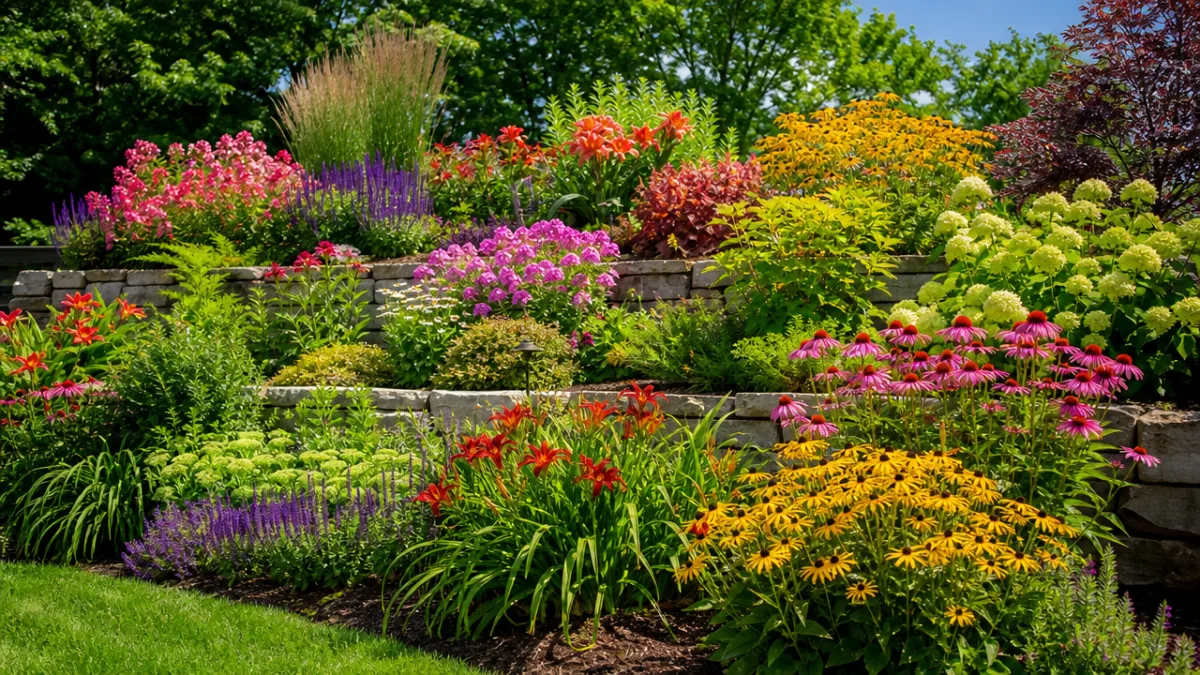
Choosing the right plants is both the most exciting and most consequential decision in building a perennial garden. For full sun conditions, there are dozens of reliable, widely available species that will reward you with years of growth and bloom once they are established. Coneflowers, also known as Echinacea, are among the most versatile and beloved options, producing large daisy-like blooms in shades from classic purple to warm orange and cream. They bloom from midsummer into early autumn, attract pollinators aggressively, and develop attractive seedheads that extend their garden interest well into winter.
Black-eyed Susans (Rudbeckia) are another cornerstone plant for sunny perennial borders, offering golden yellow blooms with dark centers from July through September. They naturalize readily, meaning a small initial planting will expand into a reliable, self-sustaining colony over several seasons. Salvia nemorosa varieties provide rich spikes of violet-blue flowers in late spring and early summer, and they frequently rebloom if cut back after their first flush fades. Daylilies (Hemerocallis) are practically indestructible in full sun, producing a seemingly endless succession of trumpet-shaped flowers across an enormous range of colors throughout the summer months.
For vertical structure and late-season interest, consider adding some of the following to your plan:
- Russian Sage (Perovskia atriplicifolia) — Airy silver stems topped with lavender-blue flowers; blooms July through September and provides beautiful winter silhouette.
- Catmint (Nepeta) — Low-growing mounds of soft blue-purple flowers; extraordinarily drought-tolerant and almost continuous blooming when deadheaded regularly.
- Shasta Daisy (Leucanthemum) — Classic white daisy blooms from June into August; excellent for cutting and highly attractive to butterflies.
- Yarrow (Achillea) — Flat-topped flower clusters in yellow, red, pink, or white; tolerates poor soils and drought with ease.
- Blazing Star (Liatris spicata) — Tall, dramatic purple spikes that bloom top-to-bottom; exceptional pollinator magnet and drought-tolerant once established.
Ornamental grasses deserve special mention in any full sun perennial plan because they provide movement, texture, and sound that flowering plants simply cannot replicate. Little Bluestem (Schizachyrium scoparium) turns stunning shades of orange and red in autumn, while Feather Reed Grass (Calamagrostis) produces upright, architectural columns of feathery plumes that catch light beautifully. Incorporating grasses at intervals throughout your border helps unify the planting visually and ensures the garden retains genuine presence and interest even when few perennials are in active bloom.
Soil Preparation and Planting Techniques for Long-Term Success
No matter how carefully chosen your plants are, a perennial garden will struggle if it is planted into poorly prepared soil. The investment of time and resources you make in soil preparation before planting pays dividends for the entire life of the garden — potentially decades — so this step deserves serious attention. Begin by testing your soil’s pH, texture, and organic matter content. Most full sun perennials prefer a slightly acidic to neutral pH in the range of 6.0 to 7.0, and they perform best in well-draining, loamy soil that holds some moisture without becoming waterlogged.
If your soil is heavy clay, you will need to amend it generously before planting. Working in several inches of compost, aged manure, or other organic matter will improve drainage, aeration, and the overall biological activity of the soil. Sandy soils, conversely, drain too quickly and benefit from similar organic amendments that help retain moisture and nutrients around plant roots. In either case, avoid the common mistake of simply tilling amendments into the top few inches — perennial roots grow deeply, and thorough incorporation to a depth of twelve to eighteen inches will serve them far better over the long term.
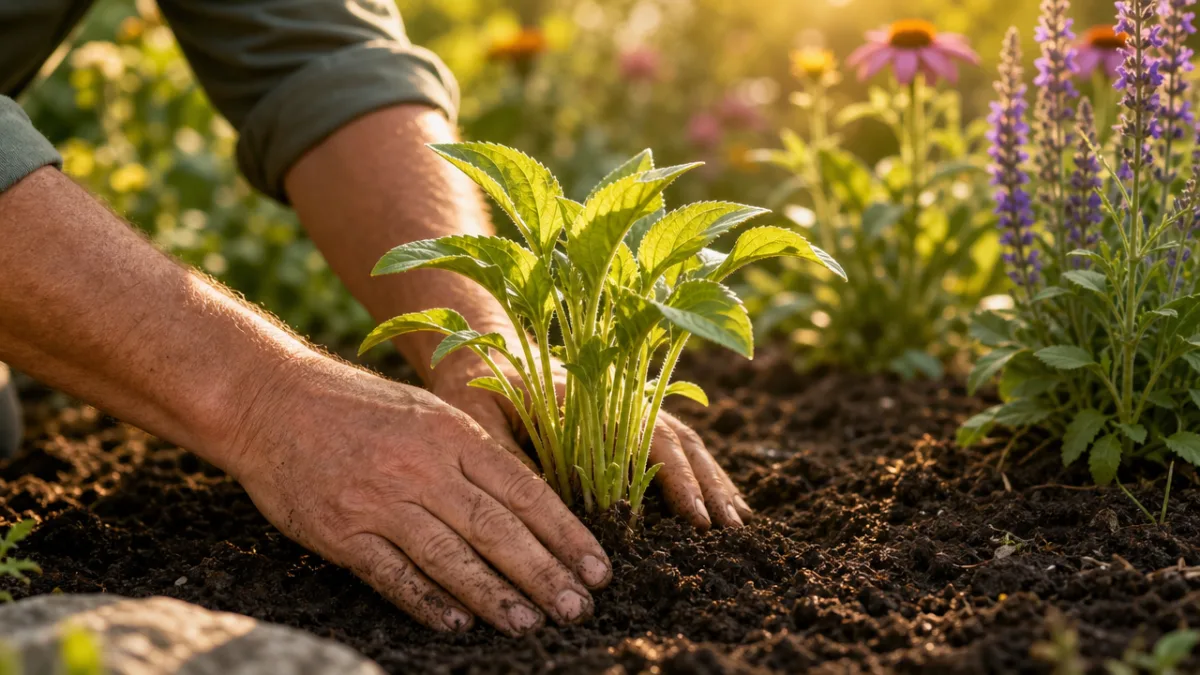
When it comes to actual planting, timing and spacing are critical considerations that many enthusiastic gardeners underestimate. Early spring and early autumn are the ideal planting windows for most perennials because cooler temperatures and typically more reliable rainfall give new transplants time to establish their root systems before facing either summer heat stress or winter cold. Spacing plants according to their mature spread rather than their current size requires patience, but it prevents the overcrowding that leads to disease, competition for resources, and the need for constant division. A newly planted bed may look sparse for its first season, but by year two or three it will fill in beautifully.
Watering, Fertilizing, and Mulching Your Perennial Garden
One of the primary appeals of a well-planned perennial garden is that once plants are established, the overall maintenance burden is substantially lower than an annual garden that must be replanted each season. That said, the establishment period — typically the first full growing season after planting — requires attentive watering to help new root systems develop. During this phase, deep, infrequent watering is far more beneficial than frequent shallow irrigation. Watering deeply once or twice a week encourages roots to grow downward toward consistent moisture rather than remaining shallow and vulnerable to surface drying.
Once established, many full sun perennials are surprisingly drought-tolerant, particularly native species and Mediterranean-origin plants like salvia, catmint, and yarrow. A good general rule is to provide about one inch of water per week during the growing season, either from rainfall or supplemental irrigation. Drip irrigation systems or soaker hoses are ideal for perennial beds because they deliver water directly to the root zone while keeping foliage dry, which significantly reduces the incidence of fungal diseases. Always water in the morning when possible, giving any moisture that does land on leaves time to evaporate before nightfall.
Mulching is one of the most impactful things you can do for a full sun perennial garden, and its benefits extend across multiple dimensions. A two to three inch layer of organic mulch such as shredded bark, wood chips, or composted leaves moderates soil temperature, slows moisture evaporation, suppresses weed germination, and gradually breaks down to improve soil structure over time. Apply mulch in spring after the soil has had a chance to warm, and be careful to keep it pulled back slightly from the base of plant stems to prevent crown rot. Refreshing the mulch layer each year maintains all of these benefits and gives the garden a neat, finished appearance.
Seasonal Maintenance and Garden Care Through the Year
A productive maintenance rhythm for a perennial garden follows the natural arc of the seasons, with distinct tasks concentrated at different times of year. Spring is the busiest period, beginning with cleanup of the previous year’s dead growth that you may have left standing through winter for wildlife habitat and visual interest. Cutting back old stems, dividing overcrowded clumps, refreshing mulch, and adding any new plants to fill gaps in your design are all spring priorities. Early spring is also an excellent time to apply a balanced, slow-release granular fertilizer to support the vigorous growth that will follow as temperatures rise.
Summer maintenance centers primarily on deadheading — the removal of spent flower heads — which encourages many perennials to produce additional flushes of bloom rather than diverting energy into seed production. This is not universally desirable; some gardeners intentionally leave seedheads on coneflowers and black-eyed Susans to feed birds and allow natural self-seeding. Monitoring for pest and disease problems is also a summer task, though a well-planned, diverse perennial garden tends to experience far fewer such problems than a monoculture or an annual bed. Keeping the garden well-weeded through midsummer prevents cool-season weeds from setting seed and becoming a persistent long-term problem.
Autumn brings some of the most rewarding work in the perennial garden. This is the ideal time to divide perennials that have become too large or have developed the hollow centers that indicate they need rejuvenation. Division not only improves the health and vigor of the parent plant but gives you free divisions to expand other areas of the garden or share with fellow gardeners. Late autumn is also the moment to make planting decisions for the following season — evaluating what worked, what underperformed, and what gaps in color, height, or bloom time you want to address before the garden rests for winter.
Creating a Pollinator-Friendly Full Sun Perennial Garden
A thoughtfully planted full sun perennial garden can serve as a critical refuge and food source for the pollinators that are essential to both ecological health and food production. Bees, butterflies, hummingbirds, and beneficial insects are not passive visitors to a well-stocked perennial garden — they are active participants in a web of relationships that sustains the health of the surrounding landscape. Designing your garden with pollinators in mind does not require compromising on beauty; in fact, the plants most beloved by pollinators tend to be some of the most visually spectacular options available for full sun conditions.
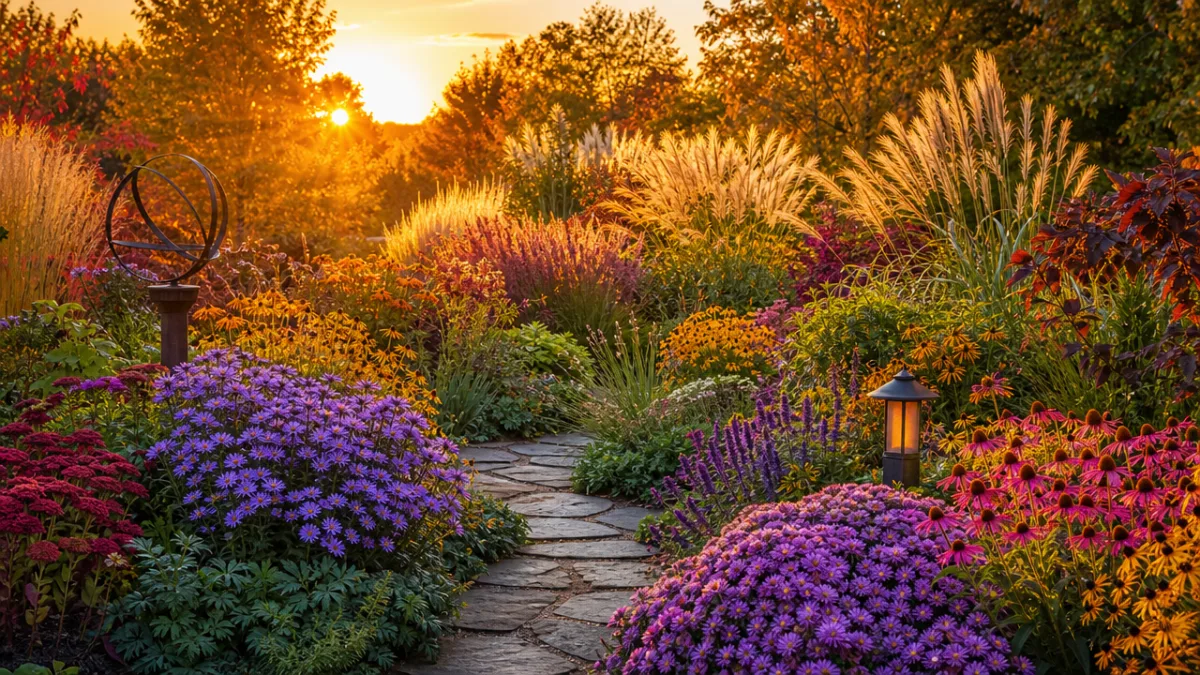
To maximize pollinator value, aim for overlapping bloom times that provide nectar and pollen resources continuously from early spring through late autumn. Early-blooming perennials like salvia and catmint support queen bumblebees emerging from winter dormancy before other food sources are available. Midsummer bloomers like coneflowers, bee balm, and blazing star fuel the peak activity period of most pollinator populations. Late-season asters and sedum provide crucial resources for monarch butterflies preparing for migration and native bees building up winter food reserves. This succession of bloom is both an ecological service and a design achievement worth pursuing.
Beyond plant selection, several design and maintenance choices can make your perennial garden more welcoming to wildlife. Avoiding or minimizing pesticide use is perhaps the single most important factor, as even products marketed as targeted or selective can harm non-target beneficial insects. Leaving some areas of bare or lightly mulched soil creates nesting habitat for the many bee species that nest in the ground rather than in hives. Incorporating a small, shallow water feature provides essential drinking water that many insects struggle to find in suburban and urban landscapes. These small additions cost very little in time or money but substantially increase the ecological value of your garden.
The full sun perennial garden, at its best, is far more than an ornamental feature of your property. It is a living, dynamic ecosystem that rewards observation, thoughtful planning, and a willingness to engage with the natural cycles of growth, bloom, seed, and dormancy that connect a garden to the broader landscape around it. Whether you are starting from bare lawn or refining an existing planting, the principles outlined here will serve you well: understand your site, choose plants suited to its specific conditions, prepare your soil thoroughly, and commit to the seasonal rhythms of care that will keep your garden thriving and evolving for many years to come.








What do you think?
It is nice to know your opinion. Leave a comment.