










25+ Cozy & Creative DIY Outdoor Reading Nooks You’ll Want to Copy!
Why Every Book Lover Needs an Outdoor Reading Nook
There is something undeniably magical about reading outdoors — the rustle of leaves overhead, the warmth of sunlight on your skin, the gentle sound of birds weaving through the pages of your story. But simply pulling a chair onto your porch doesn’t quite capture that enchanted, tucked-away feeling that a true reading nook provides. A dedicated outdoor reading space transforms ordinary backyard real estate into a personal sanctuary, a place that feels intentionally crafted just for you and your books.
The good news is that creating your own outdoor reading nook doesn’t require a large budget or professional carpentry skills. With a little creativity, some reclaimed materials, and a clear vision of how you want to feel when you settle in with your favorite novel, you can build something genuinely beautiful and personal. Countless DIY enthusiasts have proven that even the smallest balconies, narrow garden corners, and compact patios can be transformed into cozy, character-filled retreats that inspire hours of reading pleasure.
Beyond the aesthetic appeal, there are real psychological benefits to having a dedicated space for leisure and reading. When your brain associates a specific spot with relaxation and enjoyment, it becomes easier to slip into a calm, focused state the moment you arrive there. An outdoor reading nook essentially trains your mind to decompress on command — making it not just a lovely design project, but a genuine investment in your mental wellbeing and daily quality of life.
Choosing the Perfect Location in Your Outdoor Space
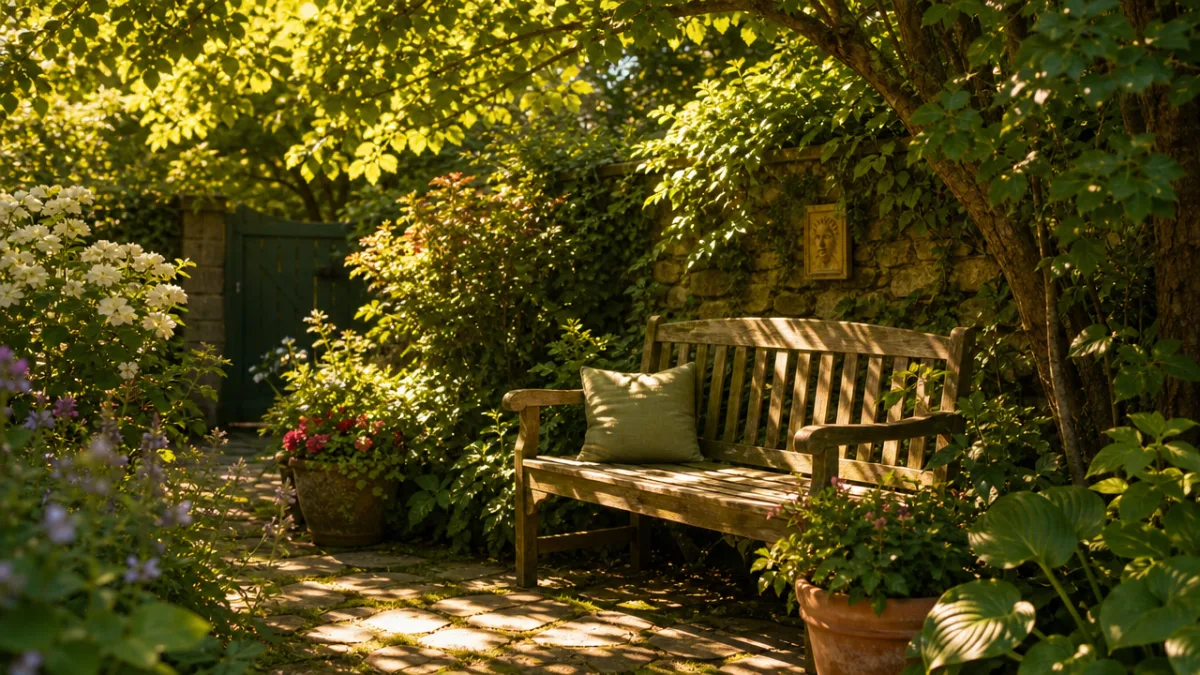
Before you start gathering materials or sketching designs, the most important decision you’ll make is where to place your reading nook. The ideal location balances shade and natural light — you want enough brightness to read comfortably without squinting, but not so much direct sunlight that you’re overheated by mid-morning. Look around your yard, garden, patio, or balcony at different times of day and observe where the light falls gently, where a natural canopy of branches or an existing fence might offer shelter, and where you feel naturally drawn to linger.
Consider also what you want to hear and see from your nook. Some readers thrive with a view of an open garden, watching butterflies and bees move through flower beds while they read. Others prefer the sense of enclosure that comes from tucking a nook into a corner, surrounded by tall hedges or trellised climbing plants. Think about noise, too — a spot near a water feature can be wonderfully soothing, while a corner facing a busy street might demand additional screening with plants, fencing, or fabric panels.
Practical considerations matter just as much as atmosphere. Think about how close your chosen spot is to an electrical outlet if you plan to add string lights or a small fan. Consider drainage — you don’t want to sink a beautiful wooden platform into an area that floods after every rain. Check for overhead hazards like dead branches, and think about whether your chosen spot will feel welcoming in the seasons you plan to use it most. A well-chosen location is the invisible foundation beneath every successful outdoor reading nook.
Popular DIY Structures and Frameworks to Consider
Once you’ve chosen your location, the structure of your nook sets the entire tone of the space. One of the most beloved options is a simple wooden pergola or arbor draped with fabric or climbing plants. A pergola doesn’t require extensive construction experience — flat-pack versions are widely available, and with a weekend and a couple of willing helpers, you can have a sturdy, charming overhead structure that immediately defines your reading space and makes it feel like a room unto itself, even without walls.
For smaller spaces, repurposed materials offer some of the most charming and cost-effective solutions. An old garden shed with its walls opened up and fitted with a window bench becomes a half-indoor, half-outdoor reading cocoon. A large wooden shipping pallet, sanded smooth and painted, can serve as the back wall of a built-in bench. Even a vintage wooden door mounted on two posts with fabric draped from a curtain rod above it creates an instant sense of threshold — of entering a special place set apart from the rest of the world.
Those with a little more ambition might consider building a dedicated reading platform from decking boards, raised slightly off the ground and fitted with built-in bench seating along the edges. This approach works beautifully under an existing tree, using the canopy as a natural roof. Adding a simple railing strung with fairy lights, or wrapping the platform posts with trailing plants, turns a basic carpentry project into something genuinely enchanting. The key is to choose a structure that feels proportionate to your space and matches the existing aesthetic of your garden or outdoor area.
Here are some of the most popular structural approaches DIY enthusiasts use:
- Pergola or arbor frames — freestanding or wall-mounted, ideal for draping fabric, growing climbing plants, and hanging pendant lights to create vertical enclosure without full walls.
- Converted garden sheds — removing one wall or adding large windows opens a shed up to the garden while keeping weather out, creating a semi-sheltered reading room.
- Tree platform nooks — raised decking built around or beneath an existing tree, using the canopy as a living overhead structure.
- Pallet furniture builds — stacked and secured pallets form surprisingly sturdy benches, daybeds, and back walls that can be cushioned and painted to look polished.
- Hammock and swing structures — a simple A-frame or post-and-beam structure supporting a hammock chair or swing bench creates an effortlessly dreamy reading spot.
- Tent or canopy frameworks — metal or bamboo frames draped with weather-resistant fabric or mosquito netting create an instantly bohemian, romantic nook.
Seating, Cushions, and Comfort Essentials
No reading nook, however beautifully constructed, will truly succeed if it isn’t deeply comfortable. The seating you choose is arguably the most important single element — it determines how long you’ll actually want to stay, and comfort here is non-negotiable. Outdoor sofas and deep armchairs with plump cushions are the gold standard, but they’re not the only option. A well-padded wooden bench, a generously cushioned swing, or even a nest of floor cushions arranged on a weatherproof rug can all feel wonderfully inviting when properly layered and softened.
When selecting cushions and upholstery for an outdoor space, the materials matter enormously. Standard indoor cushions will quickly fade, grow mold, and deteriorate when exposed to moisture and UV rays. Look for cushions filled with quick-dry foam and covered in solution-dyed acrylic fabrics — brands like Sunbrella are widely trusted for their color fastness and resistance to mildew. Even if your nook is sheltered, outdoor-rated fabrics are worth the investment. Layering textures — a woven throw blanket, a velvet-look weather-resistant pillow, a chunky knit cushion in a protected corner — creates the same sumptuous, lived-in aesthetic you’d find in an indoor reading corner.
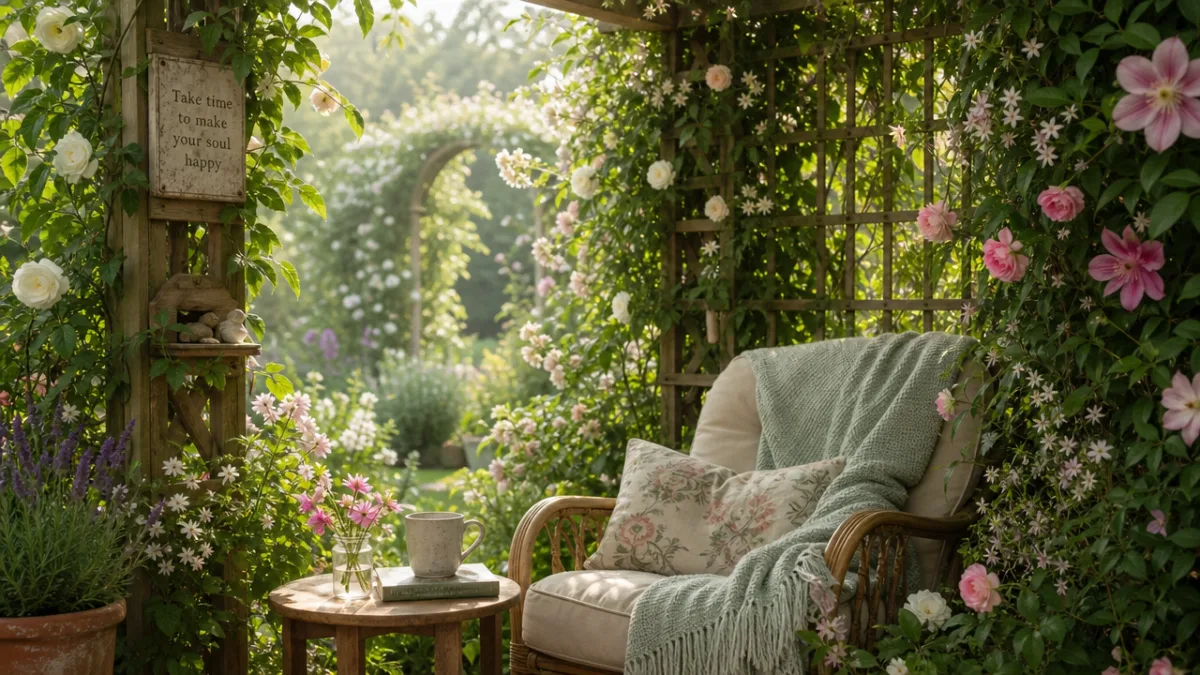
Beyond the primary seating, think carefully about the supporting elements that make extended reading sessions genuinely comfortable. A small side table or stool within arm’s reach means you have somewhere to rest your cup of tea, your reading glasses, or a stack of books waiting their turn. A footstool or ottoman transforms sitting into lounging. If your nook is partially enclosed, a built-in shelf or two on a nearby wall or fence panel gives you a place to organize your outdoor reading library, storing a few beloved paperbacks or a weatherproof bin of magazines. Small details like these are what elevate a reading spot from attractive to truly irresistible.
Lighting, Ambiance, and Seasonal Touches
Lighting is the element that transforms a reading nook from a daytime-only retreat into a space you can enjoy well into the evening — and for book lovers, that means significantly more reading hours to look forward to. String lights are the perennial favorite for outdoor nooks because they are affordable, easy to install, incredibly versatile in their visual effect, and available in solar-powered options that require no wiring at all. Draping them overhead across a pergola, wrapping them around posts, or threading them through the branches of a nearby tree all create that warm, intimate glow that makes you feel like you’ve stepped into something quietly magical.
For functional reading light, consider adding a wall-mounted outdoor lantern or a clip-on book light for evenings when ambient lighting isn’t quite enough to read comfortably. Solar-powered stake lights placed around the perimeter of your nook serve the dual purpose of marking the space and extending the usable evening hours. Flameless LED candles in lanterns add flicker and warmth without fire risk, making them ideal for a wooden or fabric-draped structure. The goal is to layer your lighting just as you would indoors — a mix of ambient, task, and accent light creates depth and atmosphere that makes the space feel fully realized.
Seasonal adaptability is what turns a reading nook into a year-round retreat rather than a fair-weather luxury. In summer, a small oscillating fan or a misting system can make even a warm afternoon bearable. A mosquito net — whether a simple draped panel or a proper canopied design — is a summer game-changer in many climates. As the weather cools, add a weatherproof outdoor blanket chest where you store throws and quilts. A small propane patio heater or a chiminea nearby extends your outdoor reading season well into autumn, and even on mild winter days. Thinking about seasonality from the beginning of your planning process means your nook will earn its space in your life all year long.
Plants, Privacy Screens, and Natural Enclosure
Plants are arguably the most transformative and cost-effective tool available to any DIY outdoor nook builder. Strategically placed greenery creates privacy, softens hard edges, introduces color and fragrance, and gives the feeling of being held within nature rather than simply sitting in front of it. Tall ornamental grasses planted in a cluster can screen a nook from a neighboring fence line almost completely. A trellis panel covered with a fast-growing climber like jasmine or clematis provides both visual enclosure and, in the case of jasmine, an intoxicating scent that makes reading outdoors feel like a full sensory experience.
Container gardening is especially powerful for reading nooks because it allows you to create a sense of lush enclosure even on hard surfaces like patios, decks, and balconies. Large pots arranged in a loose arc around your seating area create a soft boundary between your nook and the wider garden without the permanence of planted beds. Tall plants like bamboo (planted responsibly in containers to prevent spreading), banana plants for a tropical feel, or columnar evergreens for year-round screening can give your nook a genuinely enveloping quality. Hanging baskets and window boxes attached to pergola beams add overhead greenery that feels canopy-like without the years of wait that growing a tree requires.
Privacy screens made from natural materials complement planted boundaries beautifully. Woven willow panels, bamboo roll fencing, and slatted cedar screens all bring warmth and organic texture to the edges of a nook, and many of these can be attached to existing fencing or free-standing frames in an afternoon. You might also consider a living wall — a vertical garden mounted on a fence or frame — which combines privacy screening with the joy of growing herbs, ferns, or cascading flowers right beside your reading seat. When plants and structures work together, the result is a nook that feels genuinely nestled into the landscape rather than placed on top of it.
Budget-Friendly Tips and Where to Source Materials
One of the most common barriers people imagine stands between them and their dream reading nook is cost — but the reality is that some of the most beautiful outdoor nooks are built almost entirely from reclaimed, repurposed, or secondhand materials. Facebook Marketplace, Craigslist, and local salvage yards are treasure troves of architectural elements that lend immediate character to a DIY project: old wooden doors, cast-iron garden benches, architectural salvage windows, vintage lanterns, and weathered timber beams. What might look tired or mismatched in someone else’s project often becomes the most characterful element of yours.
If you prefer new materials, buying in bulk and focusing on one or two quality purchases while keeping everything else simple and inexpensive is a reliable strategy. Splurge on the cushions — because comfort directly affects how much you use the space — and save on the structural elements by using basic treated lumber or flat-pack pergola kits. DIY painting or staining is one of the highest-value tasks you can do yourself, since a fresh coat of carefully chosen exterior paint can make even the most basic wooden structure look intentional and polished. Earth tones, soft sage greens, faded blues, and creamy whites all tend to read as calm and sophisticated in outdoor settings.
Here are practical tips for keeping your reading nook project budget-friendly without sacrificing charm:
- Start with what you have. Repurpose an existing garden bench, an unused patio chair, or a spare side table before purchasing anything new. Often the bones of a reading nook are already in your possession.
- Shop end-of-season sales. Garden furniture, outdoor cushions, and string lights go on deep clearance at the end of summer — buying then for the following season is one of the best ways to stretch your budget.
- Grow, don’t buy, your screening plants. Many fast-growing privacy plants can be started from cuttings or divided from existing garden plants for free, including bamboo, hostas, and many ornamental grasses.
- Use fabric creatively. Inexpensive canvas drop cloths, outdoor curtain panels from discount stores, or even repurposed bedsheets treated with a waterproofing spray can serve as canopies, curtains, or draped walls for a fraction of the cost of purpose-made products.
- Prioritize lighting. Solar string lights represent perhaps the best value-per-impact purchase in outdoor decorating — a single set costing very little can completely transform the evening atmosphere of a nook.
Ultimately, the most important ingredient in a successful DIY outdoor reading nook is not money or materials — it’s intentionality. A space that has been thought about carefully, arranged with personal taste, and furnished with the specific ways you like to read in mind will always feel more satisfying than an expensive but generic setup. Think about whether you read lying down or sitting upright. Think about whether you prefer total quiet or enjoy the ambient sound of a fountain. Think about morning sun or afternoon shade, hot tea or iced coffee, one bookmark or ten. Your reading nook should feel, above all else, like yours — and that quality comes entirely from the thought and care you bring to it, regardless of your budget.








What do you think?
It is nice to know your opinion. Leave a comment.