










3 Simple Watering Tips for Healthy Plants: A Complete Guide to Thriving Indoor and Outdoor Gardens
Why Proper Watering Is the Foundation of Plant Health
If there’s one thing that can make or break your plants, it’s water. Too much and you’re drowning the roots, inviting all kinds of fungal nastiness. Too little and your plants end up stressed, wilted, and basically unable to do anything — including photosynthesize. It sounds simple, but watering is actually where most gardeners, beginners and experienced ones alike, trip up the most. Getting a handle on it is the first real step toward becoming someone who actually keeps plants alive and thriving.
Plants depend on water for pretty much everything. It carries nutrients from the soil up through the roots, through the stem, and all the way into the leaves, where those nutrients actually get used. Without enough water, a plant can’t move minerals from the soil into its tissue — and you start seeing the results pretty fast: yellowing leaves, stunted growth, and eventually a plant that’s given up entirely. Water also drives transpiration, which keeps a plant’s temperature in check and its cells firm enough to hold their shape.
Even knowing all that, most of us still water on autopilot — same day every week, regardless of what the plant actually needs or what the soil looks like. The thing is, watering really isn’t one-size-fits-all. The species, the pot size, the season, the humidity in your home — all of it changes how much and how often a plant needs a drink. Once that clicks, the three tips in this article will genuinely change how you think about plant care.
Tip One: Always Check the Soil Before You Water
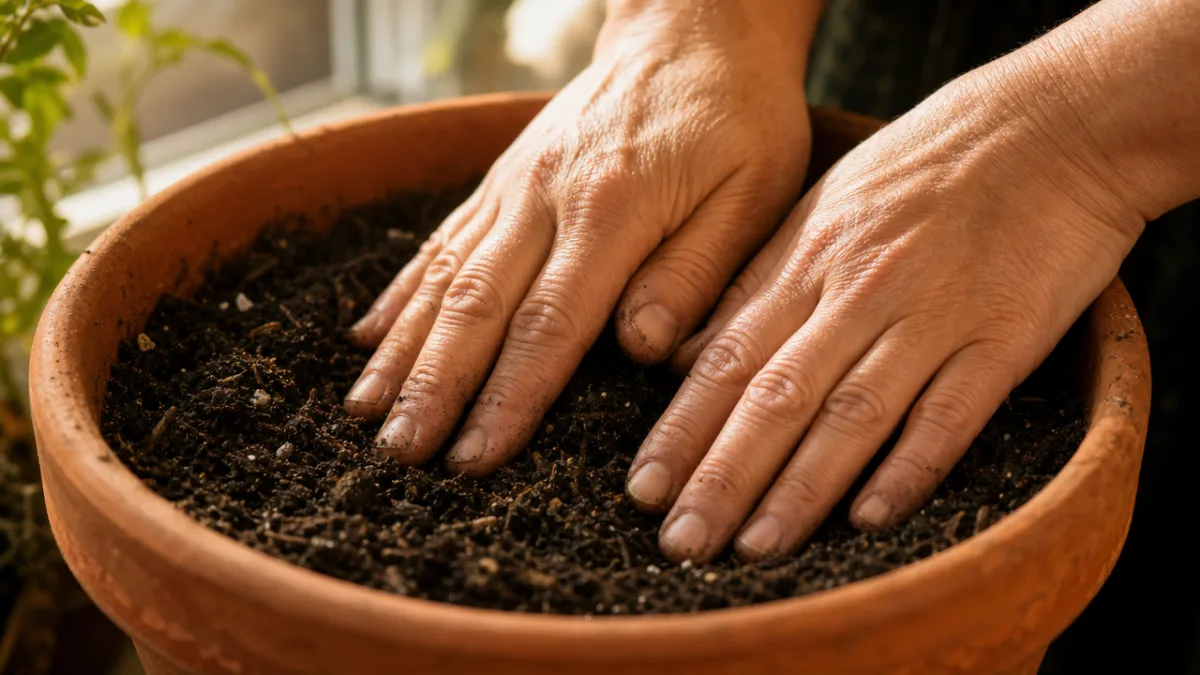
Honestly, if there’s one habit worth building, it’s this one: check the soil before you reach for the watering can. A lot of people water on a fixed schedule — every Monday, every few days, or whenever a plant looks a little sad. The problem is that approach completely ignores what’s actually going on in the soil, which is the only thing that really matters. Soil moisture shifts all the time depending on temperature, humidity, pot size, soil mix, and how much light the plant has been getting.
The easiest way to check is also the oldest: stick your finger an inch or two into the soil. If it’s dry, most tropical houseplants are ready for water. If you’re growing succulents or cacti, wait until the soil is bone dry several inches down before adding anything. For moisture-lovers like ferns or peace lilies, you can water as soon as just the surface feels dry. This two-second finger test tells you more than any watering schedule ever could.
If you’d rather have something more precise, soil moisture meters are cheap and easy to find at garden centers or online. You just push the probe into the soil and get a number. They’re especially handy for big pots, where the top layer might feel dry while there’s still plenty of moisture deeper down. Either way, the point is the same: let the plant and the soil tell you when it’s time, rather than going by the calendar or a vague feeling that it’s “probably time.” That one shift in thinking prevents most overwatering and underwatering issues right out of the gate.
Another trick worth trying is lifting the pot. A dry pot is noticeably lighter than a freshly watered one, and after a while you just know the difference without even thinking about it. It works best with smaller to medium pots, and it’s something experienced plant people do almost instinctively. No tools needed — just a little attention that pays off in a much more intuitive relationship with your plants over time.
Tip Two: Water Deeply and Thoroughly, Not Frequently and Shallowly
Here’s a watering mistake that’s incredibly common: giving plants a little water every day instead of a good, thorough soak less often. When you only wet the top layer of soil, roots have no reason to grow downward — they just hang out near the surface, where they’re exposed to temperature swings, quick drying, and all kinds of stress. Shallow-rooted plants are weaker, less drought-tolerant, and have a harder time pulling up the nutrients sitting deeper in the soil.
Deep watering means applying enough water that it travels all the way through the root zone and drains out the bottom of the pot. For outdoor beds, it means watering long enough that moisture gets several inches into the ground. When you do this consistently, roots chase the water downward and anchor themselves deeper, which makes the whole plant sturdier and better able to handle dry spells — because deeper soil holds onto moisture much longer than the surface does.
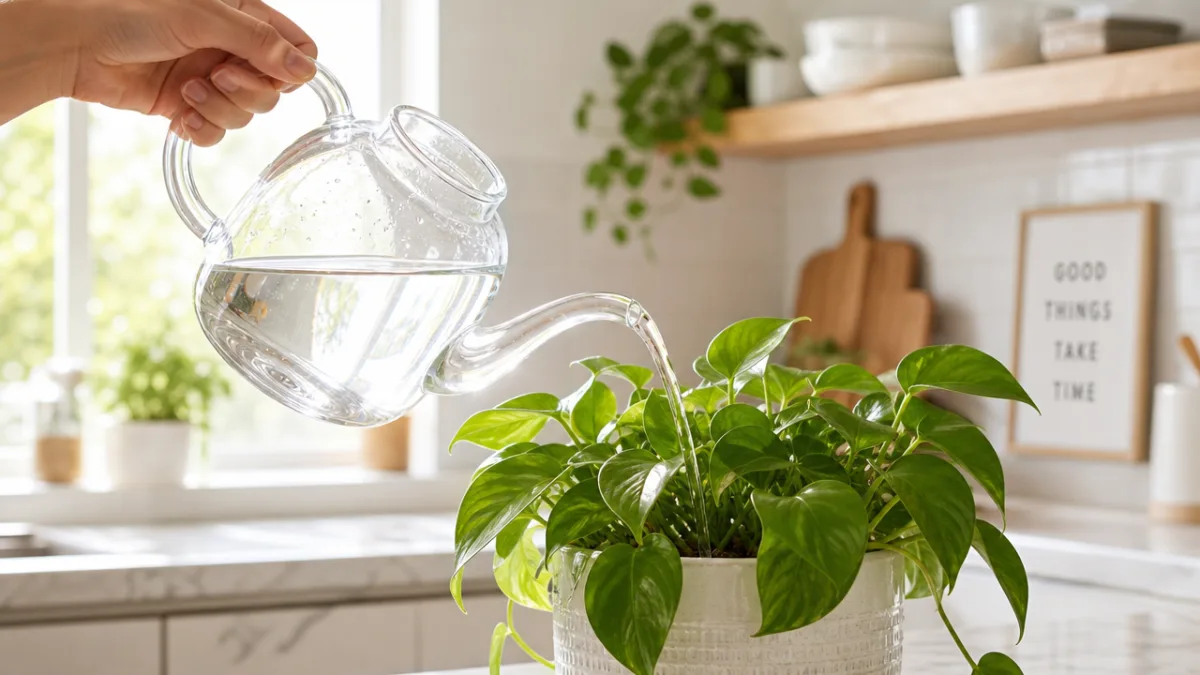
For potted plants, the method is pretty simple: water slowly and steadily until you see it running freely from the drainage holes, then stop and let the pot drain completely before setting it back in its saucer. Don’t let it sit in standing water for more than about half an hour — waterlogged soil suffocates roots and creates exactly the conditions that root rot loves. Empty the saucer after each watering and only leave water in it if you’re growing a species that genuinely prefers staying consistently moist.
How often you do this depends on everything we talked about in the last section — soil type, pot size, species, environment. But as a general rule, less frequent and more thorough beats a daily top-up almost every time. Letting the soil dry out a little between waterings is actually good for most plants; it keeps the root zone healthy and makes life harder for the fungi that thrive in constantly damp conditions. Think of each watering as its own complete event, not just a quick maintenance task.
Tip Three: Use the Right Water at the Right Time of Day
The type of water you use and when you water actually matter more than most people expect. Tap water in a lot of areas contains chlorine and fluoride, which are fine for us but can build up in soil over time and cause problems for sensitive plants. Tropicals, ferns, and many common houseplants are especially prone to fluoride damage, which shows up as brown leaf tips and generally sluggish growth. The good news is there are easy, low-cost ways to deal with this.
Letting tap water sit out in an open container for 24 hours before using it gives most of the chlorine time to evaporate — it’s a volatile compound and it just drifts off at room temperature. Rainwater is even better if you can collect it: it’s naturally soft, slightly acidic, and free of all the additives in municipal water. A lot of plant enthusiasts keep a rain barrel or just set out buckets when it rains. Filtered water is another solid option, particularly for fussier species like orchids or carnivorous plants, which evolved in nutrient-poor conditions and can be really sensitive to minerals.
Water temperature is something most people never think about, but it makes a difference. Cold water can shock the roots of tropical plants, which are used to warm soil and don’t respond well to sudden cold. Room temperature is ideal, and for particularly sensitive tropicals, some gardeners even use slightly lukewarm water. Timing matters too, especially for outdoor plants. Morning is the best time to water because any moisture that lands on the foliage has all day to dry off, which significantly reduces the risk of fungal diseases that thrive when leaves stay wet overnight in cooler temperatures.
Evening is a decent second choice for outdoor plants since cooler temperatures mean less evaporation and more water actually reaches the roots. Watering in the middle of a hot summer day is the least efficient option — heat causes so much evaporation that a lot of what you apply never even gets to the roots. For indoor plants, timing is less critical since they’re protected from sun and wind, but watering in the morning is still a nice habit. It works with the plant’s natural rhythms and gives any surface moisture a chance to dry before night falls.
Recognizing and Correcting Watering Problems Before They Become Serious
Even when you’re doing everything right, plants sometimes show signs of stress — and catching those signs early is what separates a minor hiccup from losing a plant you really love. One of the trickiest things is that both overwatering and underwatering can make leaves wilt and droop. That’s why so many people respond to a sad-looking plant by watering it more, sometimes turning a bad overwatering situation into a truly dire one. Learning to tell the two apart is one of the most useful skills you can develop.
Overwatered plants tend to have yellow leaves that feel soft and mushy rather than dry and papery. The soil stays wet for a weirdly long time, and you might notice a sour or musty smell coming from the pot. In more serious cases, pulling the plant out reveals roots that are black, brown, or slimy. That’s root rot — caused by water molds like Phytophthora and various fungal pathogens — and it can take a plant down fast if you don’t act. If you catch it, trim away all the damaged roots with clean scissors, let the healthy ones air out for a few hours, and repot into fresh, well-draining soil.
Underwatering looks pretty different once you know what to look for. The leaves go dry and crispy, often curling at the edges. The soil pulls away from the sides of the pot and feels completely parched several inches down, and the pot itself feels almost weightless. Most underwatered plants bounce back pretty quickly after a good drink, as long as things haven’t gone too far. For plants that are severely dried out, bottom watering — setting the pot in a tray of water for 20 to 30 minutes so the soil can absorb moisture from below — often works better than pouring water from the top, because it rehydrates the whole root ball evenly.
Keeping a simple plant care journal can make a real difference over time. Just jotting down when you watered, what the soil felt like, and any observations about how the plant looks gives you a useful record for spotting patterns and catching problems early. This is especially helpful if you’ve got a big collection of plants with all different needs. It doesn’t have to be fancy — a notes app on your phone or a little notebook near your plants is plenty.
Building a Sustainable Watering Routine That Works for You
The goal of all three of these tips isn’t to make plant care more complicated — it’s actually the opposite. Once checking the soil, watering deeply, and using the right water at the right time become second nature, you’ll find yourself spending less time stressing about your plants and a lot more time just enjoying them. Good plant care stops feeling like a chore when it’s built on actual observation rather than anxiety and guesswork.
A practical way to build a sustainable routine is to group plants with similar water needs together so you can care for them in batches. Organize your collection loosely into drought-tolerant, moderate, and moisture-loving groups, and develop a rhythm around those categories. This isn’t about going back to a fixed watering schedule — the soil check always comes first — but it gives you a sensible framework so nothing gets missed. A well-organized collection is genuinely easier and more enjoyable to care for.
Adjusting for the seasons is another piece of the puzzle that’s easy to overlook. In winter, most houseplants slow way down and need a lot less water than they do during the spring and summer growing season. Outdoor plants in cold climates may not need supplemental watering at all once temperatures drop and rain picks up. Staying tuned into those seasonal shifts and pulling back on watering frequency accordingly helps you avoid one of the most common causes of winter root rot: watering in December the same way you did in July.
It’s also worth putting a little money into the right tools. A watering can with a long, narrow spout lets you aim right at the soil without drenching the leaves. A moisture meter removes all the guesswork. A vessel for collecting rainwater cuts down on how much treated tap water your sensitive plants have to deal with. These are small investments that pay off in healthier plants and fewer heartbreaking losses. Here’s a quick rundown of the tools and habits that make watering genuinely work:
- A soil moisture meter or a consistent finger-test habit before every watering session, so you actually know what the soil is doing before you add more water.
- A watering can with a long, narrow spout for controlled, precise application right at soil level without accidentally soaking the foliage.
- A rain barrel or a dedicated container for collecting rainwater, which is gentler and more beneficial for most plants than tap water straight from the faucet.
- A plant care journal or notes app for logging watering dates, soil conditions, and anything you notice about your plants’ health over time.
- The habit of emptying saucers after watering so roots aren’t sitting in standing water, which is one of the quickest routes to rot.
- Seasonal awareness that reminds you to scale back watering in winter and ramp it up again when spring growth kicks in.
Getting watering right is honestly one of the most satisfying things you can do as a plant person. It turns what used to feel like anxious guesswork into something confident and genuinely enjoyable. The three tips here — check before you water, water deeply instead of often, and use the right water at the right time — are easy enough to start today and impactful enough to change how every plant in your home or garden looks and feels. Pick one plant, try these habits consistently, and let the results do the convincing.








What do you think?
It is nice to know your opinion. Leave a comment.