










18 Creative DIY Kid-Friendly Garden Projects
Why Garden Projects Are Perfect for Kids
Getting children involved in the garden is one of the most rewarding things a parent or caregiver can do. Gardening teaches kids about the natural world in a hands-on, tangible way that no classroom lesson can fully replicate. When a child plants a seed, waters it daily, and watches it grow into something they can actually eat or display, they develop a sense of responsibility and wonder that stays with them for life. The garden becomes a living classroom where science, patience, and creativity all come together.
Beyond the educational benefits, gardening gives children a healthy outlet for their energy and creativity. In an age dominated by screens and indoor activities, time spent digging in the soil, arranging stones, or painting flower pots offers a refreshing alternative. Studies have consistently shown that time outdoors reduces stress and anxiety in children, improves focus, and even boosts immune function. A simple afternoon project in the backyard can do more for a child’s mood than an hour of structured indoor activity.
DIY garden projects in particular hold special appeal because children are given ownership over something they create with their own hands. Whether they are decorating stepping stones, building a bug hotel, or planting a rainbow garden, kids feel proud of their contributions. That pride translates into a genuine desire to care for what they have built, which in turn keeps them engaged and coming back to the garden day after day. These projects also make wonderful gifts for grandparents or neighbors, adding a social dimension to the creative process.
Getting Started: Tools and Safety for Young Gardeners
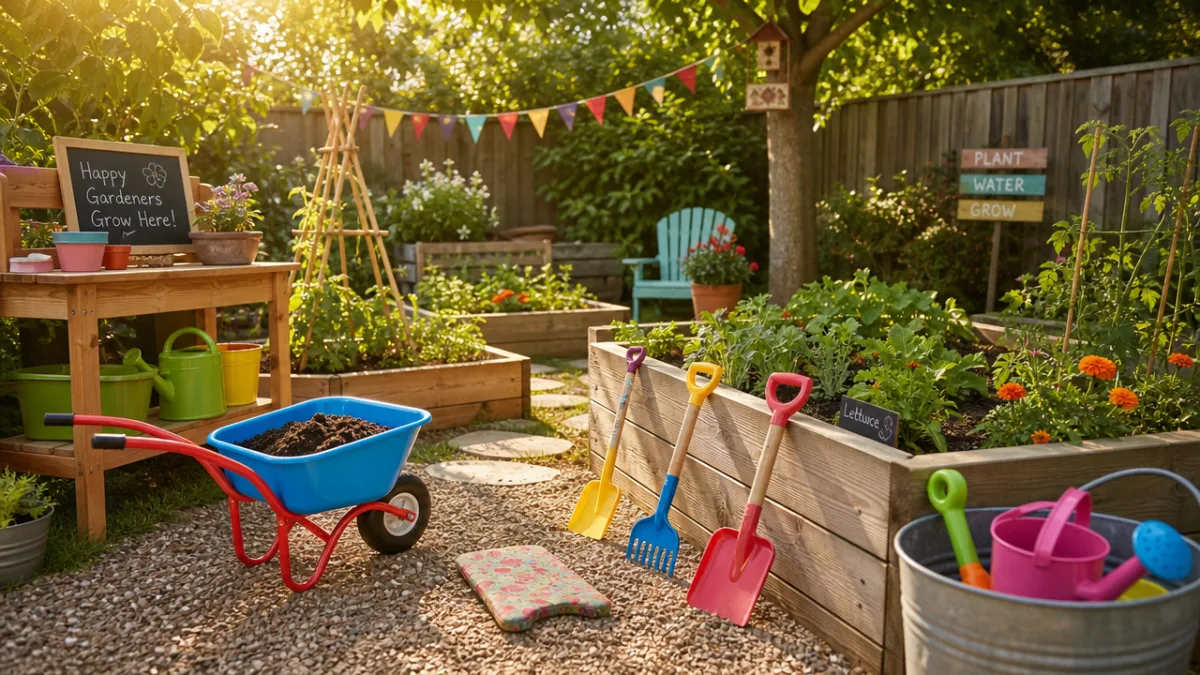
Before diving into any garden project, it is important to set children up with the right tools and a basic understanding of garden safety. Child-sized gardening gloves protect small hands from blisters, thorns, and soil-borne irritants, and they make kids feel like real gardeners from the moment they put them on. Look for lightweight trowels, rakes, and watering cans designed specifically for smaller hands, as these are easier to control and reduce the risk of strain or accidental injury. Bright colors and fun designs make these tools feel like toys, which is a bonus for reluctant participants.
Teaching kids a few simple safety rules before they begin goes a long way toward making the garden a consistently safe and enjoyable space. Children should always wash their hands thoroughly after handling soil, since garden dirt can contain bacteria that are harmless outdoors but problematic if transferred to the eyes or mouth. They should also be taught to identify and avoid plants that may be toxic or irritating, such as nettles, poison ivy, or certain ornamental plants. Keeping a first aid kit nearby and wearing sunscreen and a hat on sunny days rounds out the basic precautions every young gardener should know.
Setting up a dedicated area of the garden just for kids dramatically increases their enthusiasm and sense of investment. Even a small raised bed, a cluster of containers on a patio, or a designated patch of soil can feel like their very own kingdom. Allow them to make decisions about what goes in that space, from which seeds to plant to how to decorate the borders with painted rocks or miniature fences. When children feel genuine autonomy over their garden space, their engagement deepens and they are far more likely to develop a lasting love of gardening.
Planting Projects That Inspire Wonder
Rainbow Gardens and Color-Themed Beds
One of the most visually exciting planting projects for kids is the rainbow garden, where flowers and plants are arranged in a sweeping arc or row that moves through the colors of the spectrum. Starting with red flowers like poppies or geraniums, moving through orange marigolds, yellow sunflowers, green herbs, blue hydrangeas, and finishing with violet lavender creates a stunning display that children find absolutely magical. Planning the layout together is half the fun, as kids get to learn about color theory and plant varieties at the same time. Choosing seeds from catalogs or at the garden center becomes an adventure in itself.
Sunflower houses are another beloved planting project that sparks incredible imagination. By planting sunflowers in a large circle or square and leaving a gap for a door, children can create a living room that they can actually step inside once the plants reach full height. The towering stalks form natural walls, and the canopy of broad leaves creates dappled shade that feels genuinely enchanting. Kids can furnish their sunflower house with a small stool or blanket and use it as a reading nook, a playhouse, or a secret meeting spot with friends.
Growing vegetables from seed is a project that connects kids directly to their food in a way that profoundly changes their relationship with eating. Children who are famously picky eaters will often try vegetables they grew themselves simply because the pride of ownership overrides their resistance. Cherry tomatoes, snap peas, radishes, and lettuce are all fast-growing, easy-care options that deliver results quickly enough to keep young gardeners engaged. Harvesting what they have grown and eating it straight from the plant is a moment of pure joy that many children remember well into adulthood.
Sensory Gardens and Texture Paths
A sensory garden is a beautifully inclusive project that appeals to children of all ages and abilities. By selecting plants that engage all five senses, you create an environment that is endlessly interesting to explore. Lamb’s ear provides irresistibly soft, velvety leaves to touch; lemon balm and mint release fragrance when brushed against; cherry tomatoes offer taste; wind chimes or grasses that rustle in the breeze add sound; and brightly colored flowers deliver rich visual stimulation. Arranging these plants along a winding path encourages children to move slowly through the space and really notice what surrounds them.
Texture paths made from a combination of stepping stones, pebbles, bark mulch, smooth river rocks, and soft grass invite children to explore the garden barefoot, turning an ordinary walk through the yard into a sensory experience. Creating these paths together is a wonderful weekend project, with kids selecting stones, pressing them into sand, and arranging decorative elements along the edges. The finished path becomes a feature they will show off to every visitor who comes to the home, and it requires very little ongoing maintenance once it is in place.
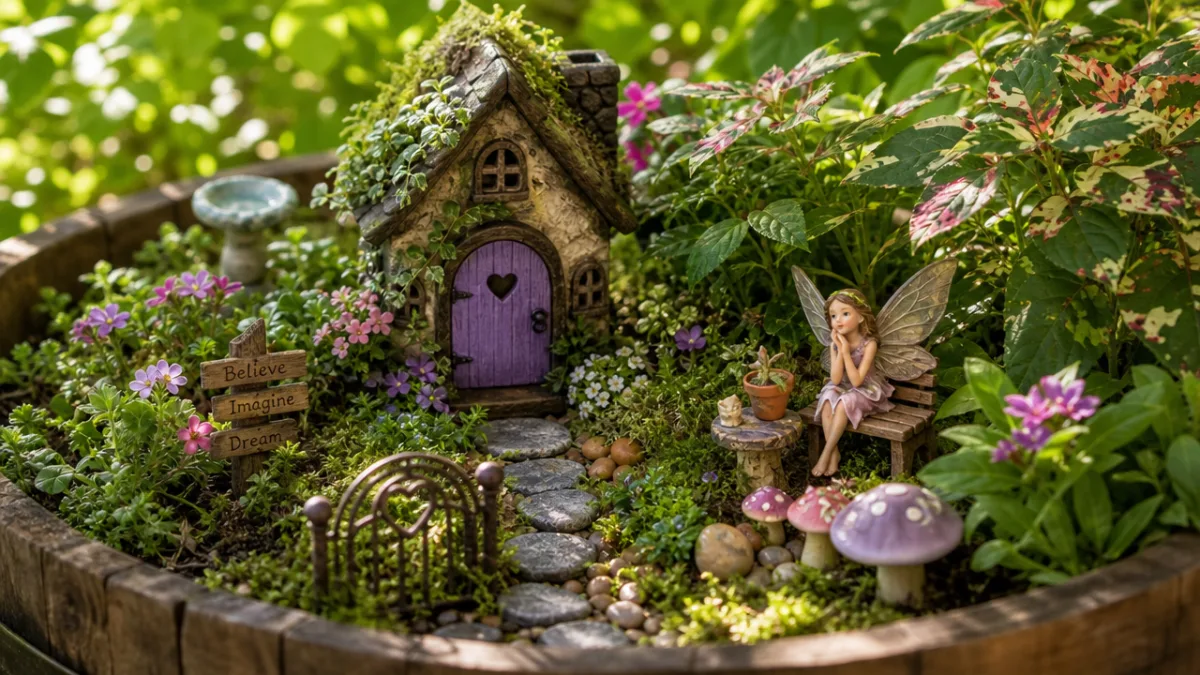
Fairy gardens and miniature landscapes tap into children’s deep love of imaginative play by turning a small container or corner of a raised bed into a tiny world. Using small plants like moss, thyme, and baby tears as ground cover, and decorating with miniature furniture, pebble pathways, and tiny mirrors that mimic ponds, children build intricate settings for storytelling and play. These gardens evolve over time as kids add new elements with each season, making them a long-running creative project rather than a one-off activity. The result is something genuinely personal and endlessly interesting.
Craft and Decoration Projects for the Garden
Painted Rocks and Garden Markers
Painted rocks are perhaps the simplest and most satisfying of all garden craft projects for children. All it takes is a handful of smooth stones, some outdoor acrylic paint, and a set of brushes to unlock hours of creative activity. Kids can paint flowers, animals, funny faces, or abstract patterns, then seal their creations with a clear outdoor varnish to make them weatherproof. These rocks can be scattered throughout garden beds as decorative accents, used to mark pathways, or placed at the base of plants to add a personalized touch to the landscape.
Garden markers made from wooden popsicle sticks, painted stones, or even slices of branches etched with a wood-burning tool are wonderfully practical crafts that serve a real purpose in the vegetable garden. Kids can practice their handwriting or lettering skills while creating markers for each type of plant they have grown, decorating them with small drawings of the vegetable or flower to make them even more distinctive. Having their own hand-labeled markers in the garden gives children a sense of authority and helps them track what is growing where, deepening their understanding of the planting process.
Wind spinners and mobiles are another category of garden decoration that children love making and watching in action. Using recycled materials like plastic bottles cut into spirals, old CDs, driftwood, and beads strung on fishing line, kids can create beautiful kinetic sculptures that catch the light and move with the breeze. These projects require some adult assistance with cutting and stringing, but the design decisions can be left entirely to the child. Hanging their finished creations from a tree branch or pergola post gives children the enormous satisfaction of seeing their art displayed in a prominent, functional way.
Bug Hotels and Wildlife Habitats
Building a bug hotel is one of the most educational and ecologically valuable projects a child can undertake in the garden. By stacking sections of a wooden pallet or a purpose-built frame with bundles of hollow bamboo canes, pine cones, bark pieces, straw, and rolled-up corrugated cardboard, children create a multi-story habitat for beneficial insects including solitary bees, ladybugs, lacewings, and beetles. These insects are vital to a healthy garden ecosystem, pollinating flowers and controlling pest populations, so a bug hotel serves a real environmental function while giving kids a fascinating wildlife observation station right in their own backyard.
Once the bug hotel is built and installed, it becomes a source of ongoing discovery as children check each morning to see which chambers have been occupied and by which creatures. Keeping a nature journal to record their observations turns the project into a long-term scientific inquiry, encouraging skills of observation, recording, and curiosity-driven questioning. Kids who might otherwise be reluctant to engage with science find it irresistible when it involves real animals living right outside their window, and the connection between healthy habitats and a thriving garden becomes viscerally clear.
Bird feeders and birdhouses crafted from simple materials like pine cones rolled in peanut butter and birdseed, or small wooden boxes assembled with non-toxic glue and child-safe paint, extend the wildlife garden concept further and bring a different dimension of life to the outdoor space. Watching specific birds return regularly to a feeder the child built themselves creates a sense of relationship and stewardship that is genuinely moving. A pair of binoculars and a simple field guide to local birds makes the whole experience even richer, and before long many children are able to identify a dozen or more species by sight and sound.
Seasonal Projects and Year-Round Garden Fun
Spring and Summer Activities
Spring is the most naturally exciting time of year for young gardeners, offering the opportunity to start seeds indoors under grow lights or on sunny windowsills before the last frost date has passed. Kids can start a seed-sprouting station using egg cartons filled with seed-starting mix, planting one or two seeds in each cup and labeling them carefully. Watching the first green shoots appear through the soil, sometimes within just a few days of planting, is a thrilling experience that reliably converts even the most reluctant child into an enthusiastic gardener. Once seedlings are large enough, transplanting them to outdoor beds is a proud milestone.
Summer garden scavenger hunts and nature bingo cards are simple to create and turn an afternoon in the garden into a structured adventure. Lists might include finding a spider web, identifying three different types of leaves, spotting a bee visiting a flower, counting the petals on a particular bloom, or finding evidence of an animal visit like a chewed leaf or a muddy footprint. These activities sharpen observation skills and encourage children to look more carefully at the world around them rather than moving through it without noticing its details. Prizes or certificates for completed cards add an extra layer of motivation for competitive kids.
Water play projects in the summer garden combine sensory fun with real horticultural activity. Kids can learn about plant watering needs by checking soil moisture before reaching for the watering can, and they can experiment with different watering tools from misting bottles to drip systems made from recycled plastic bottles with small holes poked in the bottom. Making a simple rain gauge from a clear plastic tube marked with measurements teaches basic meteorology and helps children understand the relationship between rainfall and garden care. On very hot days, a garden sprinkler doubles as cooling play equipment, making time outside irresistible.
Autumn and Winter Projects
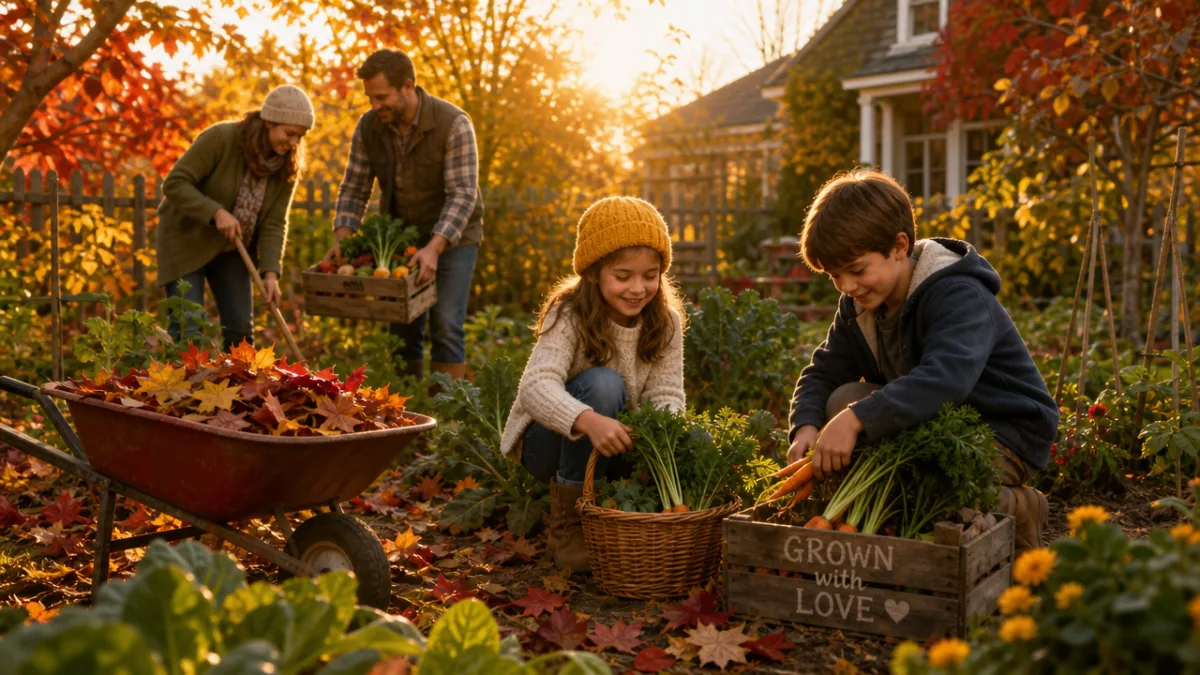
Autumn in the garden is harvest season, and there is no better time to involve children in the satisfaction of gathering what they have spent all summer tending. Pressing and drying flowers, saving seeds from favorite plants for next year’s garden, and creating nature mandalas from fallen leaves, seed pods, berries, and twigs are all activities that help children appreciate the cyclical nature of the gardening year. A pressed flower journal made from a simple hardcover notebook becomes a beautiful record of the garden through the seasons, and it makes a treasured keepsake or gift.
Winter is the ideal season for planning and preparation, and children can be deeply involved in this phase through seed catalog browsing sessions, graph paper garden layout drawing, and winter sowing in cold frames or milk jug mini greenhouses. Many seeds actually benefit from a cold stratification period, so sowing them in containers left outdoors through winter is a legitimate growing technique that yields strong, healthy plants come spring. Labeling each container carefully and checking on them through the colder months keeps kids engaged with the garden even when the ground is frozen and the beds look bare.
Year-round composting is a project that teaches children some of the most important principles of ecological thinking, including the idea that nothing in nature is truly waste and that healthy soil is the foundation of a thriving garden. Setting up a simple compost bin and giving children the job of adding kitchen scraps, turning the pile, and eventually spreading finished compost on garden beds instills habits and values that last far beyond childhood. When kids understand that the banana peel from their afternoon snack will eventually feed the tomato plants they are growing for summer salads, they begin to see themselves as genuine participants in a larger natural system, which is perhaps the most profound gift any garden project can give.








What do you think?
It is nice to know your opinion. Leave a comment.