










The Art of the Keepsake Box: Preserving Memories Through Assorted Cards and Cherished Mementos
What Is a Keepsake Box and Why Does It Matter?
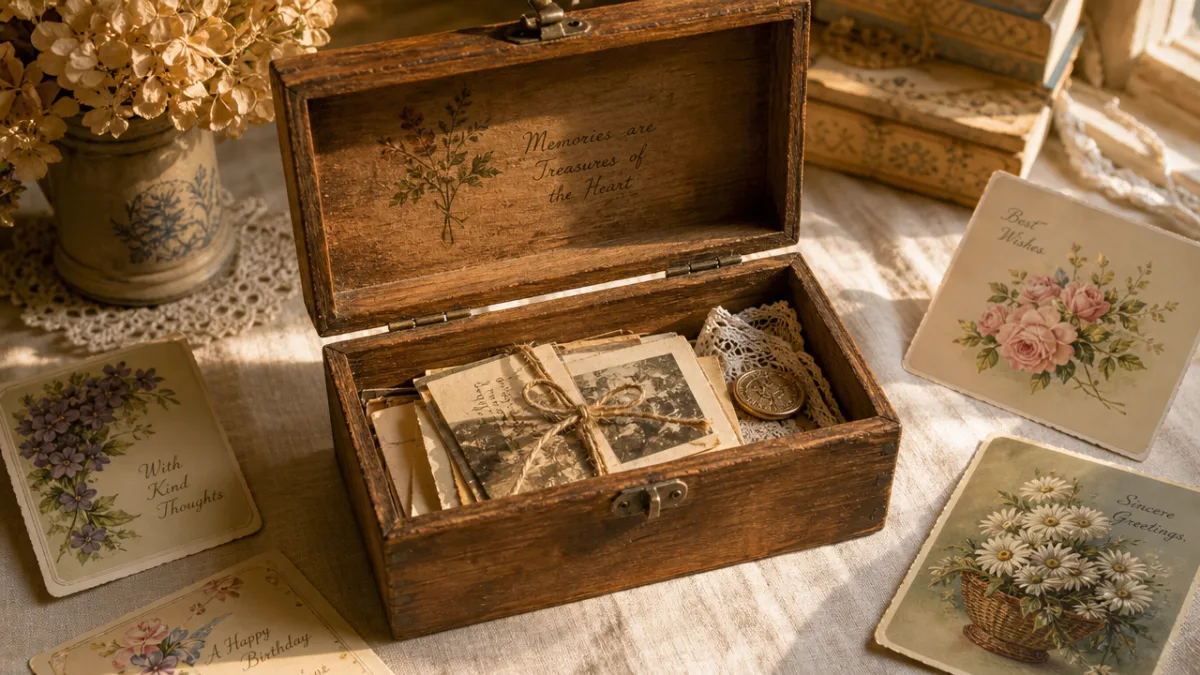
A keepsake box is far more than a simple container — it is a curated sanctuary for the moments, relationships, and milestones that define who we are. Whether crafted from weathered wood, decorated tin, or a lovingly repurposed vintage chest, the keepsake box serves as a physical archive of emotional history. It holds within its walls the things we cannot bring ourselves to throw away, the tangible proof that we were loved, that we celebrated, that we grieved, and that we lived fully. In a world increasingly dominated by digital files and cloud storage, the keepsake box offers something no algorithm can replicate: a sensory experience rooted in texture, scent, and the irreplaceable weight of paper held in human hands.
Among the most popular and meaningful items stored inside these boxes is the humble greeting card. Assorted cards — birthday wishes scrawled in your grandmother’s looping cursive, anniversary notes signed with a heart, get-well messages from friends who drove hours just to be near you — represent slices of time frozen in ink and cardstock. They carry not just words but the energy of the person who chose them, stood in the card aisle deliberating, and pressed a pen to paper thinking specifically of you. When gathered together in a keepsake box, these assorted cards become a chorus of voices from across your life, speaking to you whenever you choose to open the lid.
The tradition of preserving meaningful paper goods dates back centuries, with people storing letters, pressed flowers, and handwritten notes long before the concept of a designated keepsake box existed. Victorian households kept memory boxes filled with ribbons, locks of hair, theater programs, and love letters. Today’s version of this practice carries forward that same instinct to hold on — not out of hoarding, but out of reverence. Recognizing that some things are worth keeping is itself an act of wisdom, a quiet refusal to let the meaningful be swept away by the relentless current of the everyday.
Choosing the Right Box for Your Collection of Cards
Selecting the perfect keepsake box for your assorted cards requires thinking about both function and feeling. Functionally, you want a box that protects its contents from moisture, dust, and light degradation — all of which can yellow paper and fade ink over time. A box with a snug-fitting lid, ideally lined with acid-free tissue paper or fabric, will help preserve cards for decades. Size matters too: a box that is too small will cause you to cram items in, bending corners and creating creases, while one that is too large can allow items to slide around and suffer damage.
Beyond practicality, the emotional resonance of the box itself is worth considering. Many people choose a box that already carries meaning — perhaps a wooden jewelry box inherited from a parent, a tin that once held holiday cookies shared during a beloved family tradition, or a decorative box purchased during a memorable trip. When the container itself holds history, it amplifies the significance of everything placed inside it. Others prefer to purchase or craft a purpose-built keepsake box that reflects their personal aesthetic, decorating it with paint, decoupage, fabric, or engraving to make it uniquely their own.
Material choices carry their own personality and practical implications. Wooden boxes are sturdy and offer a classic, heirloom quality that feels timeless. Fabric-covered boxes, often seen in shades of sage green, dusty rose, or deep navy, lend a softer, more romantic feel and are especially popular for wedding or baby keepsake collections. Metal tins provide excellent protection against humidity in certain climates. Acrylic or clear-lidded boxes offer the delightful option of seeing a glimpse of your collection without opening it, turning the display into a form of decoration in itself. Whatever material you choose, the box should feel worthy of what it holds.
- Wood: Durable, classic, ideal for long-term preservation and heirloom storage
- Fabric-covered cardboard: Soft, decorative, excellent for themed collections like weddings or baby milestones
- Metal tin: Moisture-resistant, travel-friendly, great for collections stored in attics or basements
- Acrylic or lucite: Modern, display-worthy, allows visibility of contents without opening
- Repurposed vintage containers: Characterful, sentimental, carries its own layer of history
Curating Your Assorted Cards: What to Keep and How to Organize
One of the most pleasurable and occasionally overwhelming aspects of building a card keepsake box is deciding what to include. Not every card that crosses your threshold needs to be preserved, and part of the joy of curation is being intentional. A useful guiding principle is emotional weight: if a card makes you feel something distinct and specific when you hold it — a surge of gratitude, a wave of nostalgia, a pang of love — it belongs in the box. Cards that feel generic or disconnected, even if they came from well-meaning senders, can be appreciated and then released without guilt.
Once you have selected your keepers, organization transforms a pile of assorted cards into a meaningful collection. There are several satisfying approaches to organizing cards within a keepsake box, and the right method depends on your personality and the nature of your collection. A chronological arrangement allows you to trace the arc of your life, moving from childhood birthday cards to graduation congratulations to wedding wishes and beyond. A thematic organization — grouping holiday cards together, separating love letters from friendship notes — makes it easy to find specific emotional categories when you are in the mood to visit a particular chapter of your life.
Some collectors prefer an entirely intuitive approach, layering cards as they accumulate without a strict system, allowing the box to develop organically like a garden rather than a filing cabinet. This method produces the delightful experience of reaching in at random and pulling out something unexpected — a card from a friend you had nearly forgotten, a note written in a voice that surprises you with its warmth. Whatever system you choose, small dividers, washi-tape labels, or even simple folded paper separators can help keep sections distinct without introducing anything harsh or overly rigid into what should remain an emotionally resonant collection.
- Sort cards into broad categories: birthdays, holidays, life events, everyday notes
- Within each category, arrange by date or sender based on your preference
- Use acid-free dividers or ribbon ties to keep groupings together without damaging paper
- Add small contextual notes on archival paper if you want to record details like the occasion or year
- Revisit and gently reorganize the collection every few years as it grows
Adding Complementary Items to Enrich Your Keepsake Box
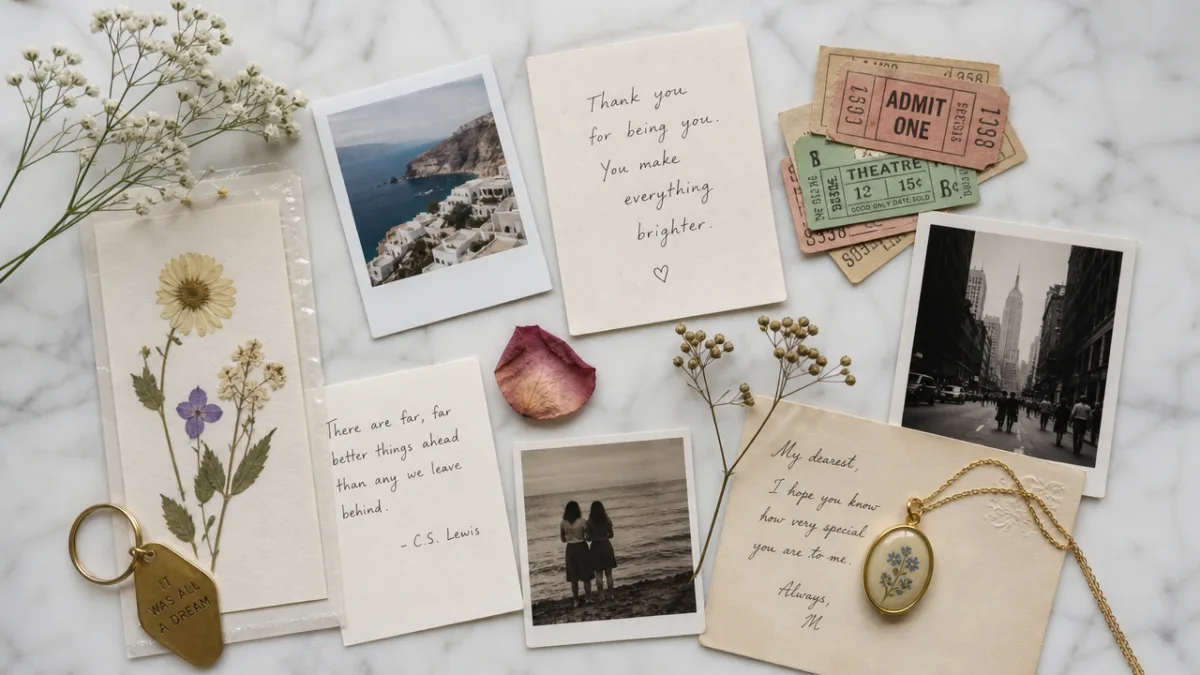
While assorted cards form the heart of many keepsake boxes, the collection becomes richer and more layered when complementary items are thoughtfully added alongside them. Small photographs tucked between cards create a visual timeline to accompany the written one. A dried flower from a wedding bouquet or a corsage from a school dance brings texture and fragrance to the collection, even long after the scent has faded to the faintest ghost of itself. Ticket stubs from concerts, plays, or sporting events anchor memories to specific dates and places in a way that even the most beautifully written card cannot quite replicate.
Children’s drawings, small report cards, a first lost tooth in a tiny envelope, a ribbon from a prize won at a local fair — all of these seemingly small items become extraordinary over time. Parents who maintain keepsake boxes for their children often find that these boxes become among the most treasured items in the household, pulled out during milestone moments like graduations or weddings to remind everyone just how far they have traveled. The act of preservation is itself a form of love, a message sent forward in time that says: this moment mattered, you mattered, and I wanted to remember.
For those building keepsake boxes around romantic relationships, the assorted cards from a partner take on particular significance when paired with restaurant receipts from early dates, pressed flowers from remembered bouquets, handwritten recipes shared between households, or small tokens from places visited together. The resulting collection becomes a love story told in objects, each item a chapter. Such boxes are often discovered years or decades later with the same sense of wonder and tenderness with which they were assembled, their contents carrying the concentrated emotional weight of a relationship’s most luminous moments.
The Emotional and Psychological Benefits of Keeping a Memory Box
Psychological research consistently supports what our instincts have long told us: holding onto meaningful objects from our past contributes positively to our sense of identity and emotional wellbeing. Keepsake boxes function as what researchers call “transitional objects” for adults — anchors to people, places, and versions of ourselves that might otherwise drift into the fog of forgotten experience. When we open a keepsake box and handle its contents, we engage in a form of self-directed narrative therapy, reconnecting with the story of our own life in a way that is both grounding and deeply nourishing.
The act of reading old cards, in particular, has a remarkable capacity to shift mood and perspective. During periods of loneliness, grief, or self-doubt, opening a keepsake box and reading through the assorted cards within it can serve as a powerful reminder of the network of care that surrounds you, even when that care is not immediately visible. Words written months or years ago by friends, family members, mentors, and lovers carry their original warmth forward through time, arriving in the present moment when they may be needed most. This is one of the quiet miracles of written communication: unlike a spoken word, it does not dissolve into air.
Therapists and grief counselors often recommend keepsake boxes specifically to those navigating the loss of a loved one. A box filled with cards and notes from the person who has died becomes an irreplaceable grief companion, offering a way to maintain connection with someone who is physically gone. Reading a card in the handwriting of a parent who has passed, or finding a birthday note from a friend who died too young, can be painful and beautiful simultaneously — the kind of sweet sorrow that honors loss rather than fleeing from it. For this reason alone, the keepsake box earns its place among the most meaningful objects we can keep in a home.
Creating and Gifting Keepsake Boxes for Others
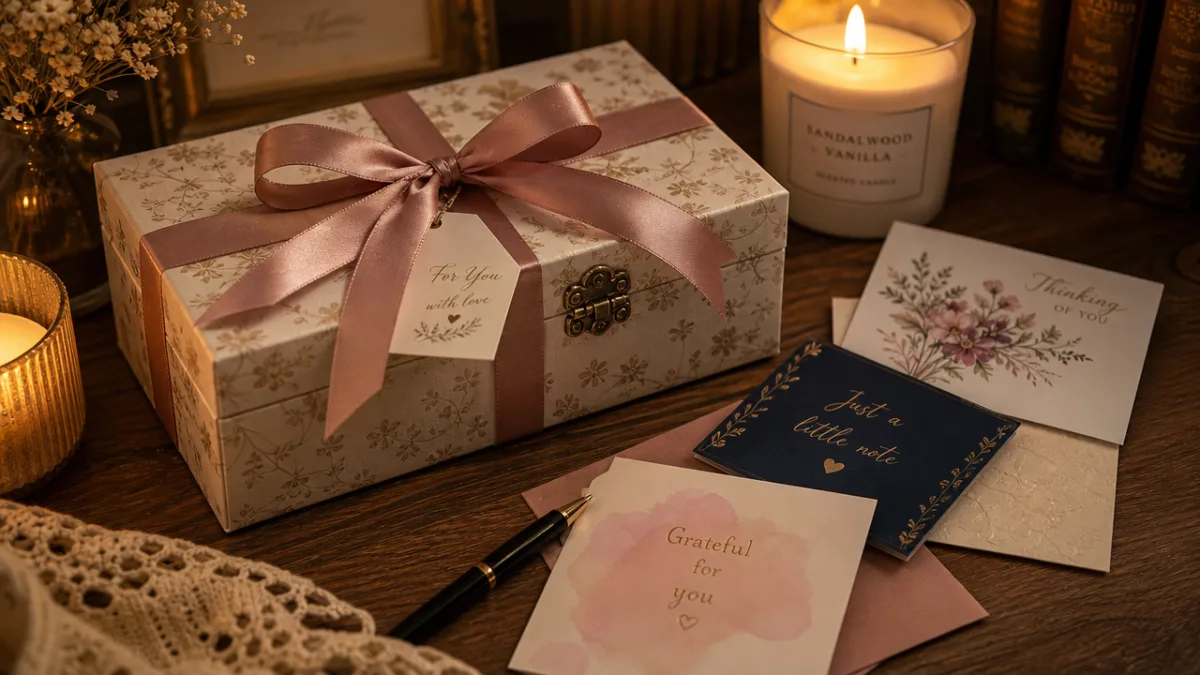
One of the most generous and thoughtful gifts you can give someone is a curated keepsake box assembled with their history and personality in mind. For a milestone birthday, you might gather cards and notes from friends and family members in advance, asking each person to contribute a letter, a photograph, or a short written memory. Collected together in a beautiful box, these contributions become a collaborative portrait of how the recipient is seen and loved by the people around them. Opening such a gift is often a deeply moving experience, combining surprise with the profound sense of being truly known.
Baby keepsake boxes make exceptional gifts for new parents, particularly when they include practical prompts and materials to help the parents begin recording their child’s story from the very first days. A thoughtfully assembled baby keepsake kit might include a beautiful box, a first-year card collection to fill in, space for a birth announcement, envelopes for each month’s milestone photograph, and small archival bags for tiny physical mementos. By giving the framework as well as the container, you help ensure that the box will actually be filled — something that busy new parents, despite their best intentions, sometimes struggle to prioritize in the early haze of caring for a newborn.
Wedding keepsake boxes are another beloved tradition, and they offer couples a dedicated home for the flood of cards, notes, and paper goods that arrive during their engagement and celebration. When assembled in a beautiful keepsake box chosen specifically for this purpose, wedding cards become an archive of the community of love that surrounded the beginning of a marriage. Couples who revisit these boxes on anniversaries consistently report that the experience reconnects them not only to their own feelings on that original day, but to the warmth and joy of everyone who witnessed and celebrated with them. The keepsake box, in this sense, extends the wedding well beyond a single day and into the whole of a shared life.
- Birthday keepsake box: Gather written memories from friends and family as a collaborative gift
- Baby keepsake box: Include monthly milestone prompts, archival bags, and first-year card slots
- Wedding keepsake box: Designed to house engagement and wedding cards as a marriage archive
- Grief keepsake box: A sensitive gift for someone in mourning, honoring a loved one’s memory
- Friendship keepsake box: A long-distance or end-of-chapter gift filled with shared memories and future wishes
Preserving Your Keepsake Box for Future Generations
A keepsake box built with care today has the potential to become a family heirloom passed down through generations, telling the story of people who lived and loved before those who inherit it were ever born. To give your collection the best chance of surviving time with its contents intact, a few deliberate preservation practices make an enormous difference. The most important of these is controlling the environment in which the box is stored. Extreme temperature fluctuations, high humidity, and direct sunlight are the greatest enemies of paper, ink, and fabric. A cool, dry, and dark storage location — an interior closet, for example — will protect the contents far better than an attic or basement subject to seasonal extremes.
Within the box itself, the use of archival-quality materials dramatically extends the lifespan of your collection. Acid-free tissue paper placed between layers of cards prevents acid migration, which can cause paper to yellow and become brittle over time. Archival polyester sleeves are excellent for particularly precious items, providing a protective barrier without introducing any chemicals that would accelerate degradation. Even the choice of pen used to write on dividers or labels within the box matters: pigment-based inks resist fading far better than dye-based inks, meaning any notes you add for context will remain legible for decades rather than fading to illegibility within a single generation.
Beyond physical preservation, consider creating a simple digital record of your keepsake box’s contents. Photographing each card and item before placing it in the box creates a backup that, while it can never fully replicate the sensory experience of handling the originals, ensures that the memories and words are not lost even if the physical items are damaged or destroyed. Some families go further, creating a simple written or recorded oral history to accompany their keepsake boxes — explaining who certain cards were from, what the occasion was, and what that relationship meant. This context transforms the box from a collection of objects into a fully narrated story, rich enough to speak meaningfully even to people who never met the original participants. In this way, a simple keepsake box filled with assorted cards becomes something truly extraordinary: a bridge across time, built from paper, ink, and love.








What do you think?
It is nice to know your opinion. Leave a comment.