










24 Podcast Room Ideas for a Stylish Home Studio
Why Your Podcast Space Matters More Than You Think
Creating a dedicated podcast room in your home is one of the most impactful investments you can make as a content creator. The environment where you record directly influences not just the technical quality of your audio, but also your confidence, your creative energy, and the overall impression you make on listeners. A thoughtfully designed space signals professionalism and helps you show up consistently, week after week, with the focus and enthusiasm your audience deserves.
Many podcasters make the mistake of treating their recording setup as an afterthought, squeezing microphones onto cluttered desks or recording in echoey spare rooms with no acoustic treatment whatsoever. The result is audio that sounds amateur regardless of how compelling the conversation is. Investing time and intention into your podcast room design is not vanity — it is a strategic decision that elevates your brand and makes the entire production process feel more enjoyable and intentional from the very first session.
Beyond audio quality, a well-designed podcast room also functions as a visual backdrop if you record video content for YouTube, social media clips, or live streams. In today’s multi-platform content landscape, your background is part of your brand identity. Shelving styled with meaningful objects, warm ambient lighting, and a consistent color palette all communicate who you are before you even speak a single word. Your studio is your stage, and it deserves to be dressed accordingly.
Acoustic Treatment Without Sacrificing Style
Acoustic treatment is the foundation of any great-sounding podcast room, but it does not have to look clinical or ugly. The good news is that many of the most effective sound-absorbing materials are also genuinely beautiful. Thick velvet curtains, upholstered furniture, large area rugs, and bookshelves packed with books all contribute meaningfully to dampening unwanted reflections and reducing the harsh, reverberant quality that plagues untreated rooms. Designing for sound and designing for beauty are not competing goals — they are deeply compatible.
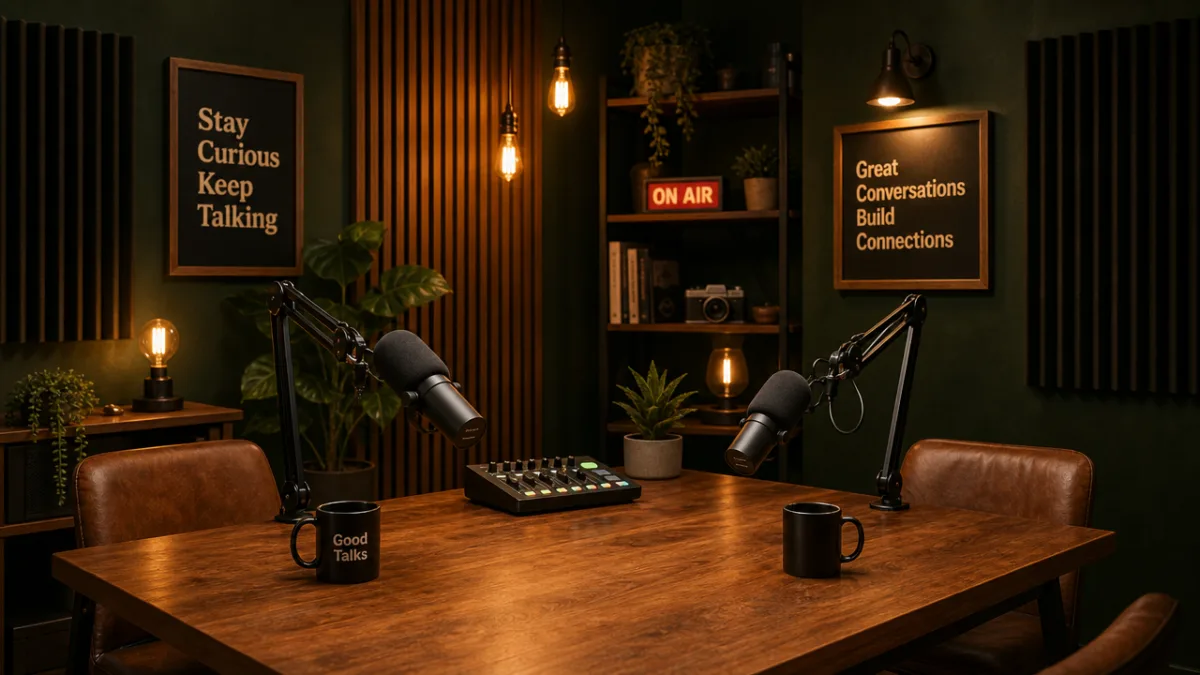
Acoustic foam panels are a popular choice, and modern manufacturers now produce them in geometric shapes, rich colors, and hexagonal tile patterns that look artistic rather than industrial. Consider arranging panels in a deliberate pattern on a feature wall behind or beside your recording position. Pair foam tiles in deep navy, forest green, or warm terracotta with the rest of your room’s color scheme, and what might have been an eyesore becomes a genuine design statement that guests and viewers will comment on positively.
For those who want a more upscale look, fabric-wrapped acoustic panels offer a sleek, gallery-worthy alternative. These panels consist of rigid fiberglass or rockwool cores wrapped in linen, velvet, or designer fabric, and they can be mounted in matching frames for a cohesive wall installation. You can even commission custom artwork printed on acoustically transparent fabric, allowing you to hang beautiful photography or abstract prints that simultaneously absorb sound. This approach works especially well in rooms that double as home offices or creative studios during non-recording hours.
Lighting Strategies That Transform Your On-Camera Presence
Lighting is the single most transformative element in any podcast room designed for video recording, and yet it remains one of the most overlooked aspects of home studio design. Poor lighting — harsh overhead fluorescents, inconsistent mixed color temperatures, or unflattering side shadows — can make even the most polished presenter look tired and unprofessional on screen. Conversely, a thoughtfully layered lighting setup can make a modest space look like a high-end production environment and make you look confident, energetic, and broadcast-ready every single time you hit record.
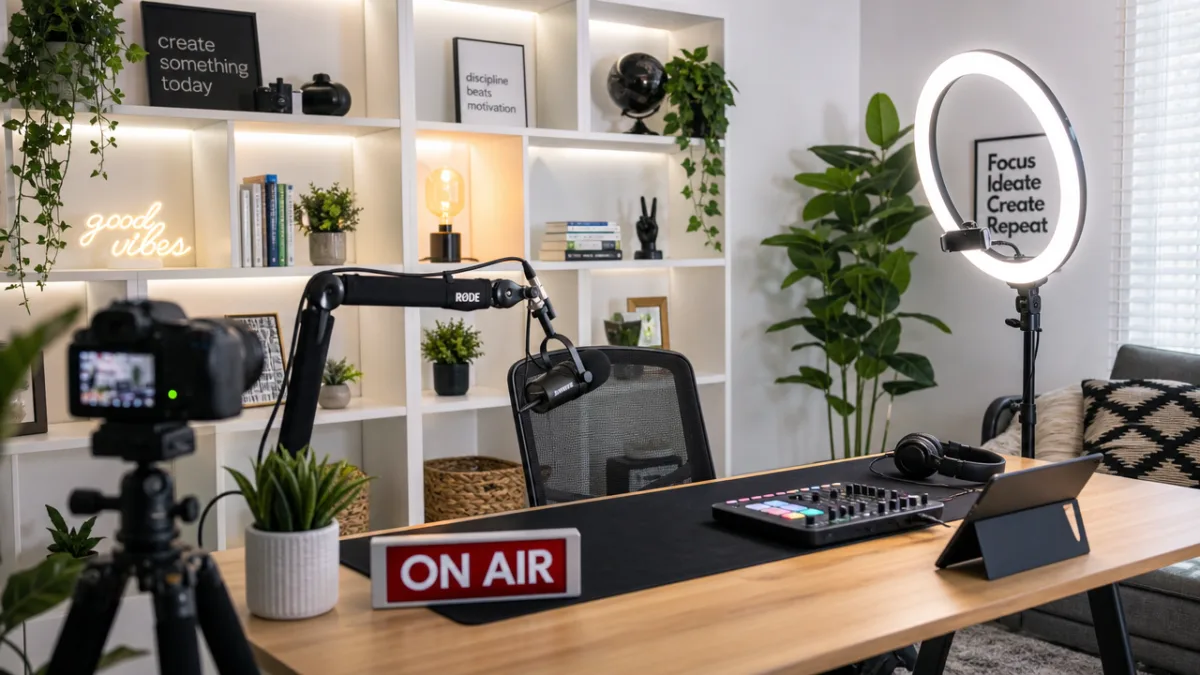
The classic three-point lighting setup used in professional studios translates beautifully to home podcast rooms. A key light positioned slightly to the side and above eye level provides your primary illumination. A fill light on the opposite side, at a lower intensity, softens the shadows created by the key. A back light or rim light placed behind you separates your silhouette from the background, adding depth and dimension. LED panel lights with adjustable color temperature and brightness are ideal for this setup because they run cool, are energy-efficient, and give you full control over the mood of your image.
Beyond the functional three-point setup, consider layering in ambient and decorative lighting to add warmth and character to your background. Neon signs with motivational phrases or your podcast’s name have become a signature element of many successful studios and immediately communicate personality and brand identity. Smart LED strip lights tucked behind shelving, monitor setups, or along baseboards add a subtle glow that gives depth to the frame. Vintage Edison bulbs in exposed-filament pendant lamps or small table lamps create an intimate, welcoming atmosphere that feels curated and intentional rather than generic.
Furniture and Layout Ideas for Maximum Functionality
The furniture you choose for your podcast room needs to balance aesthetics with practical recording requirements. Your primary recording desk should be large enough to comfortably accommodate your microphone arm, audio interface, headphones, laptop or desktop monitor, and any reference notes without feeling cramped. A sit-stand desk is an excellent investment for podcasters who record long-form content, allowing you to shift positions during extended sessions and maintain energy throughout multi-hour interviews without the physical fatigue that comes from sitting in one position for too long.
Consider the arrangement of your furniture in relation to your microphone’s pickup pattern and the acoustics of your room. Placing your desk against a wall can create unwanted reflections, while positioning it in the center of the room or facing away from hard parallel walls often produces cleaner audio. A desk positioned with a styled bookshelf or gallery wall visible behind you creates the ideal setup for video podcasters — your back is to your most visually interesting wall, and your listener or guest is looking at a thoughtfully composed backdrop rather than a plain painted surface.
Guest seating deserves as much consideration as the host’s position. If you regularly interview guests in person, a comfortable chair or small sofa positioned across from your desk creates a conversational dynamic that relaxes guests and leads to better, more natural performances. Matching the guest chair to your own in style — even if not identical — creates visual harmony on camera and subtly signals that both parties are equally valued in the conversation. A small side table between host and guest for water glasses, notes, or a decorative element adds both practicality and polish to the setup.
Storage solutions are critical for keeping your podcast room functional and clutter-free. Open shelving styled with a combination of books, plants, decorative objects, and neatly stored equipment creates a backdrop that looks intentional rather than chaotic. Cable management systems — desk grommets, cable sleeves, velcro ties, and adhesive cable clips — are unglamorous but essential investments that transform a tangled, distracting mess into a clean, professional-looking workspace. When everything has a designated place and cables are routed thoughtfully, the entire room feels more composed and more conducive to focused creative work.
Personalization and Brand Identity in Your Studio Design
Your podcast room is one of the most powerful brand-building tools available to you as a creator, and personalizing it with intention is worth significant creative investment. Start by identifying three to five words that describe the personality and tone of your podcast — whether that is authoritative, playful, warm, investigative, or aspirational — and let those descriptors guide every design decision from wall color to prop selection. A true crime podcast might embrace moody dark walls, dramatic lighting, and a leather-bound prop journal on the desk. A wellness podcast might opt for soft neutrals, lots of living plants, and natural wood textures. Coherent design choices reinforce your content’s identity at a subconscious level for every viewer who watches your video episodes.
Incorporating personal memorabilia, awards, and meaningful objects into your background shelving creates an authentic sense of character that audiences connect with deeply. Framed photographs, relevant books, travel souvenirs, and industry awards all tell a visual story about who you are and what you care about without requiring you to narrate your biography in every episode. This kind of authentic environmental storytelling builds parasocial connection — listeners and viewers feel like they know you and your world, which drives the loyalty and engagement that grows long-term audiences.
Custom-printed elements are increasingly accessible and affordable and offer a significant opportunity to reinforce brand recognition across every piece of video content you produce. A branded microphone flag with your podcast’s logo, a custom neon sign displaying your show’s name or tagline, branded coffee mugs visible on your desk, and even custom-printed throw pillows on a guest chair all contribute to a polished, professional aesthetic that distinguishes serious creators from hobbyists. These details are especially visible in thumbnail images and social media clips, where consistent visual branding builds familiarity and makes your content instantly recognizable in a crowded feed.
Budget-Friendly Tips and DIY Upgrades for Every Level
Building a stylish, functional podcast room does not require a massive renovation budget or professional interior design services. Many of the most impactful improvements are surprisingly affordable when approached with creativity and resourcefulness. Thrift stores and online marketplaces are gold mines for the kinds of props, furniture, and decorative elements that make backgrounds look rich and layered. A vintage globe, a collection of hardcover books in complementary colors arranged spine-out, a potted snake plant or trailing pothos in a ceramic planter — these elements cost very little individually but create enormous visual value when composed thoughtfully within the frame of a camera.
DIY acoustic treatment is a particularly rewarding project for podcasters on a budget. Moving blankets, available inexpensively from hardware stores, can be hung on walls or behind recording positions to dramatically reduce room reflections without spending money on commercial foam panels. Egg crate foam mattress toppers, while not as effective as purpose-built acoustic materials, provide a meaningful improvement over bare walls and cost a fraction of professional alternatives. Thick curtains hung floor to ceiling add both aesthetic warmth and meaningful acoustic dampening, and they can be found at discount home goods retailers in a wide range of colors and textures to suit virtually any design vision.
Lighting upgrades deliver an extraordinary return on investment relative to their cost. A single quality ring light or LED panel light in the sixty to one hundred dollar range can transform on-camera quality more dramatically than almost any other single purchase. Smart bulbs in existing lamps allow you to dial in exact color temperature and brightness using a phone app, enabling quick adjustments between recording sessions with different aesthetic requirements. Colored LED strip lights in strategic locations add visual interest and a sense of production value to video content for a minimal financial outlay that beginners and established creators alike consistently report as one of their most satisfying studio upgrades.
- Start with acoustic treatment before purchasing new equipment — room correction has more impact on audio quality than microphone upgrades in an untreated space.
- Use a dedicated circuit or power strip with surge protection for all audio and recording equipment to prevent electrical interference in your recordings.
- Position your microphone between six and twelve inches from your mouth for optimal proximity effect and noise rejection with most dynamic and condenser microphones.
- Paint or hang removable wallpaper on a single accent wall rather than the entire room to make a bold design statement without full commitment or expense.
- Invest in a quality chair before a quality desk — you will spend more hours sitting than you realize, and comfort directly affects the quality of your performance.
- Keep a consistent prop arrangement in your background so that your backdrop looks identical across every recording session, maintaining brand continuity for viewers who watch multiple episodes.
Technology Integration for a Seamless Recording Experience
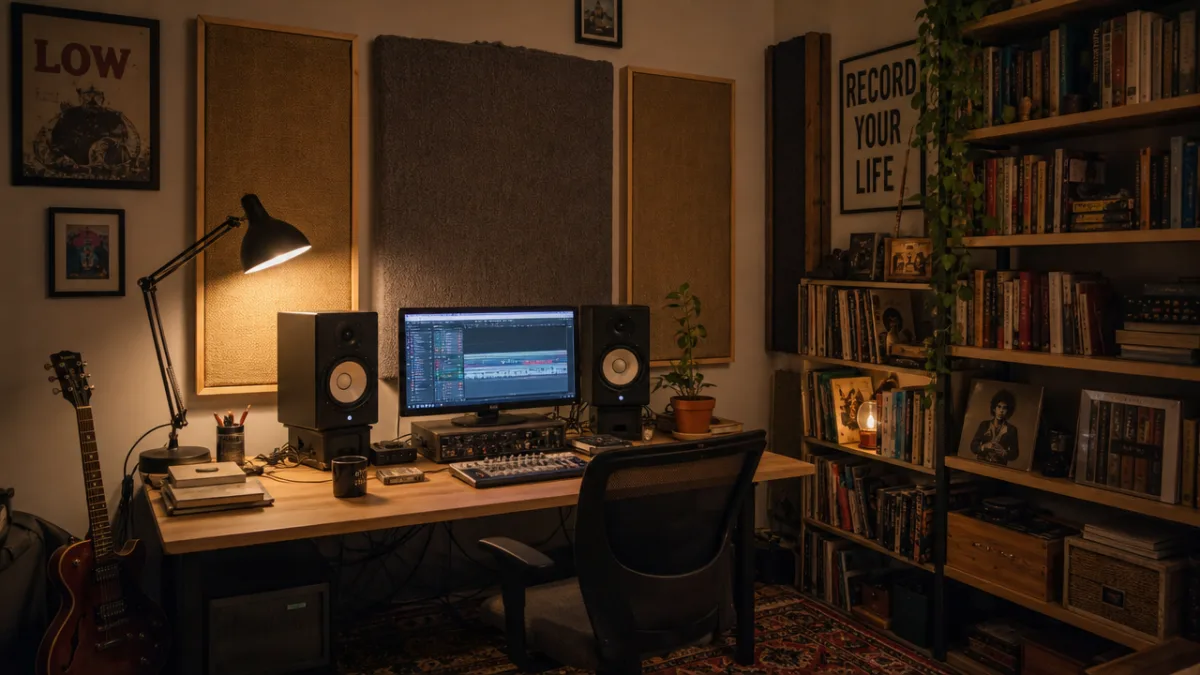
A stylish podcast room is only as effective as the technology that powers it, and thoughtful integration of your equipment into the design of the space is what separates a truly professional studio from a desk with a microphone propped against a stack of books. The goal is a setup where every piece of technology serves a clear purpose, is accessible without disrupting your recording flow, and disappears visually into the overall aesthetic of the room rather than dominating it with a chaotic tangle of cords and blinking lights. Intentional technology integration is the mark of a creator who takes their craft seriously.
Audio interfaces have become sleeker and more attractive in recent years, with manufacturers like Focusrite, Universal Audio, and Audient producing units in clean, modern designs that look at home on a styled desk. A quality interface paired with a dynamic microphone on an articulating boom arm gives you professional-grade audio capture while maintaining a clean, photogenic desk surface. The boom arm allows you to swing the microphone out of frame when not recording and bring it precisely into position when you are, preserving the visual integrity of your carefully styled desk setup while keeping your most important tool always within reach.
Monitoring your audio in real time through a pair of quality closed-back headphones prevents the common problem of recording sessions that sound fine in the moment but reveal problems — room noise, plosives, mic distance issues — only during post-production. A simple hardware or software monitoring setup connected to your audio interface allows you to hear yourself and any remote guests in crystal-clear quality throughout recording, enabling immediate adjustments rather than costly re-records. For podcasters who record with in-person guests, a small headphone amplifier with multiple outputs ensures everyone in the room can monitor comfortably without sharing a single pair of headphones or creating feedback loops.
Consider future-proofing your technology setup by building in flexibility for the formats and platforms that may be relevant to your show in the years ahead. HDMI capture cards, camera mounting solutions, teleprompter accessories, and streaming hardware are all worth factoring into your room design even if you are not currently using all of them. Routing cables through desk grommets, installing a small wall-mounted rack for signal processors and patch bays, and leaving adequate desk space for equipment expansion ensures your studio can grow with your ambitions rather than requiring a costly redesign every time your show evolves into something bigger and more technically sophisticated than when you first began.








What do you think?
It is nice to know your opinion. Leave a comment.