










Top 7 Benefits of Beeswax Candles: Why They’re Worth Every Penny
The Ancient Art of Beeswax Candles
Long before paraffin wax became the dominant material in candle-making, beeswax held an almost sacred place in human civilization. Ancient Egyptians used beeswax candles in religious ceremonies, and the Catholic Church prized them so highly that only pure beeswax candles were permitted on altars for centuries. This historical reverence wasn’t arbitrary — people instinctively understood that beeswax produced something fundamentally different from other burning materials, something cleaner, brighter, and more pleasant to live alongside.
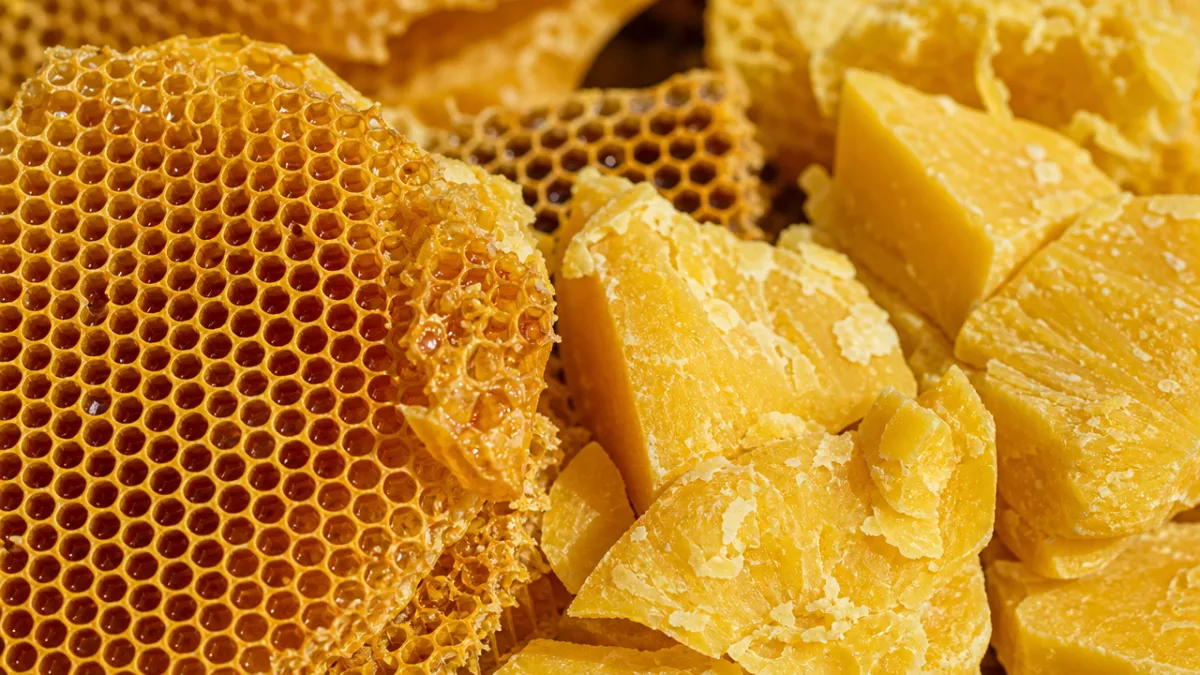
Beeswax is one of nature’s most extraordinary substances, produced by honeybees from the nectar of flowers. Worker bees consume roughly eight pounds of honey to produce just one pound of wax, which explains why beeswax candles carry a higher price tag than their synthetic counterparts. This remarkable investment by the bees themselves results in a material loaded with natural compounds — including long-chain fatty acid esters, alcohols, and hydrocarbons — that give beeswax its distinctive golden color, gentle honey scent, and exceptional burning properties.
Today, as more people seek out natural, sustainable alternatives to mass-produced goods, beeswax candles are experiencing a well-deserved renaissance. Consumers are looking beyond price tags and asking deeper questions about what they bring into their homes and the impact those choices have on their health and the environment. Beeswax candles answer those questions with remarkable consistency, offering a host of benefits that synthetic alternatives simply cannot match. Understanding these benefits transforms a beeswax candle from a luxury item into a genuinely smart, health-conscious investment.
Benefit 1: They Burn Cleaner Than Any Synthetic Alternative
One of the most compelling arguments for switching to beeswax candles is the dramatic difference in how they burn compared to paraffin or even soy candles. Paraffin wax is a petroleum byproduct — essentially a form of refined crude oil — and when it burns, it releases a complex mixture of compounds including toluene, benzene, and various aldehydes. Studies have found that burning paraffin candles in an enclosed space can produce indoor air quality comparable to minor chemical exposure, which is a startling fact for anyone who burns candles regularly or for extended periods.
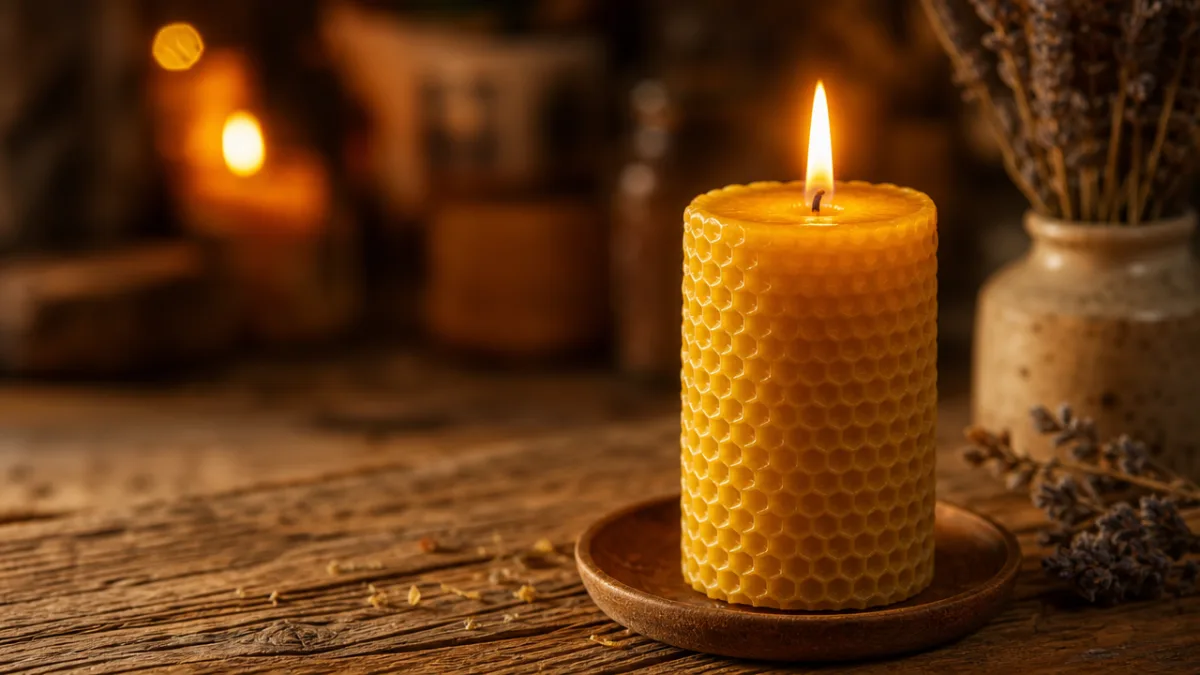
Beeswax, by contrast, burns with remarkable cleanliness. It produces a minimal amount of soot and emits no toxic compounds during combustion. When you burn a beeswax candle in your home, you’re essentially burning a natural wax made from plant pollen and nectar-derived hydrocarbons, none of which produce harmful residues. This means your walls, ceilings, and furniture are far less likely to accumulate that telltale black film that frequent paraffin candle users often find appearing over time, particularly above candle sconces or on nearby fabrics.
The difference is also visible in real time. Hold a beeswax candle next to a paraffin candle and observe the smoke each produces. The paraffin candle will typically produce visible black or grey smoke, especially when extinguished. A high-quality beeswax candle produces almost none. For households with children, elderly individuals, or anyone with respiratory conditions, this distinction isn’t merely aesthetic — it represents a meaningful difference in the air quality of their living spaces day after day, burn after burn.
Benefit 2: Natural Air Purification Through Negative Ions
Perhaps the most surprising and scientifically fascinating benefit of beeswax candles is their purported ability to improve air quality not just by avoiding pollution, but by actively helping to cleanse the air. Beeswax candles are believed to release negative ions when they burn, a property they share with natural phenomena like waterfalls, ocean waves, and thunderstorms. These negative ions interact with positively charged particles in the air — dust, pollen, mold spores, pet dander, and even some bacteria — causing them to become heavy and fall out of the air rather than remaining suspended where they can be inhaled.
Negative ion therapy has been a subject of scientific interest for decades. Research has suggested that environments rich in negative ions correlate with lower rates of certain respiratory problems and improved mood. While the science surrounding candles specifically is still developing, many long-time beeswax candle users report noticeable improvements in air quality in their homes, describing the air as feeling fresher and less stuffy after burning beeswax candles regularly. People who suffer from allergies or asthma often report that beeswax candles are the only type they can burn without triggering symptoms.
This ion-producing quality sets beeswax apart from every other common candle material. Paraffin candles, as noted, add particles to the air. Soy candles, while far cleaner than paraffin, do not appear to produce the same ionic effect. Only beeswax — owing to its unique natural chemical composition — carries this potential air-cleaning property. Whether you view this through the lens of ancient wisdom or emerging science, the notion that a burning candle could actually benefit the air in your home rather than degrade it is genuinely remarkable and worth serious consideration.
Benefit 3: A Longer, Brighter, and More Beautiful Burn
Beyond the health benefits, beeswax candles offer a simply superior candle experience from a practical and aesthetic standpoint. Beeswax has one of the highest melting points of any natural wax, which means beeswax candles burn more slowly and last significantly longer than comparable paraffin or soy candles. In practical terms, this means that a beeswax candle that costs twice as much as a paraffin candle may well last three times as long, fundamentally changing the value calculation for the budget-conscious consumer.
The quality of light produced by beeswax candles is equally exceptional. Beeswax burns at a color temperature remarkably close to that of natural sunlight — around 5,500 to 6,000 Kelvin — which is why beeswax candle light has that warm, full, and pleasing quality that feels different from other candles even when people can’t quite articulate why. This full-spectrum light is considered by many to be easier on the eyes and more conducive to relaxation and natural human rhythms than the cooler or more flickering light of lower-quality candles.
Beeswax candles also tend to produce a larger, more stable flame. Because the wax is denser and has a higher melting point, the melt pool develops evenly and the flame burns steadily without excessive flickering or dripping. This makes them ideal for use in holders or lanterns where spills would be problematic, and it contributes to a cleaner, more elegant aesthetic for dinner tables, mantelpieces, or meditation spaces. When you light a beeswax candle, you are lighting something that performs beautifully from first flame to last.
Benefit 4: Completely Natural Scent with No Synthetic Additives
Many people love scented candles, but the fragrance in most commercially available candles comes from synthetic chemical compounds that are themselves petroleum-derived. These artificial fragrances can contain dozens of undisclosed chemical ingredients — the fragrance industry operates under trade secret protections that allow companies to list only “fragrance” on an ingredient label even when that single word represents a complex mixture of potentially sensitizing compounds. For people with chemical sensitivities, migraines triggered by synthetic scents, or simple preferences for natural products, this presents a genuine problem.
Beeswax candles offer a beautiful natural solution. Pure beeswax carries its own gentle, inherent scent — a soft, warm, honey-like fragrance that comes directly from the nectar and pollen compounds preserved in the wax during production. This scent is subtle, never overwhelming, and universally pleasant. Unlike synthetic fragrances that can smell sharp, cloying, or artificial, the natural scent of beeswax is widely described as comforting and calming — the olfactory equivalent of a warm kitchen or a summer garden.
When beeswax candles are scented, reputable makers typically use pure essential oils rather than synthetic fragrance compounds, preserving the natural integrity of the candle and ensuring that what reaches your lungs is derived from plants rather than petrochemicals. The combination of beeswax and true essential oils creates an aromatherapy-grade candle experience that is simply unavailable from conventional paraffin candles regardless of how pleasantly they’re packaged. For anyone building a healthier home environment, the scent dimension of beeswax candles is yet another reason they deserve a prominent place in the conversation.
Benefit 5: Sustainable, Ethical, and Environmentally Responsible
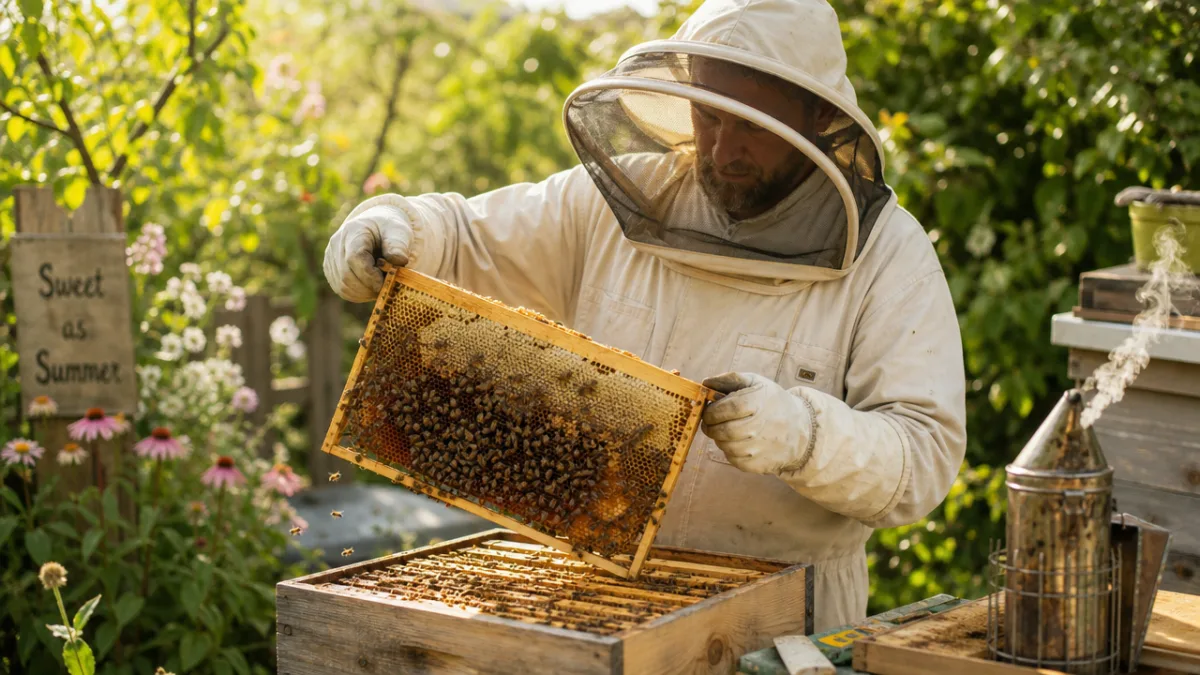
In an era of growing environmental consciousness, the origins and environmental footprint of everyday products matter more than ever. Beeswax is a renewable, natural resource produced as part of a beekeeping practice that, when conducted responsibly, actually supports the health of honeybee populations and the ecosystems those bees sustain. Honeybees are among the most critical pollinators on Earth, responsible for the reproduction of a significant portion of the world’s flowering plants and food crops. Supporting ethical beekeeping by purchasing beeswax products contributes to the economic viability of maintaining healthy hives.
Compare this to the environmental profile of paraffin wax, which is derived directly from the refining of crude oil. Every paraffin candle is a petroleum product, and its production involves all the environmental costs associated with oil extraction, refining, and distribution. Burning paraffin candles also releases carbon that has been sequestered underground for millions of years — the same fundamental problem as burning any fossil fuel. In this light, choosing beeswax candles is a small but meaningful environmental statement, aligning everyday habits with broader values around fossil fuel reduction.
Soy candles are often marketed as the green alternative, and while soy is certainly preferable to paraffin, it carries its own complications. The vast majority of commercial soy wax is derived from genetically modified soybeans, and soy agriculture is associated with significant pesticide use and, in some global contexts, deforestation. Beeswax sidesteps all of these concerns. It requires no agricultural land, no synthetic inputs, and is inherently biodegradable. For the truly environmentally conscious consumer, beeswax remains the clearest choice among all major candle materials.
Benefit 6: Supporting Mental Wellness and Mindful Living
Candles have always been associated with ritual, intention, and the deliberate slowing down of a busy life. There is something profoundly grounding about lighting a candle — about choosing to create warmth and light through a small, conscious act rather than flipping a switch. Beeswax candles elevate this ritual further through all the qualities already described: the gentle honey scent that signals authenticity and nature, the warm full-spectrum glow that soothes rather than stimulates, and the knowledge that what you’re burning is clean, natural, and ethically sourced.
Research into the psychological effects of candlelight suggests that the soft, flickering light of candles activates the parasympathetic nervous system — the “rest and digest” counterpart to the stress-inducing “fight or flight” response. This physiological shift toward calm is why candles are so commonly used in meditation, yoga, spa environments, and therapeutic settings. The light tells the brain, at a primal level, that it is safe to slow down. When that light comes from a clean-burning beeswax candle without the anxiety-inducing possibility of toxic fume exposure, the calming effect is wholly uncomplicated.
Many people who make the switch to beeswax candles describe it as part of a broader movement toward intentional living — surrounding themselves with fewer but higher-quality objects, choosing natural materials over synthetic ones, and investing in things that serve both immediate pleasure and long-term wellbeing. Beeswax candles fit seamlessly into this philosophy. They are not disposable, mass-produced objects; they are crafted products made from one of nature’s most remarkable substances, designed to be burned slowly and appreciated fully. In a culture of excess and speed, they offer a quiet counterpoint.
Benefit 7: Hypoallergenic Properties That Make Them Safe for Sensitive Individuals
For the millions of people who live with allergies, asthma, chemical sensitivities, or other conditions that make strong scents and airborne particles a daily challenge, candles can feel like an indulgence that must be foregone. Conventional candles — with their paraffin base, synthetic fragrances, metal-cored wicks, and chemical dye colorants — present a genuine risk of triggering symptoms ranging from mild irritation to serious respiratory distress. The result is that many sensitive individuals have simply given up on candles entirely, missing out on the comfort and beauty they provide.
Beeswax candles offer a genuine solution. Their natural hypoallergenic properties stem from the absence of all the problematic components that make conventional candles risky. Pure beeswax, combined with an unbleached cotton wick and no added synthetic fragrances or dyes, presents an extremely minimal allergenic profile. Many people with severe fragrance sensitivities find that the natural honey scent of beeswax either does not trigger their symptoms at all or produces a far milder response than any other candle material. Allergy-aware households frequently cite beeswax as the only candle they feel comfortable burning indoors.
It is worth noting that quality matters significantly within the beeswax candle category. Some products labeled as beeswax candles contain only a small percentage of actual beeswax blended with paraffin or other waxes, which means they carry few of the benefits described here while still commanding a premium price. For truly hypoallergenic benefits, consumers should seek candles made from 100% pure beeswax, with natural cotton or hemp wicks, and no added synthetic ingredients. The investment is higher, but for sensitive individuals especially, the difference in experience and physical wellbeing is entirely worth it.
Making the Switch: Practical Tips for First-Time Beeswax Candle Buyers
If you are ready to experience the benefits of beeswax candles for yourself, a few practical considerations will help ensure you get the best possible product and experience. The most important thing to look for is the percentage of beeswax content. Many candles are labeled misleadingly; a true beeswax candle should state “100% pure beeswax” on its label. You can also do a simple test: 100% beeswax will develop a natural white “bloom” or powdery coating on its surface over time — this is completely normal and even desirable, as it indicates purity, and can be gently buffed away with a soft cloth.
When purchasing beeswax candles, consider the following factors to ensure you’re getting a quality product:
- Look for candles made from 100% pure beeswax, ideally from domestic or traceable sources where beekeeping practices are transparent and ethical.
- Choose candles with unbleached cotton or hemp wicks, as metal-cored wicks can release trace metals during burning.
- Avoid beeswax candles that list artificial fragrances or synthetic dyes among their ingredients, as these undermine the natural benefits of the beeswax itself.
- Purchase from artisan or small-batch makers when possible — these producers are typically more invested in material quality and ethical sourcing than large commercial operations.
- Be prepared to invest appropriately; genuine 100% beeswax candles cost more, but their longer burn time and superior qualities make them genuinely cost-competitive over time.
Caring for your beeswax candles properly will also maximize their performance and longevity. Keep wicks trimmed to approximately one quarter of an inch before each burn to ensure a clean, controlled flame. Allow the melt pool to reach the edges of the candle on the first burn to prevent tunneling. Store unused beeswax candles in a cool, dark place away from direct sunlight, which can cause discoloration over time. With proper care, your beeswax candles will reward you with hours of clean, beautiful, health-supporting light — a small daily luxury that happens to be genuinely good for you and the world around you.








What do you think?
It is nice to know your opinion. Leave a comment.