










Pumpkin Patch Candle: The Ultimate Guide to Autumn’s Most Beloved Fragrance
The Magic of Pumpkin Patch Candles: An Introduction to Fall’s Favorite Scent
When the leaves begin to turn and the air carries that first crisp chill of autumn, something instinctive draws us toward warmth, comfort, and the familiar scents of the season. Among all the fragrances that define fall, the pumpkin patch candle stands apart as a singular experience — one that captures not just a smell, but an entire emotional landscape. It is the olfactory equivalent of a perfect October afternoon, complete with damp earth, ripening gourds, and the faint sweetness of harvest air.
The pumpkin patch candle is not simply a candle that smells like pumpkin spice. It is a far more nuanced and complex creation that attempts to bottle the full sensory experience of wandering through rows of sprawling vines and orange-hued fruits. Perfumers and candle makers who craft this scent profile draw on a rich palette of notes — green and earthy base tones, warm spice midnotes, and a subtle sweetness that ties everything together without tipping into confection. The result, when done well, is transformative.
The popularity of pumpkin patch candles has surged in recent decades alongside a broader cultural embrace of hygge, seasonal living, and intentional home decoration. Consumers increasingly seek out products that help them mark the passage of seasons and create a sense of ritual around everyday life. Lighting a pumpkin patch candle on a rainy October evening is a small but meaningful act of self-care — a way of saying yes to the season and inviting its particular beauty into the home.
Understanding the Fragrance Profile: What Makes a Pumpkin Patch Candle Smell Authentic
The fragrance profile of a truly authentic pumpkin patch candle is built on layers that work together to evoke a real outdoor experience rather than a baked dessert. The top notes typically open with something green and fresh — a hint of crushed stem, cucumber-adjacent gourd skin, or damp vine. This opening is what immediately signals to the brain that we are outdoors, surrounded by nature rather than standing in a kitchen. It is this quality that separates a pumpkin patch candle from a pumpkin pie candle, and for enthusiasts, the distinction is everything.
As the candle burns and the wax pool deepens, the heart notes begin to emerge with more presence. This is where warm spices like cinnamon, nutmeg, and clove make their appearance, but in a pumpkin patch candle they are used with a lighter hand than in bakery-inspired alternatives. They serve to suggest warmth and season rather than to dominate the composition. Some blends also introduce a whisper of wood smoke at this stage, evoking the distant smell of a bonfire or a farmhouse chimney, which adds tremendous atmospheric depth to the overall experience.
The base notes of a pumpkin patch candle are what give it lasting power and a sense of groundedness. Earthy musks, cedarwood, sandalwood, and occasionally a touch of vanilla provide the foundation on which the rest of the fragrance rests. These base notes are what linger in a room long after the candle has been extinguished, leaving behind a ghost of the season that gradually fades over several hours. When a candle maker achieves the right balance across all three layers, the result is a fragrance that feels almost uncannily real — as though a door to October had been left open somewhere in the house.
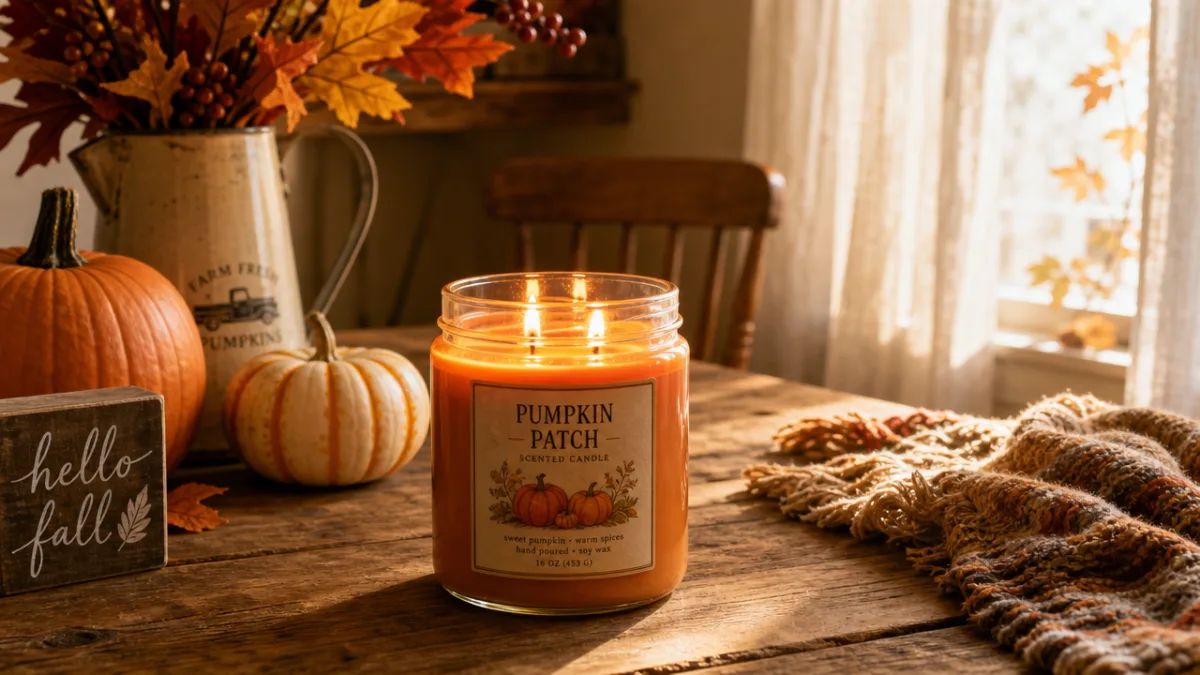
Choosing the Right Pumpkin Patch Candle: What to Look for When Buying
With so many pumpkin patch candles available from mass-market retailers, small-batch artisan makers, and everyone in between, navigating the options can feel overwhelming. The first thing a discerning buyer should consider is the wax type, as this has a significant impact on both fragrance throw and burn quality. Soy wax, coconut wax, and beeswax all tend to carry fragrance more cleanly than paraffin, producing a less synthetic and more nuanced scent experience. Many premium candle makers now use blended waxes that combine the best properties of different materials.
Fragrance load is another critical factor in evaluating a pumpkin patch candle. This refers to the percentage of fragrance oil used relative to the total wax weight, and it determines how strongly the candle will scent a room. A fragrance load of between eight and twelve percent is generally considered ideal for most wax types — enough to provide a satisfying cold throw when you simply sniff the unlit candle, and a warm throw during burning that fills the room without becoming overwhelming. Candles with too low a fragrance load can smell faint and disappointing, while those with too high a load may burn unevenly or produce soot.
When reading reviews or descriptions, pay attention to the following characteristics that distinguish exceptional pumpkin patch candles from mediocre ones:
- A multi-layered fragrance that evolves as the candle burns rather than remaining flat throughout
- A clean, even burn pool that reaches edge to edge within the first two to three hours of use
- A cotton or wooden wick that burns without excessive smoking or mushrooming
- Packaging and branding that reflects a genuine understanding of the seasonal aesthetic
- Transparency from the maker about wax type, fragrance ingredients, and burn time
- Positive customer reviews that specifically mention authentic outdoor quality rather than baked goods
Price point is not always a reliable indicator of quality, though it does tend to correlate with the use of premium ingredients. A well-crafted small-batch pumpkin patch candle might cost between twenty-five and fifty dollars and deliver an experience that is genuinely superior to a ten-dollar mass-market alternative. However, some mid-range candles from reputable brands offer excellent value, and part of the pleasure of the season can be discovering new favorites through experimentation and exploration.
Making Your Own Pumpkin Patch Candle at Home
Creating a homemade pumpkin patch candle is one of the most rewarding autumn craft projects available to anyone willing to invest a modest amount of time and materials. The process is accessible to beginners while offering enough complexity and room for refinement to keep experienced crafters engaged season after season. Beyond the satisfaction of creating something with your own hands, making candles at home gives you complete control over fragrance composition, wax type, container selection, and aesthetic presentation, allowing you to craft something that is perfectly tailored to your taste and space.
To get started, you will need a small selection of essential supplies. Most of these are readily available from craft stores or online candle-making suppliers, and a basic starter kit is typically quite affordable. The core materials include:
- Soy or coconut wax flakes, approximately one pound for a medium-sized candle
- A pre-tabbed cotton or wooden wick sized appropriately for your container diameter
- A fragrance oil blend designed to evoke a pumpkin patch — look for notes of gourd, earth, spice, and wood
- A heat-safe glass or ceramic container such as a mason jar or repurposed vessel
- A double boiler or dedicated candle-making pitcher for melting wax safely
- A thermometer to monitor wax temperature precisely
- Wick holders or chopsticks to keep the wick centered while the wax sets
The process of making the candle itself is meditative and enjoyable. You begin by melting your wax to the appropriate temperature, typically between 160 and 180 degrees Fahrenheit depending on the wax type. Once melted, you allow it to cool slightly to around 140 degrees before adding your fragrance oil, which ensures that the fragrance molecules bind properly with the wax without being burned off by excessive heat. Stir gently and thoroughly for at least two minutes, then pour slowly into your prepared container, which should have the wick already secured at the center. Leave the candle undisturbed for a full twenty-four hours to cure completely before trimming the wick to a quarter inch and lighting it for the first time.

Styling and Decorating with Pumpkin Patch Candles in Your Home
A pumpkin patch candle is more than a fragrance delivery system — it is also a decorative object with significant visual presence, and thoughtful styling can amplify its impact considerably. The most effective approach is to treat the candle as an anchor point for a small seasonal vignette rather than simply placing it in isolation on a shelf. Grouping it with complementary natural elements like dried corn husks, mini pumpkins, acorns, pinecones, or sprigs of dried botanicals creates a cohesive autumnal tableau that engages both sight and smell.
Consider the container or vessel your candle comes in as part of the overall aesthetic calculation. Amber glass jars and dark-toned ceramics tend to look particularly at home in fall settings, complementing the warm orange and brown palette of the season. Galvanized metal tins evoke a farmhouse or rural sensibility that aligns beautifully with the pumpkin patch theme, while hand-thrown pottery adds an artisanal quality that pairs well with other craft-made seasonal decor. If your candle came in packaging that does not suit your aesthetic, it is perfectly acceptable to transfer the wax to a more visually appealing vessel, provided the wick is repositioned properly.
Placement within the home matters enormously for both fragrance distribution and visual effect. Candles perform best fragrantly when placed in areas with some degree of air circulation but not so much that the flame is disturbed — a living room side table, a bathroom shelf, or a kitchen counter near a window are all excellent choices. For maximum seasonal atmosphere, consider creating a dedicated autumn corner in your living room or entryway, where the pumpkin patch candle burns as part of a larger assemblage of fall textures, colors, and materials that together create an immersive seasonal environment.
The Cultural Significance of Autumn Candles and Seasonal Rituals
The appeal of pumpkin patch candles and autumnal fragrance more broadly cannot be fully understood without considering the deeper cultural and psychological functions that seasonal rituals serve. Human beings are, at a fundamental level, seasonal creatures, even as modern life has largely insulated us from the practical rhythms of the agricultural calendar. The instinct to mark the turning of seasons — to celebrate the harvest, prepare for the darkness of winter, and gather close with family and community — remains deeply embedded in our psychology and cultural practices across virtually every civilization.
In contemporary Western culture, the embrace of autumnal aesthetics — including pumpkins, warm spices, changing leaves, and harvest imagery — represents a form of reconnection with those ancient rhythms. The act of lighting a pumpkin patch candle is, in its small way, a participation in a tradition of seasonal marking that stretches back thousands of years. It is no coincidence that the candle, rather than an electric diffuser or spray, has become the preferred vehicle for this kind of seasonal ritual. The flame itself carries symbolic weight, evoking warmth, gathering, and the primal comfort of light in the growing dark.
Psychologists who study the relationship between scent and memory have documented what most people know intuitively: smells are uniquely powerful triggers of autobiographical memory and emotional association. The fragrance of a pumpkin patch candle may evoke for one person the memory of a childhood trip to a rural farm, for another the smell of their grandmother’s kitchen in October, and for another simply a feeling of warmth and safety that defies specific articulation. This emotional potency is precisely what makes the pumpkin patch candle such an enduring and beloved seasonal product. It is not just a candle — it is a key to a particular door within the memory, one that opens onto autumn itself.
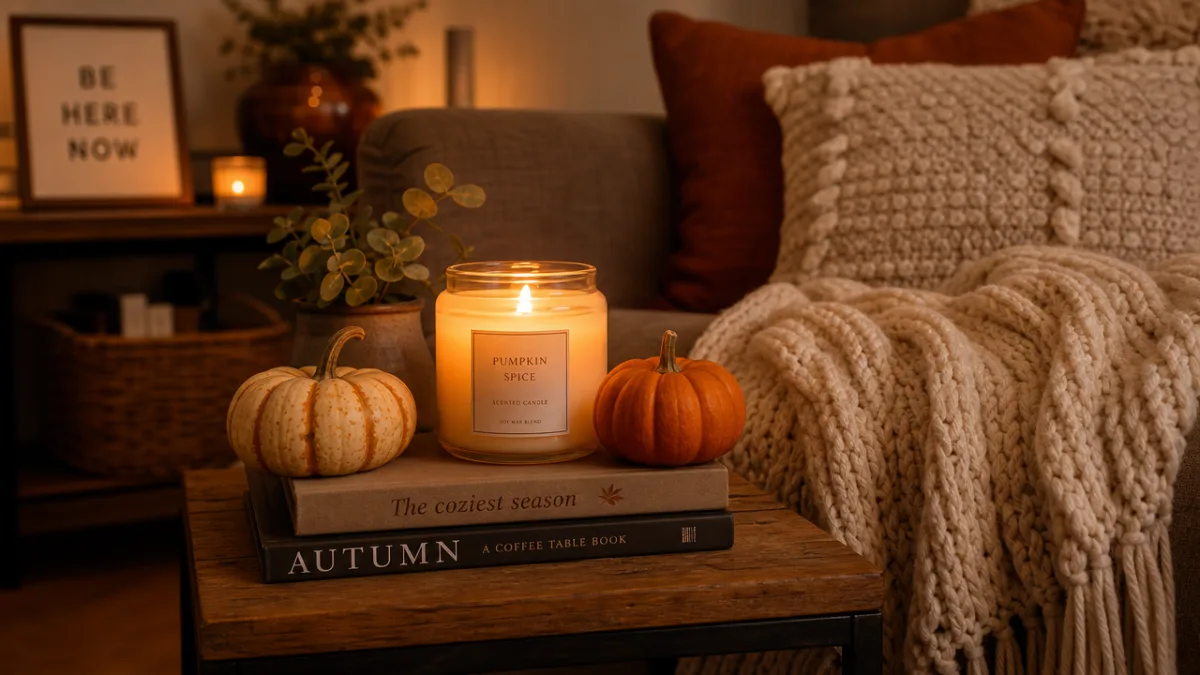
Caring for Your Pumpkin Patch Candle: Tips for Maximizing Burn Life and Fragrance
Even the finest pumpkin patch candle can be undermined by improper care and handling, while a more modest candle can be elevated significantly by thoughtful use. The single most important practice in candle care is the first burn, sometimes called the memory burn. On the very first occasion you light your candle, allow it to burn long enough that the entire surface of the wax melts completely from edge to edge. This typically takes between two and four hours depending on the candle’s diameter. If you extinguish it before a full melt pool forms, the wax will tunnel downward in a narrow cylinder, leaving a ring of unused wax around the edges for the rest of the candle’s life.
Wick maintenance is the second pillar of good candle care and one that many users overlook. Before every single burn, trim the wick to approximately one quarter of an inch. A wick that is too long will produce a large, flickering flame that burns the wax too quickly, generates excess soot, and can cause the glass container to become dangerously hot. A properly trimmed wick produces a steady, moderate flame that burns cleanly and efficiently, maximizing both fragrance throw and overall burn time. If you notice black soot forming on the inside of the glass, this is almost always a sign that the wick needs to be trimmed.
There are several additional practices that will help you get the most enjoyment from your pumpkin patch candle throughout the autumn season:
- Never burn a candle for more than four hours at a time, as extended burns can cause overheating and fragrance degradation
- Keep the candle away from drafts, open windows, and air vents that can cause uneven burning and flame disruption
- Store unused candles in a cool, dark place away from direct sunlight, which can fade fragrance and discolor wax
- Use a candle snuffer rather than blowing out the flame to prevent wax splatter and wick displacement
- Discontinue use when only half an inch of wax remains to prevent the container from overheating
- Clean and repurpose empty candle vessels rather than discarding them — they make beautiful small planters or storage containers
With proper care, a high-quality pumpkin patch candle should provide between forty and sixty hours of burn time, which translates to several weeks of evening use throughout the autumn season. This makes it not only a pleasurable but also a genuinely practical investment in seasonal living. When the last of the wax is finally gone and the container sits empty, you may find yourself already looking forward to next October, when the ritual of the pumpkin patch candle can begin again.








What do you think?
It is nice to know your opinion. Leave a comment.