










20 Free Crochet Balaclava Patterns: Your Complete Guide to Ski Mask Crochet
Introduction to Crochet Balaclavas
Crochet balaclavas have experienced a remarkable resurgence in popularity over recent years, evolving from purely functional cold-weather gear into genuine fashion statements worn by everyone from skiers on mountain slopes to urban trendsetters navigating icy city streets. These versatile head coverings offer full-face protection against biting winds and freezing temperatures while simultaneously allowing crafters to express their creativity through color, texture, and stitch choice. Whether you are a seasoned crocheter or someone just picking up a hook for the first time, a balaclava pattern is an incredibly rewarding project that delivers both style and practicality.
The beauty of crocheting your own balaclava lies in the complete customization it affords. Unlike store-bought versions, a handmade ski mask can be tailored to fit your exact head circumference, adjusted for different yarn weights to control warmth levels, and crafted in any color combination your heart desires. You might choose a chunky merino wool in a deep forest green for maximum warmth on powder days, or opt for a lightweight cotton blend in a neutral beige for an everyday fashion accessory that keeps the chill at bay during your morning commute. The possibilities are genuinely limitless when you hold the hook and yarn in your own hands.
This comprehensive guide walks you through everything you need to know about free crochet balaclava patterns, from understanding the basic construction principles to selecting the right yarn weight for your climate and lifestyle. We have curated insights from twenty of the most popular and well-loved free patterns available online, breaking down their difficulty levels, yarn requirements, and unique design features so you can confidently choose the right project for your skill set and end goals. By the end of this guide, you will have all the knowledge necessary to embark on your own balaclava-making journey.
A Brief History of the Balaclava
The balaclava takes its name from the Battle of Balaclava during the Crimean War in 1854, where British soldiers famously wore knitted head coverings sent from home to protect them against the brutal Ukrainian winter. These early versions were simple, functional garments born of necessity, hand-knitted by wives and mothers back in England who understood that keeping a soldier’s head and face warm could quite literally save his life. The design proved so effective that it was adopted across various military contexts and eventually made its way into civilian use among mountaineers, skiers, and winter sports enthusiasts throughout the twentieth century.
Essential Tools and Materials for Balaclava Crochet
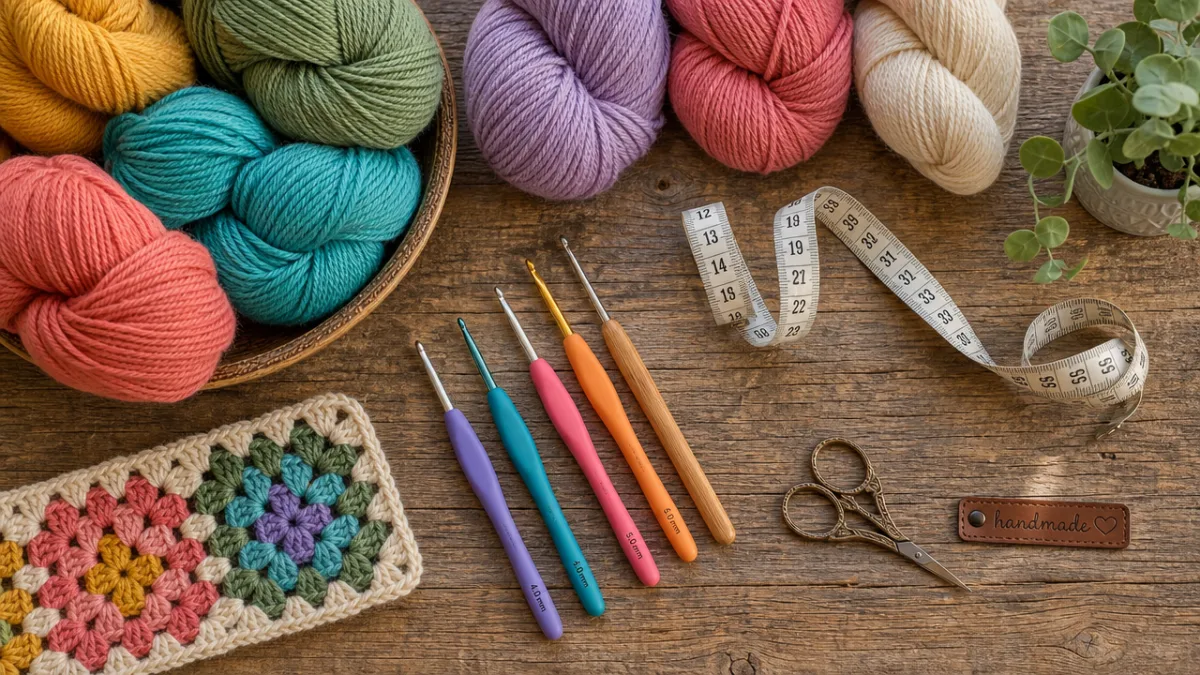
Before diving into your first balaclava pattern, gathering the right materials is absolutely essential to achieving a finished product you will be proud to wear or gift. The most critical decision is yarn selection, which directly impacts the warmth, drape, stretch, and overall aesthetic of your completed balaclava. For cold-weather balaclavas intended for skiing, snowboarding, or other outdoor winter activities, wool and wool-blend yarns are strongly recommended because of their exceptional insulating properties, natural moisture-wicking capabilities, and ability to retain warmth even when slightly damp from breath or snow.
For crocheters who need to avoid animal fibers due to allergies or personal preference, there are excellent acrylic and acrylic-blend alternatives that perform admirably in cold conditions. Super bulky acrylic yarns like Lion Brand Pound of Love or Red Heart Soft Yarn work beautifully for quick-knit balaclavas that come together in just a few hours. These yarns are also significantly more affordable than premium wool options, making them an excellent choice for crafters who want to make multiple balaclavas in different colors or for gifting to family and friends without breaking the budget. Many free patterns online are specifically designed with widely available acrylic yarns in mind, which helps keep your supply costs manageable.
Beyond yarn, having the correct hook size is crucial for achieving proper gauge and ensuring your balaclava fits correctly around the face and head. Most bulky balaclava patterns call for crochet hooks ranging from 5mm to 10mm, with many of the quickest and most beginner-friendly patterns using hooks in the 8mm to 10mm range. Additional tools you will want to have on hand include stitch markers for tracking your rounds, a yarn needle for weaving in ends and seaming any flat-worked pieces, scissors, and a soft measuring tape for checking both your gauge swatch and your head circumference at various points throughout the construction process.
- Bulky Wool or Merino Wool: Best for maximum warmth and outdoor winter sports use; naturally breathable and moisture-wicking.
- Super Bulky Acrylic: Affordable, widely available, and great for quick projects; comes in an enormous range of colors.
- Wool-Acrylic Blends: Offer a middle ground between the performance of wool and the ease of care and affordability of acrylic.
- Cotton or Cotton Blends: Suitable for lighter, more fashion-forward balaclavas intended for mild weather or indoor wear.
- Alpaca Blends: Luxuriously soft and incredibly warm; a wonderful choice for a special gift or high-end project.
Understanding Balaclava Construction Methods
Free crochet balaclava patterns typically fall into a handful of distinct construction categories, each producing a slightly different fit, look, and wearing experience. The most common construction method begins at the top of the head and works downward in continuous rounds, which creates a seamless fabric with excellent stretch and a clean, professional finish. This top-down approach is particularly popular among pattern designers because it allows for easy size adjustments at multiple points during construction and makes it simple to try the piece on as you go to ensure a proper fit before reaching the face opening section.
The second major construction method works the balaclava flat in panels that are subsequently seamed together, somewhat similar to the construction of a knitted balaclava. While this approach requires an additional finishing step, it can actually be easier for beginners to visualize and execute because the stitch counts and row construction follow a more familiar back-and-forth rhythm rather than requiring comfort with working in rounds. Flat-worked balaclavas also tend to have slightly more structure and body to them, which some wearers prefer, particularly for balaclavas intended to be worn as standalone fashion pieces rather than layered under a helmet.
A third, increasingly popular construction variation starts at the neck opening and works upward, allowing the crafter to easily customize the length of the neck tube portion before beginning the face-framing section. This bottom-up approach works particularly well for balaclavas that are designed to be worn pulled down as a neck gaiter and then pulled up over the face when needed, as it allows the neck tube to be made as long or as short as desired without any complicated pattern math. Many of the most stylish modern balaclava patterns use this construction method because it naturally lends itself to the oversized, slouchy aesthetic that has become so fashionable in streetwear and outdoor lifestyle communities.
Working the Face Opening
Perhaps the most technically interesting and design-critical aspect of any balaclava pattern is the construction of the face opening, which must be carefully shaped to sit comfortably around the face without pulling, gaping, or creating pressure points around the forehead and chin. Most patterns achieve this shaping through a combination of strategic decrease rows that narrow the fabric inward from the top and sides, followed by stitching around a defined oval or circular opening. The finishing edge of the face hole is typically worked in single crochet or slip stitches to create a neat, stable border that frames the face attractively and prevents the opening from stretching out of shape with repeated wear.
Top Free Pattern Styles and Their Unique Features
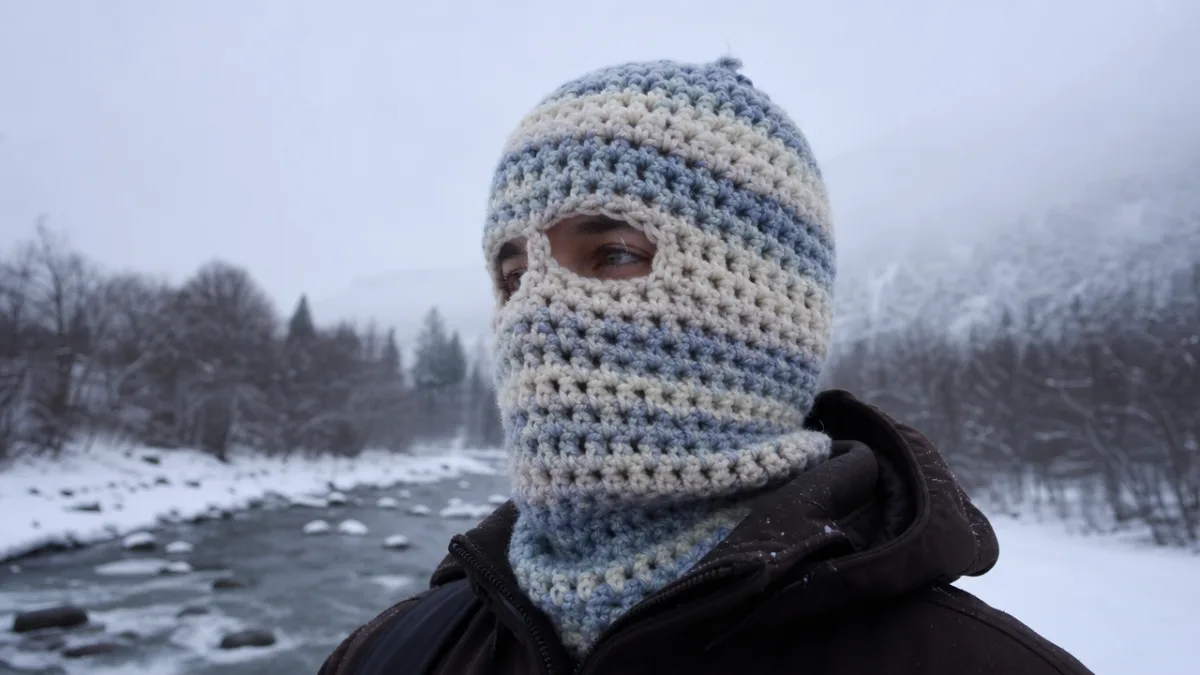
Among the twenty most popular free crochet balaclava patterns available online, several distinct aesthetic styles have emerged that cater to very different tastes and use cases. The classic ribbed balaclava remains enduringly popular for good reason, featuring vertical or horizontal ribbing created through back loop only or front loop only single crochet stitches that produce a stretchy, form-fitting fabric with excellent recovery. This style is the go-to choice for skiers and snowboarders because the snug fit stays put under a helmet without bunching, and the ribbed texture adds an extra layer of insulating air pockets against the skin.
Textured stitch balaclavas have exploded in popularity on social media platforms, with moss stitch, waffle stitch, and basketweave variations generating thousands of shares and saves on Pinterest and Instagram. These patterns use more complex stitch combinations to create visually striking surfaces that elevate the humble balaclava from purely functional gear to genuinely artful wearable craft. The moss stitch balaclava, in particular, has become something of a cult favorite in the crochet community, prized for its dense, insulating fabric and the beautiful interplay of raised and recessed stitches that catches light in endlessly interesting ways as you move.
For those seeking something a little more fashion-forward and less strictly athletic, open-work and lace balaclava patterns offer a stunning alternative that bridges the gap between functional winter wear and statement accessory. These patterns typically use lighter weight yarns and larger hooks to create a delicate, airy fabric with intentional holes and gaps that provide minimal warmth but maximum visual impact. While a lace balaclava would not be appropriate for a day on the ski slopes, it makes a show-stopping accessory for festival wear, editorial photo shoots, or simply making a bold style statement on a crisp autumn day when temperatures are cool but not genuinely frigid.
- Classic Ribbed Style: Perfect for athletic use; stays snug under helmets and provides excellent warmth and stretch.
- Waffle or Moss Stitch: Highly textured and visually interesting; great for fashion-forward wearers who want their balaclava to be a focal point.
- Open-Work or Lace: Lightweight and decorative; more suited to mild weather and fashion contexts than serious cold-weather use.
- Colorwork Balaclava: Uses multiple yarn colors to create stripes, geometric patterns, or even fair isle-inspired motifs for a truly unique look.
- Oversized and Slouchy: Trending heavily in streetwear; features a relaxed fit with extra fabric that drapes and folds for an effortlessly cool aesthetic.
Skill Levels and Pattern Difficulty Breakdown
One of the most encouraging things about the world of free crochet balaclava patterns is that genuinely excellent options exist at every skill level, from absolute beginners who have only just mastered the chain stitch all the way up to advanced crafters who are comfortable with complex stitch patterns and three-dimensional shaping techniques. Beginner-friendly balaclava patterns typically rely on just one or two basic stitches, such as single crochet and slip stitch, worked in continuous rounds with minimal shaping required beyond a few simple decreases around the face opening. These patterns can often be completed in a single afternoon or evening, making them immensely satisfying for crafters who are new to the hobby and need early wins to build their confidence and enthusiasm.
Intermediate patterns introduce elements such as ribbing worked in back loops only, basic color changes, simple textured stitches like the moss or seed stitch, and slightly more complex face opening shaping that requires reading ahead in the pattern and understanding how different sections relate to each other structurally. At this level, crafters are typically comfortable with working in rounds, reading standard crochet abbreviations and charts, and making minor adjustments for gauge or size without feeling overwhelmed. The intermediate category contains arguably the widest and most diverse range of patterns, covering everything from athletic ribbed ski masks to beautifully textured fashion balaclavas in luxurious yarns.
Advanced balaclava patterns push the boundaries of what is possible with hook and fiber, incorporating techniques such as Tunisian crochet, intricate colorwork requiring the management of multiple yarn strands simultaneously, complex shaping using short rows borrowed from the knitting world, and decorative elements like applied surface crochet or crocheted-on embellishments. These patterns demand a high level of technical skill and pattern-reading ability, but the results are genuinely extraordinary pieces that look more like works of art than cold-weather accessories. Advanced crafters who take on these challenging patterns often find that the process itself is as rewarding as the finished object, as the problem-solving and skill-building aspects of complex crochet are a major part of what makes the craft so enduringly compelling.
Tips for Modifying Patterns to Your Size
Resizing a crochet balaclava pattern is a skill that will serve you well throughout your crafting life, as head circumferences vary considerably from person to person and most free patterns are written for an average adult size that may not fit every wearer perfectly. The key to successful resizing lies in your gauge swatch, which tells you exactly how many stitches and rows per inch your particular combination of yarn, hook, and personal tension produces. Once you know your gauge, you can calculate the number of stitches needed for your specific head circumference and adjust the starting chain or foundation round accordingly, then scale the remaining pattern proportionally to maintain the correct shaping ratios throughout the construction process.
Caring for Your Handmade Balaclava
Proper care of your finished crochet balaclava is essential for preserving the beauty, fit, and structural integrity of your handwork for years to come, and the specific care requirements will vary significantly depending on the fiber content of the yarn you have chosen. Wool and wool-blend balaclavas require the most attentive care, as wool is susceptible to felting and shrinking when exposed to heat and agitation simultaneously. The golden rule for washing wool crochet is to use cool or lukewarm water with a small amount of gentle wool wash or baby shampoo, handling the fabric with minimal agitation, and pressing rather than wringing the water out before laying the piece flat to dry away from direct heat or sunlight.
Acrylic balaclavas are significantly easier to care for and can typically be machine washed on a gentle cycle and either laid flat to dry or tumbled on a low heat setting, making them a practical choice for children’s balaclavas or pieces that will see heavy, frequent use and need to be washed regularly. However, it is important to note that acrylic fibers do not tolerate high heat well and can permanently distort if washed in hot water or dried on a high heat setting, so always check the yarn label for specific care instructions and err on the side of caution when in doubt. Some high-quality acrylic yarns can even be blocked using steam to improve drape and even out stitches, though this should be done carefully with a hovering rather than pressing technique to avoid flattening the texture of your work.
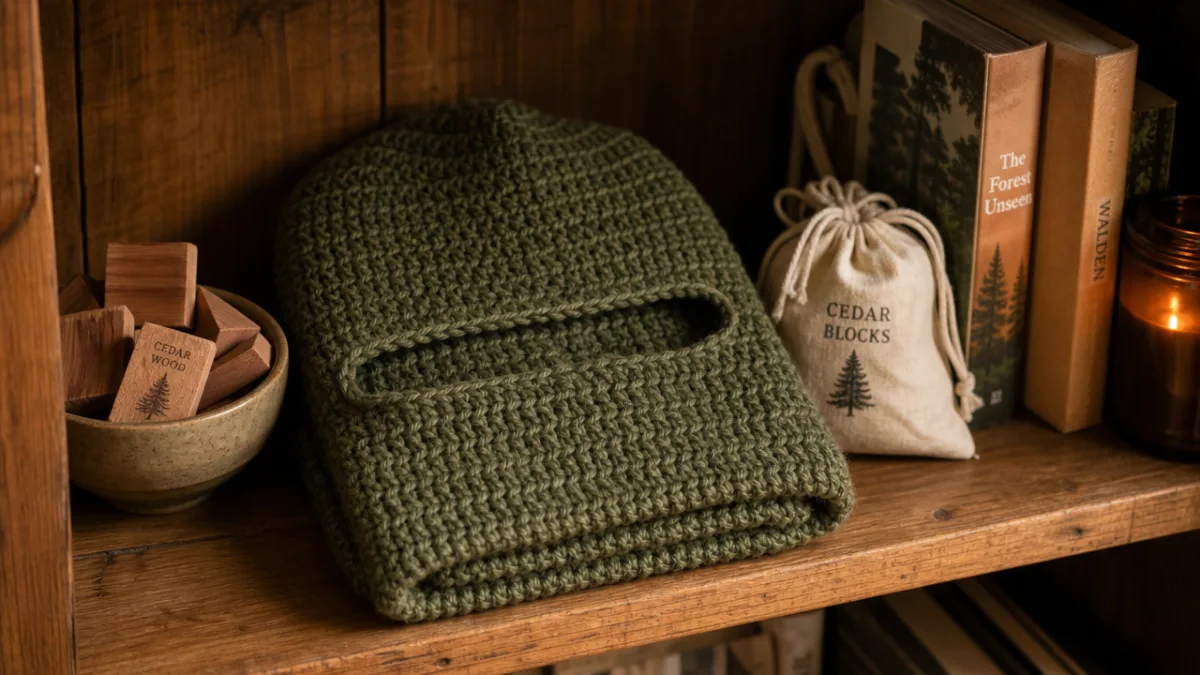
Regardless of fiber content, storing your balaclava properly during the off-season will help it maintain its shape and freshness until the cold weather returns. Clean balaclavas should be stored in a breathable cotton bag or pillowcase rather than an airtight plastic container, as trapped moisture can encourage mildew growth even in fibers that appear completely dry. Adding a small cedar block or lavender sachet to the storage bag will discourage moths, which are particularly attracted to natural fibers like wool, alpaca, and cashmere, and will keep your balaclava smelling fresh and clean so it is ready to wear the moment temperatures start to drop again next autumn.
Finding and Using Free Patterns Online
The internet has made it easier than ever to access an enormous wealth of high-quality free crochet balaclava patterns, with platforms like Ravelry, Pinterest, and individual crafter blogs hosting thousands of options across every conceivable skill level, style, and yarn weight. Pinterest is particularly valuable as a discovery tool, allowing you to visually browse hundreds of finished balaclavas at a glance and then follow the links to the underlying free patterns on their host sites. When using Pinterest to find patterns, it is always worth reading the comments and reviews on the original pattern page if available, as other crafters who have made the project will often share valuable insights about modifications they made, yarns they substituted, and any errors or ambiguities they encountered in the original instructions.
Ravelry remains the gold standard database for crochet and knitting patterns, with powerful search and filtering tools that allow you to search specifically for free balaclava crochet patterns sorted by yarn weight, difficulty level, and even the number of times other users have favorited or made the pattern. Creating a free Ravelry account also allows you to maintain a digital project journal documenting your own makes, save patterns to organized virtual libraries, and connect with the broader global community of crafters who can offer advice, encouragement, and inspiration. Many pattern designers offer their work for free on Ravelry as a way to build their community and showcase their design skills, resulting in an extraordinary library of high-quality free content that continues to grow every day.
When you find a pattern you are excited to try, taking a few minutes to read through the entire pattern before beginning can save you significant frustration and frogging time down the line. Pay particular attention to any special stitches that are used but not explained in detail within the pattern itself, as you may need to look up a tutorial for these techniques separately before you begin. It is also worth noting the yarn and hook specifications the designer used, as well as their finished dimensions, so you can adjust accordingly if your gauge differs or you need a different size. Keeping a small notebook or using a pattern-tracking app to jot down your modifications and row counts as you work will make it much easier to replicate your results or pass the pattern along to a friend with your personal adjustments already documented.
Building a Balaclava Pattern Collection
Many dedicated crochet enthusiasts find great joy in building a curated digital collection of their favorite balaclava patterns, organized by style, season, skill level, or intended recipient. Starting a dedicated Pinterest board for crochet balaclava patterns allows you to save and categorize your finds in a visually browsable format that makes it easy to return to specific patterns when you are ready to start a new project. Over time, as you work through more patterns and develop stronger preferences and opinions about construction methods and design aesthetics, your collection will become an increasingly personalized resource that reflects your unique taste and growing expertise as a crafter.








What do you think?
It is nice to know your opinion. Leave a comment.