










23 Easy Simple Room Refresh Ideas for Old Furniture and Dated Paint
Why Refreshing Your Space Matters More Than You Think
There is something quietly powerful about the spaces we live in. Over time, even the most beloved rooms can begin to feel stale, heavy, or simply out of sync with who we are today. Dated paint colors that once felt fresh, furniture that has seen better days, and decor that no longer sparks joy can collectively drain the energy from a home without us even realizing it. A room refresh is not about spending a fortune or gutting everything you own. It is about making intentional, thoughtful changes that breathe new life into a space and, by extension, into the people who inhabit it every single day.
The good news is that a meaningful transformation does not require a contractor, a large budget, or weeks of upheaval. Many of the most effective room refresh ideas are surprisingly simple, requiring little more than a free weekend, a few inexpensive supplies, and the willingness to see your existing pieces with fresh eyes. Whether you are working with a living room that feels stuck in a previous decade or a bedroom that has grown dull and uninspiring, the strategies outlined in this article will give you a clear, actionable roadmap toward a home that feels genuinely renewed and beautifully livable again.
Interior designers have long understood a truth that the rest of us are only beginning to embrace: you rarely need to replace what you have. What you need is to reimagine it. A coat of paint, a new arrangement, a few updated accessories, or even just editing out the clutter can make a space feel completely unrecognizable in the best possible way. The ideas that follow are drawn from that same philosophy — that the bones of a great room are usually already there, waiting to be rediscovered beneath layers of habit and inattention.
Tackling Dated Paint: Colors, Techniques, and Transformative Finishes
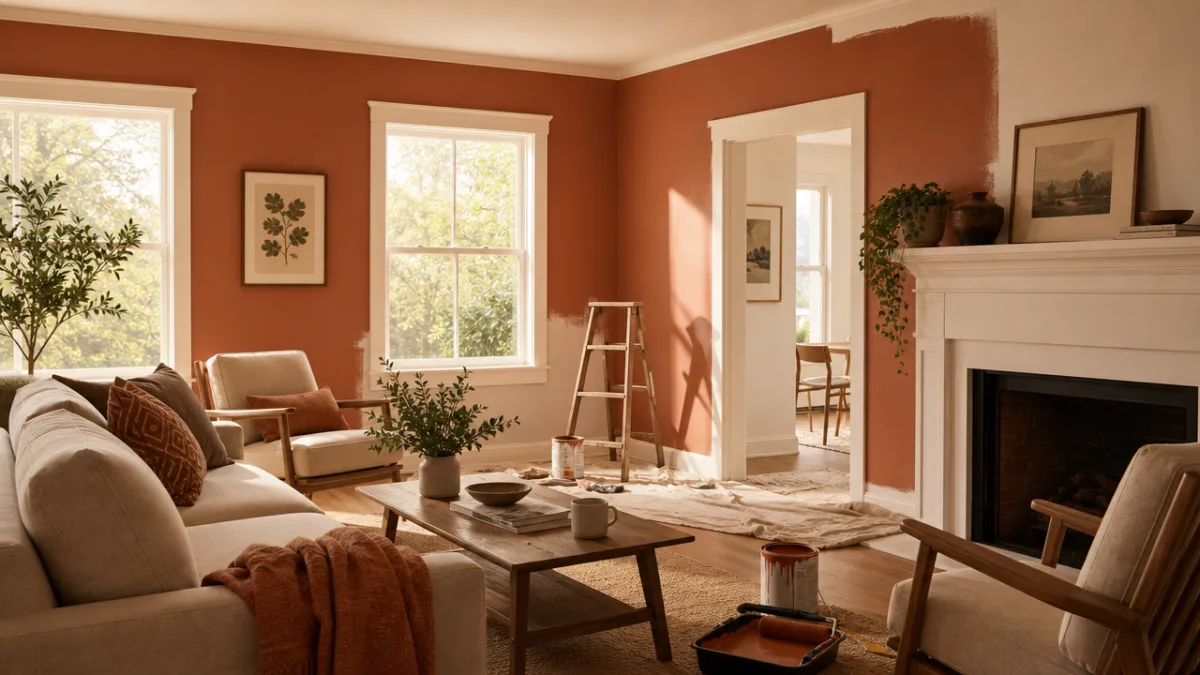
Paint remains the single highest-impact, lowest-cost tool available to any homeowner looking to refresh a room. A dated beige that once felt neutral and safe can make an entire space feel flat and uninspired after years of living with it. Choosing a new wall color is often the first and most transformative step in any room refresh project. The key is to move beyond trend-chasing and instead focus on how different tones make you feel when you spend time in the room. Warm whites create a sense of calm and cleanliness. Deep, moody blues and greens add drama and coziness. Earthy terracottas and warm ochres bring a grounded, organic energy that works beautifully in living rooms and bedrooms alike.
Beyond choosing a new color, consider experimenting with paint techniques that add texture, depth, and visual interest to your walls. Color washing, whereby a diluted glaze is applied over a base coat in loose, overlapping strokes, creates a beautiful, aged effect that adds warmth without overwhelming a space. Limewash paint has surged in popularity for exactly this reason — it creates a softly mottled, mineral-rich finish that looks both ancient and completely contemporary at the same time. These techniques are well within reach for a confident beginner and can turn an ordinary wall into a genuine focal point that guests will immediately notice and admire.
Do not overlook the transformative power of painting something other than your main walls. Ceilings painted in a soft color create a sense of intimacy and coziness that flat white simply cannot achieve. An accent wall in a bold, contrasting shade instantly defines a room and gives it a clear sense of direction. Painting the interior of a bookcase or shelving unit in a rich, complementary hue makes the objects displayed within look curated and intentional rather than simply accumulated. Even painting your trim or doors in a contrasting color, such as going from plain white trim to a deep charcoal or warm black, can dramatically modernize a room without touching a single piece of furniture.
Giving Old Furniture New Life Without Replacing It
Old furniture is one of the greatest untapped resources in most homes. A solid wood dresser, a well-built dining table, or a generously proportioned sofa may have years of excellent life left in them, yet their dated finishes or worn upholstery can make an entire room feel tired. Before you consign a piece to the curb or the donation pile, consider what that piece might become with a little investment of time and creativity. Furniture painting has become one of the most popular and satisfying home improvement hobbies precisely because the results can be so dramatic. Chalk paint, milk paint, and specialized furniture paints adhere beautifully to most surfaces without extensive preparation and can completely transform a piece in a single afternoon.
Reupholstering or slipcovering upholstered furniture is another remarkably effective way to modernize pieces without replacing them. A sofa that once wore a dated floral pattern can be transformed with a tailored slipcover in a clean linen or a graphic textural fabric. Dining chair seats are particularly easy and satisfying DIY reupholstery projects — remove the seat, stretch new fabric over it, staple it in place, and you have an entirely new look for a few dollars per chair. Even simply swapping out old throw pillows on a sofa or armchair, choosing new covers in colors and textures that reflect a more current sensibility, can make the entire seating arrangement feel like it was purchased yesterday rather than years ago.
Hardware is the jewelry of furniture, and changing it out is one of the fastest and most affordable transformation tricks available. Outdated brass pulls on a kitchen cabinet or dresser can look instantly modern when swapped for matte black, brushed nickel, or unlacquered brass in a more contemporary profile. Ceramic or hand-painted hardware adds an artisan quality that elevates even the most basic flat-pack furniture. The cost of new hardware is minimal, the installation requires little more than a screwdriver, and the visual impact is disproportionately large. This is one refresh idea that requires no special skills, no mess, and almost no time — yet the result is consistently striking and satisfying for anyone who tries it.
Rearranging and Editing: The Free Refresh That Most People Overlook
One of the most powerful room refresh strategies costs absolutely nothing and yet is one of the most frequently overlooked. Rearranging your furniture can make a room feel like a completely different space, improving both its function and its visual appeal simultaneously. Most people arrange their furniture once when they move in and then never revisit that arrangement, even as their needs, habits, and tastes evolve. Start by pulling everything away from the walls — contrary to popular instinct, furniture pushed against walls makes a room feel smaller and less connected, not larger. Floating a sofa or chairs in the center of a room, anchored by a rug, creates a more intimate and purposeful conversation area that feels both more inviting and more sophisticated.
Editing your belongings is the equally important and often more emotionally challenging counterpart to rearranging. A room that is overfilled with objects, no matter how lovely each individual piece may be, will never feel truly restful or well-designed. The eye needs places to rest. Empty space is not wasted space — it is breathing room, and it is what allows the pieces you genuinely love to be properly seen and appreciated. Go through your shelves, your surfaces, and your walls with a critical eye. Remove anything that you do not actively love, anything that is simply filling space out of habit, and anything that belongs to a visual story you are no longer telling. Store these items, donate them, or move them to another room where they might feel more at home.
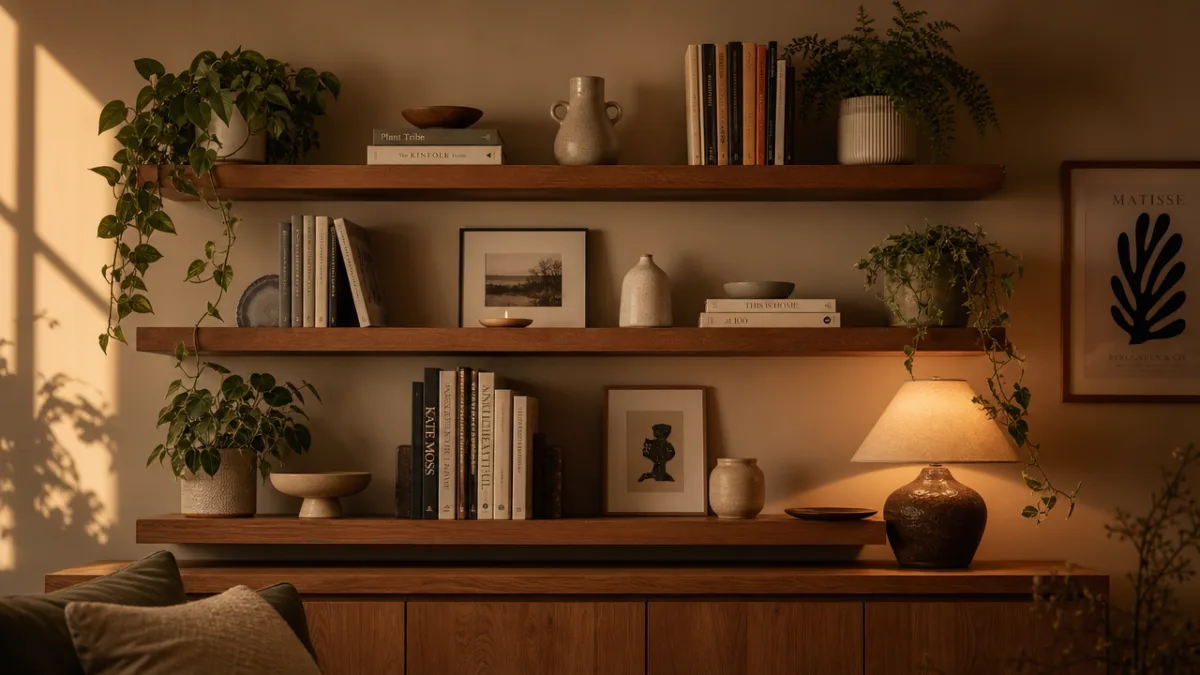
Gallery walls, shelving arrangements, and surface styling are all areas where thoughtful editing makes an enormous difference. Grouping objects by color, material, or scale creates a sense of curation that elevates even the most ordinary collection of things. On a bookshelf, mixing books with objects, plants, and small pieces of art creates a layered, lived-in quality that feels far more interesting than books alone. On a mantelpiece or console table, working in odd numbers and varying heights creates a natural visual rhythm that the eye finds deeply satisfying. These principles are simple to learn and apply, and once internalized, they will change the way you see and style every surface in your home.
Quick Editing Checklist for Any Room
- Remove all items from shelves and surfaces, then only return what you genuinely love and use regularly, leaving deliberate empty space between groupings.
- Assess wall art for relevance and placement — artwork hung too high is one of the most common styling mistakes and can make a room feel disjointed and unanchored.
- Clear all floors of anything that does not belong there permanently, including bags, boxes, and miscellaneous items that have accumulated over time.
- Evaluate lighting at every level — floor lamps, table lamps, and overhead fixtures all contribute to the layered lighting that makes a room feel warm and dimensional rather than flat and institutional.
- Check that every large piece of furniture is earning its place — if it blocks flow, overwhelms the room, or serves no real purpose, it may be time to move or remove it.
Textiles, Lighting, and Accessories: The Details That Define a Room
Once the larger decisions about paint and furniture have been made, it is the textiles, lighting, and accessories that give a room its true personality and warmth. Rugs are perhaps the single most transformative accessory available, and yet they are consistently underutilized or poorly chosen. A rug that is too small for the space it occupies is one of the most common and most damaging mistakes in home decor — it makes the room feel disconnected and the furniture appear to be floating without purpose. The right rug anchors a seating arrangement, defines a zone within an open-plan space, adds warmth underfoot, and introduces color, pattern, and texture simultaneously. If your current rug is not working, replacing it is almost certainly worth the investment.
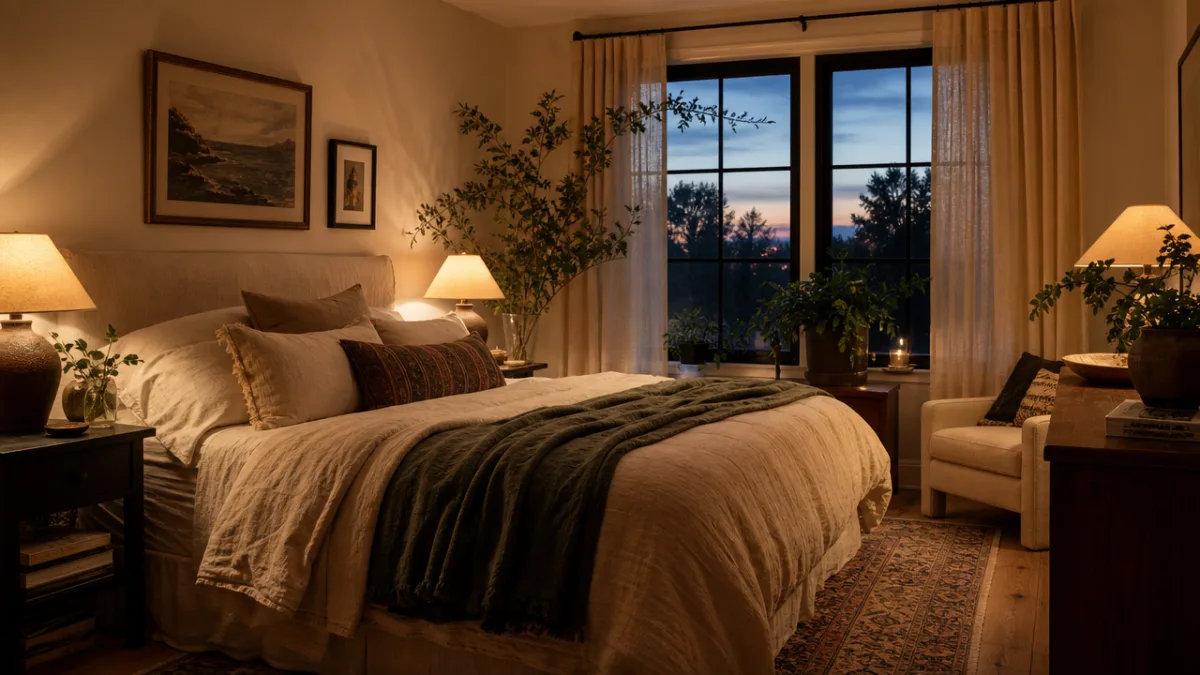
Lighting is the element that most dramatically controls mood, and yet it is the area most homeowners pay the least attention to when refreshing a room. Overhead lighting alone creates a flat, unflattering environment that makes even beautifully designed rooms feel harsh and institutional. Layering your lighting by combining ambient overhead sources with task lighting and accent lighting creates depth, warmth, and dimension that transforms how a room feels at every hour of the day. Swapping out a basic overhead fixture for something with more character and scale — a sculptural pendant, a linen drum shade, or a dramatic chandelier — instantly elevates a room’s sense of design intention. Even simply adding table lamps and floor lamps to corners and surfaces creates pools of warm light that make a space feel genuinely welcoming after dark.
Textiles introduced through curtains, cushions, throws, and table linens add layers of texture and softness that are essential to a room feeling complete and livable. Curtains hung high and wide — close to the ceiling and extending well beyond the window frame on either side — make windows look dramatically larger and ceilings feel taller, an effect that can transform even the most modest room. Replacing outdated or lightweight curtains with full, floor-length panels in a quality fabric is one of the most immediately impactful changes you can make. Cushions and throws on sofas and chairs add color, pattern, and an invitation to settle in and get comfortable — and they are entirely replaceable as your tastes evolve, making them one of the most flexible and cost-effective tools in any room refresh toolkit.
Accessory Refresh Ideas at a Glance
- Introduce a statement mirror to a wall that currently has no focal point — mirrors reflect light, add the illusion of depth, and bring an elegance to any space regardless of style or budget.
- Add living plants at varying heights to bring organic life, color, and texture into a room, as even a single large plant in a beautiful pot makes an immediate and significant visual impact.
- Replace builder-grade light switch plates and outlet covers with ones in a finish that complements your hardware — a tiny detail that signals care and attention throughout the space.
- Layer multiple rugs for added texture and dimension, particularly in living rooms and bedrooms where a natural fiber rug as the base can be topped with a smaller, more colorful piece.
- Invest in one or two genuinely beautiful objects that you love completely — a handmade ceramic vase, a sculptural bookend, a piece of original art — rather than filling surfaces with many mediocre ones.
Creating a Cohesive Refresh Plan: Bringing It All Together
The most successful room refreshes share a common quality: they feel intentional and cohesive rather than piecemeal and random. Achieving that quality does not require professional design training — it simply requires a little planning before you begin buying or painting anything. Start by identifying a clear direction for the room: a mood, a palette, a style reference, or even just a single photograph that captures how you want the space to feel. This reference point becomes your editorial filter, helping you make decisions quickly and confidently as you work through the refresh process. Everything you add, change, or remove should either support that vision or be set aside for a different space or a different time.
A cohesive color palette is the invisible thread that ties a refreshed room together, and developing one does not need to be complicated. Choose two or three main colors — typically a dominant neutral, a secondary mid-tone, and a smaller accent color — and then pull those colors through the room consistently across paint, textiles, accessories, and art. This does not mean everything needs to match in an obviously coordinated way. Rather, it means that each element relates to the others in a way that creates a sense of visual harmony and intention. The eye moves through a room most comfortably when there is a quiet underlying logic to the color relationships it encounters, even if that logic operates at a largely subconscious level for most observers.
Finally, remember that a room refresh is never truly finished — it is an ongoing process of editing, adjusting, and evolving alongside the people who use the space. The goal is not perfection but rather a room that supports your life, reflects your taste, and makes you feel genuinely at home every time you walk through the door. Start with the ideas in this article that excite you most, complete them fully before moving on to the next, and give yourself permission to live with each change before assessing it. Some transformations need time to settle and be seen properly. Be patient with the process, trust your instincts, and enjoy the deeply satisfying experience of watching a room you love take shape through your own hands and vision.
Your Room Refresh Starter Checklist
- Choose a single room to refresh first and define a clear mood or direction before purchasing or changing anything, using inspiration images as a guide throughout the process.
- Identify the highest-impact change available in that room — often paint, a rug, or a lighting update — and address it first before tackling smaller detail changes.
- Audit existing furniture for pieces that could be painted, reupholstered, or rehardwared before committing to any replacement purchases.
- Create a cohesive palette of two to three colors and ensure every new addition relates back to that palette in some meaningful way.
- Complete a full edit of the room — removing, storing, or relocating anything that does not actively serve the space — before adding a single new item.
- Layer your lighting by adding at least one table lamp or floor lamp per seating area and swapping any outdated overhead fixtures for something with genuine character and scale.
- Give the refreshed room at least two weeks of living before making final assessments, as spaces often need time and use before revealing their true character and potential.








What do you think?
It is nice to know your opinion. Leave a comment.