










Upcycled Dresses from Men’s Shirts: A Creative Guide to Sustainable Fashion
The Art of Upcycling: Transforming Men’s Shirts into Beautiful Dresses
Upcycling has become one of the most exciting movements in sustainable fashion, and nowhere is this creativity more evident than in the transformation of ordinary men’s shirts into stunning, wearable dresses. Inspired by designers and DIY enthusiasts like Yude, this craft invites makers of all skill levels to look at discarded or thrifted button-down shirts with entirely new eyes. What was once a forgotten garment hanging in the back of a closet can become a one-of-a-kind fashion statement that reflects both personal style and environmental consciousness.
The beauty of this particular upcycling technique lies in its accessibility. Men’s shirts are abundant in thrift stores, charity shops, and even in household closets where they often go unworn for years. Their construction — with structured collars, front button plackets, and generous fabric panels — provides an ideal foundation for creating dresses with character and charm. The existing tailoring and detailing of a classic shirt actually does much of the design work for you, offering built-in elements that would be time-consuming and costly to recreate from scratch.
Beyond the creative satisfaction, upcycling men’s shirts into dresses carries significant environmental benefits. The fashion industry is one of the world’s largest polluters, contributing to water waste, chemical runoff, and an overwhelming volume of textile landfill. By reimagining existing garments instead of purchasing new ones, makers directly reduce their contribution to this cycle. Every shirt transformed into a dress is one less item destined for a landfill and one less new garment that needs to be manufactured, shipped, and packaged.
Gathering Your Materials and Choosing the Right Shirts
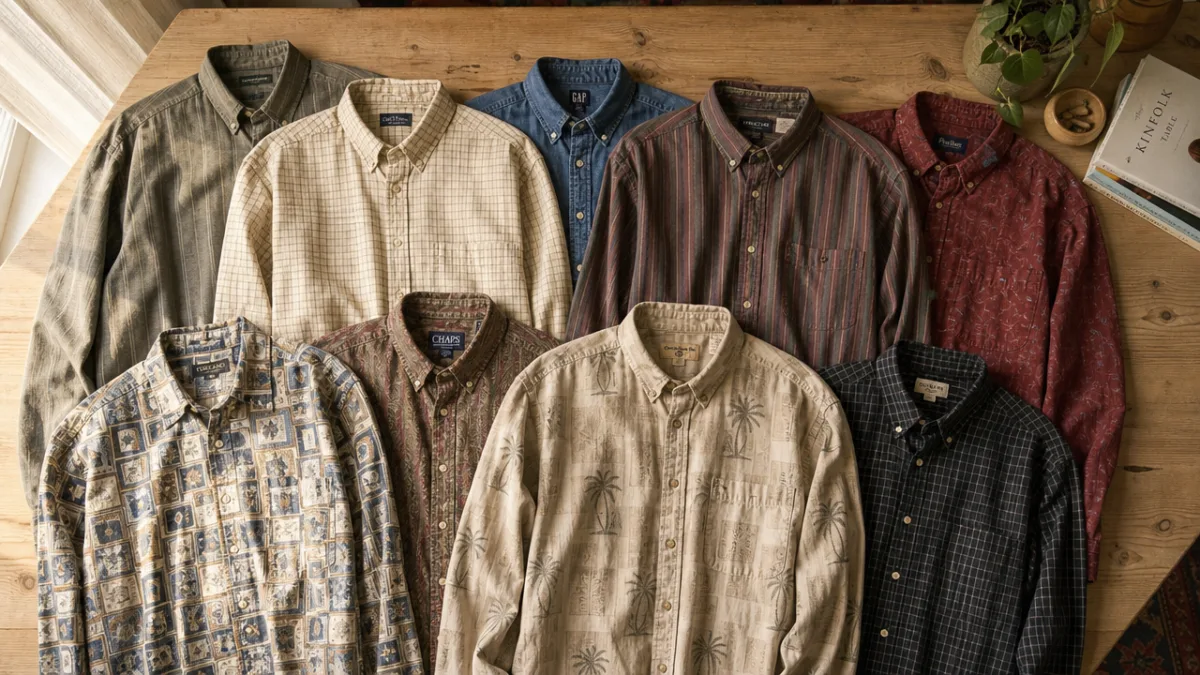
The foundation of any successful upcycling project is sourcing the right raw materials, and when it comes to transforming men’s shirts into dresses, selection is everything. Not every shirt will lend itself equally well to every design approach, so it helps to have a clear vision before you begin your search. Thrift stores are the most popular hunting ground, offering an enormous variety of fabrics, patterns, and sizes at remarkably low prices. Estate sales, online second-hand platforms, and even friends’ wardrobes are all excellent sources worth exploring.
When evaluating shirts for their transformation potential, pay close attention to fabric quality and condition. Oxford cloth, chambray, and linen shirts tend to hold their shape beautifully and are sturdy enough to withstand deconstruction and reassembly. Avoid shirts with significant wear at the collar or cuffs unless you specifically plan to remove these elements in your design. Checked patterns, classic stripes, and solid-colored shirts all offer different aesthetic possibilities, and mixing multiple shirts in a single project can create striking patchwork effects that celebrate the origins of the materials.
Size matters more than you might initially think. Men’s extra-large and XXL shirts offer the most fabric to work with, giving you the flexibility to create longer skirt sections or add volume through pleating and gathering. However, smaller shirts can also work beautifully when used as the bodice component in a two-part design where additional fabric is sourced from a contrasting shirt or complementary textile. Collecting shirts in a range of sizes before you begin gives you the creative freedom to mix, layer, and experiment without limitation.
Essential tools and supplies to gather before starting include:
- Sharp fabric scissors or a rotary cutter and cutting mat
- Seam ripper for carefully deconstructing existing seams
- Sewing machine with various needle sizes appropriate for different fabrics
- Hand sewing needles and thread in coordinating colors
- Measuring tape, tailor’s chalk, and pins
- Iron and ironing board for pressing seams flat
- Elastic for waistbands, if your design requires it
Popular Design Styles and Transformation Techniques
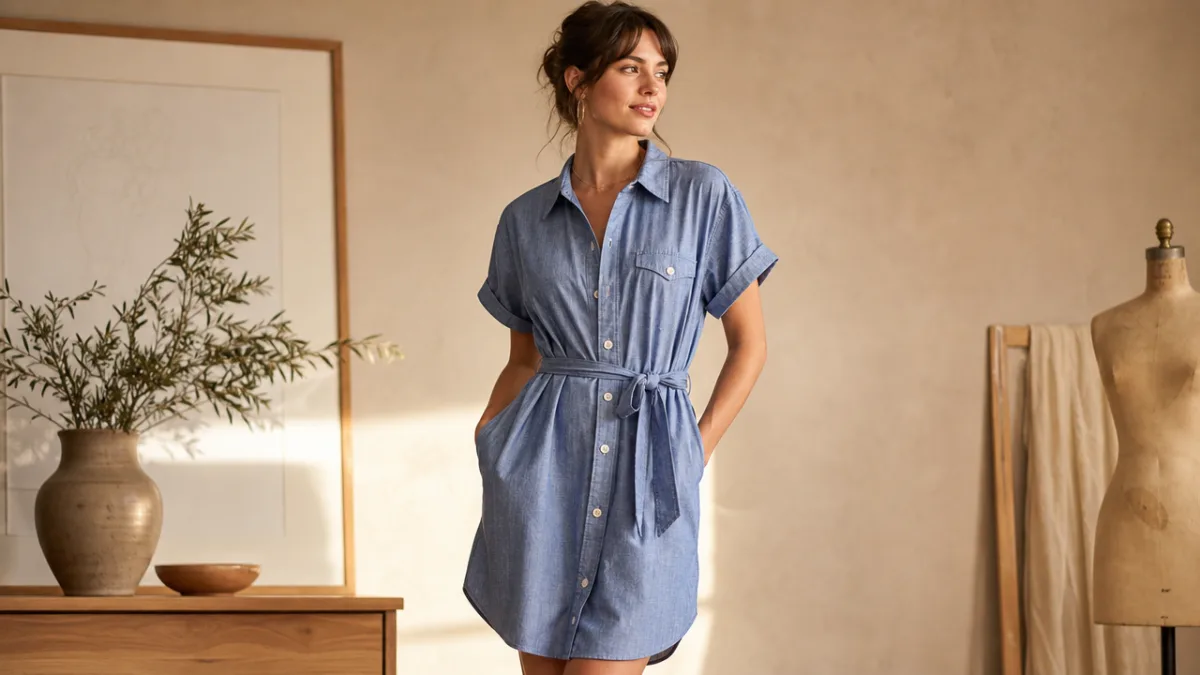
One of the most beloved and beginner-friendly approaches to creating a dress from a men’s shirt is the simple shirt dress conversion. In this method, an oversized men’s shirt is cinched at the waist with a belt or a sewn-in waistband, instantly creating a silhouette that reads as a dress rather than an oversized top. This technique requires minimal sewing skill and can be completed in under an hour, making it an excellent entry point for those new to upcycling or garment construction. The collar, pocket, and button placket are preserved as design features, lending the finished piece a charming, polished-casual aesthetic.
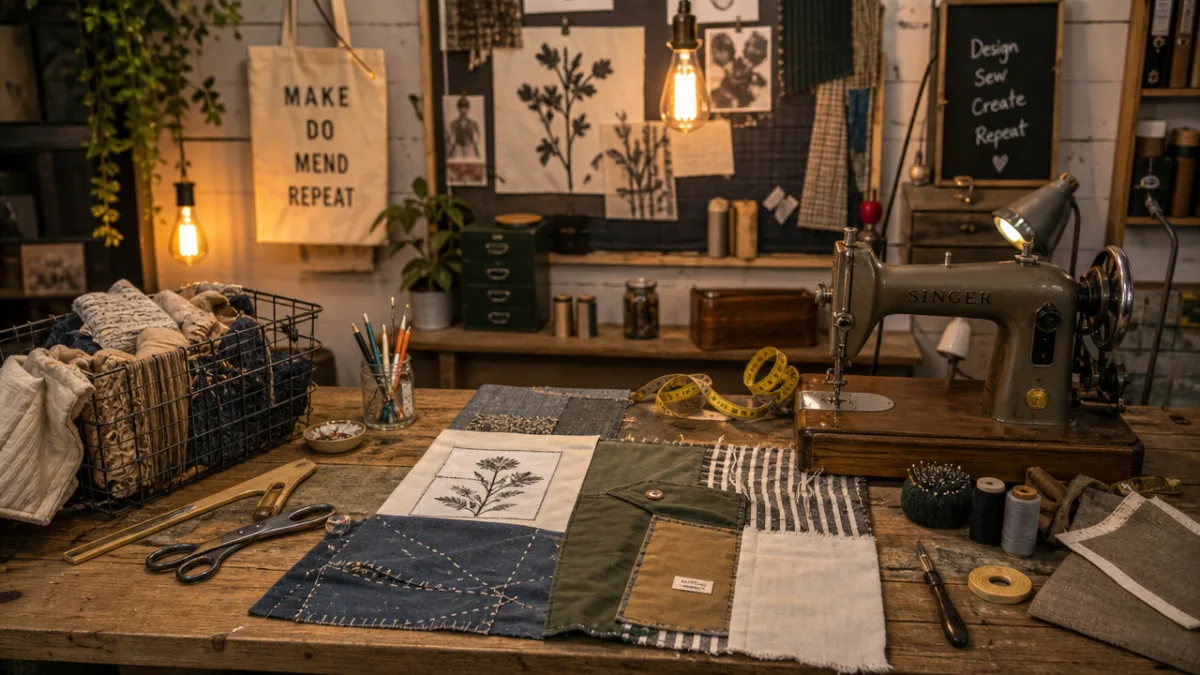
For those ready to invest more time and technique, the deconstructed patchwork dress is a stunning option that involves cutting multiple shirts into panels and reassembling them into an entirely new garment. This approach allows for extraordinary creativity in color blocking, pattern mixing, and texture play. Stripes can be combined with checks, chambray can meet poplin, and light fabrics can be layered against heavier ones to create visual depth and interest. The resulting dress is utterly unique and often bears no visible resemblance to its original components, which is part of what makes this technique so thrilling.
Another popular technique is the tiered skirt addition, in which the upper portion of a well-fitting shirt is kept largely intact as a structured bodice while the lower half is replaced or supplemented with tiers of fabric cut from additional shirts. This creates a dress with a clear visual division between a tailored top and a more voluminous, flowing skirt section. Ruffles can be cut from shirt panels and attached in horizontal rows to build height and movement into the skirt, giving the finished dress a romantic, bohemian quality that reads as entirely intentional and designed.
Some additional creative techniques worth exploring include:
- Halter neck conversion: Removing the collar and sleeves and adding ties at the back to create a summery halter silhouette.
- Asymmetric hem design: Cutting the shirt hem at an angle to create a high-low hemline that adds dynamism and movement.
- Open-back styling: Cutting away the back panel and adding lacing or tie details for a striking, fashion-forward look.
- Smocked bodice: Gathering the front panel with elastic thread to create a stretchy, textured bodice with a cottagecore aesthetic.
- Wrap dress conversion: Restructuring the shirt opening to create a wrap-style front that ties at the waist for a flattering, adjustable fit.
Step-by-Step Guide to Making Your First Upcycled Shirt Dress
Beginning your first shirt-to-dress project is best approached with a clear plan and a willingness to embrace imperfection as part of the creative process. Start by selecting a large men’s button-down shirt, ideally in a fabric and pattern you genuinely love wearing. Try the shirt on and assess how it drapes on your body — this will inform how much alteration is necessary and where you might want to cinch, cut, or add fabric. Use tailor’s chalk to mark any adjustments directly on the fabric while wearing the shirt, or measure carefully and mark on a flat surface if you prefer working two-dimensionally.
The deconstruction phase is often the most satisfying part of the process. Using your seam ripper, carefully open the side seams of the shirt, separating the front and back panels from the sleeves. Press all panels flat with your iron — this step is frequently skipped by beginners and almost always regretted, as flat, pressed fabric is dramatically easier to work with and cut accurately. If you plan to use the shirt’s collar and button placket as design elements, handle them gently during this phase to preserve their structure and stitching.
Once your panels are pressed and ready, begin pinning the new seams according to your design plan. For a basic shirt dress, you may simply be reshaping the side seams to create a more defined silhouette, or adding a gathered panel of fabric below the shirt’s natural hem to extend the length into dress territory. Sew your new seams with a straight stitch, then finish the raw edges with a zigzag stitch or serger to prevent fraying. Try the dress on at each stage of construction, adjusting as needed before committing to a final sewn seam.
The finishing touches are what elevate a simple upcycling project into something that genuinely looks designed and intentional. Pressing every seam flat before and after sewing makes an enormous difference in the professional appearance of the finished garment. Replacing standard buttons with more decorative alternatives — vintage buttons, mismatched brass buttons, or wooden toggles — can transform the aesthetic of the piece entirely. Adding a hand-embroidered detail, a patch, or even fabric paint to a pocket or collar adds a personal signature that makes the dress truly your own creation.
Styling Your Upcycled Shirt Dress for Different Occasions
One of the greatest advantages of a shirt dress made from a men’s button-down is its remarkable versatility. The structured collar and classic lines of the original shirt give the dress an inherently smart-casual foundation that can be dressed up or down depending on how you accessorize and layer it. For a relaxed weekend look, pair your upcycled shirt dress with white sneakers, a crossbody bag, and minimal jewelry — the dress itself provides enough visual interest that over-accessorizing would compete rather than complement its character.
For a more polished, office-appropriate take, layer the shirt dress over slim-fit trousers or tailored wide-leg pants, belting it at the waist so it functions as a longline blazer or duster. This styling approach works particularly well with men’s shirts in classic patterns like fine stripes or understated checks, which carry an inherently professional connotation. Add heeled loafers or pointed-toe flats, a structured tote bag, and simple gold earrings to complete a look that is professional without being predictable, and sustainable without announcing itself as such.
Evening styling for an upcycled shirt dress is where true creativity can shine. A chambray or linen shirt dress takes on an entirely different character when paired with strappy heeled sandals, layered necklaces, and a small embellished clutch. If the dress has a more deconstructed or patchwork quality, lean into its artistic nature by pairing it with statement accessories and bold lip color. The mix of the dress’s humble origins with deliberately chosen accessories creates the kind of sophisticated, considered contrast that makes fashion truly interesting and personal.
Seasonal styling tips to extend the wearability of your shirt dress throughout the year include:
- Autumn and Winter: Layer over a fitted turtleneck or thermal, add opaque tights and ankle boots, and top with an oversized knit cardigan or structured wool coat for warmth without sacrificing style.
- Spring: Wear with bare legs and strappy sandals, adding a light denim jacket or linen blazer for cooler mornings and evenings.
- Summer: Embrace the shirt dress in its simplest form with flat sandals or espadrilles, a straw hat, and a woven tote bag for effortless warm-weather dressing.
The Broader Impact: Why Upcycled Fashion Matters
The upcycled fashion movement is not simply a trend or a hobby — it represents a meaningful and growing resistance to the unsustainable model of fast fashion that has dominated the global clothing industry for the past several decades. Fast fashion relies on rapid production cycles, synthetic materials, exploitative labor practices, and the normalization of disposable clothing. Upcycling directly challenges every one of these elements by slowing down the consumption process, extending the life of existing garments, and encouraging makers to develop a deeper, more intentional relationship with what they wear.
The economic benefits of upcycling are also significant, particularly for those who are building or refreshing their wardrobes on a budget. A men’s shirt purchased from a thrift store for a dollar or two can be transformed into a dress that, in terms of its creativity and uniqueness, rivals pieces that cost hundreds of dollars in boutique retail settings. The skills developed through upcycling — pattern recognition, sewing technique, fabric knowledge, and design thinking — are also genuinely transferable and valuable, opening doors to alterations work, custom commissions, and even small business opportunities for those who discover a passion for the craft.
Community is another powerful dimension of the upcycling world. Platforms like Pinterest, where inspiration like Yude’s men’s shirt dress designs circulates widely, have created vibrant online communities where makers share techniques, celebrate finished projects, and encourage one another through the learning curve of garment construction. Local sewing circles, upcycling workshops, and swap events further weave this community into real-world connections, creating spaces where sustainable values and creative ambition reinforce each other in deeply positive ways.
Looking at the broader cultural conversation around fashion and sustainability, upcycled garments carry a particular kind of storytelling power. A dress made from a grandfather’s old shirt, a collection of thrifted flannels, or a pile of discarded work shirts holds history in its fabric — traces of the lives these garments previously lived. This narrative dimension gives upcycled clothing an emotional resonance that no fast fashion item can replicate, making the wearer not just stylishly dressed but part of a story of creativity, resourcefulness, and care for the world we share.
Getting Started: Resources, Community, and Continuing Your Upcycling Journey
If this introduction to upcycling men’s shirts into dresses has sparked your interest and enthusiasm, the good news is that there has never been a better time to dive in. The wealth of free resources available online — from YouTube tutorials and Pinterest boards to Instagram Reels and dedicated upcycling blogs — means that guidance and inspiration are always just a few clicks away. Searching for creators and hashtags focused on refashioning, thrift flips, and sustainable DIY fashion will quickly connect you with a world of makers whose work ranges from beginner-friendly simplicity to breathtakingly advanced artistry.
Investing in even a basic sewing machine is one of the most empowering decisions you can make as a beginning upcycler, dramatically expanding the techniques available to you and the speed at which you can complete projects. Many community centers, libraries, and maker spaces offer sewing machines for public use, along with classes and drop-in sessions where you can learn fundamental skills in a supportive environment. Starting with simple projects — hemming a shirt, adjusting a waistband, adding a pocket — builds the muscle memory and confidence needed to tackle more ambitious transformations over time.
Documenting your own upcycling journey is something to consider from the very beginning. Photographing before-and-after transformations, noting what worked and what you would change, and sharing your finished pieces online not only contributes to the collective knowledge of the upcycling community but also creates a personal record of your growth as a maker. Many of today’s most influential sustainable fashion creators began simply by sharing their earliest, imperfect projects online, and it was the authenticity and creativity of their approach — not technical perfection — that attracted communities around their work.
Ultimately, the practice of transforming men’s shirts into dresses is about far more than the finished garment. It is about cultivating a different kind of relationship with clothing — one defined by curiosity, creativity, and care rather than consumption and disposal. Every shirt you pull from a thrift store bin, every seam you unpick, every design decision you make is an act of imagination that honors both the material and the environment. That, perhaps more than any perfectly pressed seam or cleverly placed button, is the true reward of upcycling.








What do you think?
It is nice to know your opinion. Leave a comment.