










Upcycled Belt: Transforming Old Leather Into Beautiful New Creations
Introduction to Belt Upcycling: Giving New Life to Old Leather
Upcycling old belts is one of the most rewarding and creative ways to reduce waste while producing something genuinely beautiful and functional. Whether you have a stack of worn-out leather belts gathering dust in a closet, or you regularly find them at thrift stores for next to nothing, these humble accessories hold enormous creative potential. Unlike traditional recycling, upcycling preserves and elevates the original material, transforming something considered trash into a treasure with character and craftsmanship baked right in.
Leather belts, in particular, are exceptional candidates for upcycling projects. Genuine leather only gets better with age, developing a rich patina that synthetic materials simply cannot replicate. Even belts that appear too worn or cracked for their original purpose still contain segments of usable, beautiful material. The buckles, grommets, and stitching details add instant visual interest to any new project without requiring additional embellishment or decoration.
Beyond the aesthetic appeal, belt upcycling carries genuine environmental significance. The leather and textile industries are among the most resource-intensive sectors in the global economy, consuming enormous quantities of water, chemicals, and energy. When we extend the life of existing leather goods through creative reuse, we participate in a more circular economy that challenges the throwaway culture driving so much modern waste. Every upcycled belt project is a small but meaningful act of environmental stewardship wrapped in creativity.
Why Belts Make Perfect Upcycling Material
Belts are uniquely suited to upcycling for several practical reasons that crafters quickly come to appreciate. Their long, narrow form factor means they can be cut, braided, woven, or coiled into a huge variety of shapes and structures. The pre-punched holes that run along most belts are immediately useful for lacing, stitching, and connecting pieces without requiring additional tools or preparation. This built-in structure makes belts far more versatile than flat sheets of leather cut from a larger hide.
Most belts are also made from relatively thick, durable leather that holds its shape well when fashioned into new objects. This thickness gives handmade items a satisfying, substantial quality that feels professional and polished even when produced by beginners. The edges of belt leather are often already finished and burnished, meaning they look clean and intentional in the final product rather than raw and unfinished. This saves considerable time and effort compared to working with raw leather cuts.
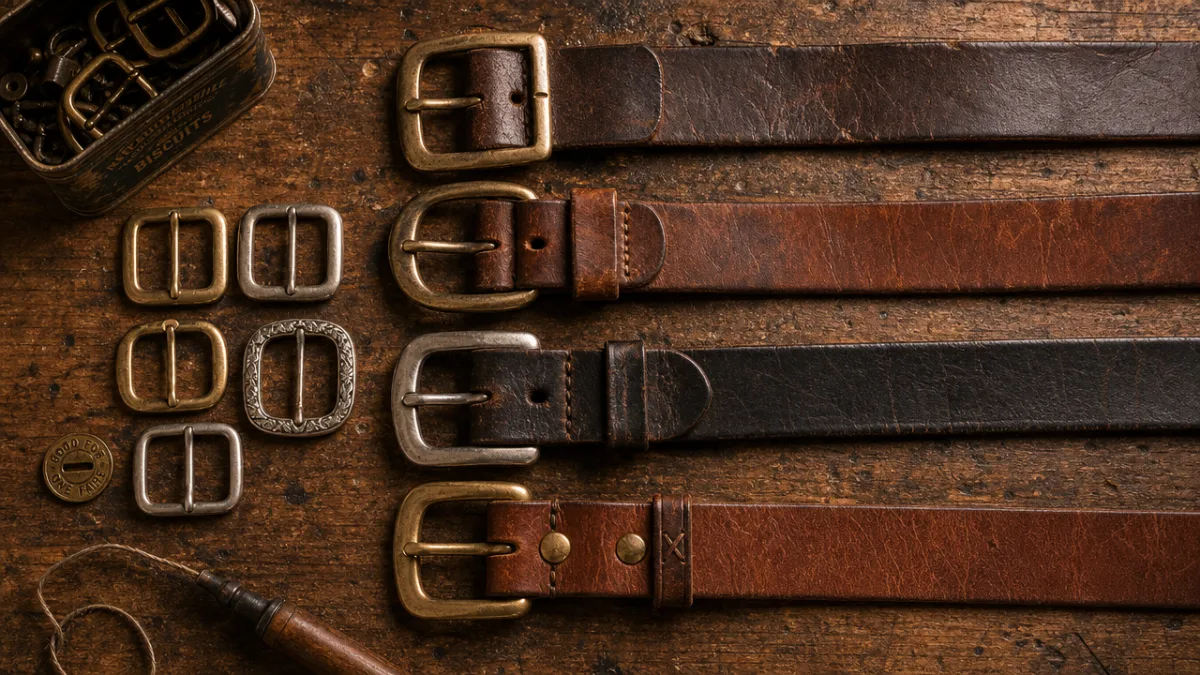
The hardware that comes with belts — buckles, rivets, D-rings, and keepers — represents significant added value for any upcycling project. Quality metal hardware is expensive to purchase new and can add a premium, artisanal quality to handmade goods. Salvaging these components from old belts allows crafters to incorporate beautiful brass, nickel, or antique-finish metals into their projects at virtually no cost. Even broken or incomplete belts often yield hardware worth preserving for future creative endeavors.
Essential Tools and Preparation for Belt Upcycling Projects
Before diving into any belt upcycling project, assembling the right tools makes a significant difference in the quality and ease of your work. At the most basic level, you will need sharp cutting tools, including a sturdy craft knife or leather scissors capable of making clean cuts without fraying or tearing the material. A cutting mat protects your work surface and helps keep cuts straight and precise. These foundational tools represent a modest investment that pays dividends across dozens of different projects over many years of crafting.
Beyond cutting tools, having a hole punch or rotary punch will dramatically expand what you can accomplish with upcycled belt leather. Many belt projects involve lacing pieces together, attaching hardware, or creating decorative perforations, all of which require clean, consistent holes in specific sizes. A rotary punch that offers multiple hole sizes is the most versatile option and can be found inexpensively at craft stores or online. Some crafters also find a mallet or hammer useful for driving rivets and snaps, which appear frequently in belt-based projects.
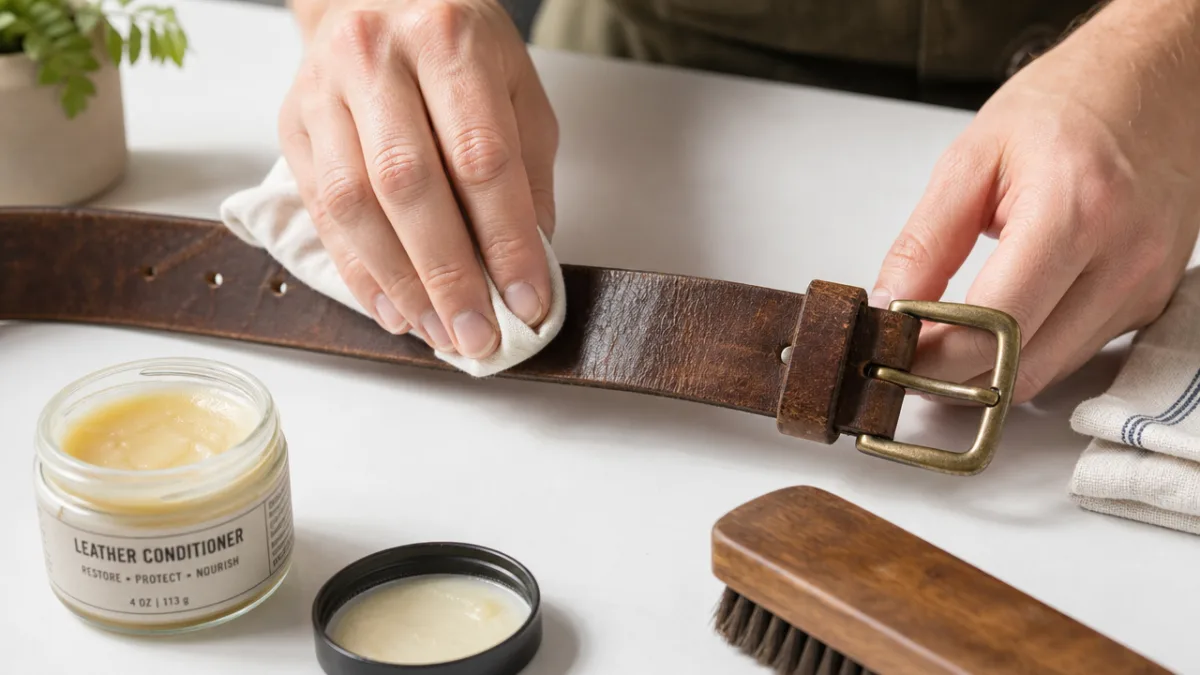
Proper preparation of your source belts is equally important as having the right tools. Begin by thoroughly cleaning each belt with a mild leather cleaner or saddle soap to remove dirt, oils, and surface grime that could interfere with adhesives or finishes. Inspect the leather carefully for areas of genuine damage, such as deep cracks, dry rot, or delamination, and mark these sections so you can avoid incorporating them into your final project. Conditioning the leather with a quality product like neatsfoot oil or beeswax-based conditioner can revive surprisingly stiff or dry belts, restoring flexibility and luster before you begin crafting.
Sourcing the Best Belts for Upcycling
Finding quality belts to upcycle is itself an enjoyable part of the craft, and there are more sources available than most beginners realize. Thrift stores and charity shops are the most obvious starting point, often stocking large bins of belts at prices ranging from fifty cents to a few dollars each. Weekend visits to estate sales and garage sales can yield particularly interesting finds, including vintage and antique belts made from higher-quality leather than much contemporary production. The thrill of the hunt adds an adventurous dimension to what might otherwise feel like a purely material-based hobby.
Online marketplaces such as eBay, Facebook Marketplace, and local buy-nothing groups frequently feature bulk lots of old belts sold by people clearing out closets. Purchasing belts by the pound or lot is often more economical than buying individually and gives you a wide variety of colors, widths, and textures to work with simultaneously. Leather goods repair shops and cobblers sometimes have collections of belts that customers left behind or donated, and owners are often happy to part with these at minimal cost to crafters who will put them to good use.
Don’t overlook your own wardrobe and the wardrobes of friends and family as a rich source of upcycling material. Many households contain belts that no longer fit, belong to outfits long donated, or simply fell out of fashion years ago. Spreading the word among your social circle that you collect old belts for creative projects can result in a steady stream of free material arriving at your door. This community-based sourcing approach also builds conversation around sustainable living and can inspire others to think more creatively about the objects they discard.
Top Upcycled Belt Projects for Every Skill Level
The range of projects achievable with upcycled belts spans from beginner-friendly to genuinely complex, meaning there is something rewarding to make at every stage of your crafting journey. For those just starting out, simple projects like decorative plant hangers, key fobs, and bookmarks require minimal tools and can be completed in under an hour. These small projects are ideal for experimenting with techniques and building confidence before committing to larger, more ambitious creations that demand greater precision and planning.
Intermediate crafters will find tremendous satisfaction in creating functional accessories like belts repurposed into camera straps, guitar straps, or bag handles. These projects typically involve combining leather pieces with hardware and sometimes other materials, producing items of genuine practical value and professional appearance. A camera strap made from a vintage leather belt, for instance, is not only functional but tells a story — the worn edges and patinated surface speak of history and craftsmanship in a way that a mass-produced nylon strap never could. These are the kinds of objects that become conversation starters and cherished possessions.
Advanced belt upcyclers tackle furniture, wall art, and architectural elements that transform entire rooms. Woven belt seating for stools and chairs produces strikingly beautiful results with excellent durability. Framed arrangements of cut belt segments can create geometric wall art with incredible tactile richness. Some crafters have even used belts to create decorative ceiling fixtures, headboards, and shelving supports that become defining features of their interior spaces. The structural integrity of quality leather belt material means these large-scale applications hold up remarkably well over years of use.
Step-by-Step Guide to Making a Belt Wall Basket
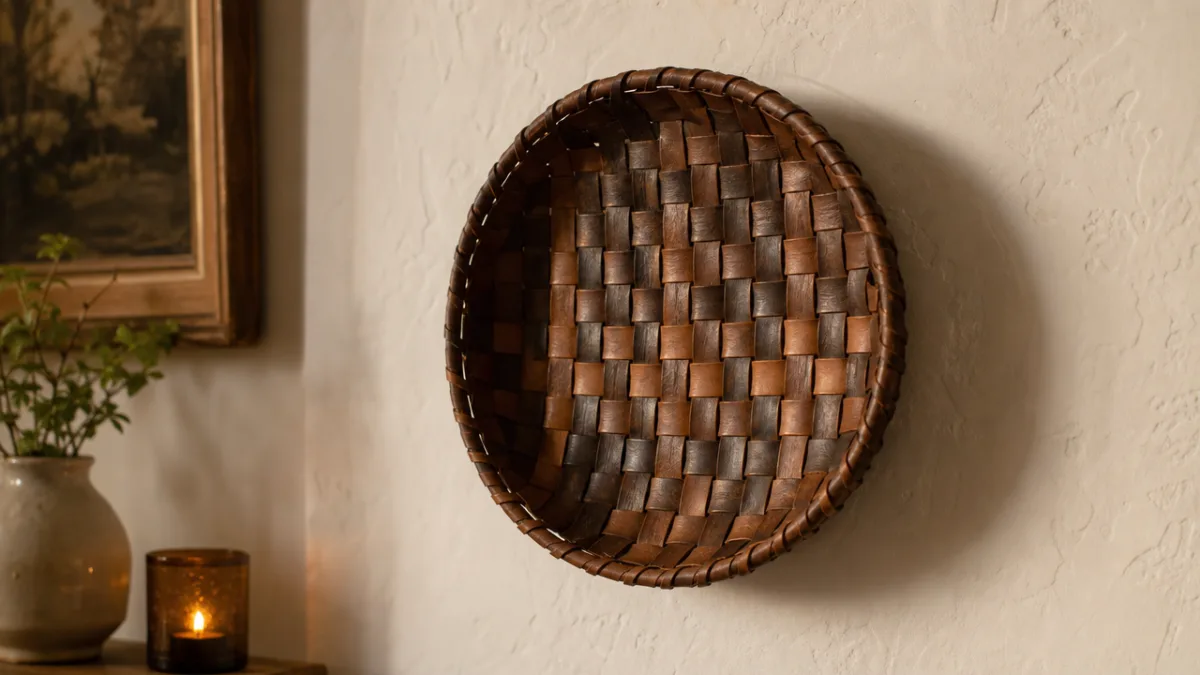
One of the most popular and visually striking upcycled belt projects is a woven wall basket or organizer that can hold mail, magazines, small plants, or decorative objects. The combination of leather’s natural warmth with the geometric patterns created by weaving produces something that looks deliberately designed and beautifully curated. This project is achievable by intermediate crafters in an afternoon and requires only a collection of similarly-sized belts, a wooden dowel or branch, and some basic fastening hardware to complete.
To begin, select four to six belts of similar width — ideally between one and one and a half inches — and cut them to matching lengths depending on how deep you want the basket to hang. Thread each belt over a central wooden dowel, folding it in half so both ends hang down evenly. Use the existing buckle holes or punch new ones to fasten each belt into a loop at the bottom, creating the basket shape. Weave a few shorter belt strips horizontally through the hanging lengths to create the woven effect and add structural rigidity to the sides of the basket.
The finishing touches on a belt wall basket are where personality really shines through. Mixing belts of different colors, textures, and widths within a single basket creates an eclectic, collected look that suits bohemian and industrial interiors beautifully. Alternatively, using only black or brown belts of uniform width produces a sleek, minimalist result that suits more contemporary spaces. Hang the finished basket from a leather loop or a piece of rope attached to the central dowel, and it immediately becomes both a functional storage solution and a piece of wall art worth displaying proudly.
Caring for Your Upcycled Belt Creations
Maintaining upcycled leather items properly ensures they remain beautiful and functional for decades rather than years. The good news is that leather is a remarkably resilient material that responds well to basic care and attention. Regular cleaning with a soft cloth to remove surface dust and light dirt is the simplest and most important maintenance habit you can develop. For pieces that see daily handling or use, a more thorough wipe-down with a slightly damp cloth every few weeks keeps the surface fresh and prevents the buildup of oils and grime that can eventually degrade the leather.
Conditioning is the single most important thing you can do to extend the life of upcycled leather objects. Leather is an organic material that loses moisture over time, becoming dry, brittle, and prone to cracking without periodic replenishment. Applying a quality leather conditioner two to four times per year — more frequently for items in dry climates or exposed to sunlight — keeps the fibers supple and prevents the surface cracking that would otherwise shorten the item’s lifespan considerably. Products containing lanolin, beeswax, or neatsfoot oil are particularly effective and are available at shoe care departments in most large stores.
Storage conditions matter significantly for leather goods that are not in regular use. Leather benefits from moderate humidity and should never be stored in sealed plastic bags or containers that trap moisture and encourage mold growth. Instead, store leather items in breathable fabric bags, wrapped loosely in tissue paper, or simply left on open shelving where air can circulate freely around them. Keeping items away from direct sunlight prevents the fading and drying that ultraviolet light causes over time, preserving the rich colors and surface character that make upcycled leather pieces so visually appealing.
Troubleshooting Common Leather Care Issues
Even well-maintained leather occasionally develops problems that require targeted treatment. Surface scratches are among the most common issues, and many can be addressed simply by rubbing them gently with a clean fingertip — the warmth and natural oils from skin often cause minor surface scratches to virtually disappear. Deeper scratches can be minimized with a matching leather dye applied carefully with a fine brush, followed by conditioning to blend the repair into the surrounding surface. Patience and light application are the keys to invisible repairs that preserve the integrity of the piece.
Mold or mildew growth, while alarming when discovered, is addressable if caught reasonably early. Mix equal parts rubbing alcohol and water, apply with a clean cloth, and gently wipe the affected area, then allow to dry completely in a well-ventilated space away from direct sunlight. Once dry, apply conditioner generously to restore moisture lost during the cleaning process. Preventing future mold growth requires improving storage conditions — specifically increasing air circulation and reducing humidity around where leather items are kept.
Stiffness or cracking in older leather often feels irreversible but can frequently be significantly improved with aggressive conditioning treatment. Apply a generous amount of conditioner to the affected area and work it in gradually with your fingers, then wrap the item in a warm, damp cloth and allow it to sit for several hours. This steam-and-conditioner treatment can revive leather that appears genuinely beyond saving, restoring flexibility and surface integrity to a remarkable degree. Multiple treatments over several days may be needed for severely neglected pieces, but the results are often dramatic enough to make the effort entirely worthwhile.
The Broader World of Sustainable Fashion and Upcycling Culture
Belt upcycling sits within a much larger movement toward sustainable fashion and conscious consumption that has gained significant momentum over the past decade. As awareness of fast fashion’s environmental and human costs has grown, more consumers and creators are seeking alternatives that honor the value of existing materials and the craftsmanship invested in creating them. Upcycling represents perhaps the most hands-on and personal expression of this philosophy, transforming individual initiative and creativity into tangible environmental action that produces beautiful, lasting objects.
Online communities dedicated to upcycling and leather crafting have flourished across social media platforms, creating rich ecosystems where beginners can learn from experienced crafters and share their own discoveries and innovations. Pinterest, Instagram, and YouTube host thousands of creators sharing tutorials, inspiration, and finished projects related to belt upcycling specifically. These communities are remarkably generous with knowledge and encouragement, creating a welcoming entry point for anyone curious about beginning their own upcycling practice regardless of prior experience or technical skill.
The economic dimension of upcycling deserves acknowledgment as well. Handmade leather goods made from upcycled materials command premium prices in artisan markets, craft fairs, and online shops like Etsy, where consumers increasingly seek out unique, sustainable alternatives to mass-produced accessories. Many crafters who begin upcycling belts as a hobby eventually develop their skills and reputation to the point where selling their work becomes a meaningful source of income. The combination of low material costs, genuine artisanal appeal, and growing consumer appetite for sustainable products makes belt upcycling a surprisingly viable small business proposition.
Inspiring Others and Building a Upcycling Community
One of the most rewarding aspects of developing any creative practice is the opportunity it creates to inspire and connect with others. Sharing your upcycled belt projects through social media, local craft fairs, or community workshops introduces the practice to people who might never have considered what could be made from objects they regularly discard. Teaching a belt upcycling workshop at a community center, library, or school is particularly impactful, providing participants with both practical skills and a shift in perspective about the creative potential hidden in everyday waste materials.
Documenting your projects with photographs and written descriptions creates a valuable record of your creative development while building resources that others can learn from. Even simple before-and-after photographs showing a worn, discarded belt transformed into a beautiful finished object make a compelling argument for the value of upcycling that no amount of abstract environmental messaging can match. Authenticity and genuine enthusiasm are the most persuasive forms of advocacy, and sharing your own experience openly invites others to participate in the practice organically.
Consider connecting with local repair cafes, zero-waste organizations, and sustainable living groups that may be interested in incorporating belt upcycling into their programming or events. These organizations often have established audiences of people already motivated to reduce waste and develop practical skills, making them ideal partners for spreading upcycling culture more broadly. Collaboration between crafters and sustainability advocates amplifies the impact of both, creating communities where creative skill and environmental consciousness reinforce and inspire each other in genuinely transformative ways.








What do you think?
It is nice to know your opinion. Leave a comment.