










The Timeless Charm of Vintage Swedish Newspaper and Wrapping Paper
A Window Into Scandinavian History and Culture
Vintage Swedish newspapers and wrapping paper represent far more than simple ephemera from another era. These delicate, time-worn sheets of paper carry within their faded ink and yellowed fibers the stories, aesthetics, and daily life of generations past. For collectors, crafters, and history enthusiasts alike, a single page from a mid-century Swedish publication can spark an entire journey into Scandinavian culture, design philosophy, and the remarkable visual language that has made Nordic aesthetics so enduringly influential around the world.
Sweden has long maintained a rich tradition of print culture, with newspapers dating back to the early eighteenth century. The aesthetic sensibility embedded in Swedish print media reflects the broader cultural values of clarity, functionality, and understated elegance. Even advertisements and wrapping papers from the early to mid-twentieth century showcase a distinctly Nordic approach to design — one that balances bold typography with restrained color palettes and thoughtful negative space, creating compositions that feel both of their time and strikingly modern to contemporary eyes.
What makes these vintage pieces especially compelling is the way they capture the texture of everyday life in ways that formal historical documents simply cannot. A Swedish newspaper from the 1940s or 1950s might contain advertisements for department stores, announcements of community events, or illustrations that reveal how people dressed, what they valued, and what they aspired to. Wrapping paper printed with traditional Nordic motifs tells a complementary story about folk art traditions, seasonal celebrations, and the enduring love of hand-crafted beauty that runs through Scandinavian culture like a thread through fine linen.
The Art and Craft of Swedish Print Design
Swedish graphic design from the early and mid-twentieth century occupies a fascinating position in the broader history of visual communication. It sits at the crossroads of traditional folk influences — with their bold geometric patterns, floral motifs, and earthy color palettes — and the sweeping modernist movements that were reshaping European visual culture during that same period. The result is a distinctive aesthetic that feels simultaneously rooted in place and remarkably forward-thinking, drawing on centuries of craft tradition while embracing the clean lines and functional clarity of the modern age.
Typography played an especially important role in Swedish printed materials. Designers working for newspapers, publishers, and packaging companies developed a sophisticated relationship with letterforms that emphasized legibility without sacrificing visual interest. Swedish typefaces from this period often display a subtle warmth that distinguishes them from the more austere German modernist fonts of the same era. Headlines were set with confidence and authority, while body text was carefully spaced to create a reading experience that felt both accessible and refined, reflecting the democratic ideals that were shaping Swedish society throughout the twentieth century.
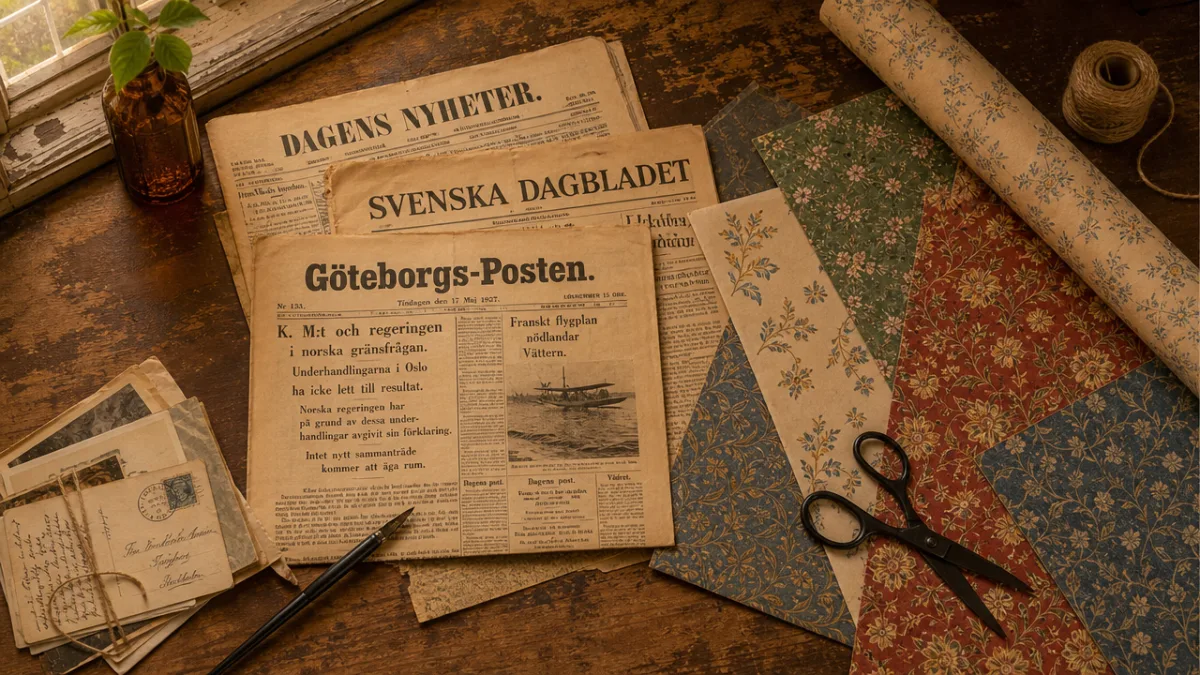
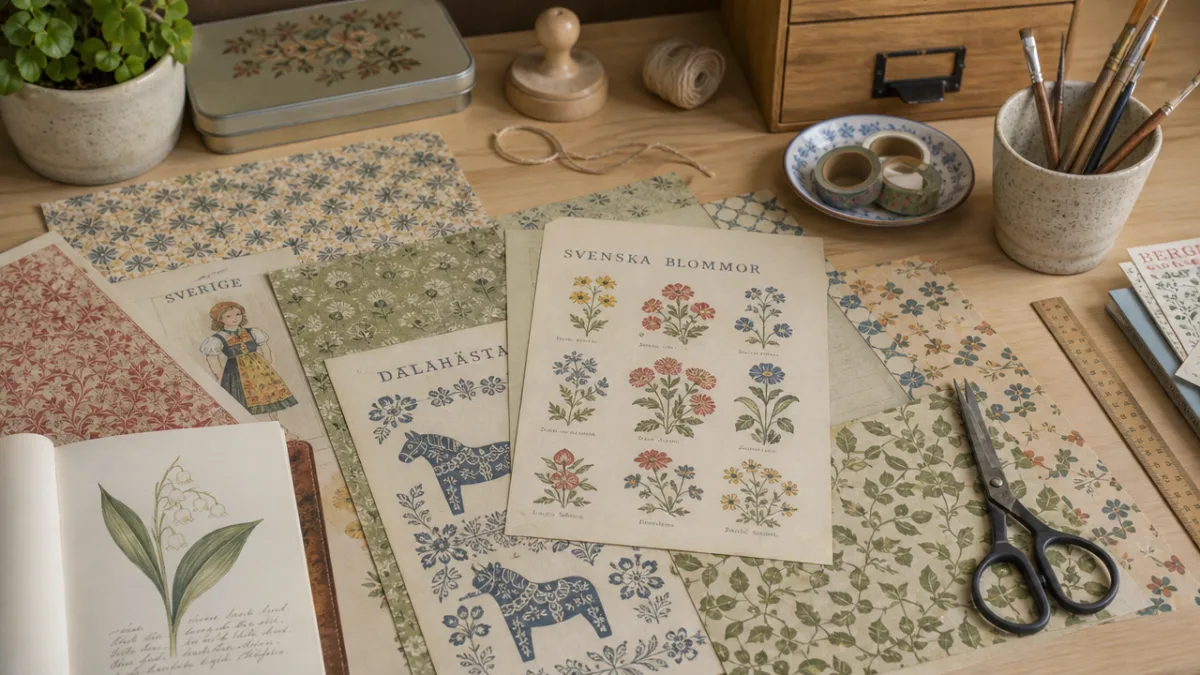
Wrapping paper presents a particularly rich field for examining Swedish decorative arts. Traditional Swedish holiday wrapping papers often incorporated elements drawn from Dala horse folk art, Sami textile patterns, and the botanical illustrations that were popularized through Sweden’s strong scientific tradition. These designs were rarely accidental or purely commercial — they reflected genuine artistic ambition and a deep respect for the visual heritage that had been passed down through generations of craftspeople. Even mass-produced wrapping paper from department stores like NK or Åhléns often featured original artwork commissioned from talented illustrators, treating the humble act of gift-wrapping as an opportunity for genuine aesthetic expression.
Why Collectors Are Drawn to Vintage Swedish Paper Goods
The collecting of vintage paper goods — a practice known as ephemerology — has experienced a remarkable resurgence in recent years, driven in part by the rise of online marketplaces like Etsy that connect sellers of rare and unusual items with buyers around the world. Swedish newspapers and wrapping paper have emerged as particularly sought-after categories within this broader trend, attracting collectors who range from dedicated Scandinavian design enthusiasts to mixed-media artists seeking authentic vintage materials for their creative projects. The appeal is easy to understand: these pieces are simultaneously affordable, visually compelling, and rich with historical significance.
For many collectors, the tactile experience of handling vintage paper is itself a significant part of the attraction. The texture of newsprint that has aged gracefully over decades, the slight brittleness of paper that predates modern preservation techniques, the distinctive smell that librarians and archivists know so well — all of these sensory details create a powerful sense of connection to the past that digital reproductions simply cannot replicate. Holding a Swedish newspaper from 1952 means holding something that was once held by someone living through the same postwar moment of optimism and reconstruction that shaped the entire Western world.
Swedish paper goods also appeal to collectors who are drawn to the cultural specificity that such materials embody. Unlike generic vintage paper items, Swedish newspapers and wrapping papers carry a distinct national identity that makes them interesting both as design objects and as cultural artifacts. The Swedish language itself adds a layer of visual interest, with its distinctive letters and graceful word-forms creating typographic compositions that feel fresh and engaging even to readers who cannot understand the text. For collectors interested in Nordic culture, history, or design, these pieces represent an accessible and genuinely meaningful entry point into a rich and fascinating world.
Creative Uses for Vintage Swedish Paper in Modern Projects
One of the most exciting aspects of the growing market for vintage Swedish newspapers and wrapping paper is the extraordinary creativity that collectors and artists bring to their use of these materials. Far from being treated as purely archival objects to be stored away from light and moisture, many buyers actively incorporate vintage Swedish paper into a wide range of creative and decorative projects. This approach gives the materials a second life while also creating new objects that honor the aesthetic qualities of the original pieces in genuinely imaginative ways.
Decoupage and collage represent perhaps the most common applications, and Swedish vintage paper lends itself beautifully to both. The varied textures, typefaces, and imagery found in old newspapers and wrapping papers provide a rich visual vocabulary that artists can draw upon to create layered compositions of remarkable depth and interest. A piece of Swedish wrapping paper featuring a traditional Dalarna folk pattern makes a stunning background element in a mixed-media artwork, while columns of Swedish newsprint can add texture and historical resonance to journal pages, altered books, or decorative boxes. The combination of visual appeal and cultural specificity makes Swedish paper goods especially versatile for creative purposes.
Beyond art projects, vintage Swedish paper has found enthusiastic audiences among interior designers and home decorators seeking authentic Scandinavian character for their spaces. Some creative homeowners use large sheets of vintage Swedish newspaper as unconventional wallpaper accents, creating feature walls that are conversation-starting in the best possible way. Others frame particularly beautiful examples of vintage Swedish wrapping paper as artwork in their own right, recognizing that the best examples of mid-century Scandinavian graphic design deserve the same appreciation we give to more formally recognized art forms. Small pieces of vintage paper can also be incorporated into furniture decoupage projects, lampshade decoration, and the customization of household objects.
Gift wrapping and packaging represent another wonderful application, creating a pleasing circularity when vintage wrapping paper is returned to its original purpose. Wrapping a modern gift in paper that was itself designed as wrapping paper fifty or sixty years ago creates a layered temporal experience that adds meaning and beauty to the act of giving. This practice also aligns beautifully with contemporary values around sustainability and thoughtful consumption — using existing materials rather than purchasing new ones, while simultaneously celebrating rather than discarding the beautiful objects of the past.
Finding and Evaluating Vintage Swedish Paper on Etsy
Etsy has become one of the premier destinations for those seeking vintage Swedish newspapers and wrapping paper, connecting buyers with sellers located in Sweden, across Europe, and around the world. The platform’s search functionality and community of knowledgeable sellers makes it possible to find everything from single sheets of decorative wrapping paper to substantial lots of vintage newspapers from specific eras. However, navigating this marketplace effectively requires some understanding of what to look for and how to evaluate the quality and authenticity of what is being offered.
When searching for vintage Swedish paper goods on Etsy, several key considerations should guide your evaluation. Condition is paramount — look for sellers who provide clear, detailed photographs that honestly represent any foxing, tears, or yellowing present in the paper. Some degree of aging is expected and even desirable in truly vintage materials, but excessive damage can compromise both the aesthetic appeal and the practical usability of the pieces. Reputable sellers will also provide accurate information about the approximate date of the materials, the source publication or manufacturer where known, and the dimensions of the pieces being offered.
Authenticity is another important consideration in this market. As vintage Scandinavian design has grown in popularity, the market has seen the emergence of reproduction pieces that mimic the aesthetic of genuine vintage materials without actually being old. While reproductions have their own legitimate uses and are often clearly sold as such by honest sellers, buyers seeking genuine vintage pieces should look carefully at product descriptions and not hesitate to ask sellers direct questions about provenance. Genuine vintage paper will typically show consistent aging throughout the piece, and very old newspapers will often display the characteristic browning that results from the acid content of early newsprint.
- Check the seller’s review history — established sellers with hundreds of positive reviews and specific feedback about their vintage paper goods offer greater confidence than new or unreviewed shops.
- Request additional photographs if the listing images don’t clearly show condition details, including edges, any text on the reverse, and any areas of damage or discoloration.
- Consider buying in small quantities first from a new seller to assess quality and packing standards before committing to larger purchases.
- Look for detailed provenance information — the best sellers can often tell you the publication name, year, and sometimes even the specific region of Sweden where the material originated.
- Pay attention to shipping practices — vintage paper is fragile and requires careful packing; good sellers will describe how they protect materials during shipping.
Preserving and Caring for Your Vintage Swedish Paper Collection
Once you have acquired pieces of vintage Swedish newspaper or wrapping paper, proper preservation becomes essential to protecting both their physical integrity and their long-term value. Paper is a surprisingly fragile medium, vulnerable to damage from light, humidity, temperature fluctuations, and the acids that naturally develop within the paper itself over time. Fortunately, the archival community has developed a set of well-established best practices for paper preservation that collectors can readily adapt for their own collections, regardless of whether they are preserving a single cherished sheet or an extensive archive of Swedish print materials.
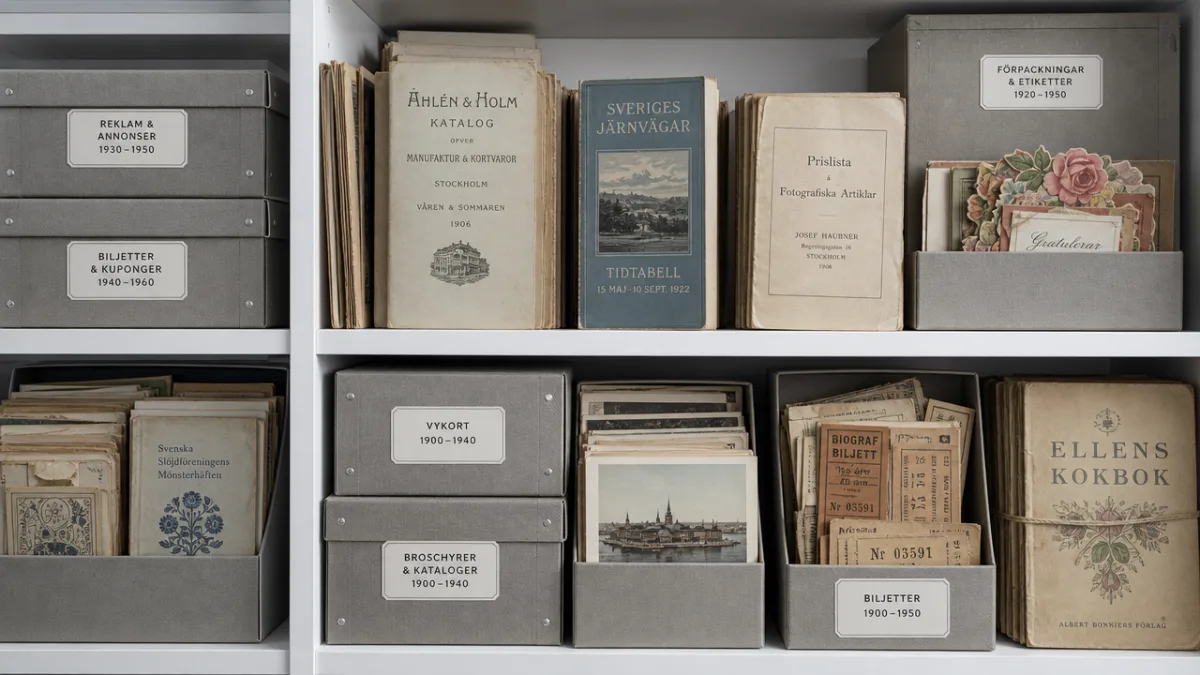
Acid-free storage materials represent the foundation of any serious preservation effort. Standard cardboard boxes, plastic bags, and folders can actually accelerate the deterioration of vintage paper by introducing additional acids or trapping moisture against the paper’s surface. Instead, collectors should invest in acid-free archival boxes, folders, and interleaving tissue specifically designed for paper storage. These materials are widely available from archival supply companies and represent a relatively modest investment compared to the value of the collection they protect. Each piece of vintage paper should be stored flat, without folding, in an environment that maintains stable temperature and humidity levels.
Light exposure is another critical factor in paper preservation. The ultraviolet component of both natural sunlight and many forms of artificial lighting causes irreversible fading and yellowing in paper and ink. Pieces that are displayed rather than stored should be kept away from direct sunlight and ideally framed behind UV-filtering glass or acrylic. For pieces that are stored, even indirect light exposure should be minimized by keeping storage boxes in dark locations. These precautions may seem excessive for what might appear to be simple old newspapers, but they reflect the genuine historical and cultural value of these materials and the importance of ensuring they remain accessible to future generations.
Handling practices also deserve careful attention. The oils naturally present on human skin can cause lasting damage to old paper, leaving fingerprints that attract dirt and accelerate deterioration. When handling valuable pieces, cotton or nitrile gloves provide a simple and effective barrier between skin and paper. Pieces should be supported fully when being moved or examined, never rolled or folded, and never placed near food, beverages, or other potential sources of contamination. With consistent attention to these basic principles, vintage Swedish newspapers and wrapping paper can remain beautiful and structurally sound for many more decades to come.
The Cultural Legacy and Future of Vintage Swedish Paper
The growing appreciation for vintage Swedish newspapers and wrapping paper reflects something deeper than simple nostalgia or collector’s enthusiasm. It represents a meaningful engagement with the material culture of a specific time and place — an acknowledgment that the designed objects of everyday life carry genuine historical and aesthetic significance that deserves recognition and preservation. In celebrating these humble sheets of paper, collectors and enthusiasts are participating in a broader cultural conversation about value, beauty, and the ways in which the past continues to speak to and inform the present.
Swedish design’s enduring global influence provides important context for understanding why these vintage materials resonate so strongly with people around the world. The aesthetic principles that shaped mid-century Swedish newspapers and wrapping papers — clarity, functionality, respect for natural materials, democratic accessibility — are the same principles that would later define the international reputation of Swedish design through brands like IKEA, Volvo, and countless individual designers and craft traditions. Vintage Swedish paper goods offer a glimpse into the cultural soil from which this extraordinary design tradition grew, making them genuinely illuminating objects for anyone interested in the history of modern design.
Looking forward, the market for vintage Swedish paper goods shows every sign of continued growth and vitality. As younger generations develop sophisticated interests in sustainability, authenticity, and material culture, the appeal of genuinely old objects that carry real historical weight only increases. Platforms like Etsy will continue to play an important role in connecting the remaining supply of these materials with the growing community of people who appreciate and care for them. And as the supply of the most desirable vintage pieces inevitably diminishes over time, the cultural and monetary value of well-preserved examples will continue to appreciate — making thoughtful acquisition and careful preservation not just a personal pleasure but a genuinely worthwhile investment in cultural heritage.
Ultimately, what a piece of vintage Swedish newspaper or wrapping paper offers is something that cannot be manufactured or replicated: a direct, physical connection to the lived experience of people in another time and place. Whether you are drawn to these materials for their visual beauty, their historical significance, their creative potential, or some combination of all three, engaging with them represents a kind of time travel that enriches our understanding of where we have come from and, perhaps, suggests something about where we might go. In the aged ink and beautiful typography of a Stockholm newspaper from seventy years ago, we can still hear the voices of a society working to build something better — and that, in the end, is the most compelling reason of all to seek these treasures out and cherish them.








What do you think?
It is nice to know your opinion. Leave a comment.