










19+ Creative Toilet Paper Origami Ideas to Try: The Complete DIY Guide
The Art of Toilet Paper Origami: A Surprisingly Elegant Craft
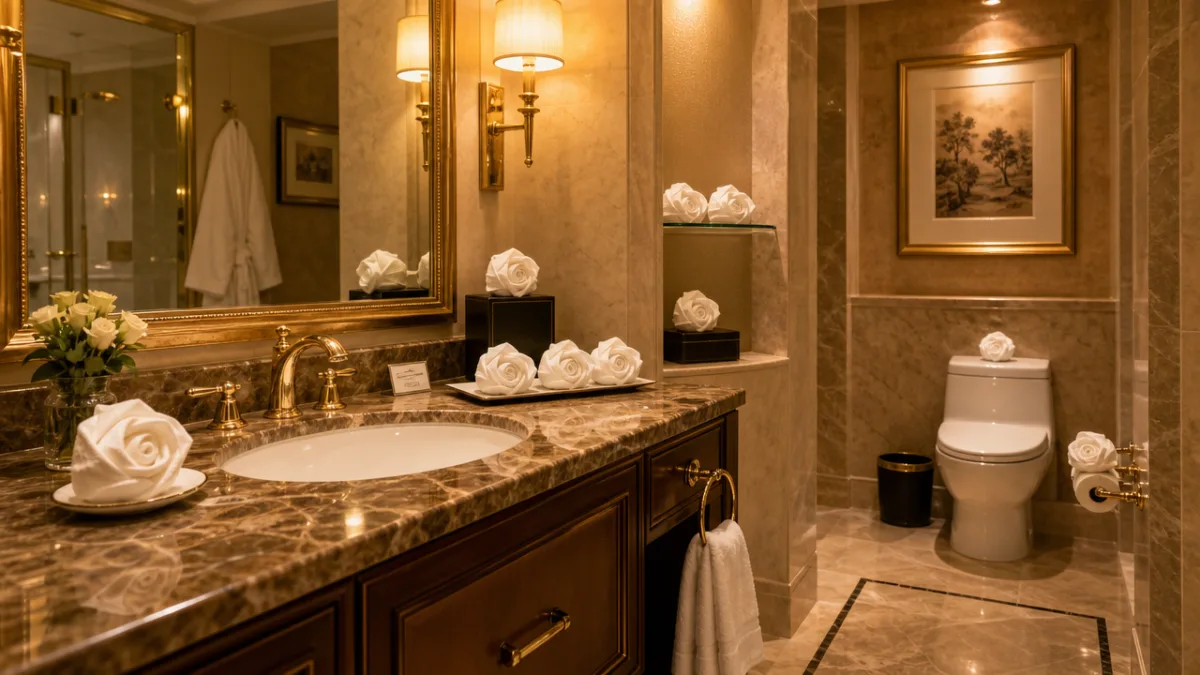
Toilet paper origami, sometimes called “hotel-style” folding, is the charming practice of folding the end of a toilet paper roll into decorative shapes that elevate even the most utilitarian room in your home. What began as a signature touch in luxury hotels — a subtle signal that the bathroom had been freshly cleaned and prepared — has blossomed into a full-fledged DIY art form embraced by home decorators, party hosts, and craft enthusiasts around the world. The elegance of a neatly folded fan or a delicate rose sitting atop a roll of toilet paper communicates care and attention to detail in a way that few other small gestures can match.
The beauty of toilet paper origami lies in its accessibility. Unlike traditional paper origami, which often demands specialty paper, precise cuts, and years of practice, toilet paper folding is forgiving, quick, and requires absolutely no supplies beyond the roll itself. Most folds can be completed in under two minutes once you get the hang of them, making this one of the most achievable decorative crafts available to beginners and seasoned crafters alike. Whether you want to impress houseguests, add a polished touch to a vacation rental, or simply bring a little joy to your daily routine, toilet paper origami delivers results that feel disproportionately impressive for the effort involved.
Over the decades, the repertoire of toilet paper origami designs has expanded dramatically. What once consisted of a simple triangle fold or a basic fan has evolved into an extensive catalog of shapes including roses, hearts, boats, butterflies, bows, and even three-dimensional animals. Online communities and video tutorials have democratized these techniques, making it easier than ever for anyone to learn a new fold, share their creations, and discover fresh inspiration. This guide will walk you through more than nineteen of the most creative and achievable toilet paper origami ideas, organized by skill level and occasion, so you can find exactly the right design for your space and abilities.
Getting Started: Tools, Tips, and the Right Technique
Before diving into specific designs, it helps to understand a few foundational principles that apply across virtually all toilet paper origami projects. The most important factor is the quality of your toilet paper. Thicker, multi-ply rolls hold creases better and produce cleaner, more defined folds than thin single-ply varieties. If you plan to display your work for more than a few hours, or if you want sharp, hotel-quality presentation, opt for a premium two-ply or three-ply roll. The extra thickness gives each fold structural integrity, preventing the finished shape from drooping or losing definition over time.
Clean, dry hands are absolutely essential when working with toilet paper origami. Even minimal moisture from your skin can cause the paper to tear, pill, or lose its crispness. Many dedicated practitioners wash and thoroughly dry their hands before beginning any fold, and some even use a small piece of wax paper as an intermediary to avoid direct contact with delicate sections. Working on a flat, smooth surface — a countertop or small tray — also helps you achieve consistent, straight folds, particularly when working on symmetrical designs like fans or bow ties that require both sides to mirror each other precisely.
Here are a few essential tips to keep in mind as you practice:
- Always start with the end sheet flat and smooth before making any folds, removing any wrinkles from previous handling.
- Use your thumbnail or a clean ruler edge to create sharp crease lines rather than relying solely on finger pressure.
- Work slowly on your first attempt of any new design — speed comes naturally with repetition.
- If a fold tears, simply tear away that section and begin again from a fresh sheet; toilet paper’s perforations make this easy.
- Practice new designs on standard printer paper before moving to the actual roll to understand the geometry of each fold.
Lighting in your bathroom also plays a surprising role in how your finished designs appear. Warm, directional lighting casts subtle shadows across folded edges, making the three-dimensional quality of your work far more visible and impressive. If your bathroom relies on flat overhead fluorescent lighting, consider adding a small accent lamp or candle nearby to enhance the visual depth of your toilet paper origami display. Presentation matters, and even the simplest fold looks significantly more refined when it is well-lit and positioned at the front center of the roll.

Classic Folds Every Beginner Should Master
The triangle fold is universally recognized as the entry point into toilet paper origami, and for good reason — it is clean, fast, and immediately recognizable as a deliberate decorative touch. To create a perfect triangle, simply unfurl two to three sheets of paper from the roll, fold the right corner diagonally down to the center crease, repeat on the left side, and tuck any excess paper underneath to reveal a crisp, symmetrical point. This fold takes fewer than thirty seconds once mastered and is the signature touch you will find in virtually every hotel room around the world. It signals cleanliness and care without demanding any significant time investment.
The fan fold is the next step up in complexity and reward. By accordion-folding approximately four sheets of toilet paper back and forth in equal segments, then pinching the center tightly and fluffing the layers outward, you create a delicate fan shape that sits elegantly atop the roll. This fold works particularly well in bathrooms with a vintage or feminine aesthetic, and it pairs beautifully with a small sticker or decorative seal pressed over the pinched center to hold the shape in place. The fan fold typically takes about sixty to ninety seconds and becomes increasingly refined with practice as your folds grow more even and your pinch point more precise.
The boat fold is another beginner-friendly classic that produces a charming nautical shape perfect for children’s bathrooms or coastal-themed décor. By folding the end of the roll into a large square, then folding each upper corner down to the center, and finally folding the bottom edge up to create the hull of the boat, you achieve a recognizable three-dimensional form that sits independently on the roll. Children especially enjoy discovering this shape in the bathroom, and parents often find it serves as a delightful way to encourage kids to replace the roll when it runs out, since doing so means they get to create a new boat for the next person.
Intermediate Designs to Elevate Your Bathroom Décor
Once you have mastered the basics, intermediate toilet paper origami designs open up a world of more visually sophisticated possibilities. The spiral rose is perhaps the most beloved and widely shared intermediate design, capable of transforming an ordinary roll into something that looks genuinely floral and decorative. The technique involves folding down a series of overlapping diagonal layers to simulate petals, working from the outside inward while gradually rotating the paper to create a spiral effect. The finished rose bears a real resemblance to a simple fabric bloom and looks especially stunning when paired with a green ribbon tied around the roll to suggest a stem and leaves.
The heart fold is another intermediate favorite that has surged in popularity thanks to its widespread appeal as a Valentine’s Day or anniversary decoration. Creating a toilet paper heart requires folding one corner diagonally inward from each side of the end sheets to form two triangular flaps, then curling each flap outward and downward to suggest the rounded lobes of a heart shape. The center point forms naturally where the two triangles meet. With practice, a toilet paper heart can be completed in about two minutes and serves as an unexpectedly sweet touch in a guest bathroom or romantic setting. Guests unfailingly notice and comment on this fold, and the “wow factor” it generates is well out of proportion to the effort required.
More intricate intermediate options include the following popular designs:
- The Bow Tie: Created by accordion-folding two separate sheet sections and pinching them together at the center with a narrow strip of folded paper wrapped tightly around the middle.
- The Leaf: A single diagonal fold combined with carefully shaped scalloping along the edges to suggest the natural curves of a leaf shape.
- The Diamond: A geometric fold that uses precise right-angle creases to create a sharp, jewel-like diamond shape at the end of the roll.
- The Peacock Tail: An elaborate variation of the fan fold that uses multiple layers of varying width to simulate the layered plumage of a peacock’s tail feathers.
- The Scroll: Achieved by tightly rolling the end sheets back toward the roll in a tight cylinder and securing the edge with a small adhesive dot for display purposes.
Intermediate designs generally require between two and five minutes to complete and benefit greatly from a mirror to check symmetry as you work. Many crafters find it helpful to photograph their progress at each stage so they can review their technique and make adjustments the next time. Online video tutorials are invaluable at this level, as seeing each fold in motion communicates nuances of pressure, angle, and speed that are difficult to capture in written instructions alone. Communities on Pinterest, YouTube, and Instagram offer thousands of tutorials ranging from thirty-second reels to detailed step-by-step guides.
Advanced Origami Designs for the Dedicated Crafter
For those who have moved beyond the intermediate level and want to push the boundaries of what toilet paper origami can achieve, the advanced designs are genuinely breathtaking in their intricacy and craftsmanship. The multi-petal lotus flower, for example, requires careful coordination of six to eight individual petal folds, each shaped independently and then arranged in concentric rings to create a blooming lotus effect. This design draws on traditional fabric origami principles and demands both patience and a steady hand, but the result is so visually striking that it regularly appears in high-end boutique hotels and photography studios as a prop. Completing a lotus typically takes between ten and twenty minutes for a practiced folder.
The three-dimensional butterfly is another advanced showpiece that rewards dedication with a genuinely sculptural result. By working with two separate sections of paper — one for each wing — and using careful pleating, curving, and pinching techniques, it is possible to create a butterfly that appears almost to hover above the roll. The antennae are formed by tightly twisting two thin strips of paper and curling their ends, a technique that requires fine motor control and a willingness to restart several times before achieving the desired delicacy. Many advanced folders reserve butterfly designs for special occasions such as weddings, spa days, or photography sessions, where the extra investment of time and care is clearly justified by the occasion’s significance.
Other advanced designs worth exploring include the swan, the crane, the open book, the layered crown, and the interlocking rings. Each of these designs builds on skills developed through beginner and intermediate practice, combining multiple folding techniques in sequence to achieve complex three-dimensional results. The swan, in particular, requires confident shaping of a curved neck and the careful fanning of tail sheets to suggest elegant plumage, and it remains one of the most photographed and shared toilet paper origami designs on social media platforms worldwide. Advanced practitioners often display completed designs under a small glass dome or cloche to protect them from humidity and keep them pristine for extended display periods.
Creative Themes and Occasions for Toilet Paper Origami
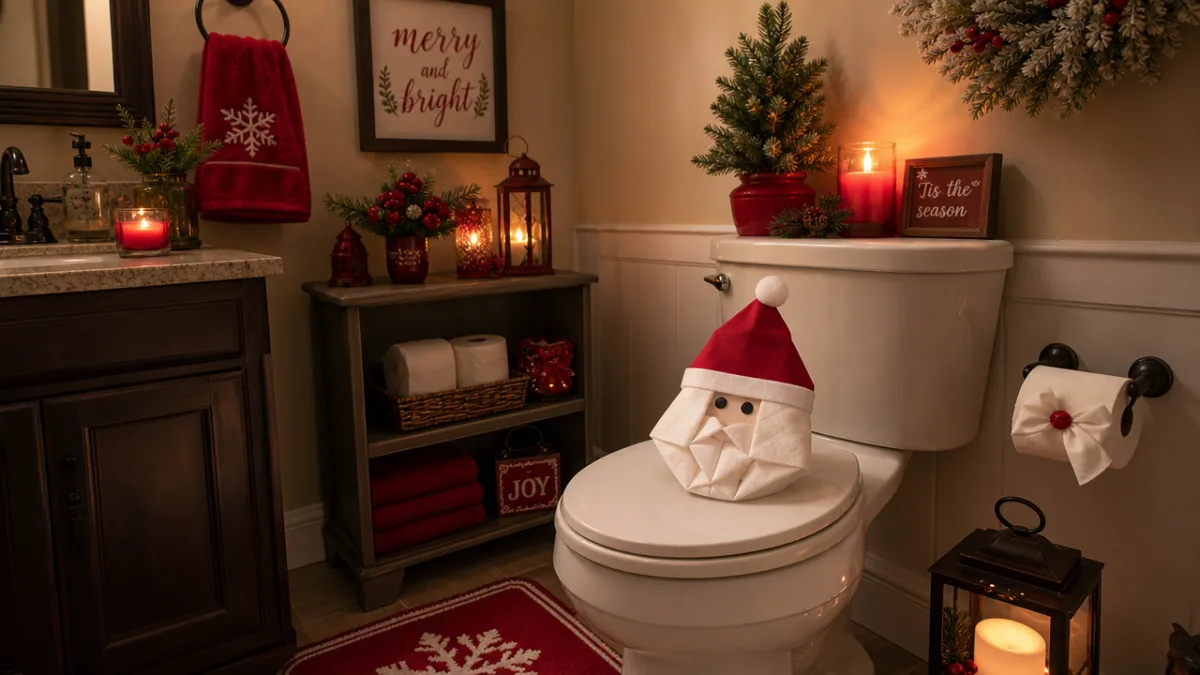
One of the most delightful aspects of toilet paper origami is how easily specific designs can be matched to particular themes, seasons, or celebrations. At Christmas, a simple star fold or a layered tree shape transforms the bathroom into a cohesive part of your holiday décor with minimal effort or expense. For Halloween, a skull fold or a bat design adds a surprising and playful seasonal touch that guests are sure to appreciate. Valentine’s Day calls naturally for hearts and roses, while springtime entertaining invites flowers, butterflies, and leaf designs that echo the season’s themes. The range of possible designs is wide enough that virtually every occasion and aesthetic can be accommodated.
Vacation rentals and bed-and-breakfast owners have discovered that toilet paper origami is one of the most cost-effective hospitality touches available to them. Guests who arrive to find a decorative fold on the toilet paper roll consistently rate their accommodation more highly than those who do not, and the practice costs nothing beyond a minute or two of additional time during the cleaning and preparation process. Review platforms frequently include comments specifically noting the charming attention to detail this creates, suggesting that the return on investment for this small gesture is remarkably high. For hosts operating in a competitive market, toilet paper origami represents one of the simplest ways to differentiate their space and create a memorable first impression.
Beyond hospitality, toilet paper origami has found a place in educational settings, therapeutic crafting programs, and family bonding activities. Occupational therapists sometimes incorporate simple folds into fine motor skills exercises, as the practice develops hand-eye coordination, spatial reasoning, and controlled pressure application in a low-stakes, enjoyable context. Families with young children find that toilet paper origami provides an accessible introduction to the broader world of paper folding arts, sparking curiosity about traditional origami and other paper crafts. The disposable nature of the medium means that mistakes carry no consequences, creating an unusually relaxed and encouraging learning environment for crafters of all ages and ability levels.
Caring for Your Creations and Building a Long-Term Practice
While toilet paper origami is inherently ephemeral — the designs are, after all, intended to be used — there are ways to extend the life of your work when you want to display finished pieces for longer periods. Light misting with aerosol hairspray creates a surprisingly durable surface coating that stiffens the paper slightly and protects against humidity, the primary enemy of any paper fold. For display purposes, completed designs can also be carefully transferred from an actual roll to a decorative holder or a small wooden base, allowing them to serve as standalone decorative objects rather than functional bathroom supplies. Some crafters even dye their paper with gentle watercolor washes before folding to create colorful, painterly designs.
Building a consistent toilet paper origami practice is largely a matter of intentionality and repetition. Setting aside five to ten minutes each week to practice a single new design builds muscle memory quickly and steadily expands your repertoire. Keeping a small notebook nearby to sketch fold sequences and jot down observations about what works and what needs refinement creates a personalized reference guide that grows more valuable over time. Joining online communities dedicated to toilet paper origami and related paper crafts provides ongoing inspiration, feedback, and encouragement from fellow enthusiasts at every skill level, transforming what might otherwise be a solitary practice into a connected and socially enriching hobby.
The broader craft community has increasingly recognized toilet paper origami as a legitimate and worthwhile art form deserving of serious attention alongside its more formally celebrated paper folding cousins. Online tutorials now number in the thousands, printed books dedicated entirely to the subject are available in multiple languages, and craft events occasionally feature toilet paper origami demonstrations and competitions. This growing recognition reflects a wider cultural appreciation for accessible, everyday creativity — the understanding that meaningful artistry does not require expensive materials, formal training, or dedicated studio space, but simply curiosity, practice, and the willingness to see beauty and possibility in even the most ordinary objects around us.
Whether you are folding your very first triangle or attempting an ambitious multi-petal lotus for a special occasion, toilet paper origami offers something genuinely valuable: a daily reminder that creativity can be woven into even the smallest corners of life. Every roll is an opportunity. Every bathroom visit can become a small discovery. And every carefully folded design is a wordless message of welcome, care, and playful attention to the people who share your space — a tiny, paper gesture with a surprisingly large heart.








What do you think?
It is nice to know your opinion. Leave a comment.