










Home Decor On A Budget: Creative DIY Ideas to Transform Your Space
The Power of DIY Home Decor
There is something deeply satisfying about walking into a room you have transformed with your own hands. DIY home decor has surged in popularity not just because it saves money, but because it allows homeowners and renters alike to express their unique personalities through every corner of their living spaces. When you create something yourself, it carries a story, a memory, and a sense of pride that no store-bought item can replicate.
The beauty of budget-friendly decorating is that constraints often spark the most creative solutions. Some of the most stunning home interiors featured in design magazines began not with a generous budget but with a resourceful mindset. Thrift stores, dollar bins, leftover paint, and reclaimed wood have all become the raw ingredients for truly remarkable transformations that would cost thousands of dollars if purchased new from a boutique retailer.
Getting started with DIY home decor does not require any special skills or an expensive toolkit. Many of the most impactful projects involve nothing more than a paintbrush, some sandpaper, basic craft supplies, and a willingness to experiment. Whether you are a complete beginner or a seasoned crafter, the world of budget decorating opens doors to endless possibilities that can dramatically alter the look and feel of your home without draining your savings account.
Planning Your Budget Decor Strategy
Before diving into any decorating project, it pays to spend time planning. Start by taking stock of what you already own. Many people are surprised to discover that items they consider outdated or boring can be refreshed with a coat of paint, new hardware, or creative repositioning. Walk through each room with fresh eyes and ask yourself what could be repurposed, painted, rearranged, or combined with something else to create a new focal point that feels intentional and designed.
Setting a realistic budget is an essential step that many enthusiastic decorators skip in their excitement. Even a modest budget of fifty to one hundred dollars per room can go an incredibly long way when you prioritize spending on high-impact changes such as wall color, textiles, and lighting. Break your budget into categories: materials, tools, and a small contingency fund for unexpected needs. This approach keeps your spending controlled while still giving you freedom to be creative and spontaneous within defined boundaries.
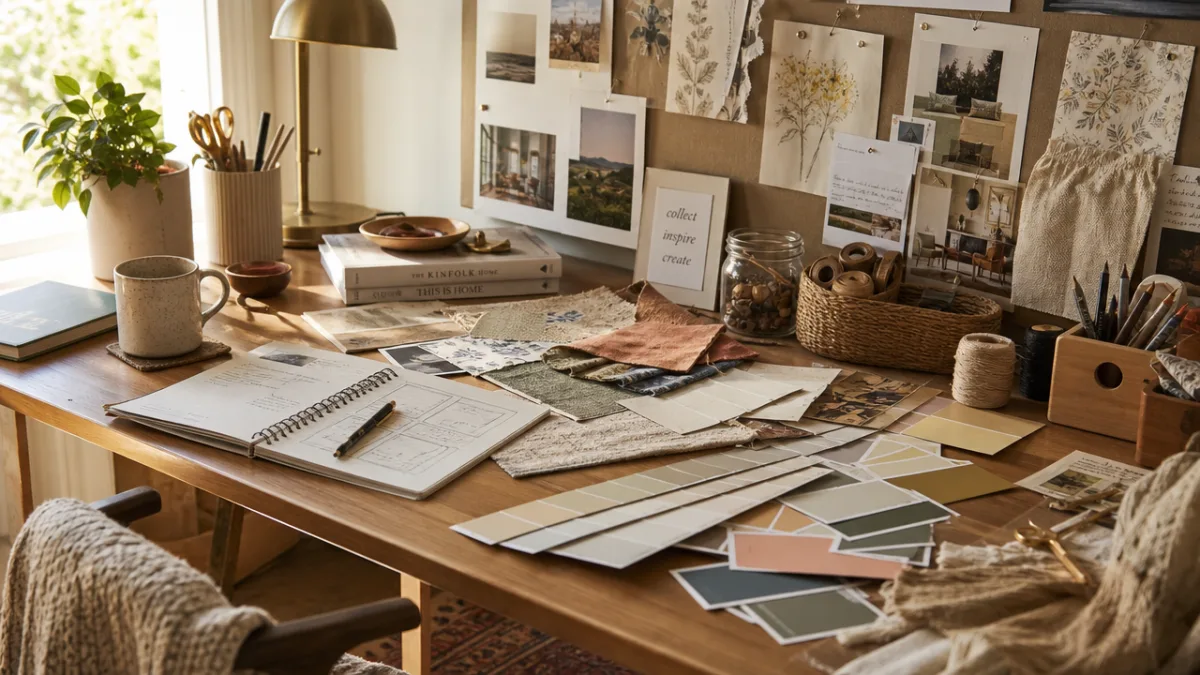
Research and inspiration gathering should happen before you spend a single dollar. Platforms like Pinterest, Instagram, and YouTube are packed with thousands of free tutorials and before-and-after transformations that can fuel your creativity and help you avoid costly mistakes. Create a mood board for each room using free digital tools or simply cut images from old magazines. Having a visual reference keeps you focused and helps you make smarter purchasing decisions at thrift stores and craft suppliers.
Wall Transformations That Cost Almost Nothing
Your walls represent the largest visual surface in any room, and transforming them is often the single most impactful change you can make to your home decor. Fortunately, wall updates also offer some of the most budget-friendly options available to creative decorators. A single can of paint, which typically costs between twenty and forty dollars, can completely reinvent a room’s atmosphere, shifting it from dull and dated to vibrant and contemporary in just a single afternoon of work.
Beyond basic painting, there are numerous techniques that add texture, pattern, and visual depth to your walls without requiring professional help. Sponge painting creates an organic, layered effect that mimics expensive Venetian plaster at a fraction of the cost. Tape and geometric patterns allow you to create graphic accent walls using only painter’s tape and two colors of paint. Color blocking, where large rectangular sections of contrasting colors are applied in bold arrangements, is a trend that looks sophisticated but requires only basic painting skills and careful taping.
Gallery walls have become one of the most popular and enduring trends in DIY home decor for very good reason. They allow you to display meaningful photographs, artwork, and prints in a way that feels curated and intentional. The key to a beautiful gallery wall on a budget is to mix frame sizes and finishes, use thrifted frames painted in a unified color, and print your own artwork at home or at a copy shop for just a few dollars. Botanical illustrations, typography prints, and black-and-white photographs all create striking gallery arrangements that look far more expensive than they truly are.
If painting is not an option because you are renting your home, removable wallpaper and peel-and-stick decals offer an excellent alternative. These products have improved dramatically in quality over recent years and are now available in hundreds of beautiful patterns from geometric to floral, bohemian to Scandinavian minimalist. They apply easily, remove without damaging walls, and can transform a plain bedroom or bathroom into a space that feels professionally designed. Many affordable options are available online that offer high visual impact at a very accessible price point.
Furniture Makeovers and Thrift Store Finds
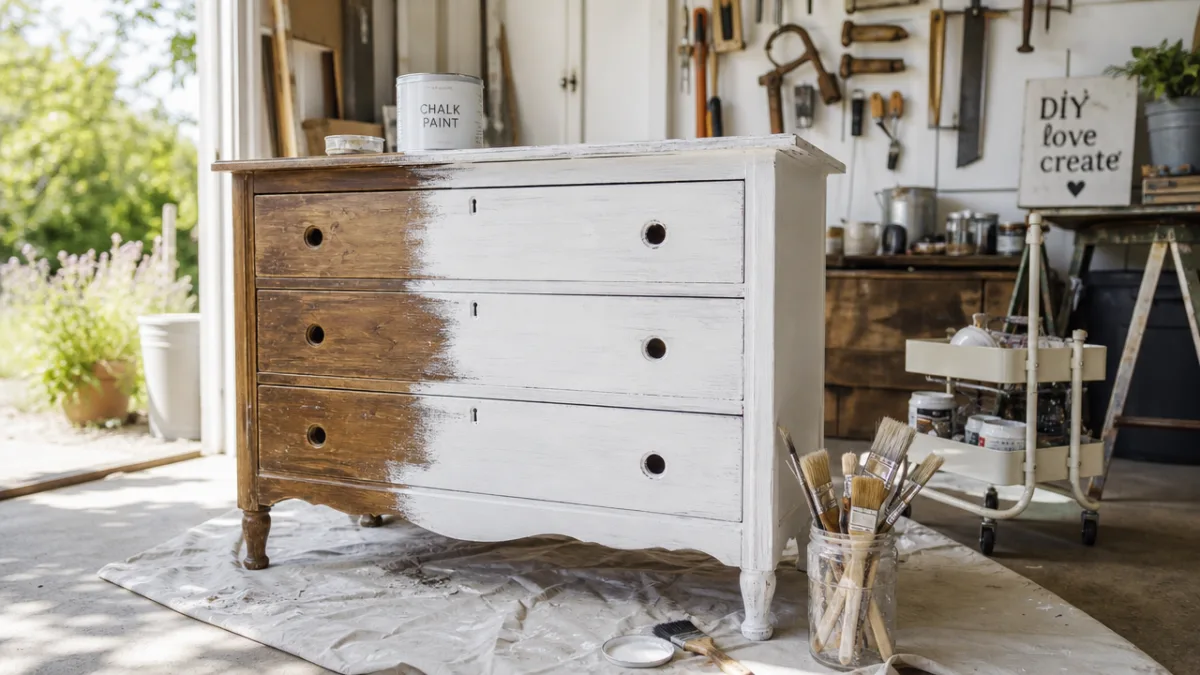
One person’s unwanted furniture is another’s design opportunity. Thrift stores, garage sales, online marketplace platforms, and even curbside finds are treasure troves for budget decorators who are willing to look beyond an item’s current state and envision its potential. A solid wood dresser with outdated hardware can become a stunning bedroom centerpiece with a coat of chalk paint and new knobs sourced from a craft store. An old wooden ladder can be transformed into a charming blanket rack or bathroom towel holder with minimal effort.
Chalk paint has revolutionized the world of furniture upcycling because it requires virtually no surface preparation, adheres to almost any material including wood, metal, laminate, and even fabric, and dries quickly to a beautiful matte finish. Once sealed with a clear wax or varnish, chalk-painted pieces are durable and long-lasting. The technique is forgiving for beginners, and the distressed, layered looks that are currently very fashionable in farmhouse and cottage-style interiors are actually easier to achieve than a perfectly smooth finish, making this an ideal entry point for new DIY decorators.
Hardware swaps are one of the most underestimated budget makeover strategies available. Simply replacing dated drawer pulls and cabinet knobs with modern alternatives can make an entire kitchen or bathroom look renovated without touching the cabinetry itself. Hardware is widely available in styles ranging from industrial black iron to brushed gold to ceramic floral designs. A set of new knobs for a six-drawer dresser typically costs between fifteen and thirty dollars and takes less than thirty minutes to install with a basic screwdriver, yet the visual transformation is genuinely remarkable.
When shopping at thrift stores for furniture to upcycle, there are several characteristics worth looking for to ensure your project succeeds. Solid wood construction is far superior to particle board or MDF for painted furniture projects because it accepts paint more evenly and holds up to sanding. Look for pieces with interesting shapes or silhouettes even if the color or finish is unappealing, because a good shape can carry a finished piece while a boring shape will remain boring regardless of how beautifully it is painted. Check that drawers open smoothly and that joints are tight and stable before purchasing.
- Look for solid wood construction over particle board for durability and paintability
- Choose interesting silhouettes and shapes that will shine after a fresh finish
- Check all moving parts including drawers, doors, and hinges before buying
- Prioritize structural integrity over cosmetic condition since surface flaws are easy to fix
- Consider scale carefully to ensure the piece will fit comfortably in your intended space
Textiles, Lighting, and Soft Furnishings on a Budget
Nothing transforms a space more quickly or affordably than updating its textiles. Throw pillows, blankets, curtains, and area rugs are the decorating world’s equivalent of accessories in fashion, and just as a great pair of shoes can elevate an entire outfit, the right textiles can pull a room together and make it feel complete. The good news is that these items are widely available at very accessible price points, and many can even be made at home with basic sewing skills or no-sew techniques that use fabric glue or iron-on hem tape.
Curtains deserve special attention because they have an enormous impact on how a room feels. Long, floor-length curtains hung close to the ceiling make ceilings feel higher and rooms feel more spacious and elegant, a trick used by professional interior designers that costs almost nothing extra to implement. Affordable curtain panels from budget retailers can be elevated significantly by adding a decorative trim at the hem, using curtain rings instead of rod pockets, or layering sheer panels beneath heavier drapes to create depth and texture that mimics much more expensive window treatments.
Lighting is the secret weapon of interior design and one of the most underutilized tools in budget decorating. The quality, direction, and warmth of light in a room fundamentally shapes how colors, textures, and furniture appear and how comfortable and inviting the space feels. Replacing harsh overhead lighting with lamps placed at varying heights around a room is one of the fastest ways to create atmosphere. Thrifted lamps can be updated with new shades, and plain shades can be customized with trim, paint, or decoupage techniques to become truly one-of-a-kind statement pieces.
Area rugs anchor a seating arrangement and define zones within open-plan living spaces, but quality rugs can be extremely expensive when purchased new. Budget alternatives include layering two smaller rugs for a bohemian look, shopping at discount home stores and online clearance sections, painting a plain canvas drop cloth with geometric patterns to create a custom rug, or using outdoor rugs indoors, which are typically much more affordable and highly durable. A well-placed rug, even an inexpensive one, makes a room feel finished, warm, and intentionally designed in a way that bare floors rarely achieve.
DIY Decorative Accents and Art Projects
Decorative accents are the details that give a home its personality, and making them yourself means they can be completely tailored to your aesthetic preferences and color palette. Macrame wall hangings, which have enjoyed a strong revival in recent years, can be made at home with inexpensive cotton rope available at any craft store and basic knotting techniques learned from free online tutorials. Even a simple design with just a few knots creates a beautiful bohemian texture that looks stunning against a plain wall and costs only a fraction of what similar pieces sell for in boutique home stores.
Candles, vases, and decorative vessels offer wonderful opportunities for creative budget decorating. Plain glass vases from dollar stores can be frosted with glass spray paint, wrapped in twine or jute rope, or filled with colored water and battery-powered fairy lights to create beautiful glowing centerpieces. Terracotta pots can be painted with geometric patterns or dipped in gold paint to create elegant planters that look hand-crafted and expensive. Even empty glass wine bottles become beautiful vases, candle holders, or bud vases when grouped together on a window sill or shelf.
Floating shelves are another DIY project with tremendous decorative impact that can be accomplished affordably. Pre-cut wood boards from a hardware store, combined with inexpensive floating shelf brackets, allow you to create customized display shelving in any room of the house. Sanded and stained or painted to match your decor, these shelves become perfect homes for plants, books, candles, framed photographs, and small sculptures. Styling a shelf thoughtfully with items of varying heights and textures, including at least one plant, creates a vignette that looks designed and purposeful.
Plants and greenery deserve their own special mention as perhaps the single most impactful and affordable addition to any home decor scheme. A collection of thriving houseplants adds color, texture, life, and even improved air quality to any room. Budget-friendly plant choices include pothos, spider plants, snake plants, and succulents, all of which are widely available at low cost and require minimal care. Display them in thrifted or handmade pots, hang them in macrame plant hangers, or place them on a plant stand made from stacked wooden crates for a layered, lush look that transforms any corner of your home.
Room-by-Room Budget Decorating Tips
Each room in a home presents its own unique decorating challenges and opportunities, and a smart budget decorator tailors their approach to the specific function and characteristics of each space. The living room, as the most visible and socially significant area of the home, often benefits most from investment in a few key pieces such as a statement throw blanket, a gallery wall, and updated lighting. These three elements together can completely transform the feeling of a living space for well under one hundred dollars when approached with creativity and patience.
Bedrooms benefit enormously from thoughtful textile choices and soft, layered lighting. A luxurious-feeling bed does not require expensive linen; it requires careful layering of textures including a duvet, throw blanket, and an assortment of pillows in complementary colors and sizes. A DIY upholstered headboard made from plywood and foam batting covered in fabric is a surprisingly achievable weekend project that creates a genuinely dramatic focal point in any bedroom. Instructions for this project are widely available online and the materials cost a fraction of a store-bought headboard.
Kitchens and bathrooms offer excellent opportunities for budget makeovers that yield significant results. In kitchens, painting cabinet doors and replacing hardware is a classic transformation that can make an entire kitchen feel renovated. Adding open shelving above a counter to display attractive dishes and plants creates both storage and visual interest. In bathrooms, new towels in a fresh color palette, a framed mirror from a thrift store, and a collection of matching containers for cotton balls and soap create a spa-like atmosphere that feels intentional and serene without requiring any significant financial investment.
Entryways and hallways are frequently overlooked in home decorating projects, yet they set the tone for a home the moment anyone walks through the front door. A simple console table, even one thrifted and painted, paired with a mirror and a small plant creates a welcoming vignette that makes a powerful first impression. Hooks mounted on a piece of reclaimed wood create functional, attractive storage for bags, keys, and jackets. A runner rug in the hallway adds warmth and color while protecting floors. Small investments in these transitional spaces pay significant dividends in the overall impression your home makes on visitors and on yourself every single day.
- Start with the rooms you spend the most time in for maximum daily impact and satisfaction
- Focus first on elements that affect the whole room such as wall color, lighting, and rugs
- Layer in textiles and soft furnishings to add warmth, texture, and personality
- Add decorative accents and handmade items last to personalize and complete each space
- Photograph your progress and revisit your original mood board to stay on track with your vision
The journey of decorating your home on a budget is as rewarding as the destination. Every thrift store discovery, every furniture makeover, and every handmade accent teaches you something new about design, color, and your own creative instincts. Over time, the skills you build through DIY decorating compound into a genuine design sensibility that makes every future project easier, faster, and more successful. The most beautifully decorated homes are rarely those with the largest budgets; they are the ones filled with thoughtfulness, creativity, and the visible evidence of a personality that is fully and joyfully expressed through every carefully chosen and lovingly crafted detail.








What do you think?
It is nice to know your opinion. Leave a comment.