










Budget Home Decor Hacks Under $10 – Genius DIY Ideas
Transform Your Space Without Breaking the Bank
Home decoration has long carried the reputation of being an expensive endeavor, something reserved for those with generous budgets and professional designers on speed dial. But the truth is that some of the most charming, personalized, and visually striking interiors are born not from big spending but from creativity, resourcefulness, and a willingness to see potential in overlooked objects. With just a few dollars and a bit of imagination, you can completely reimagine a room and make it feel intentionally curated rather than carelessly assembled.
The budget decor movement has been quietly revolutionizing the way people think about their living spaces. Thrift stores, dollar shops, craft supply outlets, and even your own recycling bin have become treasure troves for the resourceful decorator. The key is learning to look past the current state of an object and envision what it could become with a coat of paint, a new arrangement, or a simple repurposing. This shift in perspective is genuinely the most powerful tool any decorator can develop, and it costs absolutely nothing.
This guide is packed with practical, proven ideas that real people have used to transform their homes on shoestring budgets. Whether you live in a compact studio apartment, a rented flat where you cannot drill holes in the walls, or a family home that constantly feels cluttered, there is something here for every space and every situation. All of the ideas in this article can be executed for under ten dollars, and many of them cost just a fraction of that. The results, however, look anything but cheap.
Why Budget Decorating Works Better Than You Think
There is a persistent myth that inexpensive decor automatically looks inexpensive. This assumption keeps many people from attempting DIY projects, convinced that the results will look amateurish or embarrassingly frugal. In reality, the relationship between cost and visual quality in home decor is far less direct than most people assume. A five-dollar frame painted in a trending color and filled with a piece of vintage sheet music can look just as elegant on a gallery wall as a designer frame costing fifty times more.
Interior designers themselves will tell you that the secret to a beautiful room is not the price of individual items but rather the cohesion of the overall space, the quality of light, the thoughtful use of texture, and the careful editing of what you choose to display. These principles are completely free to apply. When you decorate on a budget, you are forced to make intentional decisions rather than simply purchasing whatever is most convenient, and that intentionality often produces better results than unlimited spending would.
Dollar Store Decor: Hidden Gems for Every Room
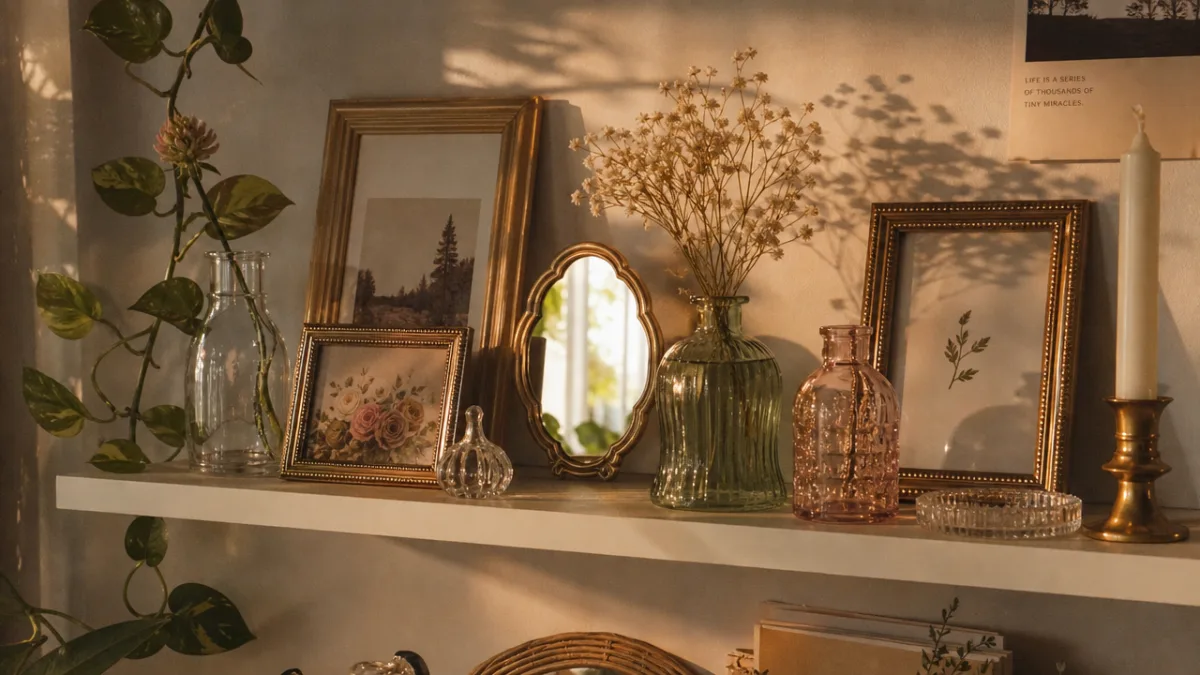
Dollar stores are arguably the single greatest underutilized resource in the home decor world. Most people walk through them looking for cleaning supplies and party goods, entirely missing the extraordinary potential lining the shelves. Glass vases and bottles, wooden frames, wicker baskets, pillar candles, small clay pots, picture ledges, and decorative containers are all commonly available for one dollar or less, and with a little creative effort, each of these items can become something genuinely beautiful.
Glass vases are perhaps the most versatile finds in any dollar store. A small collection of three or four mismatched clear glass bottles, grouped together on a windowsill with a single stem flower or a cutting from a houseplant in each one, creates an instantly sophisticated vignette that looks like something from a lifestyle magazine. The trick is to vary the heights slightly and keep the plants or florals simple. Eucalyptus cuttings, a sprig of rosemary, or even a dried allium head are all affordable and beautiful choices.
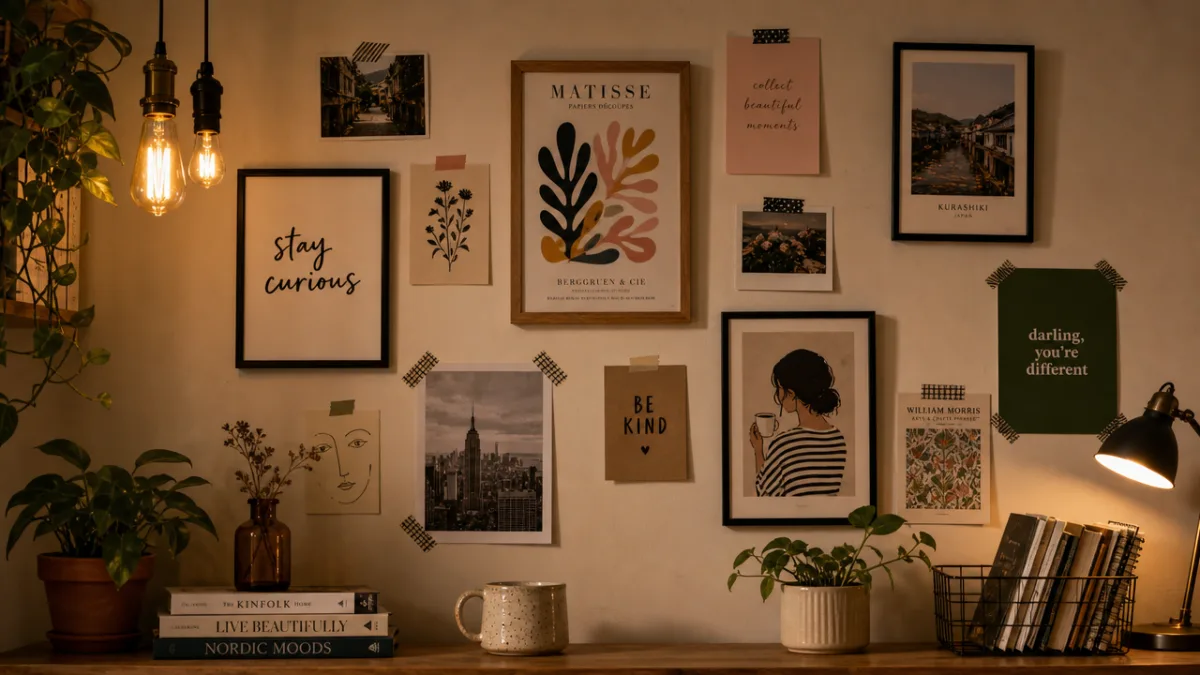
Wooden frames from the dollar store can be transformed with a single coat of spray paint or craft paint in any color you choose. A set of five small frames painted in a uniform matte black and arranged in a clean grid pattern creates a gallery wall effect that looks curated and modern. Fill them with anything you love: printed black-and-white photographs, pages torn from an old book, botanical drawings printed free from public domain archives, or simple geometric shapes drawn in ink on watercolor paper. The frame does the heavy visual lifting; what goes inside is almost secondary.
Crafting with Dollar Store Finds
Beyond using dollar store items as-is, they become even more powerful as raw materials for DIY crafts. Clay pots can be painted with geometric patterns using tape and acrylic paint, creating stunning planters that cost under two dollars total and look like boutique finds. Wicker baskets can be whitewashed, spray-painted in a bold color, or wrapped partially in jute twine for a textural effect. Even plain white ceramic mugs can become chic pencil holders or small planters with the addition of a hand-drawn design using a Sharpie marker baked at a low oven temperature to set.
Mirrors are another extraordinary dollar store find. Even small, inexpensive mirrors can make a space feel larger and brighter when positioned thoughtfully. Leaning a few small dollar store mirrors against the back of a shelf alongside books and plants adds depth and light to what might otherwise feel like a flat surface. A single larger mirror placed opposite a window doubles the natural light in a room and is one of the oldest and most effective tricks in the interior design playbook.
Thrift Store Treasure Hunting: What to Look For
Thrift stores operate on a fundamentally different logic than regular retail, and understanding that logic makes you a much more effective shopper. The goal is not to find things that are already beautiful but to find things with good bones. Good bones means solid construction, interesting shape, or a form that has timeless appeal underneath whatever surface treatment is currently obscuring it. An ugly lamp with a great silhouette is a wonderful find. An old wooden stool with chipped paint is a blank canvas. A heavy picture frame with an outdated print inside is simply a frame waiting for new content.
Some of the most reliably rewarding thrift store finds for home decorators include wooden frames of all sizes, ceramic bowls and vessels, glass bottles and decanters, small wooden crates and boxes, woven baskets, candlesticks of any material, and decorative trays. These objects translate beautifully across many styles when repainted, restained, or simply rearranged. A heavy brass candlestick that looks dated in its current finish can become a thoroughly modern accent piece with a coat of matte black spray paint, which typically costs around four dollars per can and covers many objects.
Fabric finds at thrift stores deserve special attention. Curtain panels, tablecloths, scarves, and even clothing items can be repurposed into stunning home textiles. A large silk scarf in a beautiful print becomes a throw pillow cover when folded and tucked over an existing pillow. A set of plain linen curtain panels can be dyed in an ombre gradient using fabric dye from a craft store, creating a custom window treatment for under ten dollars total. Tablecloths can become table runners, wall hangings, or even no-sew roman shades with the help of iron-on hem tape.
Refinishing and Repainting for Maximum Impact
The single skill that unlocks the most potential in thrift store shopping is knowing how to refinish surfaces. Paint is the great democratizer of home decor, capable of transforming a five-dollar thrift store find into something that looks genuinely high-end. Chalk paint and spray paint are the two most versatile options for home decorators. Chalk paint adheres to almost any surface without priming, dries to a beautiful matte finish, and can be buffed with wax for durability. Spray paint provides a smooth, even finish on objects with complex shapes like frames, candlesticks, or decorative figurines.
Before painting any thrift store find, a quick wipe-down with a damp cloth and a light sanding of glossy surfaces is usually all the preparation needed. Then the real fun begins. Consider unexpected color choices: a deep forest green ceramic lamp base, a terracotta-orange wooden frame, or a chalky white basket weave tray can each become a genuine focal point in a room. Do not feel limited to neutrals, though a palette of two or three complementary colors across a room’s decorative objects will always look more intentional than a random assortment of hues.
DIY Wall Art and Decor on a Shoestring Budget
Walls are the largest surfaces in any room and the most powerful tools you have for establishing the mood and style of a space. Unfortunately, artwork can be prohibitively expensive, and many renters feel their options are severely limited by restrictions on nailing into walls. The good news is that compelling wall decor can be created and displayed for almost nothing, and many of the best options require no hardware at all. Removable adhesive strips, adhesive hooks, and washi tape have transformed the possibilities for renters and anyone who prefers a commitment-free approach to wall styling.
Printable wall art has become a vast resource for budget decorators. Websites like Unsplash and public domain archives offer thousands of beautiful images, botanical illustrations, vintage maps, typographic prints, and abstract artworks that can be downloaded for free and printed at home or at a local print shop for a dollar or two. Printed on cardstock or matte photo paper and placed in a thrifted or dollar store frame, these prints are genuinely indistinguishable from costly purchased artwork. A gallery wall of six to eight prints, all within a similar color palette, creates an impressive focal point for any room.
Washi tape is one of the most underrated decorating tools available, particularly for renters. Available in dozens of colors and patterns for a few dollars per roll, washi tape can be used to create geometric accent panels on walls, frame photographs or postcards directly on the wall without frames, create a faux tile backsplash effect, or outline architectural details like fake chair rail molding. Because it removes cleanly without damaging most wall surfaces, it is an entirely risk-free way to add color, pattern, and visual structure to a space.
Nature-Inspired Decor That Costs Almost Nothing
Some of the most beautiful decorative elements available to you are completely free, provided you are willing to go outside and gather them. Branches from the backyard arranged in a tall vase create a dramatic sculptural display, particularly when hung with small fairy lights or paper cranes. Pinecones collected on a walk and arranged in a wooden bowl or tray make a classic seasonal centerpiece. Dried seed heads, grasses, and wildflowers gathered in late summer and dried upside-down in a warm room provide months of texture and visual interest in arrangements and wreaths.
Smooth river stones and pebbles collected from a beach or riverbank can be painted, stacked, or arranged in glass containers to create simple and meditative decorative accents. A glass apothecary jar filled with white pebbles and topped with a single succulent cutting creates a beautiful terrarium-style display for the cost of the jar. Flat stones painted with simple watercolor washes or gold leaf accents make beautiful paperweights, bookends, or tabletop accents that look like intentional design choices rather than found objects.
Lighting Hacks That Transform Any Space
Light is perhaps the single most powerful variable in the atmosphere of any room, and it is also one of the most affordable to manipulate. The difference between a room lit by overhead fluorescent fixtures and the same room lit by a combination of warm-toned lamps, candles, and string lights is extraordinary. You do not need to rewire anything or purchase expensive fixtures to dramatically improve the quality of light in your home. Strategic placement of inexpensive light sources can transform even the most unremarkable room into something that feels warm, layered, and inviting.
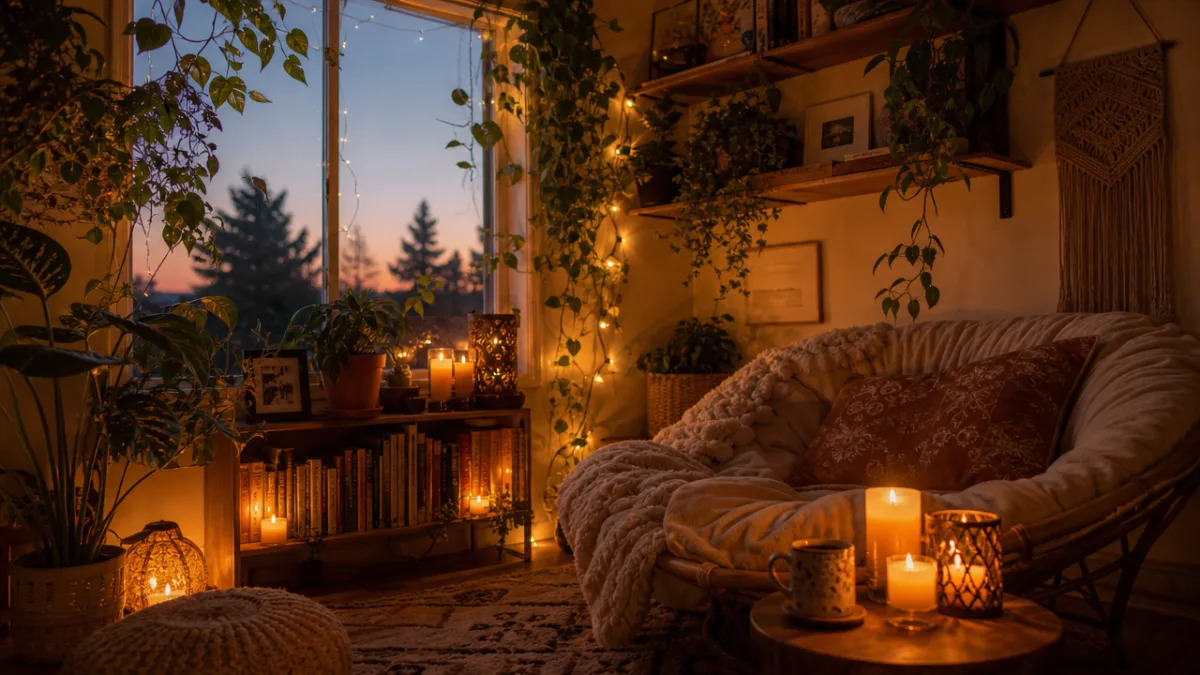
String lights, or fairy lights, are available for just a few dollars and are one of the most versatile tools in a budget decorator’s kit. Draped across a bookshelf, tucked behind a sheer curtain panel, coiled inside a glass vase, or hung in a loose swag along a wall, they add an immediate warmth and whimsy to any space. Battery-operated versions eliminate the need for an outlet nearby, making them even more flexible. Warm white bulbs are universally flattering; cool white tends to feel clinical and should generally be avoided in living spaces.
Candles are another extraordinary low-cost tool for creating atmosphere. Pillar candles from a dollar store, grouped in clusters of three at varying heights on a tray or plate, create a sophisticated and hygge-inspired vignette that adds both visual warmth and ambient light to a room. Taper candles in mismatched candlesticks of different heights achieve a similar effect on a dining table or mantelpiece. Scented candles have the additional benefit of engaging the sense of smell, making a space feel more intentionally welcoming rather than merely visually styled.
Rearranging and Editing: The Free Transformation
Before spending a single dollar on new decor, it is worth exhausting the most powerful and completely free decorating tool available: rearranging what you already own. Most homes contain far more potential than their current arrangement reveals. Objects are placed once and then forgotten, rooms fall into static configurations that have not been reconsidered in years, and the result is a space that feels stale even when it contains genuinely beautiful things. Pulling everything off your shelves, wiping them down, and then curating what goes back creates an instant refresh without any new purchases.
The principle of editing is equally important. Removing things is often more transformative than adding things. Shelves and surfaces that feel cluttered and chaotic instantly become calmer and more visually appealing when you reduce the number of objects by one third to one half. Group the survivors into intentional clusters, varying height and texture within each group, and the result is something that looks designed rather than accumulated. Items you remove can be stored and rotated back in seasonally, giving your decor a freshness and intentionality that no amount of shopping can replicate.
Plants remain one of the most reliably effective budget decorating tools, bringing color, texture, life, and a quality of freshness to any room. Propagating plants from cuttings shared by friends, family, or community plant-swap groups costs nothing but a small glass of water. Hardy varieties like pothos, spider plants, and heartleaf philodendrons thrive in almost any light condition, grow quickly, and propagate effortlessly. A collection of three or four trailing plants arranged on a high shelf or in a hanging macrame planter transforms a bare corner into a lush, organic focal point that no manufactured decor item can truly replicate.
Putting It All Together: Your Budget Decor Action Plan
The most common reason budget decorating projects stall is not lack of money but lack of a plan. Without a clear direction, it is easy to accumulate a random assortment of inexpensive items that do not work together and end up making a space feel more cluttered rather than more beautiful. Before you begin shopping or crafting, spend some time defining the feeling you want a room to have. Collect images that appeal to you, notice the common threads in terms of color, texture, and style, and use those patterns as a guiding framework for every decision that follows.
A practical starting point is to choose a three-color palette for a room and commit to it. This does not need to be rigid or joyless, but having a clear palette ensures that everything you add, whether a new throw pillow, a painted frame, or a collection of small vases, will work together rather than compete. Within your chosen palette, aim for a mix of tones: one dominant neutral, one supporting mid-tone, and one accent color used sparingly for visual interest. This simple structure is the foundation of almost every professionally decorated room you have ever admired.
Start with the largest visual impact areas first and work toward the details. In most rooms, this means the walls, the main seating or sleeping surface, and the floor treatment. Once those foundations are established with inexpensive interventions like a new arrangement of artwork, a refreshed throw and pillow combination, or a layered rug situation, the smaller accent details fall into place much more easily. It is tempting to focus on small decorative accessories first because they are the most fun to shop for, but doing so without an established foundation often means those items look lost or disconnected.
Maintaining the Budget Mindset Long-Term
The most successful budget decorators are not people who found the right ten-dollar products; they are people who developed a lasting mindset shift about how they see and interact with their spaces. This mindset involves slowing down before making purchases, asking whether something adds genuine value or simply satisfies a momentary impulse, and regularly editing and rearranging rather than continuously adding. It also involves cultivating a genuine curiosity about materials, techniques, and possibilities, a willingness to try things, accept the occasional imperfect result, and keep learning.
Community is an enormously underutilized resource in this process. Online groups dedicated to budget decorating, DIY projects, and thrift store finds are filled with creative people sharing techniques, sourcing tips, and inspiration. Local community groups, Buy Nothing networks, and Freecycle communities offer the extraordinary possibility of acquiring furniture, plants, artwork, and decor items completely free from neighbors who no longer need them. The decorating world is far more generous and collaborative than the retail industry would prefer you to believe.
Ultimately, a beautifully decorated home is not a product you purchase but a practice you develop. Every small project you complete, every object you transform, and every arrangement you refine teaches you something about your own aesthetic, your own capabilities, and the extraordinary potential contained in ordinary materials. The ten-dollar budget is not a limitation to work around but a creative constraint that pushes you toward more thoughtful, intentional, and ultimately more personal results than any shopping spree could deliver. Your home, decorated this way, will feel unlike anyone else’s, because it genuinely is.








What do you think?
It is nice to know your opinion. Leave a comment.