










Budget-Friendly Home Decor: Style on a Shoestring
Decorating your home beautifully doesn’t have to cost a fortune. A lot of people assume that a stylish, put-together living space is something only reserved for people with big budgets and an interior designer on call — but that’s just not true. Some of the most gorgeous, personality-filled homes out there belong to people who’ve learned to decorate cleverly and creatively without spending much at all. With the right mindset and a few solid strategies, you can take any room from blah and forgettable to warm, inviting, and totally you — without breaking the bank.
The real foundation of budget decorating is a shift in how you think about value. Expensive doesn’t automatically mean better, and cheap doesn’t automatically mean low quality. A thrifted wooden side table with good bones and a fresh coat of paint can easily outshine something mass-produced from a big-box store. Learning to see potential where other people see junk is honestly one of the most useful skills you can develop as a budget decorator. Once you start looking past surface-level flaws and focusing on shape, scale, and structure instead, a whole new world of affordable possibilities opens up.
This guide walks you through every major area of budget-conscious decorating, from finding furniture and materials to the small finishing touches that make a space feel like home. Whether you’re moving into your first apartment, refreshing a tired living room, or finally getting around to that bedroom makeover you’ve been putting off, these strategies will help you get results you’re genuinely proud of — without the financial stress. Style and savings really can go hand in hand, and by the end of this article, you’ll know exactly how to make that happen.
Thrifting, Secondhand Shopping, and the Art of the Hunt
Thrift stores, estate sales, garage sales, and apps like Facebook Marketplace, Craigslist, and OfferUp have quietly become the secret weapons behind some of the most beautiful homes you’ll see on social media. The thing is, secondhand shopping rewards patience. You’re probably not going to find everything you need in a single afternoon — but if you stop by thrift stores regularly, once or twice a week ideally, you’ll start to get a feel for how inventory turns over. Good pieces go fast, so the more often you’re looking, the better your odds of grabbing something great before someone else does.
When you head into a thrift store with decorating in mind, go with a general vision but stay open to surprises. Know the vibe you’re going for — maybe warm Scandinavian minimalism, eclectic bohemian layering, or breezy coastal — but don’t be too rigid about specific items. A lamp you weren’t even looking for might turn out to be exactly the right scale for your entryway. A set of mismatched dining chairs, all painted the same color, can actually look more interesting and intentional than a perfectly matched set. The element of surprise is a big part of what gives thrifted rooms so much personality.
Online secondhand platforms are worth calling out specifically because they open up your search way beyond your local area. On Facebook Marketplace, you can filter by distance, price, and category, which makes it surprisingly easy to hunt down something specific like a mid-century modern dresser or a set of vintage brass candlesticks. Don’t hesitate to negotiate on price — most sellers are expecting it — and always look things over carefully before you commit. Solid wood construction, intact hardware, and a sturdy frame are what you’re after. Scratches, dents, and dated finishes? Those are almost always fixable with a little time and the right supplies.
DIY Projects That Look Expensive but Cost Almost Nothing
DIY home decor has had a real moment in recent years, thanks largely to Pinterest, YouTube, and Instagram, where people share projects that look incredibly high-end for almost no money. But the appeal of DIY isn’t just the savings — it’s also the satisfaction of making something yourself. A gallery wall built from thrifted frames, spray-painted a uniform color, and filled with free or cheap printable art can look like it was put together by a professional stylist. And in a way, it was — you.
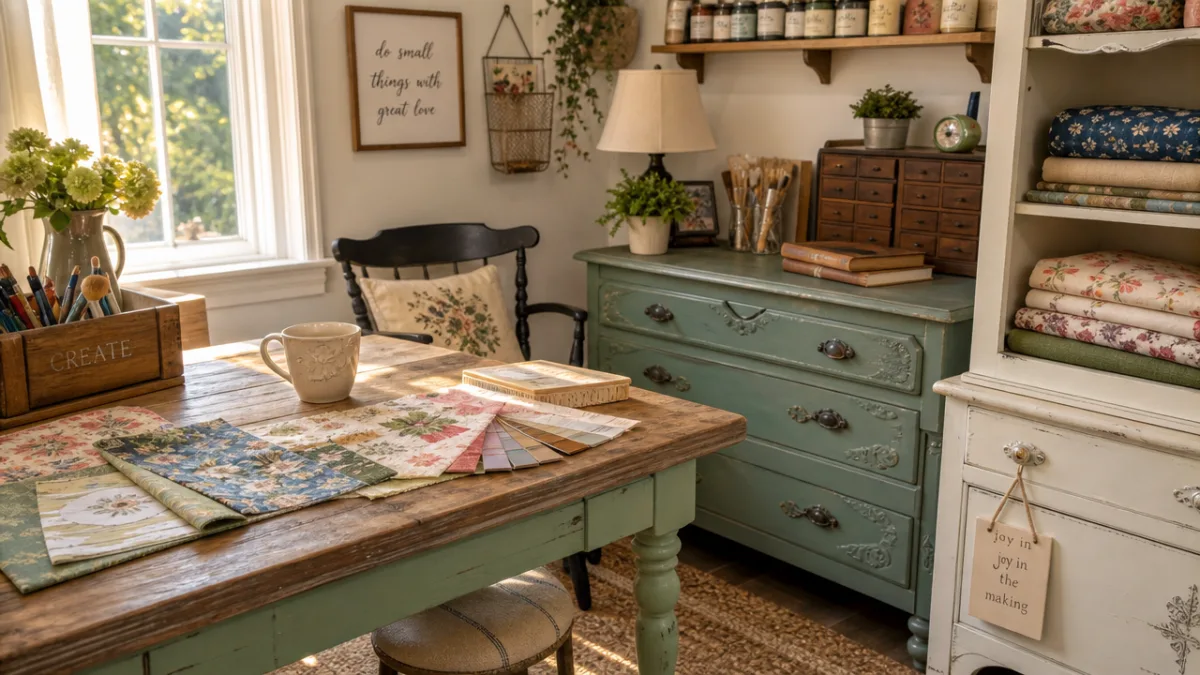
Paint is probably the single most powerful and affordable tool in a home decorator’s kit. A gallon of quality interior paint runs somewhere between thirty and sixty dollars and can completely change the feel of a room. An accent wall in a deep, moody color — forest green, terracotta, navy blue — instantly adds depth and intention. Painting old furniture like dressers, bookshelves, side tables, or even lamp bases can make tired pieces feel brand new. You can also use paint to fake architectural details: painted wainscoting, arch illusions, geometric patterns, and color-blocked walls are all popular techniques that require nothing more than paint, painter’s tape, and a steady hand.
Beyond paint, here are some DIY projects that punch well above their weight for the investment:
- Reupholstering dining chair seats with inexpensive fabric and a staple gun — no sewing required, and most chairs take less than thirty minutes each.
- Creating abstract canvas art with craft store acrylic paints, which can cost as little as five dollars per piece and makes for genuinely striking wall decor.
- Building a simple floating shelf from a wood plank and basic brackets, which adds both display space and a little architectural interest to a bare wall.
- Making macramé wall hangings or plant hangers from inexpensive cotton rope — beginner-friendly, and the finished results are beautiful and textural.
- Decoupaging old vases, trays, or boxes with decorative paper or fabric scraps for personalized accent pieces that look like something you’d find in a boutique.
Strategic Shopping at Discount and Clearance Retailers
Not everything in a well-decorated home has to be secondhand or handmade. There are real retail options where you can find genuinely beautiful home goods at seriously reduced prices — you just have to know where to look. Stores like HomeGoods, TJ Maxx, and Marshalls get irregular shipments from a wide range of brands, including some pretty upscale ones, at major markdowns. Because the inventory is always changing, stopping in regularly works better than making one big trip. These stores are especially good for throw pillows, decorative objects, artwork, candles, rugs, and smaller accent furniture.
The clearance sections at mainstream retailers like Target, IKEA, Wayfair, and even Walmart are worth more of your attention than they usually get. Items end up on clearance for all kinds of reasons — end of season, minor packaging damage, overstock, a discontinued color — none of which affect whether the product is actually good. Wayfair runs frequent sales and has an “Open Box” section where returned items are sold at steep discounts. IKEA’s AS-IS section near the store exit offers floor models and returns at reduced prices, and plenty of those pieces are in perfectly fine shape.
Timing your purchases strategically can also save you a lot of money at full-price stores. Home decor follows seasonal patterns, and once you know those patterns, you can plan ahead and buy at the lowest prices of the year. A few of the most reliable windows for home decor deals:
- January, when retailers are clearing out holiday stock and rolling in new collections at reduced prices to get people through the door.
- Late summer, when outdoor furniture and warm-weather decor gets marked down dramatically to make room for fall merchandise.
- Black Friday and Cyber Monday, which now stretch across most of November and include genuine discounts at many home retailers.
- Memorial Day and Labor Day weekends, which have long been traditional furniture sale periods at both big chains and smaller independent stores.
The Power of Plants, Textiles, and Layered Lighting
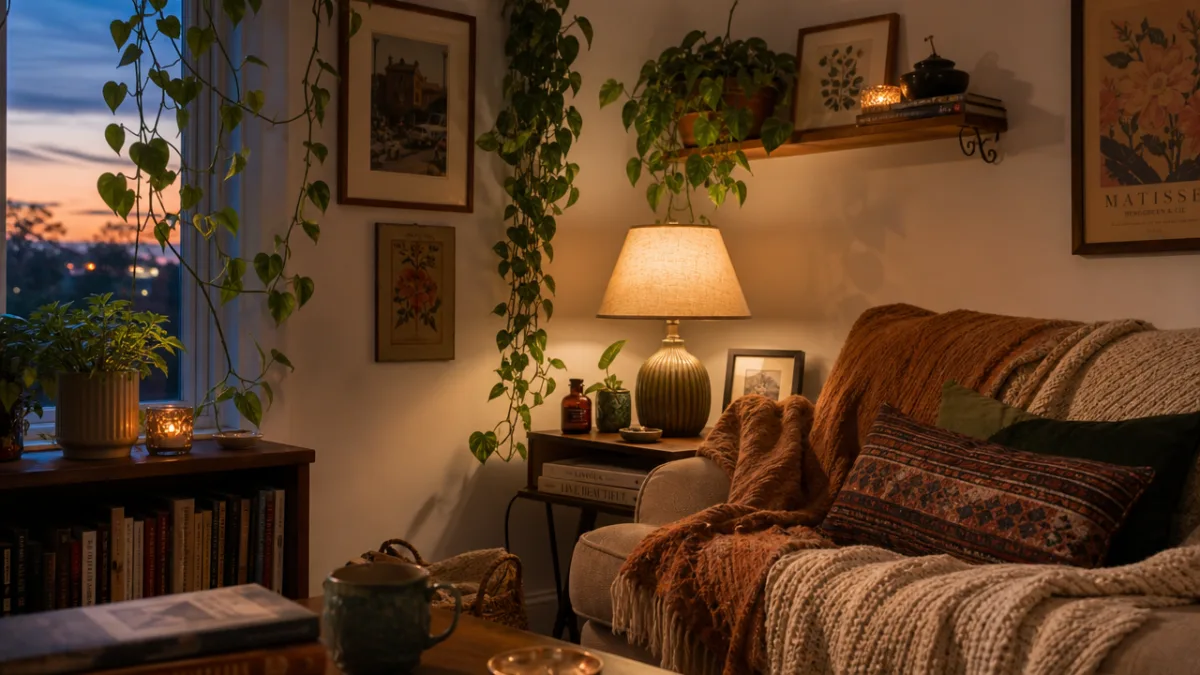
If there are three things that can transform a room more dramatically than almost anything else, it’s plants, textiles, and layered lighting. What’s great about all three is that they’re among the most affordable decorating tools out there, yet together they create warmth, dimension, and life in a way that no amount of expensive furniture can replicate on its own. A room that feels cold and sterile instantly softens when a trailing pothos hangs in a corner, a chunky knit throw is draped over the sofa, and a warm-toned lamp glows next to a stack of books on the side table.
Plants are especially powerful because they’re actually alive, and that living quality shifts the energy of a room in ways that are hard to put into words but easy to feel. On top of looking great, houseplants improve air quality, reduce stress, and bring a sense of care and intention to a space. Budget-wise, they’re also a fantastic deal. Many of the most forgiving and visually striking houseplants — pothos, snake plants, spider plants, ZZ plants, heartleaf philodendrons — run between five and twenty dollars at garden centers or hardware stores. Propagating cuttings from plants you already own multiplies your collection for free, and many plant communities host swaps where people trade cuttings at no cost at all.
Textiles are another area where a small investment goes a surprisingly long way. Swapping out throw pillows, adding a new area rug, hanging curtains, or tossing a blanket over a chair can completely change a room’s feel. Soft furnishings layer in color, pattern, texture, and scale in a way that feels intentional and collected. Curtains are especially worth highlighting: hanging panels from ceiling to floor, even in a room with relatively modest windows, creates an illusion of height and grandeur that makes any space feel bigger and more polished. Discount fabric stores, Amazon, and even repurposed bedsheets can all be great sources for affordable curtains that make a real impact.
Decluttering and Rearranging: The Truly Free Transformation
Before you spend a single dollar on anything new, it’s worth taking an honest look at what you already own and asking whether the real issue isn’t a lack of stuff — but too much of it. Clutter is one of the biggest visual disruptors in any space. It makes rooms feel smaller, darker, more chaotic, and less like you than they actually are. A real decluttering session takes effort and a bit of emotional energy, but it’s the most effective zero-cost transformation available to any homeowner or renter. When you remove what isn’t working, what’s left finally has room to breathe and be properly appreciated.
Furniture arrangement is similarly underestimated as a free decorating tool. Most people default to pushing everything against the walls, assuming it’ll make the room feel bigger — but interior designers will tell you that’s usually the wrong instinct. Floating furniture away from the walls, pulling a sofa forward, angling chairs toward a focal point, positioning a bed away from the corner — these moves create a sense of purposeful composition that actually makes rooms feel both larger and more sophisticated. Before buying anything new, try rearranging what you have. You might find that the living room you’ve been dreaming about was already possible with the furniture you own, just set up differently.
Editing what you display is another technique that costs absolutely nothing. “Shopping your own home” means moving decorative objects between rooms and experimenting with new arrangements using things you already have. A vase that’s been sitting forgotten in a bedroom might be exactly the right piece for the entryway. Artwork that felt lost on a large wall might make a much stronger statement in a small powder room. Candleholders that seemed mismatched on their own might look great grouped together on a tray. Learning to look at your own belongings with fresh eyes is a skill that keeps on giving — no shopping trip required.
Creating a Cohesive Look Without a Designer’s Budget
One of the most common mistakes budget decorators make is buying whatever’s on sale without a clear sense of how the pieces will actually work together. The result tends to feel random and accidental rather than curated — regardless of how much or how little was spent. Creating a cohesive look doesn’t require a design consultation or fancy software. It just means making a few key decisions upfront and using them as a filter for every purchase and project going forward. Those decisions are: your color palette, your dominant style or aesthetic, and your primary materials or textures.
A solid color palette of three to five colors — a dominant neutral, one or two supporting tones, and an accent — creates automatic visual harmony across a space, even when individual pieces come from completely different sources and price points. When the pillow you found at the thrift store, the canvas art you painted last weekend, and the clearance rug you ordered online all share the same general color family, they feel like they belong together. This is the same trick professional interior designers use, and it works just as well at home with zero training and zero budget.
And finally — a truly beautiful home is never really finished. It grows slowly over time, picking up pieces that carry meaning, tell stories, and reflect the people who actually live there. For budget decorators, that’s actually great news, because it means there’s no pressure to do everything at once. Give yourself permission to build your space gradually, adding one thoughtful piece at a time instead of rushing to fill every surface with whatever’s available right now. Patience is one of the most underrated decorating virtues there is. The homes that feel the most alive, the most personal, and the most beautiful are almost never the ones put together in a single weekend shopping spree — they’re the ones that have grown slowly, lovingly, and wisely over time.








What do you think?
It is nice to know your opinion. Leave a comment.