










8 Home Remedies for Abscess Teeth: Natural Relief and What You Need to Know
Understanding Tooth Abscesses: What Is Happening in Your Mouth
A tooth abscess is a painful pocket of pus caused by a bacterial infection that can develop in different areas around a tooth. It typically originates from untreated tooth decay, a cracked tooth, or advanced gum disease that allows bacteria to enter the dental pulp — the soft inner tissue of the tooth containing nerves and blood vessels. The infection causes the body to send white blood cells to fight the bacteria, and the resulting collection of dead tissue, bacteria, and white blood cells forms the abscess. Understanding the nature of this condition is the first step toward managing the pain and protecting your long-term oral health.
There are three primary types of tooth abscesses: periapical abscesses, which form at the tip of the tooth root; periodontal abscesses, which form in the gums next to a tooth root; and gingival abscesses, which form in the gum tissue alone. Each type has slightly different causes and presentations, but all share the hallmark symptoms of throbbing pain, swelling, sensitivity to temperature, and sometimes fever or swollen lymph nodes. Recognizing which type you may have can help guide how you approach relief at home and how urgently you need to seek professional care.
It is critically important to understand that home remedies for an abscessed tooth are not cures. They are temporary measures designed to manage discomfort and potentially slow bacterial spread while you arrange professional dental treatment. A dental abscess is a serious infection that will not resolve on its own without professional intervention such as drainage, a root canal, or in some cases tooth extraction. Delaying treatment can allow the infection to spread to the jaw, neck, or even the brain — a life-threatening complication. Use these home remedies only as a bridge to proper dental care, never as a substitute.
Saltwater Rinse: The Classic and Most Accessible Remedy
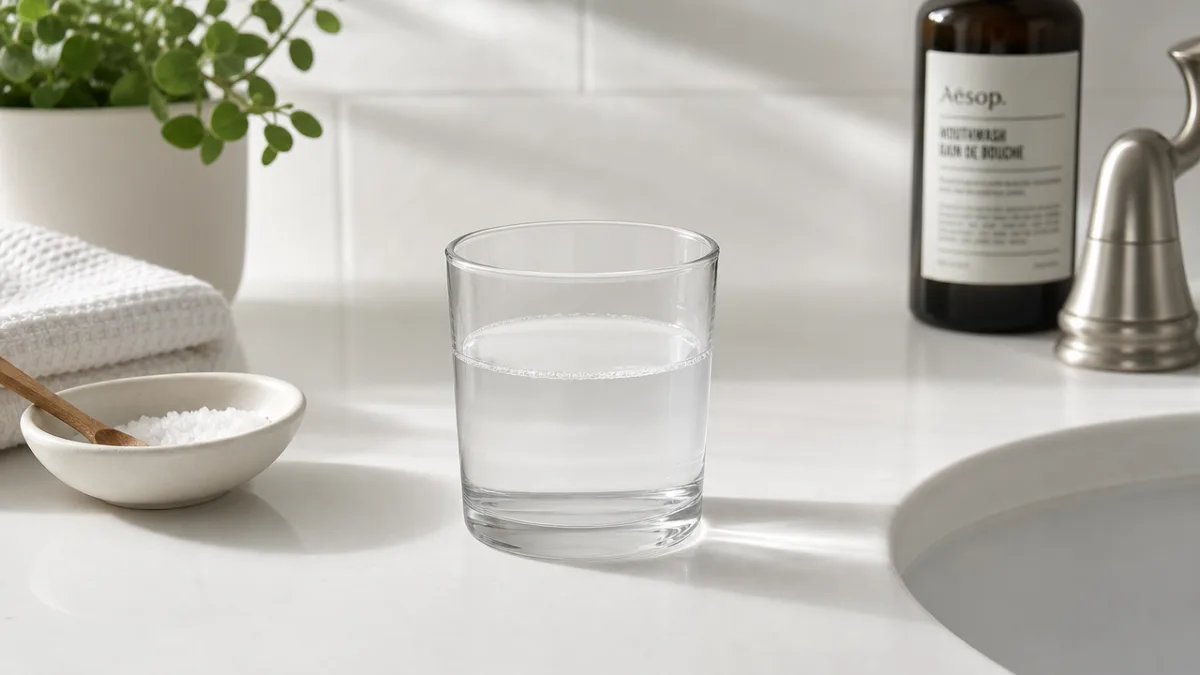
One of the oldest and most widely recommended home remedies for oral infections is a warm saltwater rinse, and for good reason — it genuinely works to provide a degree of relief and mild antibacterial benefit. Salt, or sodium chloride, creates a hypertonic environment in the mouth that draws fluid out of swollen tissues through osmosis, which can help reduce swelling and discomfort around an abscessed area. It also helps to flush away food debris and bacteria from around the affected tooth and gums, keeping the area cleaner and reducing the conditions that allow bacterial populations to thrive.
To prepare a saltwater rinse, dissolve half a teaspoon of table salt in eight ounces of warm — not hot — water. Swish the solution gently around your mouth for about 30 seconds, paying particular attention to the affected area, then spit it out. Repeat this process two to three times per day or after meals for best results. The warmth of the water also provides a soothing effect on inflamed tissues and can encourage mild circulation in the area. Avoid swallowing the saltwater, as ingesting large amounts of salt can be harmful, particularly for individuals with high blood pressure or kidney conditions.
While a saltwater rinse will not eliminate the infection causing the abscess, clinical research and dental professionals consistently support its use as part of basic oral hygiene during an infection. It is safe, inexpensive, and available to virtually everyone. Many people find that rinsing with saltwater before bed helps reduce overnight discomfort by clearing away bacteria that accumulate during the day. Combined with other home remedies and over-the-counter pain relievers, a saltwater rinse can make a meaningful difference in day-to-day comfort while you await your dental appointment.
Garlic: Nature’s Antibiotic for Oral Infections
Garlic has been used medicinally for thousands of years across many cultures, and modern science has confirmed that its active compound — allicin — possesses significant antimicrobial properties. Allicin is released when garlic is crushed or chopped and has been shown in laboratory studies to inhibit the growth of a wide range of bacteria, including some strains that are notoriously difficult to treat. For tooth abscesses, applying raw garlic directly to the affected area can help reduce the local bacterial load and may provide a mild numbing sensation that temporarily eases discomfort.
To use garlic as a home remedy, crush one or two fresh garlic cloves to form a paste. Apply this paste directly to the swollen or painful area of the gum and allow it to sit for a few minutes before rinsing your mouth thoroughly with water or a saltwater solution. Some people prefer to simply cut a clove in half and hold the cut surface against the affected gum. While the sharp, pungent flavor can be intense and even cause a slight burning sensation for some individuals, most people tolerate garlic application well for short periods. If you experience significant irritation or burning, remove the garlic and rinse immediately.
It is worth noting that while garlic’s antimicrobial effects are well-documented, the concentration of allicin delivered through direct topical application in a home setting may not be sufficient to address a serious bacterial infection like a dental abscess. Think of garlic as a supportive measure that works alongside your immune system rather than as a standalone treatment. People who take blood-thinning medications should also be aware that garlic has mild anticoagulant properties and may not be appropriate for topical use in significant quantities in those circumstances. As always, consult with a healthcare provider if you have any underlying medical conditions.
Clove Oil: A Time-Honored Dental Pain Reliever
Clove oil has a remarkably long history in dentistry, and its primary active compound — eugenol — is actually an ingredient in many professional dental products, including some temporary fillings and emergency cavity treatments. Eugenol acts as a natural analgesic and antiseptic, meaning it both numbs pain and kills bacteria on contact. For individuals experiencing the acute throbbing pain of a tooth abscess, clove oil applied carefully to the affected area can provide noticeable and relatively fast-acting temporary relief. It is one of the most pharmacologically well-supported home remedies for dental pain available without a prescription.
To apply clove oil safely, soak a small cotton ball or a piece of gauze with two to three drops of clove essential oil. Press the cotton ball gently against the painful gum tissue or alongside the affected tooth and hold it in place for several minutes. You can also mix clove oil with a neutral carrier oil such as coconut oil at a ratio of about one part clove oil to ten parts carrier oil, which reduces the intensity of the eugenol and makes it gentler on sensitive tissues. Avoid swallowing clove oil, and be careful not to apply undiluted clove oil directly to healthy gum tissue for extended periods, as it can cause irritation or even chemical burns if used improperly.
Clove oil is widely available at pharmacies, health food stores, and online retailers, making it an accessible option for most people. The numbing effect of eugenol can last from 20 minutes to several hours depending on concentration and individual response, providing meaningful windows of comfort during a painful infection. Some people also find it helpful to chew on a whole dried clove near the affected area, which releases a smaller amount of eugenol gradually over time. While clove oil is one of the more effective home remedies for symptom management, remember that numbing the pain does not address the underlying infection — it simply makes waiting for dental care more bearable.

Hydrogen Peroxide Rinse: Fighting Bacteria With Chemistry
Hydrogen peroxide is a mild antiseptic that has been used in wound care and oral health for over a century. When used as an oral rinse at the appropriate dilution, hydrogen peroxide releases oxygen bubbles that help disrupt bacterial cell walls, physically dislodge debris from around the gum line and tooth surface, and create an oxidizing environment that is hostile to the anaerobic bacteria commonly responsible for dental abscesses. Anaerobic bacteria — those that thrive in the absence of oxygen — are heavily involved in the development of periodontal disease and dental infections, which makes hydrogen peroxide a particularly logical choice for this type of oral infection.
To use hydrogen peroxide safely as a mouth rinse, mix equal parts of 3% hydrogen peroxide solution (the standard concentration available at most pharmacies) with water, creating a 1.5% solution. Swish this mixture gently in your mouth for about 30 seconds, then spit it out entirely. Do not swallow hydrogen peroxide under any circumstances, as ingestion can cause nausea, vomiting, and in larger amounts, more serious harm. Use this rinse no more than twice daily, as overuse can damage the soft tissues of the mouth or alter the natural balance of your oral microbiome. People with gum sensitivity may want to dilute the solution further until they find a comfortable concentration.
Some people notice a mild foaming or bubbling sensation when using a hydrogen peroxide rinse, which is completely normal and is simply the oxidation reaction taking place. This fizzing action is part of what makes hydrogen peroxide effective at cleaning around teeth and gums. Research published in dental and periodontal literature has supported the use of hydrogen peroxide rinses as an adjunct to professional care for managing gum-related infections, though it is not a replacement for antibiotics or dental procedures. If you notice increased pain, significant swelling in your face or neck, difficulty swallowing, or fever while using any home remedy, discontinue use and seek emergency dental or medical care immediately.
Oil Pulling, Cold Compresses, and Additional Supportive Measures
Oil pulling is an ancient Ayurvedic practice that involves swishing a tablespoon of oil — most commonly coconut oil — around your mouth for 15 to 20 minutes before spitting it out. Proponents of oil pulling claim that it draws toxins and bacteria out of the gums and teeth, and some small studies have suggested that coconut oil pulling may reduce the overall bacterial count in the mouth and decrease markers of gum inflammation. The lauric acid found in coconut oil has documented antimicrobial properties, and while oil pulling is unlikely to cure an abscess, it may help keep the surrounding oral environment cleaner and reduce secondary irritation while the primary infection is being treated through other means.
A cold compress applied to the outside of the cheek near the abscess can be a simple and effective way to reduce swelling and numb the area temporarily. Wrap a bag of ice or a cold pack in a thin towel and apply it to the affected cheek for 15 minutes on, then 15 minutes off. Cold therapy constricts blood vessels, which can help reduce the inflammatory response and slow the accumulation of fluid in swollen tissues. This is particularly useful for managing the external swelling that often accompanies a dental abscess and can make it easier to sleep or perform daily activities while waiting for treatment. Never apply ice directly to the skin, as this can cause frostbite.
Peppermint tea bags are another remedy worth mentioning. Allowing a used, cooled peppermint tea bag to rest against the affected gum can provide mild antibacterial and numbing effects courtesy of the menthol and tannins in the tea. Similarly, thyme essential oil — like clove oil — contains compounds with documented antimicrobial properties and can be diluted and applied topically for short-term relief. Over-the-counter pain relievers such as ibuprofen or acetaminophen are also important tools in managing abscess pain; ibuprofen is often preferred for dental pain because its anti-inflammatory action addresses one of the root causes of discomfort, not just the sensation of pain itself. Always follow dosage instructions carefully and consult a pharmacist or doctor if you have health conditions that limit your use of these medications.

When Home Remedies Are Not Enough: Knowing the Warning Signs
Understanding when to stop relying on home remedies and seek emergency care is perhaps the most important piece of information in this entire article. A dental abscess is a bacterial infection, and like all bacterial infections, it carries the risk of spreading to other parts of the body if left untreated for too long. Certain warning signs indicate that an abscess has become a medical emergency requiring immediate attention. These include rapidly increasing swelling in the face, jaw, or neck; difficulty swallowing or opening your mouth; fever above 101°F (38.3°C); difficulty breathing; and a general feeling of being severely unwell. These symptoms can indicate that the infection has begun to spread into the deeper tissues of the neck or even the bloodstream — a condition called sepsis.
Ludwig’s angina is a specific and dangerous complication of untreated dental abscesses in which the infection spreads to the floor of the mouth and the neck, potentially compromising the airway. It is a medical emergency requiring hospitalization, intravenous antibiotics, and sometimes surgical drainage. Though frightening, it is largely preventable through timely dental treatment. The key takeaway is that no home remedy — not saltwater, not garlic, not clove oil — can address a spreading bacterial infection in the way that antibiotics and professional dental drainage can. Home remedies are valuable for managing discomfort and buying time, but they should never be used to justify indefinite postponement of dental care.
If cost or access to dental care is a barrier, there are resources available in most areas that can help. Community dental clinics, dental schools, hospital emergency departments, and nonprofit dental assistance programs can all be avenues for obtaining care when cost is a concern. Some areas also have after-hours dental emergency lines that can provide guidance and prescriptions for antibiotics while a full appointment is arranged. Advocate for yourself and do not minimize the seriousness of a dental abscess — early treatment is always less complicated, less expensive, and less painful than treating an infection that has been allowed to progress. Your oral health is directly connected to your overall health, and a tooth abscess deserves prompt, professional attention.
Prevention: Stopping Abscesses Before They Start
The best remedy for a tooth abscess is never having one in the first place, and the good news is that the vast majority of dental abscesses are entirely preventable through consistent oral hygiene and regular dental care. Brushing your teeth at least twice daily with fluoride toothpaste, flossing once a day, and using an antiseptic mouthwash can dramatically reduce the bacterial populations in your mouth that lead to decay and gum disease — the two primary causes of dental abscesses. Paying attention to areas that are easy to miss, such as the back molars and the gum line, is especially important for long-term dental health.
Regular dental checkups and professional cleanings every six months allow a dentist to catch early signs of decay, gum disease, or cracked teeth before they progress to the point of causing an abscess. Professional cleaning removes hardened tartar from below the gum line — a substance that cannot be removed by brushing alone and that harbors the bacteria most responsible for periodontal disease. If a cavity is identified early, a simple filling can prevent the decay from reaching the pulp of the tooth and triggering the infection cascade that leads to an abscess. Addressing dental anxiety, which is extremely common, is also an important part of maintaining regular dental visits; many dental offices now offer sedation options or other accommodations for anxious patients.
Diet plays a meaningful role in dental health as well. Reducing your intake of sugary and acidic foods and beverages limits the fuel available to the cavity-causing bacteria in your mouth. Drinking plenty of water, particularly fluoridated tap water where available, helps rinse away food particles and provides a low-level but continuous source of fluoride to strengthen tooth enamel. If you grind your teeth at night — a condition called bruxism — speak with your dentist about a custom night guard, as grinding can cause microscopic cracks in teeth that serve as entry points for bacteria. Taking a proactive, preventive approach to dental health is far more comfortable and cost-effective in the long run than managing the pain and complications of a tooth abscess.








What do you think?
It is nice to know your opinion. Leave a comment.