










29 Stunning DIY Wind Chimes That Will Add Magic To Your Garden
The Timeless Charm of Wind Chimes in Outdoor Spaces
Wind chimes have graced gardens, porches, and outdoor sanctuaries for thousands of years, originating in ancient Southeast Asia and China where they were believed to ward off evil spirits and invite good fortune. Today, their appeal has only grown stronger, blending the aesthetic beauty of handcrafted art with the soothing, meditative quality of natural sound. Whether you live in a sprawling countryside home or a cozy urban apartment with a small balcony, a well-placed wind chime transforms any outdoor space into something that feels genuinely alive and intentional.
The modern DIY movement has breathed remarkable new life into the art of wind chime making. Crafters and gardeners around the world are discovering that you do not need expensive materials or professional tools to create something truly stunning. From salvaged seashells gathered during a beach vacation to copper pipes cut from hardware store supplies, the materials available to today’s home crafter are astonishingly diverse. This democratization of craft means that your wind chime can be deeply personal, reflecting your aesthetic sensibility, your memories, and your relationship with the natural world around you.
Beyond aesthetics, there is genuine therapeutic value in creating something with your own hands. The process of designing, assembling, and hanging a wind chime encourages mindfulness and patience, skills that feel increasingly valuable in a fast-paced modern life. Many crafters report that the act of making a wind chime becomes meditative in itself, a welcome counterpoint to screen time and digital distraction. And when the finished piece catches the breeze and fills your garden with music, the sense of pride and satisfaction is simply unmatched by anything you could purchase at a store.
Why Handmade Beats Store-Bought Every Time
When you purchase a wind chime from a mass-market retailer, you receive a product designed for the widest possible audience, built from the least expensive materials available, and stripped of any personal meaning. Handmade wind chimes, by contrast, carry the fingerprints of their maker in every knot, every bead, and every carefully chosen element. That distinctiveness is not a minor detail — it is the entire point. A garden that reflects your personality is a garden that genuinely feels like yours, and handmade decorations are one of the most powerful ways to achieve that sense of ownership and authenticity.
Handmade wind chimes also tend to be far more durable than their commercial counterparts when crafted with care and appropriate materials. Commercial options often use thin, easily corroded metals and flimsy nylon cords that degrade within a single season. A DIY chime built with marine-grade cord, copper tubing, and weatherproof adhesive can easily last five to ten years with minimal maintenance. You control every material choice, meaning you can optimize for longevity, sound quality, weather resistance, or visual appeal — or all four simultaneously.
There is also the economic advantage to consider. A high-quality decorative wind chime at a garden center or home décor boutique can easily cost between thirty and one hundred dollars, sometimes more for artisan pieces. By contrast, most DIY wind chime projects can be completed for five to twenty dollars in materials, with many designs relying entirely on items you already have at home or can gather for free in nature. That savings becomes especially meaningful when you want to create multiple chimes throughout your garden or give them as thoughtful, personalized gifts.
Essential Materials and Tools for Wind Chime Making
Before diving into specific project ideas, it helps to understand the fundamental anatomy of a wind chime and the materials most commonly used across different styles. Every wind chime shares the same basic structure: a top mounting piece or platform, a series of hanging elements that produce sound or visual interest, and a clapper or striker that moves in the breeze to create contact between the hanging pieces. Understanding these three components helps you approach any design — no matter how unusual or creative — with confidence and a clear plan of action.
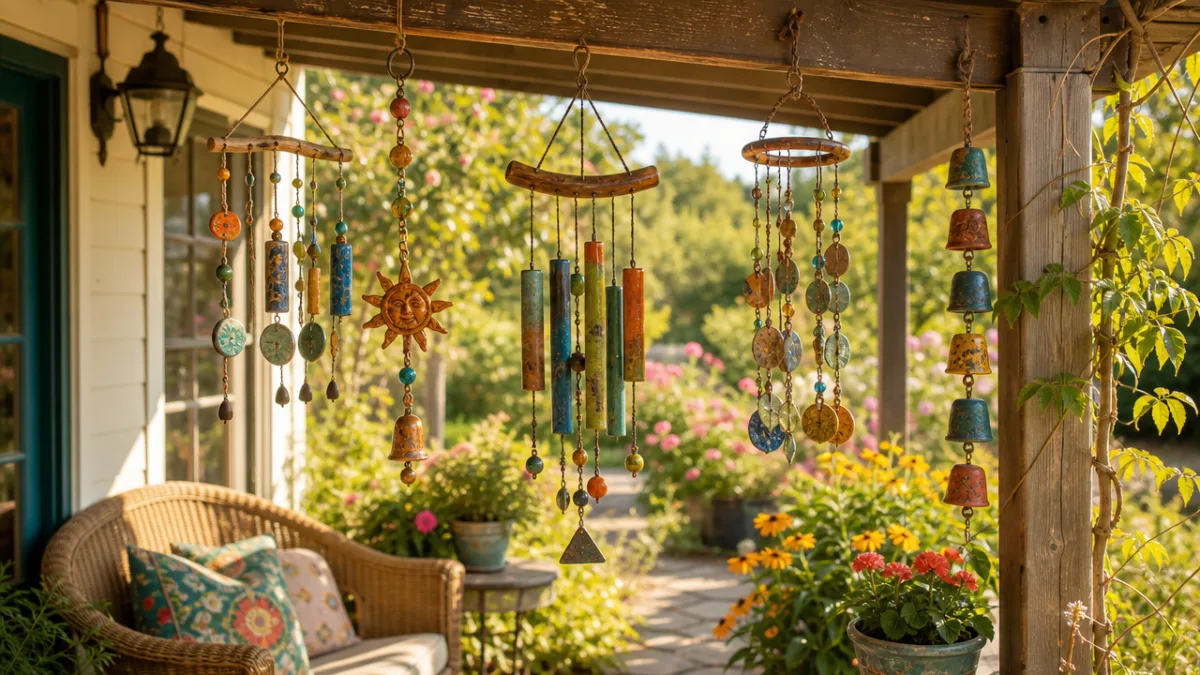
The mounting platform is often overlooked in favor of the flashier hanging elements, but it deserves serious attention because it bears the weight of the entire structure and must withstand outdoor conditions year-round. Popular choices include driftwood pieces, sections of reclaimed lumber, embroidery hoops wrapped in weather-resistant twine, ceramic discs fired with drainage holes, and even repurposed metal lids from mason jars or tin cans. The key qualities to look for are strength, weather resistance, and enough surface area to space out your hanging elements without crowding.
Cord and wire selection is another critical decision that significantly affects both the sound and the longevity of your chime. For most outdoor applications, nylon fishing line offers an excellent combination of strength, near-invisibility, and weather resistance. However, natural fiber cords like jute or hemp create a warm, organic look that pairs beautifully with nature-based designs using wood, shells, or stones. Copper wire is an elegant choice for more structured, architectural designs, adding a warm metallic gleam that develops a beautiful patina over time. Whichever material you choose, always test it for UV resistance if it will be exposed to direct sunlight.
Sound Science: Getting the Tone Just Right
One of the most fascinating aspects of wind chime design is the acoustic dimension, and understanding even a little about sound physics can dramatically improve the musical quality of your finished piece. The pitch produced by a hanging element — whether it is a metal tube, a piece of bamboo, or a ceramic shard — is determined primarily by its length and mass. Longer, heavier elements produce lower, deeper tones, while shorter, lighter elements ring at higher, brighter frequencies. By deliberately varying the lengths of your chime elements, you can create harmonious chord-like combinations that are genuinely pleasing to the ear rather than randomly clanging.
For metal tube chimes specifically, there is a well-established mathematical relationship between tube length and musical note. Many experienced chime makers use online calculators or simple formulas to cut their copper or aluminum tubing to lengths that correspond to specific musical scales, such as the pentatonic scale, which is particularly forgiving and harmonious because almost any combination of its notes sounds pleasant together. Even without precise calculation, cutting tubes in ratios of roughly 1:1.2:1.4:1.6 tends to produce a naturally harmonious sound that most people find soothing and musical.
Non-metallic materials like bamboo, ceramic, glass, and stone each have their own distinctive acoustic signatures that no metal can fully replicate. Bamboo produces a soft, hollow, woody knock that many people associate with Zen gardens and tropical landscapes. Ceramic and porcelain shards ring with a delicate, bell-like clarity that has a slightly unpredictable quality — no two pieces sound exactly alike, giving the finished chime a uniquely organic voice. Tumbled sea glass produces the quietest of all tones, a gentle tapping that works best in sheltered spots where even subtle sounds can be appreciated in calm weather.
Sourcing Materials Sustainably and Affordably
One of the most rewarding aspects of wind chime making is the treasure-hunt quality of material sourcing. Thrift stores, estate sales, and flea markets are goldmines for small ceramic items, old silverware, vintage keys, broken jewelry, and glass beads — all of which can be transformed into beautiful chime elements. Hardware stores stock copper and aluminum tubing at surprisingly modest prices, and the staff in plumbing departments can often help you identify the right diameter and wall thickness for your project without any prior experience on your part.
Nature itself is an inexhaustible supply of wind chime materials for those willing to look and gather thoughtfully. Beaches offer shells, sea glass, and smooth pebbles. Forests provide interesting pieces of fallen wood, pine cones, and seed pods. Even urban environments yield interesting found objects — washers, bolts, interesting pieces of broken tile, or fragments of stained glass from renovation projects. The only caution with natural materials is to ensure that anything you gather has been cleaned, dried thoroughly, and where necessary sealed with an appropriate outdoor varnish or sealant to prevent rapid deterioration.
- Copper tubing — Available at hardware stores, easy to cut with a pipe cutter, develops beautiful patina over time, and produces rich, resonant tones with excellent sustain.
- Bamboo — Lightweight, naturally weather-resistant when sealed, produces distinctive wooden tones, and can often be sourced for free from overgrown garden clumps.
- Seashells — Gathered from beaches or purchased inexpensively in craft stores, drill easily with a small bit, and create a breezy coastal atmosphere.
- Recycled silverware — Thrift store finds that can be bent, drilled, and strung to create charming vintage-style chimes with a clear, musical ring.
- Sea glass and mosaic tiles — Add brilliant color and interesting visual texture while producing soft, gentle tapping sounds ideal for quiet garden corners.
- Driftwood — A naturally sculptural mounting platform that adds instant organic character and pairs well with shells, stones, and other coastal elements.

12 of the Most Creative DIY Wind Chime Ideas
Now we arrive at the heart of the matter — the project ideas themselves. The following selection spans a wide range of skill levels, budgets, and aesthetic preferences, so whether you are a complete beginner picking up a craft for the first time or an experienced maker looking for your next challenging project, there is something here to spark your imagination. Each concept can be adapted, scaled, and personalized in dozens of ways, so treat these descriptions as starting points rather than rigid instructions. The best wind chime you ever make will almost certainly be one that you have made distinctly, unmistakably your own.
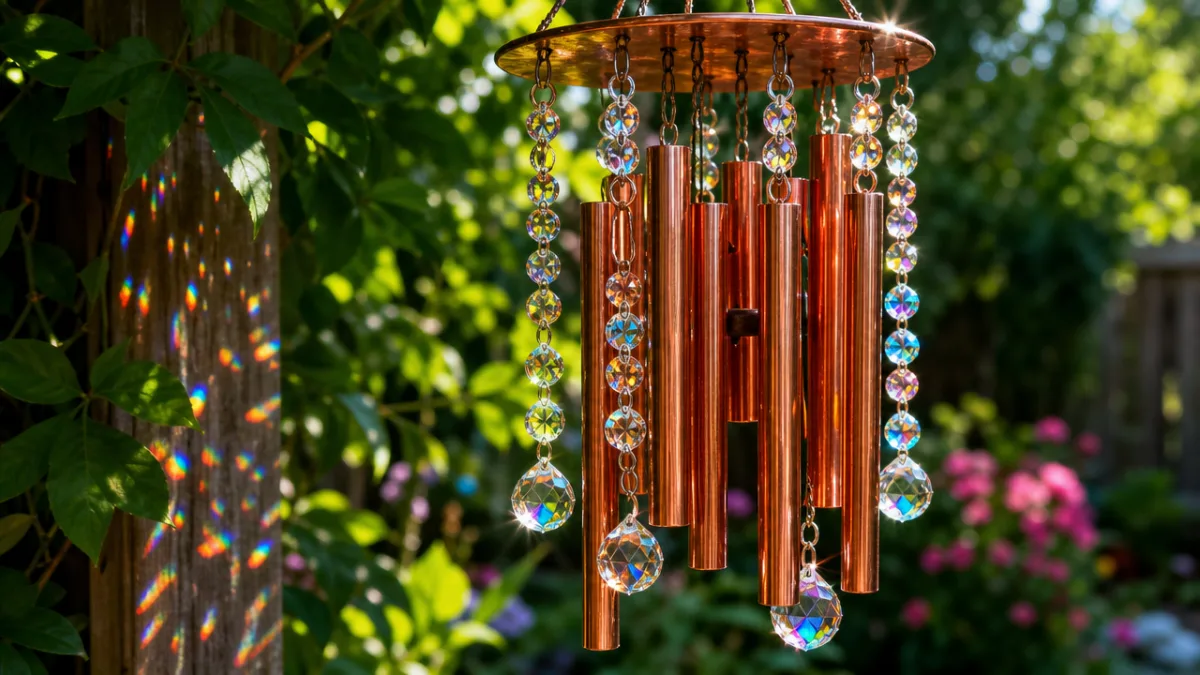
The most viral of all the ideas in our collection — number twelve — is the copper pipe and crystal wind chime, and it deserves its reputation entirely. The concept involves cutting copper pipes to musically harmonious lengths, polishing them to a mirror shine, and suspending small faceted crystal beads between each pipe so that sunlight passing through the garden catches both the warm glow of the copper and the prismatic rainbow thrown by the crystals. On a sunny afternoon, this chime does not merely make music — it paints your garden walls and surrounding foliage in constantly shifting colored light, creating an effect that is genuinely breathtaking and almost impossibly beautiful for a project that costs under twenty dollars to complete.
Beyond the copper-and-crystal showstopper, the list includes equally compelling designs rooted in different materials and moods. The driftwood and shell chime channels a relaxed coastal energy perfect for summer patios. The vintage silverware chime transforms thrift store cutlery into something elegant and witty. The bamboo garden chime brings a quiet Zen sensibility to meditation corners and shaded seating areas. The recycled wine bottle chime, made from necks cut from green and brown glass bottles, produces a haunting, resonant tone that is unlike anything else you will hear in a garden. Each project opens a different creative door, and many crafters find that making one chime leads immediately to imagining the next.
Step-by-Step: The Copper Pipe Wind Chime (Project #12)
To create the copper pipe and crystal chime that has captivated so many crafters online, begin by purchasing a length of half-inch copper tubing from your local hardware store — a single ten-foot length is typically enough for a complete chime set. Using a simple pipe cutter, which costs only a few dollars and requires no experience to operate, cut six tubes at the following approximate lengths: eleven inches, ten inches, nine inches, eight inches, seven inches, and six inches. These proportions will not produce perfectly calibrated musical notes, but they will create a pleasingly varied range of tones that blend harmoniously when struck together in the breeze.
After cutting, use fine steel wool or sandpaper to smooth any rough edges at the cut ends, then optionally polish the tubes with metal polish for a brilliant shine. Drill a small hole through each tube approximately half an inch from the top, thread a length of nylon fishing line through each hole, and tie it securely. Next, measure and cut a circular piece of weatherproof plywood or purchase a thick wooden craft ring to serve as your mounting platform. Space your tubes evenly around the platform, with the longest at the outside and the shortest toward the center, and hang a small cluster of faceted acrylic or glass crystal beads between each tube as both decoration and additional light catcher.
For the clapper — the central hanging piece that strikes the tubes to produce sound — a small wooden disc or a flat piece of copper cut into a decorative shape works beautifully. Hang it from the center of your platform on a slightly longer cord than your tubes so that it swings freely and makes contact with the inner tubes in a gentle breeze. Finally, add a strong screw hook to the top of your platform, weatherproof all wooden surfaces with an outdoor sealant, and hang your finished chime in a spot that receives regular, gentle air movement. The result is a piece of garden art that rewards every glance with something new to notice.
Design Themes and Aesthetic Directions
One of the most exciting decisions in any wind chime project is choosing an overarching aesthetic theme that ties all the elements together into a coherent visual statement. Without a guiding theme, even beautiful individual components can feel random and disconnected when assembled. With a clear theme, even humble materials like painted sticks and hardware store nuts can achieve a sophisticated, gallery-worthy result. The theme you choose should ideally reflect something about the space where the chime will hang — its architectural style, its planting palette, or the mood you most want that corner of the garden to evoke.
Coastal and beach themes remain perennially popular and for good reason — the combination of shells, driftwood, sea glass, and natural rope creates an effortlessly beautiful aesthetic that works in almost any outdoor setting, not just beachside homes. Bohemian and eclectic themes offer the freest creative territory, mixing beads, feathers, macramé cord, crystals, and mismatched vintage finds into maximalist celebrations of color and texture. Japanese Zen themes favor simplicity and restraint, using bamboo, smooth river stones, and natural fiber cord to create chimes that feel deeply peaceful and intentional. Rustic farmhouse themes embrace aged metal, reclaimed wood, and muted tones for a chime that looks as though it has always belonged in a heritage garden.
For those who want their wind chime to serve as a memorial or a tribute, sentimental themes offer a deeply moving direction. A chime made from a loved one’s old keys, costume jewelry, or small personal mementos creates a living tribute that moves and makes music in the garden — an ongoing, dynamic memorial that feels far more alive than anything static. Similarly, chimes made to celebrate milestones like a child’s birth, a wedding, or a new home can incorporate symbolic elements: birthstones, meaningful colors, or small charms that tell a story. These sentimental chimes often become the most treasured objects in a garden, objects that visitors immediately notice and ask about with genuine curiosity.
Color Theory for Visual Impact
Even wind chimes that produce no distinctive sound can be visually arresting garden features when designed with color in mind. Understanding a few basic principles of color theory helps you make deliberate choices that enhance rather than clash with your existing garden palette. Analogous color schemes — those that use colors adjacent to each other on the color wheel, such as blues and greens, or reds and oranges — create a harmonious, calming visual effect that blends naturally with garden foliage. Complementary color schemes — pairing colors directly opposite each other on the wheel, such as purple and yellow or blue and orange — create vibrant, energetic contrast that makes a chime pop dramatically against a neutral backdrop.
The color of your garden backdrop matters enormously when planning a chime’s palette. Against a weathered wooden fence or stone wall, warm copper tones and earthy terracotta beads create a unified, organic composition. Against lush green foliage, bright white shells or clear crystal elements create the most striking visual contrast. Against a painted wall — particularly popular in Mediterranean and Spanish Colonial garden styles — bold primary colors or intricate mosaic tile elements can create genuinely spectacular focal points that anchor the entire garden design. Taking a photograph of your intended hanging location before you begin shopping for materials is a simple but highly effective way to plan your color palette with confidence.
- Choose a dominant color that appears in at least sixty percent of your chime elements — this creates visual coherence and prevents the finished piece from looking scattered.
- Add an accent color that appears in roughly thirty percent of elements to provide interest and variation without undermining the dominant palette.
- Include a neutral — natural wood, clear glass, raw copper, or unbleached cord — that bridges your chosen colors and prevents the composition from feeling too busy or overwhelming.
- Consider seasonal variation by choosing colors that will look beautiful against both the lush green of summer and the bare branches and golden tones of autumn and winter.
- Test your palette outdoors before committing — colors behave very differently in bright sunlight than they appear under artificial indoor lighting, so always view your chosen materials in natural light before finalizing your design.
Hanging, Maintenance, and Long-Term Care
Even the most beautifully crafted wind chime will underperform or deteriorate prematurely if hung in the wrong location or neglected over time. Choosing the right hanging spot involves balancing several competing factors: you want enough air movement to activate the chime regularly, but not so much turbulent wind that the chime is constantly thrashing and tangling. You want the chime to be visible and audible from your main outdoor seating or gathering area, but not so close to windows or bedrooms that the sound becomes an intrusion at night. You want the hanging point to be structurally solid enough to bear the weight reliably through storms and high winds.
The ideal location for most wind chimes is a porch, pergola, or garden arbor that provides partial shelter from the strongest weather while still allowing consistent, gentle breezes to flow through. Under a tree canopy can also work beautifully, with the added bonus of dappled light playing across the chime elements throughout the day, but be aware that sap, bird droppings, and falling debris will require more frequent cleaning. Completely exposed locations — atop a fence post or from a shepherd’s hook in the middle of a garden bed — expose the chime to the full force of storms and accelerate wear on all materials, particularly cords and any painted surfaces.
Annual maintenance keeps your handmade chime looking and sounding its best for many years. At the start of each outdoor season, inspect all cords and replace any that show signs of fraying, UV degradation, or weakening at the knot points — this is the most common point of failure and the easiest to address proactively. Clean metal elements with a mild soap solution and a soft cloth, rinse thoroughly, and allow to dry completely before rehanging. Wooden elements benefit from a fresh coat of outdoor sealant every one to two years depending on your climate. Shells and stones generally require nothing more than a rinse to restore their natural beauty, while ceramic elements may benefit from an occasional wipe with lemon oil to maintain their luster.
Making Wind Chimes as Gifts and for Community Spaces
Handmade wind chimes have become one of the most beloved gift categories in the maker community, and with good reason. Unlike many handmade gifts that recipients feel obligated to display indoors, wind chimes belong outside where they will be noticed, enjoyed, and admired by visitors — a constant, gentle reminder of the person who made them. For housewarming gifts, a chime tailored to the colors and style of the recipient’s new home shows a level of thoughtfulness and personalization that no store-bought present can match. For memorial gifts, a chime made with meaningful materials provides comfort and a sense of ongoing presence that many grieving families find genuinely healing.
Community gardens, school gardens, hospice facilities, and care home gardens are all spaces that benefit enormously from wind chimes, and crafting chimes for these settings can be a deeply rewarding community project. Many schools and community centers host wind chime making workshops as fundraisers or team-building activities, providing participants with the materials and basic instruction needed to create their own piece to take home. These workshops are particularly effective as intergenerational activities, bringing together children and older adults in a shared creative endeavor that requires no prior experience and produces something immediately beautiful and personally meaningful for everyone involved.
If you find that wind chime making has become a genuine passion rather than a one-off project, consider the possibility of selling your creations. Platforms like Etsy have thriving markets for handmade garden décor, and well-photographed, thoughtfully described chimes in distinctive styles can command prices that comfortably compensate your time and materials while remaining attractive to buyers who understand and value handmade quality. Local farmers’ markets, garden shows, and craft fairs are equally promising sales venues, with the added benefit of allowing potential customers to hear your chimes in person — arguably the most persuasive sales tool available for a product whose primary appeal is acoustic as much as visual.








What do you think?
It is nice to know your opinion. Leave a comment.