










Transform Your Home Garden: Essential Tips for a Thriving Outdoor Space
Understanding Your Garden’s Potential
Every garden has more going for it than most people realize. Whether you’re working with a big backyard, a small city plot, or a handful of raised beds, getting to know your space is where everything starts. Watch how sunlight moves across the yard at different times of day, notice where puddles form after rain, and take note of the spots that always seem to dry out quickly. This kind of observation might feel like you’re just standing around doing nothing — but honestly, it’s the most useful thing you can do before you put a single plant in the ground.
Your soil is really the heart of the whole operation, and it’s something a surprising number of gardeners overlook. Before you do anything else, think about sending a soil sample to your local cooperative extension office or picking up a home testing kit. You’ll find out your soil’s pH, its nutrient levels, and how much organic matter is in there. That information lets you fix actual problems instead of just guessing — which saves you money and a lot of headaches down the line.
Knowing your climate zone matters just as much. The USDA Plant Hardiness Zone Map breaks North America into zones based on average minimum winter temperatures, and most plant tags reference those zones. But don’t stop there — pay attention to the microclimate right around your house too. A south-facing wall soaks up heat and can let you grow things that would normally struggle in your zone. A north-facing bed stays cooler and shadier, which is actually ideal for plants like ferns and hostas that like those conditions.
Soil Health and Preparation: Building from the Ground Up
Good soil isn’t just dirt — it’s a whole living world. Billions of microorganisms, fungi, earthworms, and other tiny creatures are all working together down there, breaking things down and making nutrients available to your plant roots. When you take care of your soil, you’re essentially building up a workforce that runs on its own, year-round, without you having to think much about it. The best thing you can do is add organic matter — compost, aged manure, leaf mold, cover crops — consistently and in good quantities. Plants grow noticeably better in soil like this.
Making your own compost is one of those habits that seems like a lot at first but quickly becomes second nature. All you really need is a mix of brown stuff — dried leaves, cardboard, straw — and green stuff like vegetable scraps, grass clippings, and fresh garden trimmings. A rough ratio of three parts brown to one part green by volume works well. Turn the pile every week or two so it gets some air, keep it about as moist as a wrung-out sponge, and in two to three months you’ll have rich, dark, crumbly compost that your garden beds will absolutely love.
Mulching is another one of those simple things that pays off way more than the effort you put in. Spread a two-to-four-inch layer of organic mulch — shredded leaves, wood chips, straw, pine needles — over your beds and you’re doing several things at once. It blocks sunlight so weed seeds can’t sprout. It keeps the soil from getting too hot in summer and too cold in winter. And as it slowly breaks down, it keeps improving the soil underneath. It’s one of those things where you really can’t overdo it.
Choosing the Right Plants for Your Space
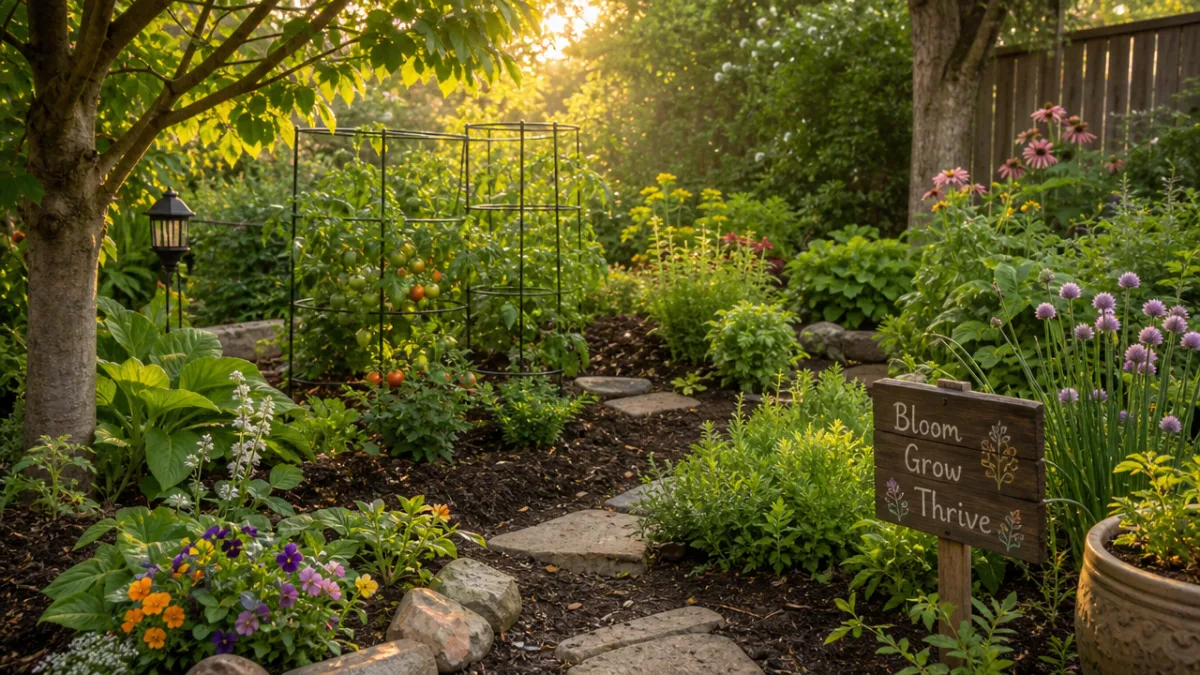
One of the biggest pitfalls for home gardeners is falling for a plant at the nursery without really thinking about whether it’ll actually work in your yard. A plant in the wrong spot needs constant babying — extra water, fertilizer, pest control — and still never really takes off no matter what you do. But when you pick a plant that genuinely suits where you’re putting it, something almost magical happens: it settles in fast, shrugs off pests and disease on its own, and just keeps giving you beautiful growth, flowers, or harvests season after season.
If you’re growing vegetables, succession planting is worth getting your head around early. Instead of sowing all your lettuce at once and then drowning in salad greens before they bolt, try planting small amounts every two to three weeks. You’ll get a steady stream of fresh, tender leaves all season long instead of one overwhelming glut. The same goes for radishes, beets, carrots, and other quick crops — staggering them out makes a huge difference.
Adding native plants to your garden might be the single smartest thing you can do for the long term. These plants evolved right alongside your local insects, birds, and other wildlife, so they provide exactly what those animals need to survive — the right food, nesting materials, and shelter. On top of that, they’re tough. Once they’re established, most natives don’t need extra watering or fertilizer, and they handle local weather swings far better than many non-native species. Even dedicating just a corner of your garden to regional natives is worth it.
- Look up plants native to your specific area using the Lady Bird Johnson Wildflower Center database or your state’s native plant society website — both are great starting points.
- Cluster plants with similar water needs together so you can water efficiently and keep your routine simple.
- Think about how big a plant will actually get, not just how cute it looks in the pot. That small shrub at the nursery might spread six feet wide within five years.
- Mix annuals and perennials so you get instant color from the annuals while the perennials take their time putting down roots in year one.
- Try to choose at least a few plants that look interesting in each season — spring bloomers, summer workhorses, fall color, and something that holds its structure through winter.
Watering Strategies That Conserve and Nourish
Water is everything in a garden, and the way you deliver it really does matter. Sprinklers and overhead watering with a hose wet the leaves, which can set off fungal problems like powdery mildew, black spot on roses, or early blight on tomatoes. Water hitting foliage in the middle of a hot day also evaporates before it ever gets a chance to reach the roots. It’s much better to water at soil level and aim moisture right at the root zone, where your plants can actually use it.
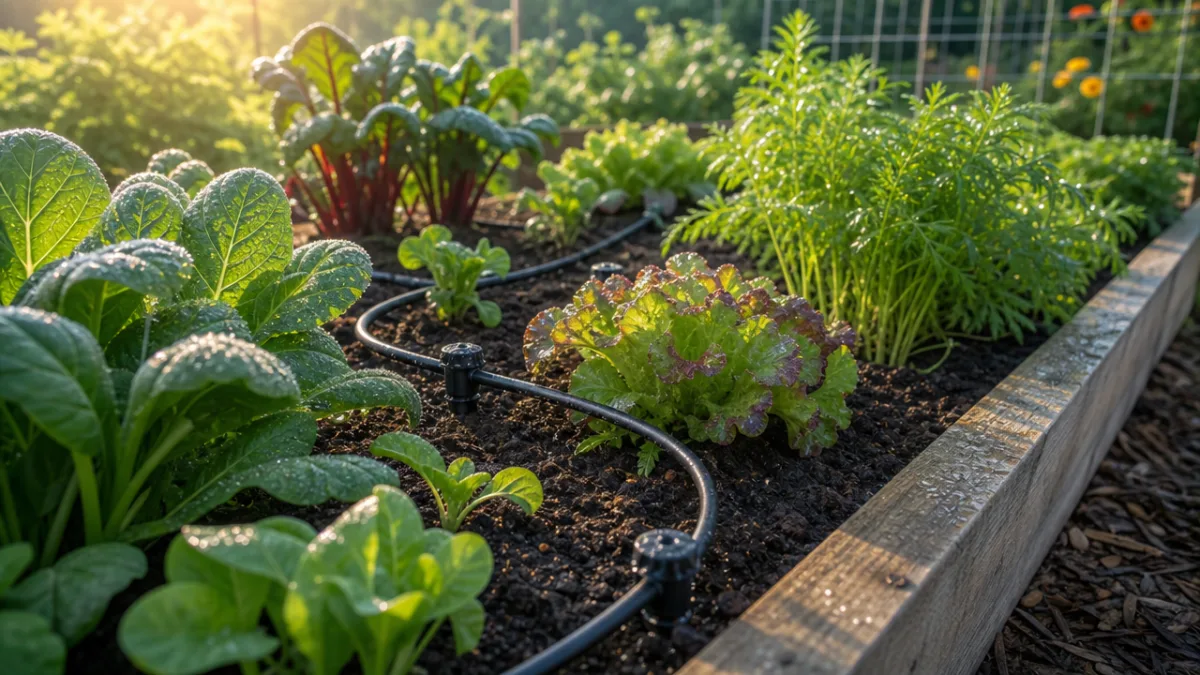
Drip irrigation is about as efficient as garden watering gets. The system uses flexible tubing with small emitters that slowly release water right at the base of each plant. Because water soaks in at a rate the soil can absorb — no runoff, no waste — drip systems typically use fifty to seventy percent less water than sprinklers and still produce better plant growth. Hook one up to a programmable timer and your watering basically takes care of itself, even when you’re out of town.
Collecting rainwater is a fantastic complement to whatever irrigation setup you’re using, and it cuts down on how much municipal water you go through. A simple rain barrel attached to a downspout can gather hundreds of gallons from a single good storm. Rainwater is naturally soft and slightly acidic, which is especially great for acid-loving plants like blueberries, azaleas, and hydrangeas. If you want to go bigger, larger cistern systems with pumps and filtration can collect enough to water an entire garden through long dry stretches.
Managing Pests and Diseases Naturally
A garden with a good variety of plants and plenty of habitat for beneficial insects is genuinely its own best pest control. When you’ve got ladybugs, lacewings, parasitic wasps, ground beetles, and spiders calling your garden home, they handle a lot of the pest pressure for you — feeding on aphids, caterpillars, thrips, whiteflies, and more. The key is encouraging these helpers by keeping your garden diverse and steering clear of broad-spectrum pesticides that knock out the good guys along with the bad.
Integrated Pest Management, or IPM, is a practical, science-based approach built around prevention first and intervention only when it’s actually needed. The starting point is always correct identification — treating for the wrong pest wastes time and money and usually doesn’t work anyway. From there, you look at how bad the problem actually is and work through your options in order: cultural changes, physical barriers, biological controls, and then, only as a last resort, the most targeted and least toxic pesticide that will get the job done.
A lot of the most effective pest management tools are also the most straightforward. Lightweight floating row covers create a physical barrier that insects simply can’t get through — great for protecting brassicas from cabbage worms or squash from vine borers. Yellow sticky traps catch fungus gnats, whiteflies, and other flying pests before populations get out of hand. A firm spray of water from the hose can knock aphid colonies right off tender new growth. And while handpicking tomato hornworms or squash bugs and their egg masses is a bit tedious, it works really well in a smaller garden.
- Start each season by clearing out old plant debris — stems, fallen fruit, anything where overwintering pests or disease spores like to hide.
- Rotate your vegetable crops to different beds each year to break the pest and disease cycles that build up when the same plants grow in the same spot repeatedly.
- Use companion planting to your advantage — basil near tomatoes, nasturtiums to lure aphids away from other plants, and marigolds scattered through the veggie garden.
- Walk through your garden at least twice a week during the growing season and check both sides of leaves, since that’s where pests tend to congregate.
- Keep a simple garden journal noting what pest or disease issues you run into each year — it’s surprisingly useful for planning ahead in future seasons.
Seasonal Maintenance for Year-Round Garden Success
A great garden doesn’t just happen — it’s built through consistent attention spread across all four seasons. Once you understand the natural rhythm of your garden through the year, you can work with it rather than against it, and everything gets a little easier and more satisfying. Spring is about preparation and planting as the soil warms up and growth kicks into gear. Summer is when you stay on top of watering, watch for pests, and keep up with harvesting. Autumn is for cleanup, planting spring bulbs, and the satisfying process of wrapping things up before winter.
Pruning is probably the most misunderstood task in the garden. When it’s done right and at the right time, it genuinely helps — removing dead or diseased wood, opening up the plant so air can move through it, and encouraging fresh, vigorous growth. Done wrong, especially at the wrong time of year, you can accidentally cut off next season’s flower buds, weaken the plant, or create wounds at a time when the plant can’t heal well. A good rule of thumb: prune spring-blooming shrubs right after they finish flowering, and prune summer-blooming ones in late winter or early spring before new growth starts pushing out.
Winter gets written off as the dead season, but for a gardener it’s actually one of the most useful times of year. With everything stripped back to bare structure, you can see your garden layout clearly and think about what you’d change — without summer’s lush growth getting in the way. Flip through seed catalogs, sketch out new bed ideas, research plants you’ve been curious about, and get your orders in early. Sharpen your tools, fix anything that’s broken, and get your shed or storage space organized. Gardeners who use winter this way tend to hit spring feeling genuinely ready and excited.
Maximizing Small Spaces with Vertical and Container Gardening
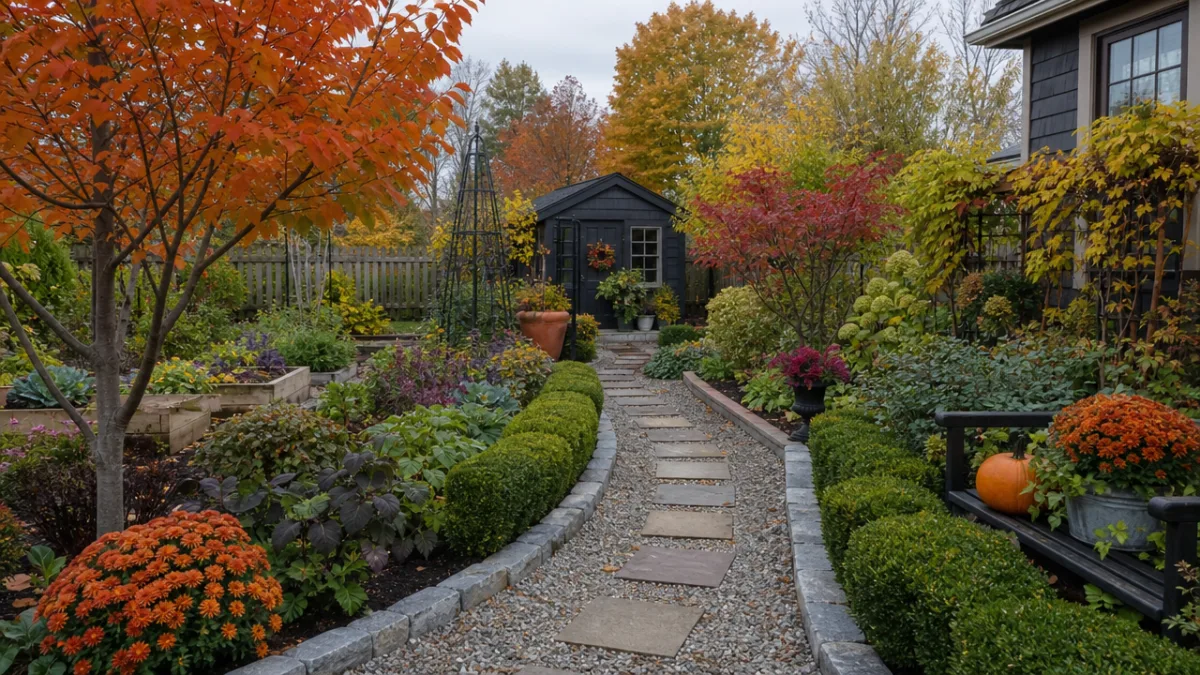
A small garden doesn’t have to mean a limited one. Growing vertically — up trellises, fences, arbors, and wall-mounted structures — opens up a whole extra dimension of growing space while also giving your garden more height and visual interest. Pole beans, cucumbers, and indeterminate tomatoes are actually easier to grow on vertical supports than sprawling across the ground, because you can see and reach the fruit much more easily. And ornamental climbers like clematis, climbing roses, and jasmine can turn a plain fence or bare wall into something genuinely beautiful.
Container gardening makes it possible to grow almost anywhere — balconies, patios, rooftops, driveways, anywhere you can’t dig into the ground. And it’s come a long way from a few terracotta pots of petunias. With the right containers and a good potting mix, you can grow real quantities of vegetables, dwarf fruit trees, blueberry bushes, and herbs in a compact setup that actually contributes meaningfully to what your household eats fresh. The main thing to get right is container size — bigger really is better, because larger volumes of soil hold moisture more evenly and give roots room to do their thing. Always use a quality potting mix rather than soil scooped from the garden.
Intensive planting methods, like those borrowed from the French Potager tradition and Square Foot Gardening, let you get a lot more out of a small space than you might expect. Instead of traditional long rows with bare paths in between, you pack plants in as close as their mature size allows, often in staggered triangular or hexagonal patterns, and follow every harvested crop immediately with a new planting before the season runs out. A four-by-eight-foot raised bed managed this way can easily out-produce a conventional garden three to four times its size. If you’re short on space, it’s one of the most worthwhile approaches you can try.








What do you think?
It is nice to know your opinion. Leave a comment.