










DIY Concrete Stepping Stones That Look Natural
Transforming your garden pathway into something beautiful doesn’t require a professional landscaper or a massive budget. Concrete stepping stones offer one of the most satisfying DIY projects a homeowner can undertake — combining creativity, practicality, and an impressive final result that looks like it cost far more than it actually did. Whether you’re carving a winding path through a flower garden or creating a functional route across your lawn, handmade stepping stones bring a personal, artisan touch that store-bought alternatives simply cannot match.
The secret to achieving that coveted natural look lies not in expensive materials, but in technique, patience, and a few clever tricks that professional landscapers have used for decades. By mimicking the textures, colors, and irregular forms found in natural stone, you can produce concrete pieces that genuinely fool the eye. This guide walks you through everything you need to know, from gathering your tools to placing your finished stones with confidence and style.
Understanding the Materials You’ll Need
Before you mix a single batch of concrete, it pays to understand exactly what you’re working with. The foundation of any successful stepping stone project is the right concrete mix. Standard Portland cement blended with sand and aggregate creates a durable, weather-resistant stone, but for this project you’ll want to lean toward a finer mix. Many experienced DIYers recommend using a sand-topping mix or a crack-resistant concrete blend, both of which pour more smoothly into molds and capture surface detail beautifully. These mixes are widely available at hardware stores and typically come in 40- or 60-pound bags.
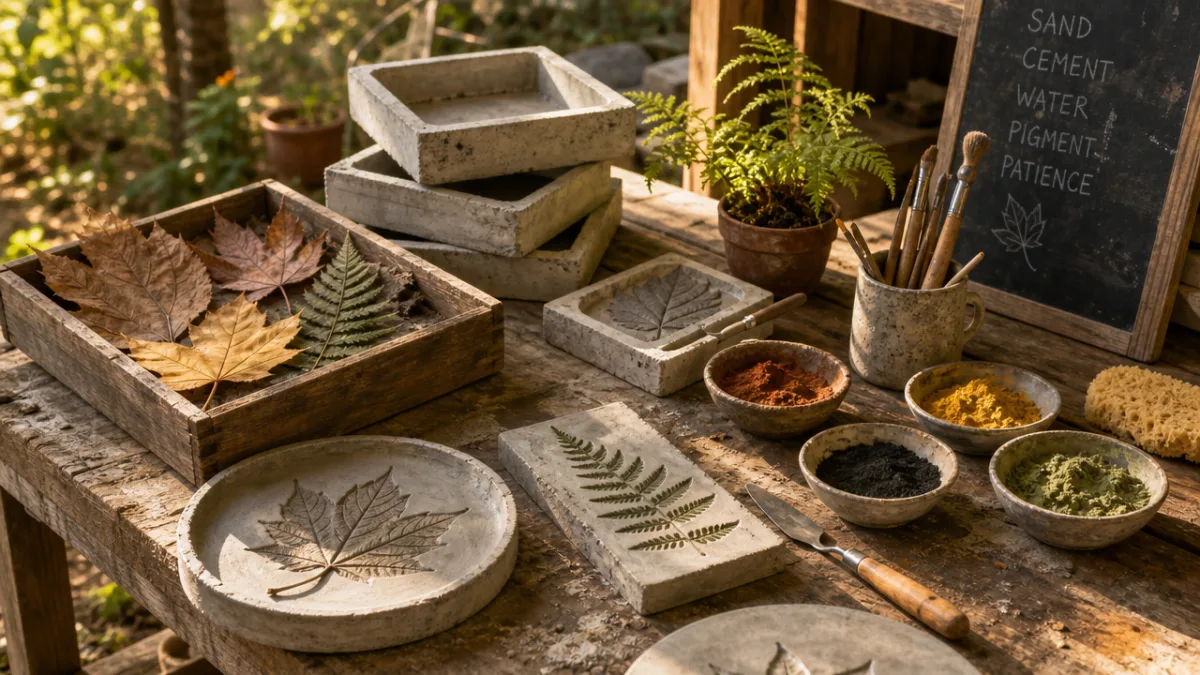
Beyond concrete, you’ll need a selection of molds, which can be purchased or improvised from household items. Plastic plant saucers, cardboard boxes lined with plastic wrap, and even old cake pans all make excellent mold options. For a truly natural appearance, rubber leaf molds — made from impressions of large hosta, elephant ear, or rhubarb leaves — are absolutely transformative. These specialized molds capture every vein and texture of a real leaf, resulting in stepping stones that look as though they were pressed directly from nature. You can find these at garden centers or cast your own from fresh leaves using liquid latex.
Color is another critical material consideration. Plain gray concrete can look cold and industrial, the very opposite of natural. Concrete pigment powders or liquid color additives allow you to achieve warm tones of sandstone, slate, terracotta, or mossy green. Earth tones — ochre, raw sienna, burnt umber, and iron oxide red — are particularly effective at mimicking the organic palette of real stone. Purchase two or three complementary shades and plan to layer or blend them for maximum realism. A small investment in color will make an enormous difference in your finished product.
- Concrete sand-topping mix or crack-resistant blend (40–60 lb bags)
- Plastic or rubber molds (plant saucers, leaf molds, or DIY forms)
- Concrete pigment powders in earth tones (ochre, sienna, umber)
- Concrete sealer or masonry waterproofing spray
- Mixing bucket and sturdy mixing paddle or trowel
- Release agent or cooking spray to prevent sticking
- Latex gloves, safety glasses, and a dust mask
- Wire mesh or plastic reinforcing fiber for larger stones
Preparing Your Molds for a Natural Finish
Mold preparation is a step that many beginners skip or rush, and it almost always shows in the final result. Before you pour any concrete, every mold surface must be treated with a release agent. A light coat of cooking spray, petroleum jelly, or commercial form release oil ensures that the cured concrete pops cleanly out of the mold without tearing edges or leaving chunks behind. Apply the release agent in a thin, even layer with a foam brush or a paper towel, making sure to coat every interior surface, including the corners and lip of the mold.
If you’re using leaf molds for that signature natural look, there are a few additional steps worth taking. Press fresh, large leaves vein-side up into a shallow tray of damp sand to create a stable, contoured bed. This not only holds the leaf in position while you pour but also allows the concrete to settle around the natural curves and ridges of the leaf without creating air pockets. Alternatively, if you’re working with rubber leaf molds, lightly dust the surface with talcum powder after applying your release agent. The talc fills in microscopic pores and helps the concrete release cleanly, preserving sharp, crisp detail in every vein and texture.
For irregular, flagstone-style stepping stones, you can build your own molds from simple materials. Cut lengths of foam pipe insulation and bend them into organic, asymmetrical shapes on a flat work surface, securing the ends with tape or staples. This foam border acts as your form, and you can make each one slightly different for a more natural, collected-stone effect. Lay a sheet of plastic beneath the form to prevent sticking to the work surface, and your improvised mold is ready to receive concrete. The slight imperfections in these handmade forms actually add to the authenticity of the finished stone.
Mixing and Pouring Concrete for the Best Results
Concrete mixing is equal parts science and feel. The water-to-mix ratio is the most critical variable you’ll manage, and getting it right makes the difference between a stone that cures strong and one that crumbles within a season. Add water gradually to your dry mix — never all at once — stirring continuously until you reach a consistency that resembles thick peanut butter or a stiff brownie batter. The mix should hold its shape when squeezed in your hand but not be so dry that it crumbles. Too much water weakens the final stone significantly, so err on the side of less water rather than more.
Once your base mix reaches the right consistency, it’s time to incorporate color. For the most natural-looking stone, avoid mixing pigment completely and uniformly into the concrete. Instead, add your first pigment color and stir just three or four times, leaving streaks and swirls visible throughout the batch. Then sprinkle a small amount of a second contrasting pigment on top before pouring. This partial blending technique creates variation and depth in the color, mimicking the subtle tonal shifts found in real quarried stone. The result is far more convincing than a uniformly tinted concrete that reads immediately as artificial.
Pour the concrete into your prepared mold in layers if your stone will be more than two inches thick. Each layer should be around one inch deep, and you should work a thin stick or skewer around the edges and through the mix to release trapped air bubbles. Tap the sides of the mold firmly several times — this vibration encourages the concrete to settle into all the fine texture details of the mold surface, which is especially important when using leaf or textured rubber molds. Smooth the back surface (which will face downward when installed) with a wet trowel, but don’t worry about making it perfect — a slightly rough back actually improves grip and stability in the garden.
If you’re making stepping stones larger than twelve inches across, reinforce the concrete before it begins to set. Cut a piece of plastic mesh or hardware cloth slightly smaller than your mold and press it gently into the still-wet concrete about halfway through the depth of the pour. This simple reinforcement dramatically reduces the risk of cracking under foot traffic, especially through freeze-thaw cycles in colder climates. For smaller stones under ten inches, reinforcement is optional, but adding a small handful of polypropylene reinforcing fibers to your dry mix before adding water provides a similar benefit with no extra steps during pouring.
Curing, Demolding, and Adding Natural Details
Patience during the curing process is the single most important factor in determining the longevity of your stepping stones. After pouring, cover each mold loosely with a sheet of plastic sheeting or damp burlap to slow the evaporation of moisture from the surface. Concrete that dries too quickly develops surface cracks and loses structural strength. Allow the stones to cure in a shaded location for a minimum of 24 to 48 hours before attempting to demold, and ideally leave them undisturbed for a full 72 hours if temperatures are cool. The slower and more even the cure, the harder and more durable the final stone will be.
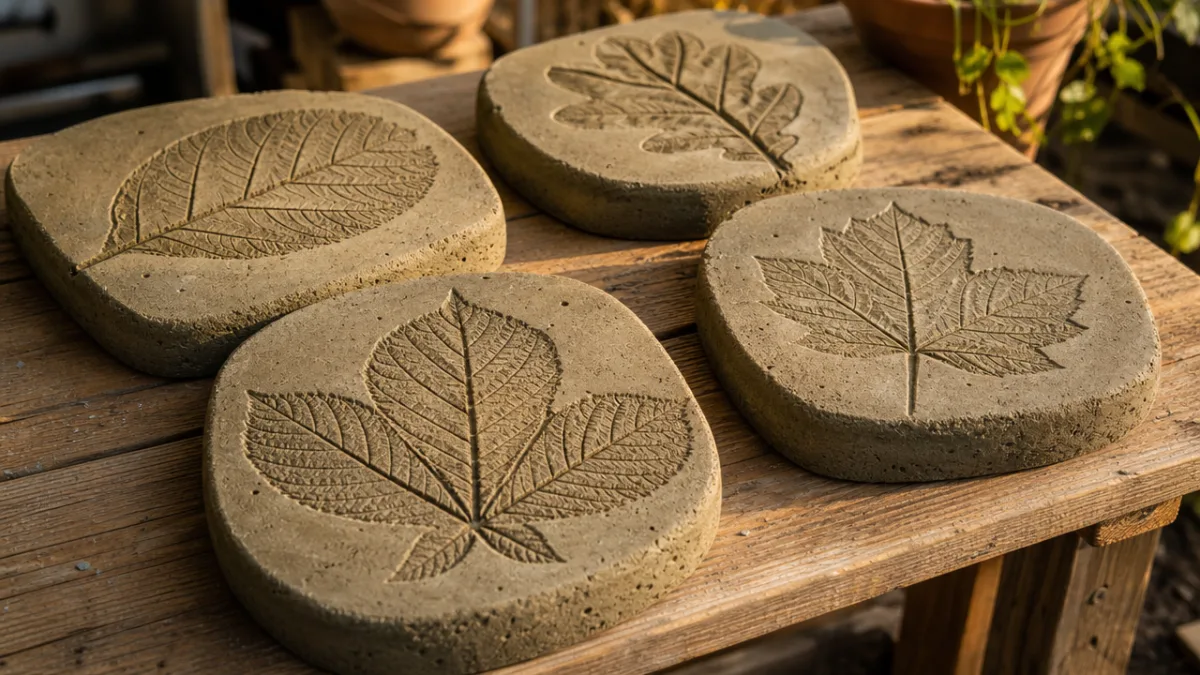
Demolding requires a gentle, confident touch. Flex the sides of plastic molds slowly and evenly to break the seal, then turn the mold over onto a padded surface like a folded towel or a thick piece of cardboard. Tap the back of the mold and allow gravity to do the work. Never pry the stone out forcefully, as the edges are still gaining strength and can chip or crack under lateral pressure. If a stone refuses to release, leave it upside down for another hour and try again. Leaf molds made from fresh plant material should peel away cleanly at this stage, leaving a beautifully detailed impression of every vein pressed into the surface.
At this stage your stones are structurally sound but still chemically curing — a process that continues for a full 28 days with Portland cement mixes. During this extended curing period you can begin adding finishing details that enhance the natural appearance. Use a stiff wire brush to gently scuff and scratch the surface, removing the smooth skin that forms during curing and revealing the aggregate texture beneath. This aged, worn quality is exactly what makes the stones look like they’ve been weathered outdoors for years. You can also rub dry concrete pigment or iron oxide powder directly into recessed areas with your fingertip, darkening the low points to simulate the way moss and mineral deposits settle into real stone over time.
- Allow stones to cure under damp burlap or plastic for 48–72 hours minimum.
- Demold gently by flexing mold sides and inverting onto a padded surface.
- Use a wire brush to scuff the surface and reveal aggregate texture.
- Rub dry pigment into recessed areas to simulate natural aging and depth.
- Allow stones to continue curing for up to 28 days before heavy foot traffic.
- Apply a penetrating concrete sealer for weatherproofing and color enhancement.
Finishing Techniques That Sell the Natural Look
The finishing stage is where good stepping stones become great ones. Once your stones have cured for at least a week, you have a range of surface treatments available that dramatically increase their resemblance to natural stone. Dry brushing is one of the most effective: load a stiff-bristled paintbrush with a small amount of undiluted concrete pigment or exterior masonry paint in a lighter tone than your base color, wipe most of the paint off on a paper towel, then drag the nearly-dry brush lightly across the high points of the stone’s surface. This deposits color only on the raised ridges and textures, creating the same kind of mineral highlighting seen on real limestone, sandstone, and slate.
Acid staining is a more advanced technique but produces stunning, deeply variegated color effects that are essentially impossible to replicate with pigment alone. Muriatic acid diluted with water, or commercial concrete acid stain products, react chemically with the calcium hydroxide in cured concrete to produce permanent, semi-translucent color that penetrates the surface rather than sitting on top of it. The resulting tones are beautifully mottled and irregular, closely resembling the patina of aged natural stone. Always follow manufacturer safety instructions carefully when working with acid stains, wear acid-resistant gloves and eye protection, and work in a well-ventilated outdoor space.
For the finishing touch that truly cements the illusion of natural stone, consider encouraging real biological growth on your stepping stones. Painting the surface with a thin slurry of plain yogurt, buttermilk, or blended moss mixed with water provides a nutrient-rich medium that promotes the growth of algae, lichen, and moss in shaded, moist garden conditions. Within a single growing season, your stones can develop a genuine patina of living green and grey growth that makes them indistinguishable from stones that have sat in a garden for decades. This technique is particularly effective in humid climates and shaded garden beds where moisture lingers naturally.
Installing Your Stepping Stones for a Professional Finish
Even the most beautifully crafted stepping stones will look amateurish if they’re installed carelessly. The foundation of a good installation is proper bed preparation. Begin by laying your stones out on the surface of the ground in your intended pattern without digging anything yet. Spend real time on this stage — walk the path, adjust the spacing to suit a natural stride, and experiment with the arrangement of different sizes and shapes until the layout feels intuitive and organic. Uneven spacing or overly symmetrical arrangements immediately read as artificial, so aim for a slightly irregular rhythm that mimics the casual placement of stones in nature.
Once you’re satisfied with the layout, mark around each stone with a spade or marking paint, then set the stones aside. Dig out the soil within each marked area to a depth of about three to four inches, then add a one-to-two inch layer of coarse sand or decomposed granite as a leveling bed. This drainage layer prevents water from pooling under the stone, which is a primary cause of frost heaving and long-term instability. Set each stone into its sand bed and wiggle it gently to seat it firmly, then check for level with a small spirit level. The finished surface of each stone should sit roughly half an inch above the surrounding soil, which prevents grass and plant material from quickly burying the edges.
After all stones are set, fill the gaps between them with a material that complements their natural aesthetic. Creeping thyme, Irish moss, and mind-your-own-business (Soleirolia) are all low-growing ground covers that thrive in the compressed, dry conditions between stepping stones and add tremendous visual softness to the pathway. Alternatively, decomposed granite, fine gravel, or river pebbles in complementary earth tones provide a clean, low-maintenance option. Whatever you choose, take care to press the fill material firmly into the joints and around the stone edges to discourage shifting and to prevent weeds from establishing in the gaps.
Ongoing maintenance of a DIY stepping stone path is minimal but worthwhile. Inspect stones once or twice per year for any cracking, settlement, or heaving caused by seasonal frost cycles, and re-level any stones that have shifted by lifting them, adding or removing sand beneath, and resetting them. If you applied a concrete sealer during the finishing stage, plan to reapply it every two to three years to maintain water resistance and color vibrancy. A light pressure wash in spring removes accumulated algae and debris, and an occasional touch-up with concrete pigment restores any color that has faded in areas of heavy foot traffic. With this modest investment of maintenance time, your handmade stepping stones will enhance your garden beautifully for many years to come.
Design Ideas to Inspire Your Own Garden Path
One of the great joys of making your own stepping stones is the virtually unlimited design freedom the process offers. Beyond the classic round or oval shape, consider making a set of large irregular flagstone-style pieces in varying sizes and laying them in an offset, dry-stack pattern that mimics a professionally installed natural flagstone path. Mixing two or three different earth-tone pigments across the set creates the impression that the stones were sourced from different quarries over time, adding depth and narrative to the pathway’s appearance. This style suits cottage gardens, naturalistic landscapes, and rustic outdoor settings particularly well.
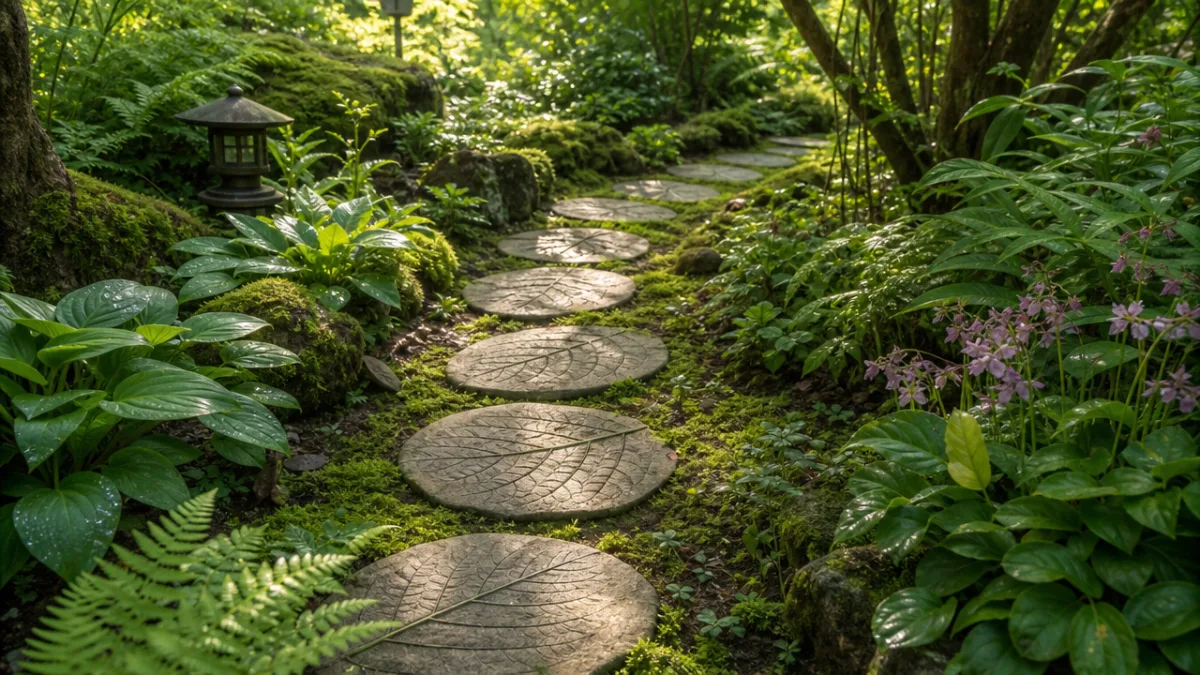
Leaf impressions remain among the most popular and rewarding stepping stone designs for good reason. Large tropical leaves like elephant ear, banana, gunnera, and giant hosta produce strikingly detailed impressions with bold, graphic vein patterns. Smaller, more delicate leaves such as Japanese maple or fern fronds create an intricate lacy texture that photographs beautifully and suits shaded woodland garden paths especially well. Consider making a thematic set using leaves from plants that already grow in your garden — there’s something genuinely moving about a pathway where the stones themselves echo the foliage that lines the way.
For a more contemporary approach, experiment with geometric forms that still achieve a natural look through color and texture rather than shape. Square or rectangular stones with a hammered or split-face surface texture — achieved by chiseling the cured concrete with a cold chisel and hammer — read as natural cut stone rather than poured concrete. Arrange these in a structured grid or herringbone pattern with narrow gravel joints for a clean, architectural pathway that bridges the gap between formal and naturalistic garden design. The combination of rigorous layout and organic surface texture is a tension that many professional designers exploit to great effect in high-end landscape projects.
- Leaf impression series using plants from your own garden for a cohesive theme
- Mixed irregular flagstone shapes in two or three complementary earth tones
- Geometric cut-stone effect using cold chisel texturing on square molds
- Mosaic-topped stones with glass, tile, or shell pressed into wet concrete
- River rock aggregate exposure by brushing the surface before full cure
- Fossil or pebble impression stones using found natural objects as texture tools
- Reclaimed wood grain stepping stones cast against rough timber planks
No matter which design direction you choose, the act of making something with your own hands and placing it permanently in your outdoor space carries a satisfaction that no purchased product can replicate. Every person who walks your garden path will unknowingly step across something you created — shaped, colored, and set into the earth by your own effort and imagination. That invisible presence of craft in an everyday object is what elevates a simple garden path into something genuinely personal, and it is the quality that makes DIY concrete stepping stones so enduringly popular among gardeners and makers of every skill level.








What do you think?
It is nice to know your opinion. Leave a comment.