










The Art of Garden Plants: Creating Beautiful Outdoor Spaces
Understanding the Foundation of Garden Design
A truly stunning garden doesn’t start with a shovel — it starts with understanding. Before a single plant goes in the ground, you need to get a feel for your outdoor space: what makes it special, what makes it tricky, and what you’re actually hoping it could become. That’s exactly the kind of thinking that the team at Gardens by Ted brings to every project, drawing on decades of hands-on experience to help homeowners see what their outdoor areas are really capable of. The relationship between plants and the places they grow in is genuinely fascinating, and getting it right takes both horticultural know-how and a good eye.
Every garden has its own personality, shaped by climate, soil, sun exposure, and the lay of the land. Getting a handle on those factors is essential before you make any real decisions about what to plant. A south-facing slope in Melbourne behaves completely differently from a shaded courtyard or a coastal block getting blasted by salty winds. A good garden professional takes all of that into account before recommending anything — because there’s no point putting in something beautiful if it’s going to struggle in the conditions you’ve actually got.
At the heart of great garden design is a simple idea: harmony. Plants, structures, water features, and open space should all feel like they belong together. That means thinking about scale, color, texture, and how things change through the seasons. A well-designed garden shouldn’t just look spectacular during one big flowering moment and then go quiet for the rest of the year. By layering plants with different heights, bloom times, and foliage characters, a skilled designer creates a space that keeps evolving and surprising you month after month.
Choosing the Right Plants for Your Australian Garden
Australia’s climate zones offer some genuinely exciting opportunities for gardeners, but they come with real challenges too. From the tropical humidity of Queensland to the cool, temperate conditions of Victoria and Tasmania, growing conditions vary enormously across the country, so there’s no universal formula for what to plant. Melbourne sits in an interesting transition zone — warm, dry summers and cool, wet winters — which actually means it suits a surprisingly wide range of species, from plants native to Australia through to varieties from all corners of the globe.
Australian natives have become a firm favourite in garden design lately, and it’s easy to see why. Grevilleas, banksias, kangaroo paws, and native grasses have spent millions of years adapting to conditions that would stress most exotic plants into the ground. Once they’re established, they’re generally tough, drought-tolerant, and low-maintenance, needing far less fertiliser than introduced species. They also bring in the wildlife — birds, bees, and butterflies absolutely love them. Weaving natives into your garden creates something that feels connected to the wider landscape rather than just sitting on top of it.
That said, there’s still plenty of room for exotic and introduced plants in an Australian garden — they’re not going anywhere. Mediterranean favourites like lavender, rosemary, olive trees, and ornamental grasses are right at home in Melbourne’s climate and bring a kind of sun-warmed elegance that’s hard to beat. Japanese maples, magnolias, and ornamental cherry trees put on seasonal displays that have been making gardeners stop and stare for centuries. The real skill is in bringing all these different groups together so the result feels cohesive, intentional, and — importantly — liveable over the long term.

Designing with Color, Texture, and Form
Working with color is one of the most enjoyable parts of garden design. Just like an interior designer builds a palette for a room, a garden designer uses flowering plants, foliage, bark, and berries to paint a living picture that keeps shifting through the seasons. Cool blues and purples bring a calm, spacious feel — great for smaller gardens or quiet spots where you want to unwind. Warm reds, oranges, and yellows bring energy and life, perfect for entertaining areas or anywhere you want to draw the eye and create a bit of drama.
Texture doesn’t get nearly enough credit in garden design, but it’s just as important as color when it comes to creating something visually rich and satisfying. The contrast between the fine, feathery foliage of a native grass and the bold, architectural leaves of a bird of paradise or agave creates a visual tension that keeps the eye moving. Mix soft, rounded plants with spiky, upright ones and the whole scheme feels dynamic. Even in a garden that isn’t particularly floriferous, a thoughtful combination of foliage textures can produce something of real beauty and quiet sophistication.
Form — the overall shape of individual plants and planting groups — gives a garden its structure and its bones. Topiary, hedges, standard roses, and clipped box balls provide a sense of order and permanence, creating a framework that allows more relaxed, naturalistic planting to do its thing around them. Vertical elements like columnar trees, obelisks draped in climbing roses, or tall ornamental grasses add height and drama to what might otherwise feel flat. That tension between the structured and the free-flowing is one of the defining qualities of a really well-put-together garden.
Seasonal Interest and Year-Round Garden Beauty
Getting a garden to look genuinely good across all four seasons is one of the trickier design challenges — but also one of the most rewarding. Spring kicks things off with bulbs nosing through the soil and that glorious burst of blossom from fruit trees, ornamental cherries, and magnolias. Summer brings perennial borders in full swing, climbing roses at their peak, and the deep, restful green of mature foliage. Each season has its own mood, its own palette, and its own moments worth stepping outside for.
Autumn is a season that gets undersold in Australian garden design, which is a shame because the displays can be spectacular. Japanese maples, ornamental pears, and liquidambars go up in flames of red, orange, and gold before dropping their leaves to reveal elegant winter silhouettes underneath. Autumn-flowering bulbs like nerines, naked ladies, and autumn crocuses pop up with unexpected color just as everything else is starting to wind down, keeping things interesting well into May and June.
And winter, which so many people write off entirely, can actually be beautiful in a garden that’s been thoughtfully designed for it. When summer foliage is gone, the structural elements really come into their own — hedges, topiary, ornamental grasses, and sculptural trees all read so much more clearly. Winter-flowering plants like hellebores, camellias, and viburnums bring color and fragrance through the coldest months. The low winter sun casts long shadows across a frosted lawn and catches the silver bark of birch trees and the rust-red stems of dogwoods in a way that has its own spare, poetic quality.
Planning for year-round interest takes real plant knowledge and a disciplined approach to choosing what goes in. A lot of gardeners fall into the habit of selecting plants almost entirely for their spring or summer performance, then wonder why the garden looks bare and uninspiring for half the year. A good designer keeps a mental calendar of interest, making sure that at any given moment there are at least three or four plants contributing something worth looking at. It takes experience and planning to pull off, but the result is a garden that never really stops rewarding you.

Sustainable Garden Practices and Water-Wise Planting
Sustainability has moved well and truly into the mainstream of garden design, and the reasons are hard to argue with. As Australian cities face growing pressure from climate change, water restrictions, and the urban heat island effect, gardens have a real role to play in making communities more resilient and liveable. Choosing plants that suit local conditions, building healthy soil, and creating habitat for wildlife are all part of a more sustainable approach to gardening — and far from being a constraint, that approach is increasingly recognised as what genuinely good design looks like.
Water-wise planting matters especially in Melbourne, where summer restrictions are a regular reality and rainfall can vary wildly from one year to the next. The good news is that many of the most beautiful plants available to Melbourne gardeners are naturally drought-tolerant once they’re established. Mediterranean species, South African bulbs, ornamental grasses, and a wide range of Australian natives can all get by on minimal supplementary watering once their roots are properly settled in during the cooler months. Pair those plants with good mulch, a smart drip irrigation system, and well-prepared soil, and your garden can look lush and full even through a dry stretch.
Soil health is the part of gardening that tends to get overlooked in favour of flashier decisions like plant selection and paving, but it underpins everything. Healthy soil — rich in organic matter and alive with microbial activity — supports stronger plant growth, reduces how much water you need to apply, and naturally fends off many pests and diseases. Regular additions of compost, aged manure, and organic mulch build fertility gradually over time, creating a garden that needs less and less intervention from you as the years go by. It’s one of those upfront investments that pays you back over and over again.
- Choose drought-tolerant species suited to your specific microclimate and soil conditions to reduce long-term water consumption significantly.
- Apply a generous layer of organic mulch around all garden beds to suppress weeds, retain moisture, and gradually improve soil structure as it breaks down.
- Install a drip or subsurface irrigation system controlled by a weather-responsive timer to deliver water precisely where it is needed and eliminate waste.
- Incorporate a compost bin or worm farm into your garden to recycle organic waste and produce rich, free fertiliser for your plants throughout the year.
- Select plants with overlapping flowering and fruiting seasons to maintain a consistent food source for beneficial insects and native bird species.
Working with a Professional Garden Designer
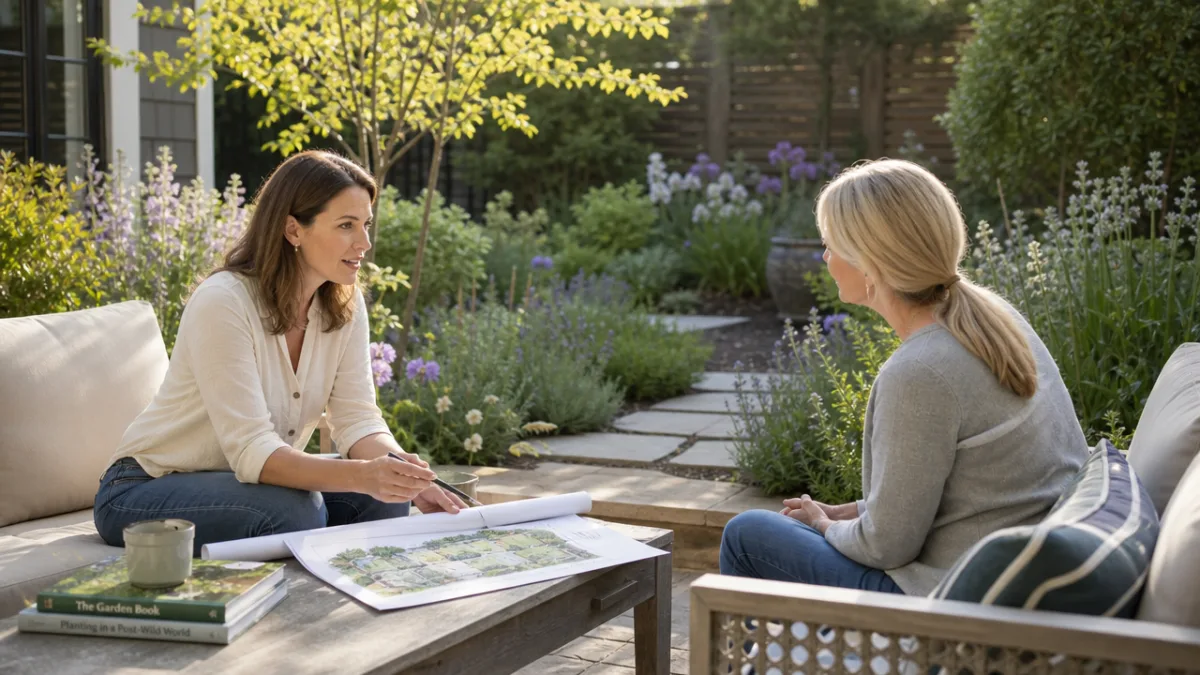
Plenty of enthusiastic gardeners achieve fantastic things on their own through research and trial and error, but working with a professional designer like Gardens by Ted opens up possibilities that can really change the outcome of a project. It’s not just plant knowledge — though that’s obviously a big part of it. A good designer also understands design principles, construction, and the practical realities of turning a concept into something that actually gets built and grows. They spot possibilities you might not see and catch problems before they become expensive, saving you time, money, and a fair amount of frustration.
The process usually starts with a proper consultation and site visit, where the designer gets to know how you actually use your outdoor space, what you like aesthetically, what your budget looks like, and what the site itself is doing. From there, a design brief takes shape, leading to a concept plan and eventually detailed planting and construction drawings. A good designer keeps the conversation going throughout all of this, refining things in response to feedback so that the final result genuinely reflects who you are and how you want to live in the space.
For homeowners in Melbourne and the surrounding areas, Gardens by Ted offers personalised garden design and planting services backed by deep horticultural knowledge and a real love for creating beautiful, lasting outdoor spaces. Whether you’re starting from scratch, refreshing an existing garden, or just want some expert eyes on what plants would work best for your situation, a conversation is the place to start. You can reach the team directly on 0417 219 109 to talk through your project and arrange an initial consultation at your property.
The value of a well-designed and planted garden goes well beyond how it looks. Research consistently shows that thoughtfully designed gardens lift property values, improve the mental and physical wellbeing of the people who live with them, and contribute to the character of entire neighbourhoods. A garden that’s designed with care, planted sustainably, and properly looked after becomes something that grows more beautiful and valuable with every passing year. That’s a return on investment that very few other home improvements can honestly claim to match.
Maintaining Your Garden for Long-Term Success
Even the most beautifully designed garden needs regular care to actually reach its potential over the years. Pruning, feeding, mulching, watering, and keeping an eye out for pests — these ongoing tasks keep plants healthy, preserve the design intent, and stop things from getting out of hand. The reassuring thing is that a well-designed garden, planted with the right species and properly established, really shouldn’t demand an unreasonable amount of your time. The goal is a space you spend time enjoying, not one that spends your weekends managing you.
Pruning is one of those things that sounds simple but is genuinely easy to get wrong. Different plants have very specific requirements, and cutting at the wrong time or in the wrong way can knock back flowering, invite disease, or permanently change the shape of a plant in ways you didn’t intend. Roses, for instance, want a hard cut in late winter to push strong new growth and loads of summer flowers. Spring-flowering shrubs like camellias and azaleas, on the other hand, should be pruned right after flowering — do it later and you’ll be cutting off next year’s buds without realising it. Knowing what each plant needs is really the foundation of looking after a garden well.
Feeding and soil improvement are ongoing commitments rather than jobs you tick off once and forget about. Different plants have different nutritional needs, and getting the fertiliser wrong — the type or the timing — can actually do more harm than good. A balanced slow-release fertiliser in early spring generally sets things up well for the growing season, with liquid feeds giving a boost to heavy performers like roses, vegetables, and anything in a pot. Organic options like seaweed solutions, fish emulsion, and compost teas are increasingly popular with gardeners who want something gentler on the soil ecosystem as well as on the plants themselves.
- Establish a seasonal maintenance calendar tailored to the specific plants in your garden, noting key pruning, feeding, and planting dates for each species.
- Inspect plants regularly for signs of pest and disease pressure, addressing problems early before they escalate and become difficult to manage effectively.
- Refresh mulch layers annually in late spring to maintain adequate depth, suppress emerging weeds, and continue improving soil structure and moisture retention.
- Divide and rejuvenate clumping perennials and ornamental grasses every two to three years to maintain their vigour and prevent overcrowding in the border.
- Review and adjust your irrigation system seasonally to account for changing plant water requirements and rainfall patterns throughout the year.
It’s also worth holding onto the fact that a garden is never really finished — it’s always in the process of becoming something. Plants grow in unexpected directions, seasons produce combinations of color and form you didn’t plan for, and your own tastes shift over time. The gardeners who seem to get the most out of their spaces are the ones who stay curious, stay flexible, and stay willing to experiment — learning from what doesn’t work and genuinely enjoying what does. With the right plants, a solid design framework, and a commitment to sustainable practices, your garden can become one of the most rewarding things about where you live.








What do you think?
It is nice to know your opinion. Leave a comment.