










Ozothamnus rosmarinifolius ‘Silver Jubilee’: A Complete Guide to This Stunning Australian Shrub
Introduction to Ozothamnus rosmarinifolius ‘Silver Jubilee’
Ozothamnus rosmarinifolius ‘Silver Jubilee’ is one of the most visually arresting shrubs available to gardeners seeking both structure and year-round interest. Native to southeastern Australia and Tasmania, this cultivar belongs to the daisy family (Asteraceae) and has earned its place in gardens around the world through its striking silvery foliage and clusters of delicate white flowers. The species name rosmarinifolius refers to its rosemary-like leaves, which share that same narrow, aromatic quality that makes culinary rosemary so recognizable.
The ‘Silver Jubilee’ cultivar is particularly prized among the various forms of this species for the exceptional silver-white coating on its stems and leaves. This coating, technically called a tomentum, consists of fine woolly hairs that give the plant its luminous, almost frosted appearance. In the landscape, this silvery quality creates a striking contrast against darker green plants or provides a cool, calming tone when grouped with other silver and grey-leaved species. It is a shrub that commands attention in all seasons, not just when in bloom.
For gardeners who appreciate plants that deliver ornamental value without demanding excessive maintenance, ‘Silver Jubilee’ represents an excellent choice. It has adapted well to cultivation far beyond its native range, thriving in gardens across the United Kingdom, Europe, and parts of North America where conditions allow. Understanding its origins and characteristics is the first step toward growing it successfully and appreciating the full range of beauty it can bring to a planting scheme or mixed border.
Botanical Characteristics and Identifying Features
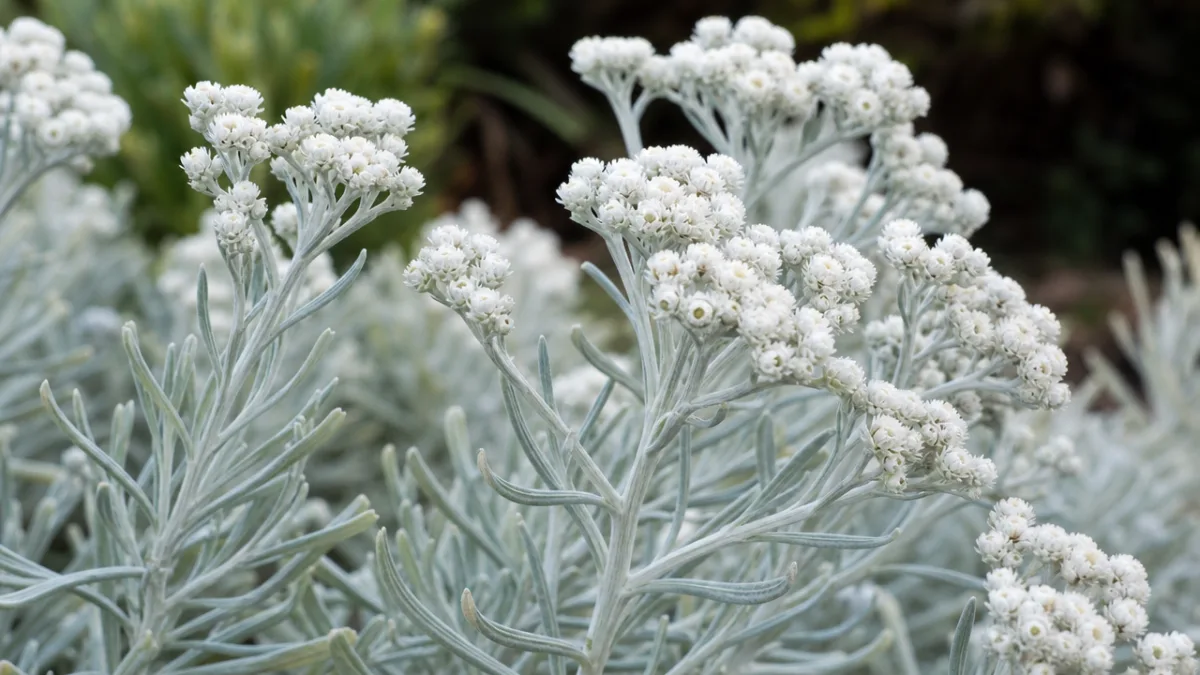
In terms of its physical structure, Ozothamnus rosmarinifolius ‘Silver Jubilee’ grows as an upright, bushy shrub that typically reaches between one and two meters in height at maturity, with a similar spread. The stems are densely clothed in narrow, linear leaves that measure roughly one to three centimeters in length. Both the stems and the undersides of the leaves are covered in the characteristic white woolly tomentum that defines this cultivar’s visual identity. The upper leaf surface tends toward a darker green-grey, while the stems themselves appear nearly white, especially on younger growth.
The flowers of ‘Silver Jubilee’ appear in late spring to early summer, typically from May through June in the Northern Hemisphere. They are produced in dense, terminal corymbs — flattened or domed clusters that sit atop the stem tips and branch ends. Each individual flower is small but massed together they create a spectacular effect, opening from deep red or pink buds to reveal white daisy-like florets. This contrast between the vivid red bud stage and the open white flowers gives the plant a two-toned quality during the flowering period that is quite unique among shrubs in this size range.
The aromatic quality of this plant is another notable characteristic. When the foliage is brushed or lightly crushed, it releases a pleasant, herbal fragrance that recalls curry, chamomile, and other Mediterranean or coastal scrubland herbs. This sensory dimension adds another layer of appeal for gardeners who value plants that engage multiple senses. The fragrance also has the practical benefit of sometimes deterring browsing deer and rabbits, making it a useful choice in gardens where these animals are a persistent problem.
Growing Conditions and Hardiness
Understanding the natural habitat of Ozothamnus rosmarinifolius is key to providing the right conditions in cultivation. In the wild, this species grows in dry sclerophyll forests, heathlands, and subalpine scrub across southeastern Australia and Tasmania. These environments are characterized by well-drained, often nutrient-poor soils, high light levels, and periods of summer drought punctuated by winter moisture. Replicating these conditions as closely as possible will yield the healthiest and most floriferous plants in a garden setting.
In terms of cold hardiness, ‘Silver Jubilee’ is reasonably tough for an Australian shrub, tolerating temperatures down to approximately -10°C (14°F) with some protection. It is generally rated as hardy to USDA Zone 7 or 8, and in the United Kingdom it performs well in most areas below the Scottish Highlands when given a sheltered, sunny position. In colder regions or those with prolonged harsh winters, planting against a south-facing wall can provide the additional warmth and wind protection that allows the plant to survive and thrive where it might otherwise struggle.
Soil drainage is arguably the single most important factor in successfully growing this shrub. Like many Australian natives, it is highly susceptible to root rot in waterlogged or heavy clay conditions. The ideal soil is light, gritty, and fast-draining — a sandy loam or gravel-enriched bed suits it perfectly. If your garden has heavier soil, it is well worth investing time in improving drainage before planting, either by incorporating grit and sharp sand deeply into the planting area or by constructing a raised bed that lifts the root zone above the clay layer.
Full sun is essential for this plant to perform at its best. While it may survive in partial shade, the silvery coloration of the foliage tends to be less intense, the plant’s habit becomes more open and leggy, and flowering is significantly reduced. Choose the sunniest, most open position available in your garden, ideally one that receives direct sun for the majority of the day. Coastal gardens with bright, reflected light are particularly suitable, which is why this plant is a popular choice in seaside planting schemes throughout the British Isles and beyond.
Planting and Establishment
The best time to plant Ozothamnus rosmarinifolius ‘Silver Jubilee’ is in spring, once the risk of severe frost has passed and the soil has begun to warm. Autumn planting can also be successful in milder climates, giving the plant time to establish its root system before the following summer’s heat and drought. Container-grown plants are available from specialist nurseries and online plant retailers, and these can generally be planted at any time of year with care, provided they are watered in well and protected from temperature extremes immediately after planting.
Prepare the planting hole to roughly twice the diameter of the root ball and only as deep as the container, ensuring that the crown of the plant sits at or just above the soil surface. Backfill with a mixture of the excavated soil and added horticultural grit in a roughly 50:50 ratio if your soil is at all heavy. Firm the soil gently around the roots and water thoroughly to settle the soil and eliminate air pockets. Avoid adding rich compost or fertilizer to the planting hole, as this can encourage lush but weak growth and makes the plant less resilient to drought once established.
In the first season after planting, consistent watering is important to help the plant establish a strong root system. However, even during establishment, it is important not to overwater — allow the soil to dry out somewhat between waterings rather than keeping it constantly moist. A light mulch of gravel or grit around the base of the plant (but kept clear of the stem itself) can help retain some moisture while also improving drainage around the crown and reflecting light upward onto the foliage, which enhances the plant’s natural luster.
- Choose a position with full sun and excellent drainage as your top priorities before planting.
- Amend heavy soils generously with horticultural grit to prevent waterlogging around the roots.
- Plant at or slightly above soil level to protect the crown from sitting in moisture.
- Water regularly in the first growing season but avoid creating permanently moist conditions.
- Apply a grit mulch rather than organic mulch to maintain the right microclimate around the plant’s base.
- Avoid feeding with high-nitrogen fertilizers, which promote weak, sappy growth unsuitable for this species.
Pruning, Maintenance, and Long-Term Care
One of the appealing aspects of Ozothamnus rosmarinifolius ‘Silver Jubilee’ is that it requires relatively minimal maintenance compared to many ornamental shrubs. However, some annual attention will significantly extend the life and visual quality of the plant. Without any pruning, it can become somewhat leggy and woody at the base over time, losing the dense, bushy habit that makes it so attractive in its youth. A light trim after flowering each year is the most effective way to maintain its shape and encourage fresh new growth bearing the brightest silver foliage.
Pruning should be carried out after the main flush of flowers has finished, typically in June or July in the Northern Hemisphere. Use clean, sharp secateurs to trim back the flowered stems by roughly one-third, cutting just above a leaf node or lateral shoot. Avoid cutting back into old, bare wood, as this species does not regenerate reliably from hard pruning the way that some other shrubs do. If you do need to renovate a neglected plant, it is better to do so gradually over two or three seasons rather than cutting everything back at once.
Beyond pruning, the ongoing care requirements of ‘Silver Jubilee’ are modest. It does not generally require feeding — in fact, overly fertile soils can be detrimental, producing soft, lush growth that is more susceptible to frost damage and disease. In prolonged dry spells, particularly in the first few years after planting, some supplemental watering during the hottest months is beneficial. Once fully established, however, this is a genuinely drought-tolerant shrub that can largely fend for itself through dry summers, drawing on deep moisture reserves in well-structured soil.
Pests and diseases are not a major concern with this species, which is another reason for its growing popularity. It has good natural resistance to most common garden pests. Root rot caused by Phytophthora is the most serious threat and is almost entirely preventable through good drainage and careful watering practices. In very wet climates or following unusually wet winters, it is worth checking the plant for any signs of dieback at the base and improving drainage around the root zone if any waterlogging is suspected.
Landscape Uses and Design Applications
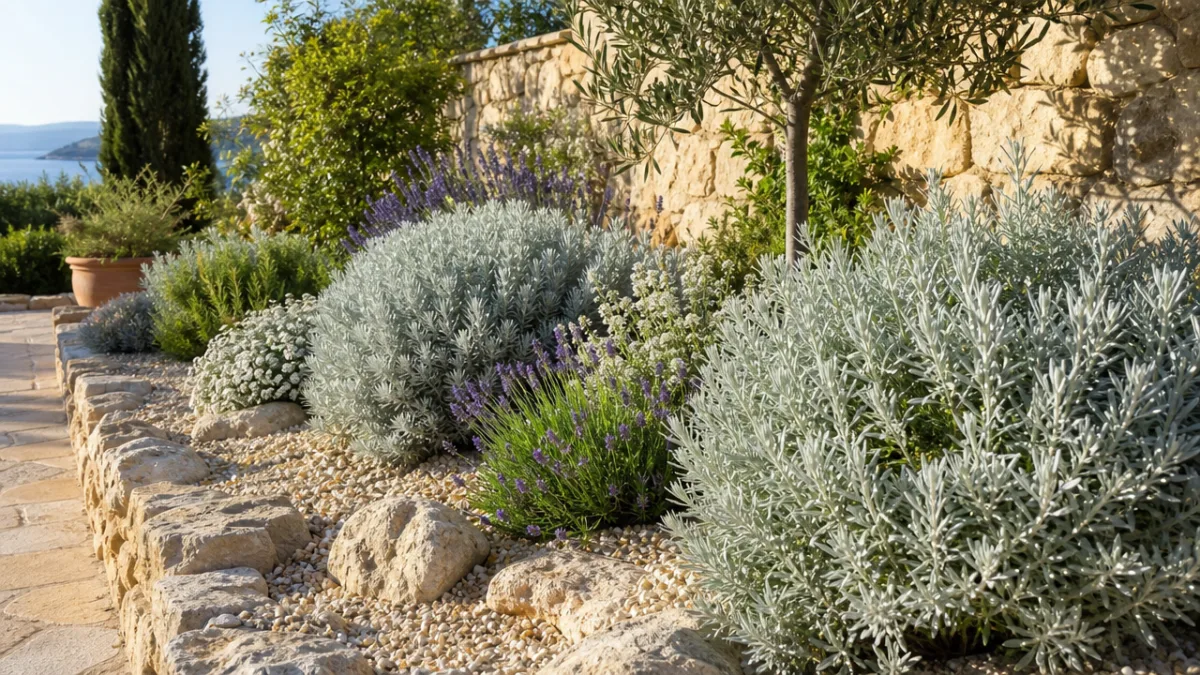
The design applications for Ozothamnus rosmarinifolius ‘Silver Jubilee’ are wide-ranging and make it a genuinely versatile plant for contemporary and traditional garden styles alike. Its silver-grey foliage works beautifully in the popular ‘silver and white’ planting palette, combining harmoniously with other grey and silver-leaved plants such as Artemisia, Stachys byzantina, Lavandula, and Convolvulus cneorum. In such planting schemes, it provides consistent structure and color interest throughout all twelve months of the year, which is particularly valuable in the quieter winter and autumn months.
For gardeners who favor drought-tolerant or low-water garden designs — often called xeriscape or gravel gardens — ‘Silver Jubilee’ is an excellent structural plant. It provides vertical interest and volume in a planting scheme that might otherwise be dominated by lower-growing ground covers and perennials. Paired with ornamental grasses such as Stipa tenuissima or Festuca glauca, and underplanted with drought-tolerant bulbs like alliums or tulips, it creates a dynamic, naturalistic composition that requires minimal irrigation once established.
In coastal gardens, where salt spray, wind, and free-draining sandy soils can make life difficult for many plants, this Ozothamnus cultivar genuinely excels. Its natural adaptation to exposed, coastal-influenced environments in Australia translates well to similar conditions in cultivation. It can be used as a wind-filtering hedge or informal screen in exposed seaside positions, providing some protection for less resilient plants behind it while itself remaining unfazed by the challenging conditions. Its silvery appearance also has a natural affinity with the light palette of seaside landscapes.
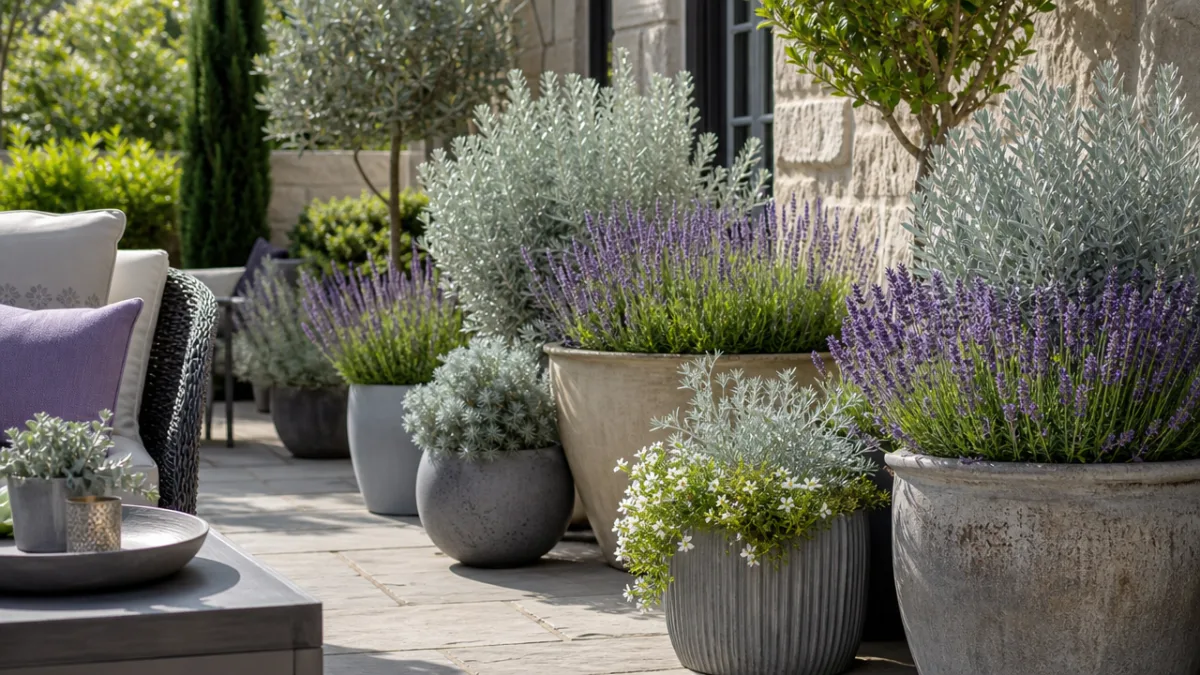
Container growing is another option worth considering, particularly for gardeners in colder climates who wish to provide winter protection or who are working with heavy soils that cannot be easily amended. Planted in a large terracotta or stone pot filled with a very gritty, free-draining compost mix, ‘Silver Jubilee’ can be grown as a handsome patio specimen. It can then be moved to a sheltered spot or cold greenhouse during the coldest months, greatly extending the climates in which it can be successfully cultivated. Ensure containers have generous drainage holes and never allow them to sit in standing water.
Propagation and Sourcing
For gardeners interested in multiplying their stock or sharing plants with others, Ozothamnus rosmarinifolius ‘Silver Jubilee’ can be propagated from semi-ripe cuttings taken in late summer, typically July or August in the Northern Hemisphere. Select healthy, non-flowering shoot tips of about eight to ten centimeters in length, remove the lower leaves, and treat the cut end with a hormone rooting powder or gel. Insert the cuttings into small pots filled with a very gritty cutting compost — roughly half perlite and half coir or fine compost works well — and place them in a warm, bright location out of direct scorching sun.
Mist the cuttings regularly to prevent them from drying out while roots develop, but be careful not to create overly wet conditions that might cause the stems to rot. A propagator with a clear lid can be helpful in maintaining humidity around the cuttings. Rooting typically takes between six and ten weeks, after which the young plants can be potted up individually and grown on in a frost-free environment through their first winter before being hardened off and planted out the following spring. Success rates can be variable, so it is worth taking several cuttings to ensure a good outcome.
For those who prefer to purchase established plants, ‘Silver Jubilee’ is available from specialist Australian plant nurseries, Mediterranean plant specialists, and a growing number of general garden centers that stock unusual and interesting shrubs. Online plant retailers have made this cultivar much more accessible than it once was, and it can now be shipped to gardeners throughout the UK, Europe, and beyond. When purchasing, look for healthy, compact plants with strong silver coloration in the foliage — this is an indicator that the plant has been grown in suitably bright, lean conditions and will establish well.
- Take semi-ripe cuttings in late summer from healthy, non-flowering shoot tips of eight to ten centimeters.
- Prepare a very gritty rooting medium using equal parts perlite and fine coir or compost.
- Apply hormone rooting powder or gel to the cut end before inserting into the compost.
- Maintain humidity around the cuttings while ensuring adequate airflow to prevent rot.
- Allow six to ten weeks for roots to develop before potting on into individual containers.
- Overwinter young plants in a frost-free environment and plant out the following spring.
Conclusion: Why ‘Silver Jubilee’ Deserves a Place in Your Garden
Ozothamnus rosmarinifolius ‘Silver Jubilee’ is, in many respects, a model plant for the modern garden. It delivers multi-seasonal ornamental interest through its outstanding silvery foliage, its dramatic red-budded, white-flowered display in late spring, and its neat, structured habit that holds the border together when so many other plants are between seasons. These qualities alone would make it a worthwhile addition to most gardens, but they are compounded by its genuine ease of cultivation once its basic requirements are understood and met.
The trend toward lower-maintenance, drought-tolerant, and wildlife-friendly gardening has created renewed interest in plants like this one, which thrive on relative neglect rather than intensive management. In an era of increasingly unpredictable summers, water restrictions, and gardeners with less time to devote to maintenance tasks, a plant that asks only for good drainage, full sun, and an annual light trim represents exceptional value. The fact that it is also genuinely beautiful — an aesthetic asset in every season — elevates it from merely useful to truly outstanding.
Whether you are designing a new border from scratch, looking for a structural evergreen to anchor an existing planting scheme, creating a silver-and-white themed garden, or simply searching for something a little less familiar than the standard run of garden center shrubs, ‘Silver Jubilee’ is a cultivar worthy of serious consideration. Its Australian origins give it an exotic quality, yet its adaptability and constitution make it thoroughly practical for gardens far beyond its native continent. For plant enthusiasts who love to discover and grow the lesser-known treasures of the horticultural world, this luminous silver shrub is a rewarding and deeply satisfying choice.








What do you think?
It is nice to know your opinion. Leave a comment.