










Herbal Infusion & Camellia Sinensis: A Complete Guide to the World’s Most Celebrated Botanical Brew
The Ancient Origins of Camellia Sinensis
Camellia sinensis is the botanical name for the tea plant — an evergreen shrub whose leaves and buds have been harvested and enjoyed for thousands of years. It originates from a region spanning southwestern China, northern Myanmar, and northeastern India, and it’s the foundation of one of the most beloved and culturally rich beverages on the planet. Archaeological evidence puts humans using Camellia sinensis in some form for at least five thousand years, which makes it one of the oldest cultivated plants in our history.
Legend has it that the Chinese Emperor Shen Nong stumbled upon tea around 2737 BCE when leaves from a nearby tree drifted into his pot of boiling water, producing a fragrant golden liquid that left him feeling refreshed and energized. It’s almost certainly a myth, but it captures something real about how deeply Chinese culture has always cherished tea. Over the centuries, knowledge of the plant spread from China across Asia and eventually to the Middle East, Europe, and the wider world through trade routes and colonial expansion — quietly transforming global culture, economics, and everyday ritual along the way.
There are two main varieties of Camellia sinensis at the heart of commercial tea cultivation. The first is Camellia sinensis var. sinensis, a smaller-leafed variety native to China that does well in cooler, mountainous climates and is known for its delicate, nuanced flavor. The second is Camellia sinensis var. assamica, a larger-leafed variety from India’s Assam region that delivers a bolder, more robust cup and thrives in the warm, humid lowlands of South and Southeast Asia. Both are now grown all over the world, from Japan and Sri Lanka to Kenya and Argentina.
Understanding Herbal Infusions Versus True Tea
One of the most useful things to understand in the world of botanical beverages is the difference between true tea and herbal infusions. True tea, technically speaking, refers only to drinks made from the leaves of Camellia sinensis. That covers green tea, black tea, white tea, oolong, pu-erh, and yellow tea — all from the same plant, but processed in very different ways to produce vastly different flavors, aromas, and chemical profiles. The word “tea” gets applied pretty loosely to all kinds of botanical drinks that are, strictly speaking, not tea at all.
Herbal infusions — often called tisanes — are made by steeping plant materials like flowers, roots, bark, seeds, leaves, or fruits in hot or cold water. Think chamomile, peppermint, hibiscus, rooibos, or ginger. Unlike Camellia sinensis teas, most herbal infusions are naturally caffeine-free, which makes them a go-to for anyone looking to unwind or who’s sensitive to stimulants. The tisane world is wonderfully diverse, drawing on centuries of traditional medicine and culinary wisdom from cultures all over the globe.
The overlap between herbal infusions and Camellia sinensis is a genuinely interesting space, and one that tea enthusiasts and wellness practitioners are paying more attention to. Blended teas that bring together true tea leaves and herbal ingredients — like Earl Grey, which pairs black tea with bergamot oil, or masala chai, which combines black tea with warming spices like cardamom, cinnamon, and ginger — sit in a unique middle ground. They honor both traditions at once, layering the depth and caffeine of Camellia sinensis with the aromatic complexity and potential benefits of botanical additions.
The Six Categories of Tea from Camellia Sinensis
Every tea made from Camellia sinensis falls into one of six main categories, each defined by how the leaves are processed and how much oxidation they undergo after being picked. White tea is the least processed of the bunch — it’s made from young buds and leaves that are simply allowed to wither and dry with minimal intervention. That gentle handling preserves a delicate floral quality and a subtle sweetness that many tea lovers consider the purest expression of what the plant naturally has to offer. Silver Needle and White Peony are the most famous examples, both coming primarily from China’s Fujian province.
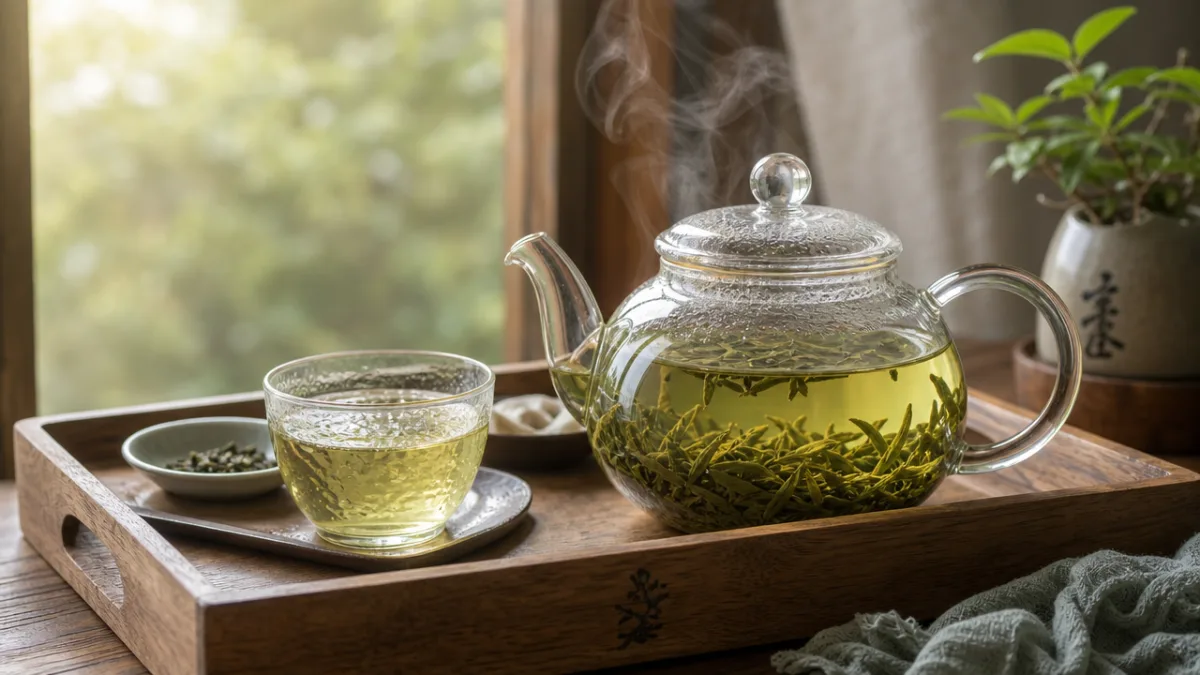
Green tea is made by applying heat to freshly harvested leaves almost immediately after picking, which stops oxidation in its tracks and keeps the leaf’s natural green color and grassy, vegetal flavor intact. In China, this is typically done by pan-firing the leaves in large woks, while Japanese producers tend to use steaming, which gives their teas a distinctly different profile — often described as more marine or umami-forward. Varieties like Dragon Well (Longjing), Gyokuro, Sencha, and Matcha have each built devoted global followings and been the subject of extensive health research.
Oolong tea sits in the wide, fascinating middle ground between green and black tea, with oxidation levels anywhere from fifteen to eighty-five percent. That range allows for remarkable diversity within the oolong category — from lightly oxidized versions that are almost green and floral, to deeply oxidized ones with rich, toasty, fruity character. Black tea goes all the way, undergoing full oxidation that transforms the leaf’s chemical compounds into the bold, malty, amber-hued drink that tea drinkers across Britain, India, and beyond know so well. Then there’s pu-erh, the sixth category and truly one of a kind — it undergoes microbial fermentation, a process that can continue for decades and develops complex, earthy flavors that only get more interesting with age.
Health Benefits and Bioactive Compounds
Camellia sinensis leaves are packed with biologically active compounds that have been catching the attention of researchers, nutritionists, and health professionals for decades. The most talked-about are polyphenols — specifically a group called catechins, which are powerful antioxidants thought to neutralize harmful free radicals in the body. Epigallocatechin gallate, or EGCG, is the most abundant and well-studied catechin in green tea, and it’s been linked in numerous studies to a range of potential benefits including cardiovascular protection, anti-inflammatory effects, and metabolic support.
Tea also contains caffeine and a rather special amino acid called L-theanine, which is found almost exclusively in Camellia sinensis. The way these two compounds interact is genuinely interesting from a neurological standpoint: caffeine on its own can leave you feeling jittery and anxious, but L-theanine seems to soften that edge by promoting a state of calm alertness — no sharp spikes or crashes like you sometimes get with coffee. It’s one of the reasons tea has become increasingly popular with professionals and students who want sustained focus without the overstimulation.
Beyond catechins and L-theanine, Camellia sinensis contains plenty more worth knowing about, including theaflavins and thearubigins in black teas, which develop during oxidation and contribute both color and antioxidant activity. The plant also delivers meaningful amounts of manganese, potassium, and vitamins like B2, B1, and C in less-processed varieties. Regular, moderate tea consumption has been associated in epidemiological research with a lower risk of certain chronic conditions, including type 2 diabetes, stroke, and cognitive decline — though it’s worth noting that correlation in observational studies doesn’t prove causation, and tea is definitely not a medical treatment.
- Catechins (especially EGCG): Powerful antioxidants found in high concentrations in green tea, linked to cardiovascular and metabolic health.
- L-Theanine: A rare amino acid that promotes calm focus and modulates the stimulating effects of caffeine.
- Theaflavins and Thearubigins: Antioxidant polyphenols that develop during oxidation in black and oolong teas.
- Caffeine: A naturally occurring stimulant that improves alertness, concentration, and physical performance.
- Fluoride: Found in tea leaves, contributes to dental health when consumed in moderate amounts.
Cultivation, Terroir, and the Art of Tea Growing
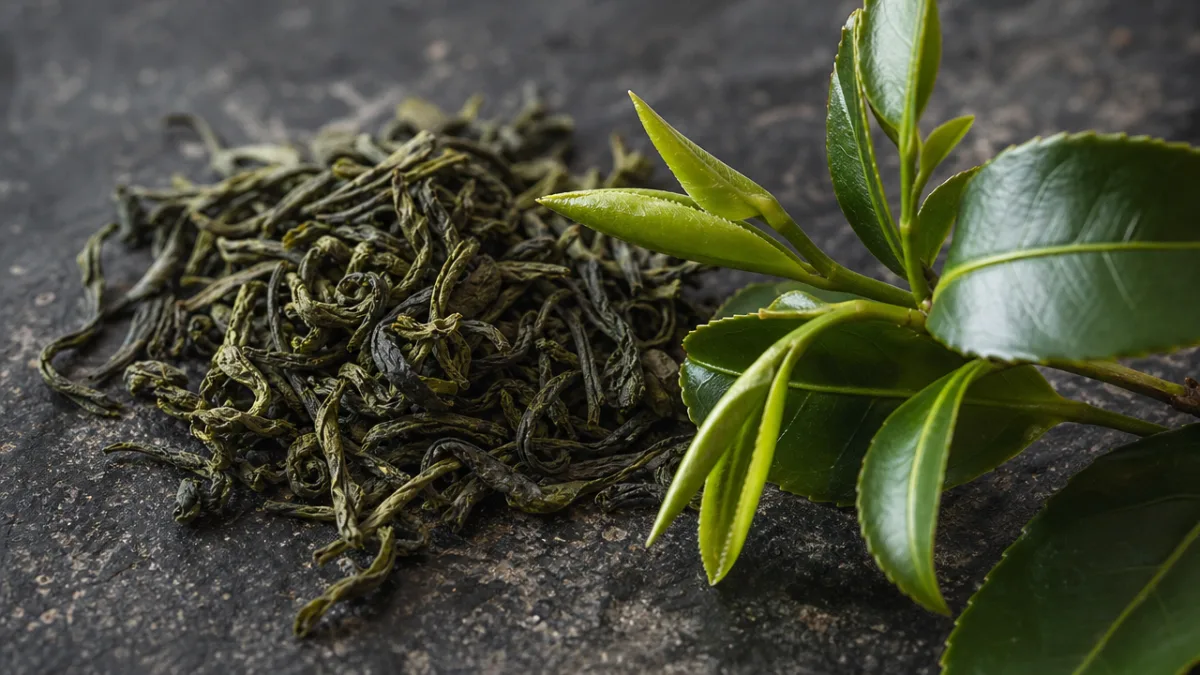
Much like wine grapes or coffee cherries, tea’s flavor is deeply shaped by its terroir — the particular mix of soil, altitude, climate, rainfall, temperature swings, and surrounding ecosystem that defines a growing region. The high-altitude gardens of Darjeeling, India, produce leaves with a distinctive floral, muscatel quality that has made the region’s teas some of the most sought-after and expensive in the world. Taiwan’s central mountain volcanic soils yield oolongs of extraordinary complexity, while the misty highlands of Yunnan province in China give rise to ancient-tree pu-erhs with earthy depth and a capacity to age gracefully for decades.
Growing Camellia sinensis is genuinely labor-intensive work that demands real skill and patience. Tea plants are typically started from seed or cuttings and need several years of careful tending before they’re ready for their first harvest. Once mature, they’re regularly pruned to keep them at a manageable picking height and to encourage the constant production of fresh young shoots — called flushes — throughout the growing season. The most prized harvests tend to happen in spring, when the first new growth of the year emerges, packed with flavor compounds that built up during the plant’s winter dormancy.
Organic and biodynamic farming has gained real momentum in the tea world over the past few decades, pushed along by growing consumer awareness around pesticide residues and environmental impact. Many small-scale farmers — particularly in Japan and parts of China, where traditional agricultural culture runs deep — have long practiced low-intervention farming that lines up naturally with modern organic principles. Shade-grown cultivation, used for premium Japanese teas like Gyokuro and Matcha, involves covering plants with cloth or bamboo structures a few weeks before harvest, which boosts chlorophyll and L-theanine content and is responsible for the vivid green color and savory umami flavor those teas are famous for.
Brewing Techniques and the Culture of Preparation
How you brew tea matters just as much as the quality of the leaves themselves, and tea traditions around the world have each developed their own rich, thoughtful approaches to getting it right. In the Chinese gongfu cha ceremony, small clay teapots — often made from the famous purple Yixing clay of Jiangsu province — are used with high leaf-to-water ratios and multiple short infusions, each lasting only seconds. Every pour yields a slightly different expression of the tea as successive infusions coax out different layers of flavor and complexity. It’s a practice that rewards patience and presence, turning brewing into something genuinely meditative.
The Japanese tea ceremony, known as Chanoyu or Chado, takes a different but equally meaningful approach, built around whisking powdered matcha in a ceramic bowl with a bamboo whisk called a chasen. Deeply influenced by Zen Buddhism, the ceremony is as much a philosophical and aesthetic practice as it is a way of making tea, grounded in principles of harmony, respect, purity, and tranquility. And then there’s the British tradition — strong black tea brewed in a large pot, served with milk and sugar alongside biscuits or pastries — which is warm, democratic, and deeply social. It’s a striking reminder of how profoundly culture shapes our relationship with the same plant’s leaves.
Water quality and temperature are among the most important variables in brewing a truly great cup of tea, and they’re often overlooked. Soft water with low mineral content is generally the better choice — hard water can interfere with the extraction of delicate flavor compounds and leave you with a harsh, metallic taste. Temperature needs vary quite a bit depending on the tea: green and white teas are more sensitive to heat and do best brewed between 70 and 80 degrees Celsius, oolongs generally like water between 80 and 95 degrees, and bold black teas and pu-erh are usually steeped in fully boiling water at 100 degrees. Steeping time is equally important, with most teas benefiting from somewhere between one and five minutes depending on the variety and your own taste.
- Start with fresh, cold, filtered water for the best flavor extraction and clarity.
- Heat water to the appropriate temperature for your specific tea type — use a thermometer for precision.
- Warm your teapot or cup beforehand by rinsing with hot water to maintain a stable brewing temperature.
- Use the correct leaf-to-water ratio, typically one teaspoon or two to three grams of loose leaf tea per 200ml of water.
- Steep for the recommended time and remove leaves promptly to prevent over-extraction and bitterness.
- For multiple infusions, extend steeping time slightly with each successive brew to compensate for diminishing extraction.
Sustainability, Ethics, and the Future of Tea
The global tea industry is one of the largest agricultural sectors on earth, employing tens of millions of people across Asia, Africa, and South America — many of them in conditions that have long drawn criticism from labor rights advocates and ethically minded consumers. Tea pluckers, who are predominantly women in many major producing regions, have historically faced serious challenges: low wages, limited access to healthcare and education, inadequate housing, and real vulnerability to climate change and market price swings. Certification schemes like Fairtrade, Rainforest Alliance, and various organic labels have made genuine progress in improving conditions, but activists are right to point out that there’s still a long way to go across the industry.
Climate change is shaping up to be one of the most serious long-term threats to global tea production. Camellia sinensis is a plant finely tuned to specific conditions of altitude, temperature, and rainfall, and disruptions to those conditions — more intense and unpredictable monsoons, prolonged droughts, rising average temperatures, shifting seasonal patterns — are already affecting the flavor, yield, and quality of teas in some of the world’s most prized growing regions. Darjeeling’s famous spring “first flush” harvest timing has already been thrown off, while Kenyan producers face growing uncertainty around rainfall. Researchers and farmers are actively exploring responses, from shade planting and agroforestry to selectively breeding more climate-resilient cultivars.
Looking ahead, the future of Camellia sinensis and herbal infusions feels both challenging and genuinely exciting. A new generation of tea enthusiasts — especially in markets like the United States, Australia, and Western Europe — is pushing for transparency, quality, and provenance in ways that are reshaping the industry from the ground up. Single-origin teas, rare cultivars, aged pu-erhs, and artisan small-batch blends are attracting serious collectors willing to pay for exceptional quality, while the wellness world keeps finding new ways to work both Camellia sinensis extracts and herbal infusions into an ever-growing array of products. Whether you’re sipping from a centuries-old ceramic bowl during a quiet ceremony or cracking open a cold-brew on your morning commute, the tea plant’s remarkable journey from ancient forest to global cultural icon shows absolutely no sign of slowing down.








What do you think?
It is nice to know your opinion. Leave a comment.