










Creating a Stunning Water Lily Garden for Beginners
Understanding Water Lilies: A Beautiful Beginning
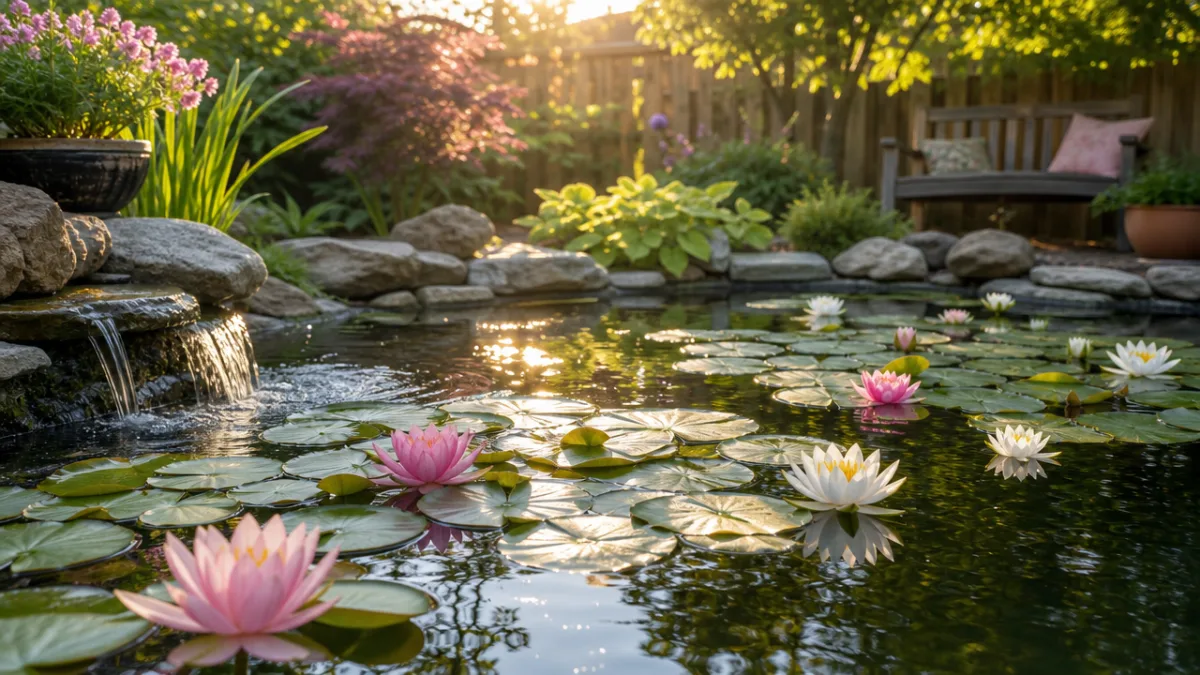
Water lilies are among the most captivating plants you can grow, transforming an ordinary backyard pond or container garden into a scene of serene, natural beauty. These aquatic perennials belong primarily to the genus Nymphaea and have been cultivated for thousands of years, appearing in ancient Egyptian art, French Impressionist paintings, and the tranquil garden pools of Asia. For beginners, the prospect of growing water lilies can feel intimidating, but with the right foundational knowledge, anyone can achieve breathtaking results in their first season.
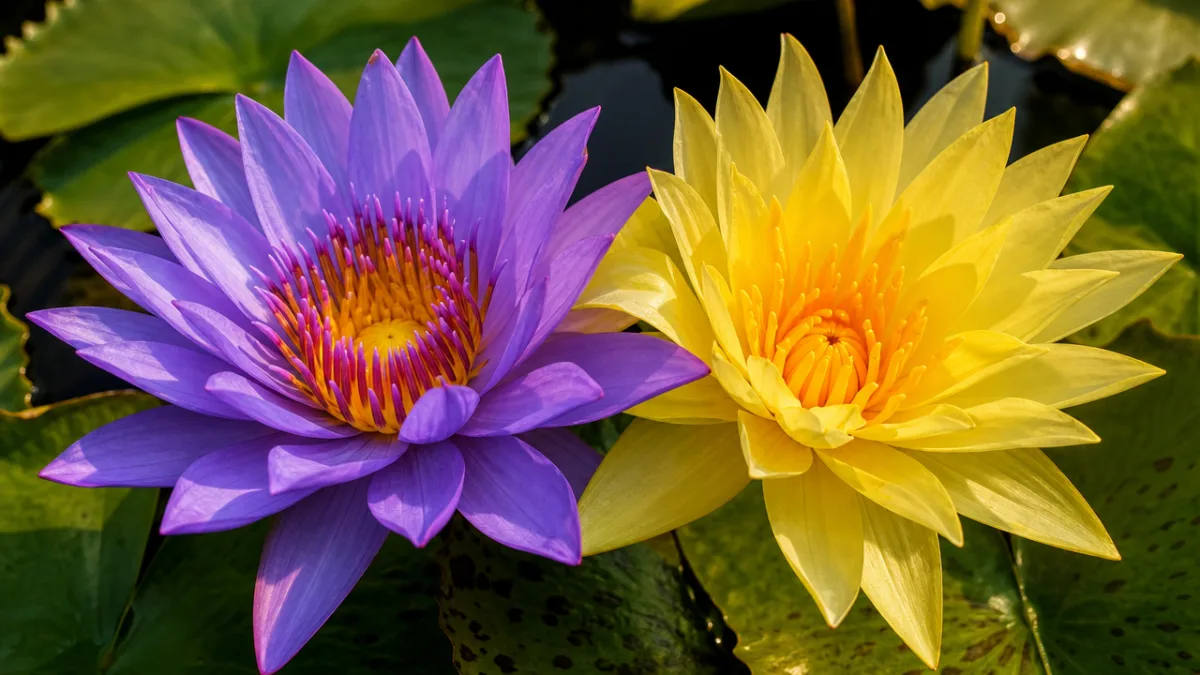
There are two broad categories of water lilies that every beginner should understand before making any purchasing decisions: hardy water lilies and tropical water lilies. Hardy varieties are cold-tolerant and can survive winters in USDA zones 4 through 11, dying back to their rhizomes and re-emerging each spring. Tropical water lilies, on the other hand, thrive in warmer temperatures and are often grown as annuals in cooler climates. They reward gardeners with an extraordinary range of colors, including vivid blues and purples that hardy lilies simply cannot produce, and many tropical varieties bloom at night, adding a magical dimension to evening gardens.
Choosing the right variety for your climate and space is the single most important decision you will make as a beginner water lily gardener. Compact hardy varieties like ‘Perry’s Baby Red’ or ‘Helvola’ are perfect for small containers and tub gardens on patios or balconies. Larger ponds can accommodate spectacular spreaders like ‘Attraction’ with its deep garnet blooms or the classic white ‘Marliacea Albida.’ Taking time to research and select a variety that matches your available sunlight, water depth, and container size will set you up for success and prevent the common frustrations that cause many new water gardeners to give up prematurely.
Choosing the Perfect Location and Container
Sunlight is the single most critical environmental factor for water lily success, and this truth cannot be overstated for beginners. Water lilies require a minimum of six hours of direct sunlight per day, and most varieties perform best with eight to ten hours. Placing your pond or container in a location that receives ample morning and midday sun while perhaps catching some afternoon shade in the hottest climates is an ideal arrangement. Avoid spots that are shaded by large trees, not only because of reduced light but also because falling leaves will decompose in the water and cause problematic algae growth and nutrient imbalances.
The choice between a dedicated garden pond and a container water garden is one that beginners should approach thoughtfully, weighing factors like available space, budget, and long-term maintenance commitment. An in-ground pond offers the most naturalistic aesthetic and the greatest growing room, but it requires excavation, liner installation, and potentially a pump and filtration system. Container water gardens, by contrast, can be set up in a single afternoon using a half whiskey barrel, a glazed ceramic pot, or even a large galvanized stock tank. These portable options are wonderfully flexible, allowing you to move your garden to follow the sun or bring tropical lilies indoors before frost arrives.
Water depth is another variable that directly affects plant health and bloom production. Most hardy water lilies prefer their crowns to be positioned at a depth of twelve to eighteen inches below the water surface, though dwarf varieties can thrive in as little as six inches. Tropical water lilies generally prefer slightly shallower placements of six to twelve inches. You can easily adjust the depth of potted lilies by placing bricks or overturned pots beneath the planting basket, raising or lowering the plant as needed throughout the growing season. Getting the depth right encourages strong leaf and flower stem development and helps the plant access the warmth it needs to initiate blooming.
Planting Your Water Lilies Step by Step
Planting water lilies correctly from the very beginning makes an enormous difference in how quickly they establish and begin flowering. You will need aquatic planting baskets, which are mesh-sided containers specifically designed to allow water circulation around the roots while containing the growing medium. Standard plastic pots with solid sides can trap gases from decomposing organic matter and lead to root rot, so investing in proper aquatic baskets is genuinely worthwhile. Line the basket with burlap if the mesh holes are large enough to allow soil to escape, which will keep your water clean and clear throughout the season.
The growing medium for water lilies should be heavy, clay-based garden soil or a specially formulated aquatic planting mix. The key is to avoid any soil that contains perlite, vermiculite, bark, or other lightweight organic additives that will float out of the basket and cloud the water. Fill the basket about two-thirds full with your chosen medium, then position the rhizome with the growing tip pointing toward the center of the basket at a slight upward angle. The crown, where the leaves emerge, should sit just at or barely above the soil surface. Pack additional soil firmly around the rhizome, leaving about an inch of space at the top for a layer of pea gravel.
That top layer of pea gravel serves multiple important functions that beginners often overlook. It weighs down the soil to prevent it from floating away when the basket is lowered into the water, it discourages fish from digging in the planting medium and uprooting the rhizome, and it creates a clean barrier that helps keep the water clear. Once your basket is prepared, water it thoroughly from the top before submerging it, which helps saturate the soil and reduce initial cloudiness. Lower the basket gently into position, ideally on a support that places the growing tips just below the water surface initially, so the young leaves can reach light quickly as the plant establishes.
Feeding, Fertilizing, and Water Quality
Water lilies are vigorous feeders that benefit significantly from regular fertilization throughout their growing season, typically from late spring through early fall. Aquatic plant fertilizer tablets or spikes are the most practical and effective delivery method for container and pond plantings. These slow-release tablets are pushed directly into the soil near the root zone of the plant, releasing nutrients gradually without creating the water quality problems associated with liquid fertilizers. A general guideline for established plants is to add one fertilizer tablet per gallon of soil volume once a month during the growing season, though some growers prefer to fertilize every three to four weeks for maximum blooming.
Water quality management is an ongoing responsibility that connects directly to both plant health and the overall beauty of your water garden. The ideal water pH for water lilies falls between 6.5 and 7.5, and testing your water periodically with an inexpensive aquarium test kit will help you catch any imbalances before they affect your plants. Rainwater is generally excellent for water gardens due to its soft, slightly acidic nature, while municipal tap water may contain chlorine or chloramine that can stress aquatic plants. Allowing tap water to sit in buckets for twenty-four to forty-eight hours before adding it to your garden allows chlorine to dissipate, though chloramine requires a dechlorination treatment product to neutralize effectively.
Algae control is one of the most common challenges beginners encounter and one that causes significant frustration when left unaddressed. A small amount of green algae is perfectly normal and even beneficial as part of a balanced aquatic ecosystem, but excessive algae blooms indicate a nutrient imbalance or too much direct sunlight on open water. The most elegant and effective solution is to allow your water lily pads to cover approximately sixty to seventy percent of the water surface, which naturally shades out algae by limiting the light it needs to photosynthesize. Adding aquatic companion plants like water hyacinth, pickerel rush, or submerged oxygenators like hornwort further helps compete with algae for the excess nutrients that fuel its growth.
Seasonal Care and Winterizing Your Water Lily Garden
Spring is the season of anticipation for water lily gardeners, when the combination of warming water temperatures and lengthening days triggers the rhizomes back into active growth. For hardy varieties overwintered in the pond, you will begin to see small, tightly furled leaves pushing up from the depths in early to mid-spring, signaling that it is time to begin thinking about fertilization and any needed repotting. This is the ideal moment to inspect your plants, divide overcrowded rhizomes, and refresh the planting medium if necessary. Tropical lilies that were stored dormant indoors can be returned to outdoor containers once nighttime temperatures consistently remain above sixty degrees Fahrenheit and the water temperature stabilizes above seventy degrees.
Summer maintenance is largely a matter of consistent observation and routine grooming to keep your water lily garden looking its absolute best. Deadheading spent blooms is an important practice that encourages continuous flowering by preventing the plant from redirecting energy toward seed production. Individual water lily blooms typically last three to four days, opening in the morning and closing in the early afternoon, so checking daily and removing any blooms that have turned brown and begun to decay is both aesthetically important and beneficial for water quality. Removing yellowing or damaged leaves at their base with a sharp knife also improves the garden’s appearance and reduces the organic load in the water, which in turn supports clearer water and healthier plants.
Preparing your water lily garden for winter requires different approaches depending on whether you are growing hardy or tropical varieties and the severity of winters in your region. Hardy water lilies in ponds deep enough not to freeze solid can simply be lowered to the deepest part of the pond, where they will enter dormancy naturally. In very cold climates where the pond may freeze entirely, lift the baskets after the first frost kills the foliage, trim away all dead leaves, and store them in a cool, frost-free location like an unheated garage, keeping the soil barely moist but not wet. Tropical lilies must be brought indoors before any frost, either kept growing in a heated aquarium or greenhouse, or stored as dormant tubers in slightly damp sand at a temperature between fifty and sixty degrees Fahrenheit until the following spring.
Companion Plants and Creating a Complete Water Garden Ecosystem
Water lilies achieve their fullest visual impact when thoughtfully combined with companion aquatic and marginal plants that create layers of texture, color, and seasonal interest throughout the growing year. Tall emergent plants like blue flag iris, cattails, and Louisiana iris can be planted along the shallow edges of a pond or in separate baskets positioned at the shelf depth, creating vertical accents that contrast beautifully with the horizontal spread of lily pads. For smaller container gardens, miniature cattails or dwarf papyrus provide elegant height without overwhelming the space, while water hawthorne offers delicate white flowers that bloom in spring and fall when lilies are not yet at their peak.
Floating plants play both aesthetic and functional roles in a well-designed water garden ecosystem. Water hyacinth, with its glossy green rosettes and lavender flower spikes, is a popular choice that simultaneously beautifies the surface, oxygenates the water through its roots, and aggressively absorbs the excess nutrients that feed algae. Water lettuce produces soft, velvety rosettes in a pleasing pale green and provides excellent shade and shelter for fish. It is worth noting that both water hyacinth and water lettuce are considered invasive in warm southern states, so gardeners in Florida, Louisiana, and similar climates should research locally appropriate alternatives or ensure that plants never escape into natural waterways.
Introducing fish to your water lily garden elevates it from a simple planting project to a genuinely living, self-sustaining ecosystem that rewards daily observation and deepens your connection to the natural world. Goldfish and koi are the most popular choices, providing movement, color, and the practical benefit of consuming mosquito larvae before they hatch into biting adults. Fish waste also provides a gentle, natural fertilization effect that supports plant growth. When selecting fish, be mindful of scale: large koi can uproot water lily baskets and disturb the growing medium, so they are best reserved for larger ponds where there is room for both plants and fish to thrive without competing for space.

Troubleshooting Common Problems for New Water Gardeners
Even the most carefully tended water lily garden will encounter challenges, and understanding the most common problems before they arise allows you to respond quickly and confidently rather than watching your plants decline while searching for answers. Leaf-eating insects, particularly the water lily aphid and the water lily leaf beetle, are among the most frequently encountered pests. Aphids appear as clusters of tiny green or black insects on the undersides of pads and along flower stems, while leaf beetle larvae create characteristic notched or skeletonized feeding damage on the leaf surface. The most effective and environmentally friendly treatment for both is simply to hose the affected leaves down into the water, where fish will eagerly consume the dislodged pests.
Crown rot is a serious fungal disease that can devastate water lilies quickly if not caught early, presenting as soft, blackened, foul-smelling tissue at the base of the leaf stems where they connect to the rhizome. It most commonly develops in plants that have been damaged by frost, planted too deeply, or stressed by poor water quality. If you discover crown rot, remove the plant from the water immediately, cut away all affected tissue with a clean, sharp knife until you reach healthy white or cream-colored flesh, and treat the wound with a fungicide before repotting in fresh soil. In severe cases the rhizome may be too far gone to save, but early intervention frequently rescues affected plants and allows them to recover and bloom again within the same season.
Failure to bloom is perhaps the most demoralizing problem a beginning water lily gardener can face after months of careful tending, but it almost always has an identifiable and correctable cause. Insufficient sunlight is by far the most common culprit, as water lilies simply will not flower reliably without those six to eight hours of daily direct sun. Other frequent causes include overcrowding, where a root-bound plant diverts all its energy into foliage rather than flowers; nutrient deficiency from inadequate or absent fertilization; and water that is too cold, particularly for tropical varieties attempting to bloom in early spring before the water has warmed sufficiently. Diagnosing the problem systematically by evaluating sunlight, fertilization schedule, pot size, and water temperature will nearly always reveal the solution and get your garden back on track toward the stunning blooms you envisioned.
- Yellowing leaves often indicate iron deficiency or excessively alkaline water; test and adjust pH, and consider an aquatic fertilizer with micronutrients.
- Rapidly cloudy water typically signals too much fish waste, overfertilization, or disturbed planting medium; allow water to settle and review your fertilization practices.
- Sparse leaf coverage in an established plant usually means it needs dividing or repotting into fresh growing medium with renewed fertilizer tablets.
- Holes in lily pads point to insect damage from beetles or caterpillars; inspect leaf undersides carefully and remove pests by hand or with a gentle water spray.
- Plant floating free of its basket is often caused by fish activity or gas buildup under the pad; reanchor the basket and consider adding a heavier gravel layer on top.
Patience is perhaps the most important quality a water lily gardener can cultivate, and it is fitting that the word itself shares a root with the peaceful, unhurried nature of aquatic gardening. Many beginners expect instant results and become discouraged when a newly planted water lily spends its first few weeks sending up modest leaves without a single flower bud in sight. This establishment period is entirely normal and necessary, as the plant is investing its energy in building a strong root system before committing resources to reproduction. By the second year in a permanent pond or large container, a well-cared-for water lily will typically reward its gardener with an abundance of blooms that make every early challenge seem trivial in retrospect, transforming your outdoor space into a sanctuary of natural beauty that draws admiring visitors and brings daily joy throughout the summer season.








What do you think?
It is nice to know your opinion. Leave a comment.