










Best Bulbs to Plant This Fall for Flowers All Season Long Next Year
Why Fall Is the Secret Season for Spring Color
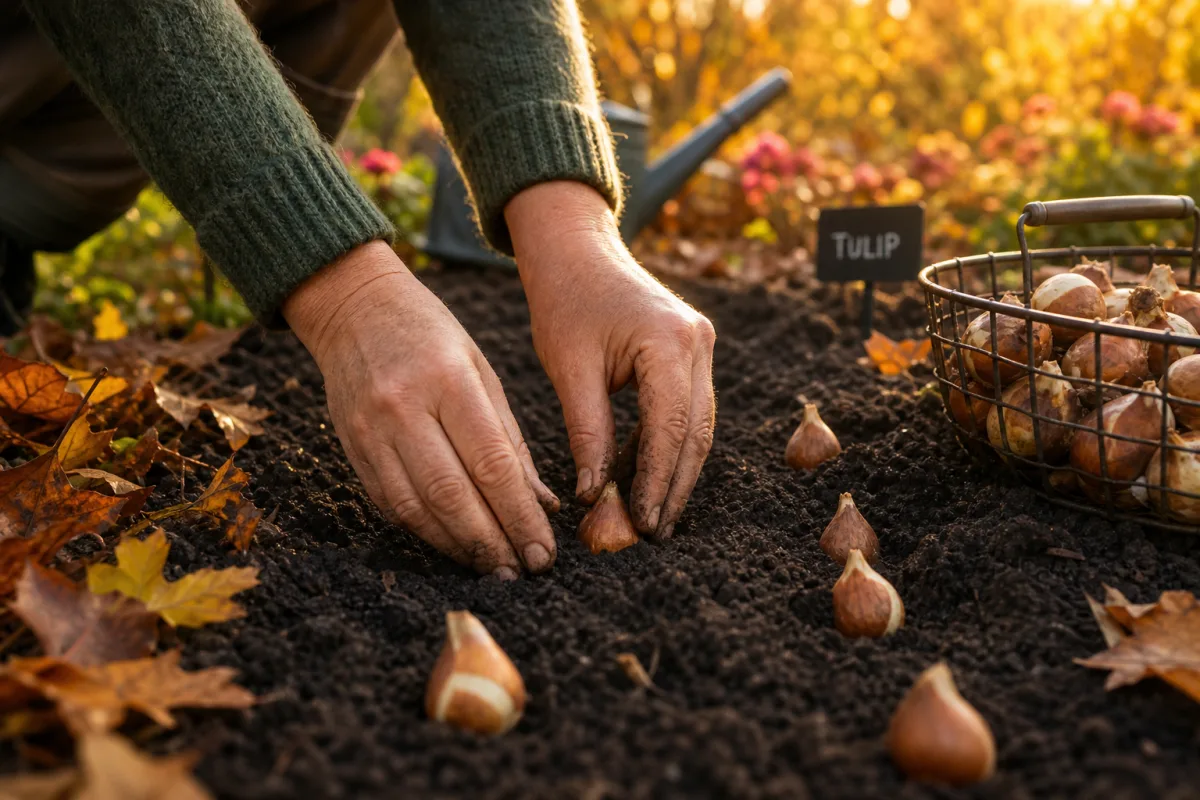
Most people think of spring as planting season, but seasoned flower growers will tell you the real magic actually starts in autumn. Planting bulbs in fall is one of the best things you can do for your garden, because a few hours of work in October or November pays off with stunning blooms that can start appearing as early as February and keep going well into early summer. Honestly, the anticipation alone makes it worth every shovelful.
Here’s why the timing matters: bulbs planted in fall need a stretch of cold dormancy to kick off the biological processes that eventually produce flowers. This chilling requirement — gardeners call it vernalization — prompts the bulb to quietly grow its root system all winter long, stockpiling energy that gets released the moment the soil starts to warm up. Skip the cold period, and most spring-blooming bulbs simply won’t flower. That makes fall your one real window to get them in the ground.
There are practical perks too. Garden centers put out their best bulbs in fall — the biggest, firmest ones — so you get first pick before supplies run low. The cooler air makes the actual digging a lot more pleasant than sweating through it in summer heat. And once they’re in the ground, winter does the rest of the work while you’re inside planning next year’s garden over a hot drink.
Understanding Hardiness Zones and Why They Matter for Bulb Selection
The USDA Plant Hardiness Zone Map breaks North America into zones based on average annual minimum winter temperatures, from Zone 1 (interior Alaska, bitterly cold) to Zone 13 (parts of Hawaii and Puerto Rico, essentially tropical). For bulb gardeners, knowing your zone isn’t just helpful — it’s the single most important thing that determines which bulbs will actually work for you, when to plant them, and whether they’ll come back year after year or need to be treated like annuals.
Zones 3 through 7 are the sweet spot for classic spring bloomers like tulips, daffodils, and hyacinths. These zones get reliably cold winters that give bulbs the long chill they need. If you’re in Zone 3, you’re dealing with deeply frozen ground and need to plant on the earlier side of fall. Zone 7 gardeners are right at the warm edge of reliable performance for the more cold-demanding varieties. Knowing where you fall on that spectrum helps you shop smarter and saves you from disappointment come spring.
Warmer zones — particularly 8 through 10 — are a different story. Many classic spring bulbs were bred for cold winters and just won’t perform without that chill. But that doesn’t mean warm-climate gardeners are out of luck. A growing selection of heat-tolerant bulbs, pre-chilled bulbs sold specifically for warmer regions, and DIY cold-treatment tricks using your refrigerator have made spring bulb gardening genuinely accessible to Sunbelt gardeners in ways it simply wasn’t a generation ago.
Top Bulbs for Zones 3–5: Cold-Climate Powerhouses
If you’re gardening in Zones 3 through 5 — think the Upper Midwest, New England, and most of Canada — those brutal winters are actually an asset. Tulips absolutely love that kind of cold, and Darwin Hybrid varieties are especially well suited here. They produce big, bold blooms on tall, sturdy stems in mid-spring, and varieties like “Apeldoorn” and “Ollioules” will reliably come back for several years as long as you’ve got decent drainage.
Daffodils, or Narcissus, are another must-have for cold-climate gardens and genuinely one of the most easygoing bulbs you can grow. Unlike tulips, they’re deer-resistant and almost completely pest-proof, thanks to a compound in their tissue that nothing really wants to eat. In Zones 3 through 5, daffodils naturalize beautifully — they spread and multiply year after year with almost no help from you. Mix early, mid, and late-season varieties like “February Gold,” “Ice Follies,” and “Thalia” and you can stretch the bloom period across six weeks or more.
Don’t overlook the smaller stuff either. Siberian squill (Scilla siberica), glory-of-the-snow (Chionodoxa), and species crocus are remarkably tough little bulbs that push right through snow and frozen ground with a cheerfulness that feels almost defiant. They often bloom in late February or early March — sometimes the first color you’ll see all year — and they naturalize aggressively, slowly filling bare patches under trees and along pathways with carpets of blue, purple, and white. Showy tulips and daffodils tend to steal all the attention, but these minor bulbs are quietly doing some of the most important work in the early-spring garden.
Best Bulbs for Zones 6–7: The Versatile Middle Ground
Zones 6 and 7 might be the most exciting range for bulb enthusiasts. Winters are cold enough to satisfy most traditional spring bloomers, but mild enough to experiment with some species that wouldn’t survive further north. This covers a wide stretch of the country — the Mid-Atlantic, the Pacific Northwest lowlands, the upper South, parts of the Midwest — and gardeners here generally have the broadest palette to work with and tend to pull off some of the most spectacular displays.
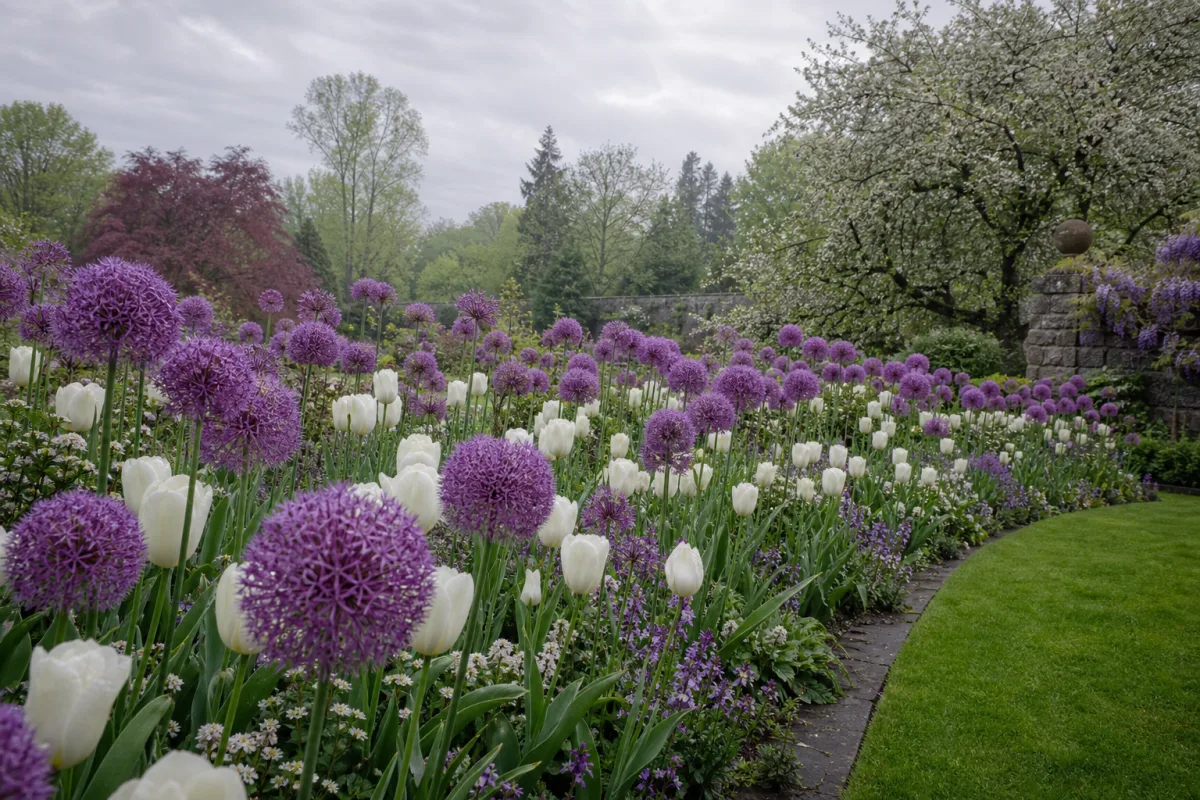
Ornamental alliums don’t get nearly the attention they deserve in home gardens, and that’s a shame. These architectural bulbs throw up globe-shaped flower heads in purples, whites, and pinks on tall, elegant stems in late spring and early summer, perfectly filling the gap after tulips fade and before summer perennials hit their stride. “Gladiator,” “Globemaster,” and the impressively named “Allium giganteum” all perform beautifully in Zones 6 and 7. Even after the flowers are gone, their dried seed heads add structural interest well into fall, making alliums one of the hardest-working bulbs you can plant.
Zones 6 and 7 are also where some lesser-known bulbs really shine. Summer snowflake (Leucojum aestivum), Spanish bluebells (Hyacinthoides hispanica), and camassias all thrive here and bring a relaxed, cottage-garden feel to the landscape. Camassias in particular are worth seeking out — tall spikes of star-shaped blue flowers appear just as tulips are wrapping up, and they’re unusually tolerant of wet soil that would rot most other bulbs. If you have a low spot or a rain garden you’ve struggled to plant, camassias might be exactly what you’ve been looking for.
Warm-Climate Options for Zones 8–10: Beating the Heat
Gardeners in the South, Southwest, California, and the Gulf Coast face real constraints when it comes to classic spring bulbs, but they also get to grow some extraordinary alternatives that cold-climate gardeners can only dream about. The key is working with your climate instead of fighting it — choosing bulbs that are naturally suited to mild winters, or pre-chilling ones that need some help. Neither approach is quite as simple as planting in a cold-winter garden, but both are very much worth the effort.
Pre-chilling tulips and hyacinths is a straightforward technique that’s widely used in warm-climate gardening. You just put your dry, unplanted bulbs in a paper bag in the refrigerator — away from any fruit, which releases ethylene gas that can damage them — for eight to twelve weeks before planting. Then in late December or January, when even Zone 9 gardens have cooled off a bit, you plant them out for a late-winter or early-spring show. They’ll bloom beautifully, but don’t expect them to come back — in warm climates, treat them as annuals and replant fresh bulbs each fall for reliable results.
Ranunculus and anemones, on the other hand, actually love mild winters and are among the most breathtaking cut flowers a home gardener can grow. In Zones 8 through 10, plant them in fall for blooms in late winter and spring that honestly rival what you’d find at a high-end florist. The “Elegance” and “Butterfly” ranunculus series produce layer upon layer of silky petals in creamy whites, deep reds, and every warm shade in between. Italian anemones (Anemone coronaria) offer jewel-bright blooms with dark centers that just don’t perform well in cold climates — which means warm-zone gardeners have every right to feel a little smug about this one.
How to Plant Bulbs Correctly for Maximum Performance
Even great bulbs will let you down if they go in the ground wrong. The most fundamental rule is depth: most bulbs should be planted at about two to three times their own diameter. For a large tulip bulb that’s two inches across, that means four to six inches deep to the base of the bulb. Too shallow and they’re vulnerable to frost heaving and temperature swings; too deep and the shoot may run out of energy before it ever reaches the surface. When you’re not sure, go a little deeper rather than shallower.
Drainage matters just as much. Bulbs are basically starch-and-moisture storage units, and they rot quickly in waterlogged soil. If your garden has heavy clay, work in some coarse grit, perlite, or compost before you plant, or go with raised beds where you can control drainage entirely. A quick test: dig a hole, fill it with water, and see how fast it drains. If you’re still looking at a puddle an hour later, most bulbs are going to struggle there without some soil improvement.
Feeding your bulbs at planting time sets them up for the long haul. A balanced slow-release granular fertilizer or some bone meal worked into the bottom of the planting hole gives them the phosphorus they need for strong root development over winter. Just as important — and far more commonly skipped — is the post-bloom feeding in spring. Once flowers fade, the foliage keeps photosynthesizing and pushing energy back into the bulb for next year. Apply a dilute liquid fertilizer and let the leaves die back on their own rather than cutting them off early. That’s really the difference between bulbs that come back strong year after year and ones that fizzle out after one season.
Getting your timing right within your zone makes a real difference too. The sweet spot is when soil temperatures have dropped below 60°F but before the ground freezes. A soil thermometer takes all the guesswork out of it. Here are some general planting windows to work from:
- Zone 3: Plant from mid-September through early October before early freezes lock the soil.
- Zone 4: Mid-September through late October is the reliable window for most bulbs.
- Zone 5: October is generally the ideal month, with early November still workable for many species.
- Zone 6: October through mid-November provides ample time and ideal soil temperatures.
- Zone 7: November and even into early December for most traditional bulbs.
- Zones 8–10: November through January for pre-chilled bulbs and naturally adapted species like ranunculus and anemones.
Creating a Season-Long Bloom Succession Plan
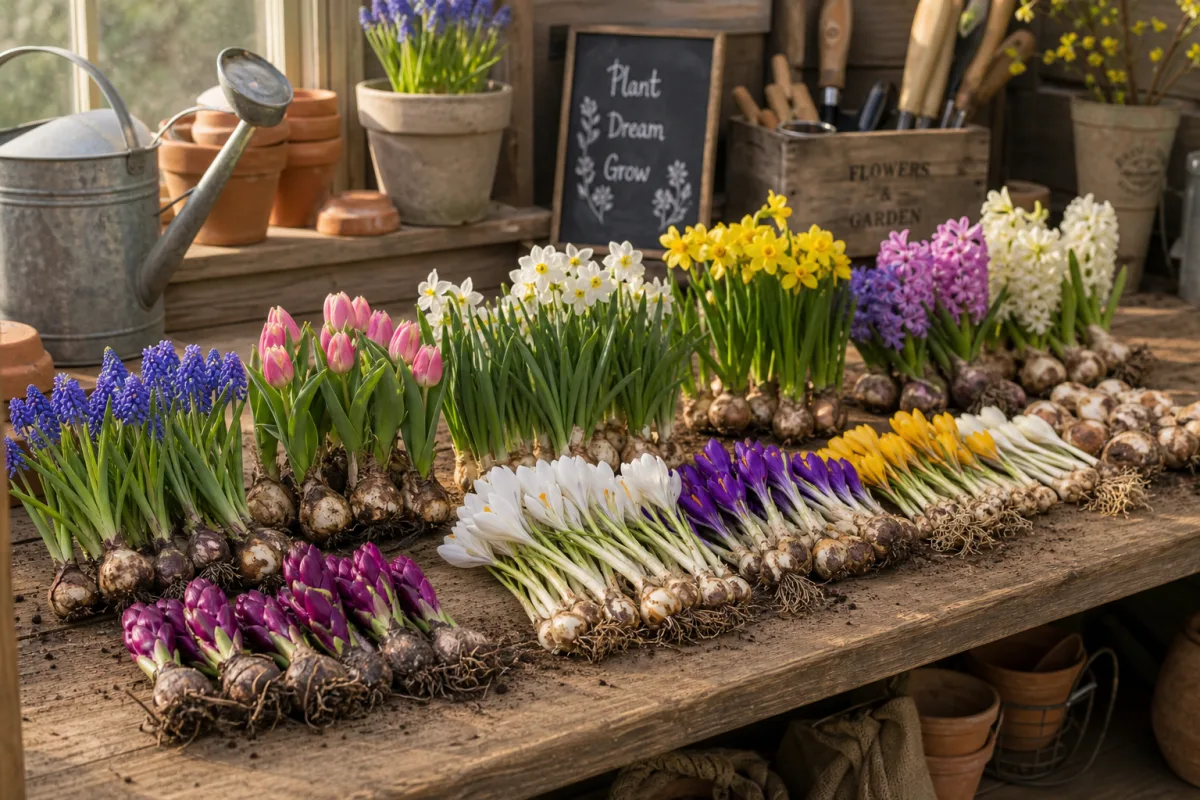
The gardeners who get the most out of their bulbs aren’t just grabbing whatever looks good at the garden center — they’re thinking in sequences, planning blooms that roll from the first late-winter snowdrops all the way through early summer. Sometimes called the “bulb lasagna” method when done in containers, the idea is to layer different species with different bloom times so that as one wave of flowers finishes, the next one is already coming up beneath it. Plan it well once, and it’ll keep delivering for years.
The earliest performers — snowdrops (Galanthus), winter aconite (Eranthis), and early crocus — often bloom from late January through early March depending on your zone, sometimes pushing right through snow. It’s exactly the kind of color you need most after a long grey winter. Daffodils, hyacinths, and early tulips follow in mid-spring, and then mid and late tulips, alliums, and camassias carry the show through May and into June. Plant generously at each layer — bulbs are cheap enough that being stingy here is a real mistake — and you’ll get that lush, naturalistic effect that looks effortless in photos but takes a little planning to pull off.
If you’re gardening in a small space or on a balcony, containers open up basically all of the same options. Use deep pots — at least twelve inches — and layer your bulbs at different depths: large tulips at the bottom, medium daffodils in the middle, small crocus or grape hyacinths near the top. They’ll bloom in waves from a single pot. In cold zones, move the containers to an unheated garage or shed over winter so bulbs get their chill without the freeze-thaw cycles that crack terra cotta. Come spring, bring them into the sun and let the show begin.
Keeping notes might sound like a chore, but even just a quick photo of each planted area with the variety names jotted down transforms how you garden over time. When something works spectacularly — say, purple “Negrita” tulips coming up through a carpet of blue grape hyacinths — you’ll want to do it again, bigger, next fall. When something flops, your notes help you figure out whether it needed more depth, better drainage, more sun, or a different variety altogether. The most beautiful bulb gardens are almost always the result of a few seasons of paying attention, making adjustments, and enthusiastically repeating whatever worked.








What do you think?
It is nice to know your opinion. Leave a comment.