










Beige Crochet Earrings: The Art of Handmade Cotton Jewellery with Pearl Accents
The Renaissance of Handcrafted Jewellery in Modern Fashion
In an era dominated by mass production and fast fashion, there is a quietly growing movement that celebrates the beauty of things made slowly, carefully, and with intention. Handmade jewellery, particularly pieces crafted from textile materials like cotton and crochet, has experienced a remarkable resurgence in recent years. These pieces speak to a consumer who values uniqueness, sustainability, and the unmistakable warmth that comes from an object touched by human hands at every stage of its creation.
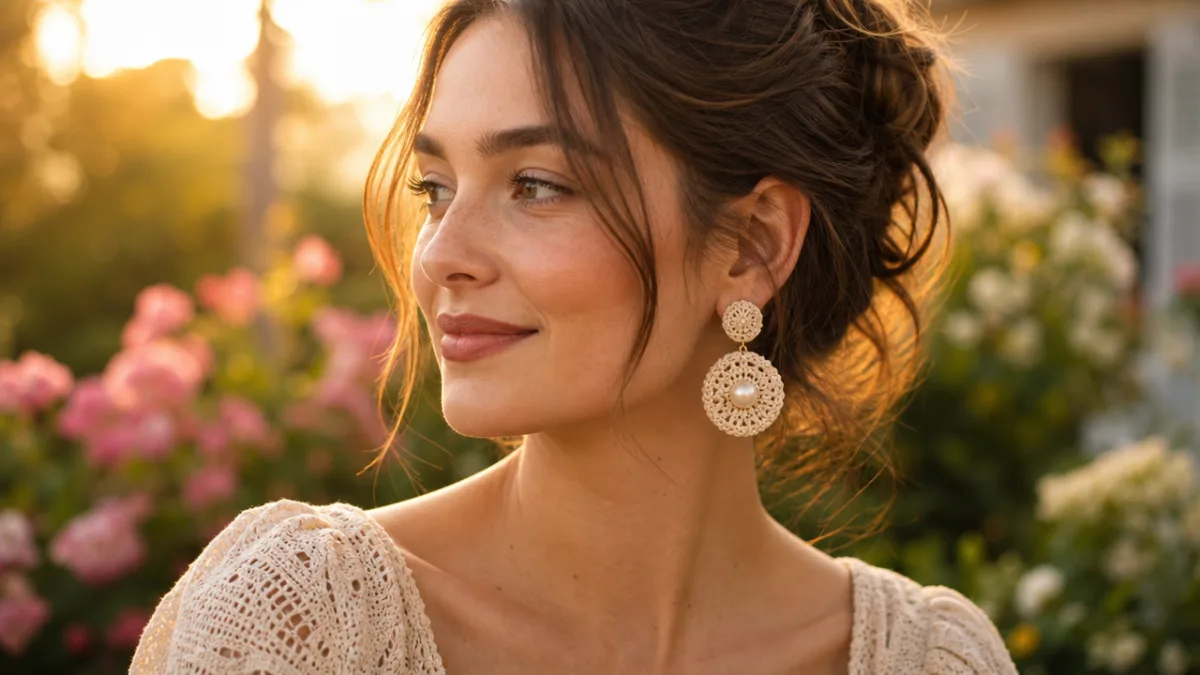
Beige crochet earrings adorned with pearl bijouterie sit at the very heart of this revival. They combine two aesthetic traditions that have endured across centuries: the delicate lacework of crochet, which traces its origins to 16th-century Europe, and the timeless elegance of pearls, which have symbolised refinement and femininity across virtually every culture in recorded history. Together, these elements create a piece of jewellery that feels simultaneously ancient and contemporary, artisanal and chic.
What makes this type of accessory particularly compelling is its ability to transcend seasonal trends. While metal and gemstone jewellery often feels tied to specific design movements or periods, handmade cotton earrings with pearl accents carry a quiet versatility. They work equally well dressed up for an evening occasion as they do paired with a linen blouse on a summer afternoon. Their neutral beige palette ensures they complement a wide spectrum of skin tones and wardrobe choices, making them a genuinely wearable piece of wearable art.
Why Consumers Are Choosing Handmade Over Mass-Produced
The shift toward handmade accessories is not merely an aesthetic preference but a values-driven choice. Today’s conscious consumer increasingly questions where their products come from, who made them, and under what conditions. Handmade cotton jewellery offers a transparent answer to all of these questions. When you purchase a pair of beige crochet earrings from an independent artisan, you are typically buying directly from the person whose hands shaped every loop and knot, whose eye chose each pearl, and whose creative vision guided the finished form.
There is also a psychological dimension to owning handmade goods that mass-produced items simply cannot replicate. Research in consumer psychology consistently finds that people attribute greater value and emotional significance to objects they know required significant human effort and skill. A crochet earring that took an artisan an hour to create carries a story within it — of patience, of practised technique, of aesthetic decision-making. This narrative dimension transforms a simple accessory into something closer to a keepsake.
Furthermore, the handmade market supports independent creators, small businesses, and craft traditions that might otherwise disappear in the face of industrial competition. Every purchase of handmade jewellery is, in a small but meaningful way, a vote for a more human-centred economy. Platforms like Pinterest and Etsy have been instrumental in connecting these skilled makers with a global audience, allowing a crocheter working from a home studio to reach customers across continents who genuinely appreciate and seek out their particular style of work.
The Craft of Crochet: Technique, History, and Artistry
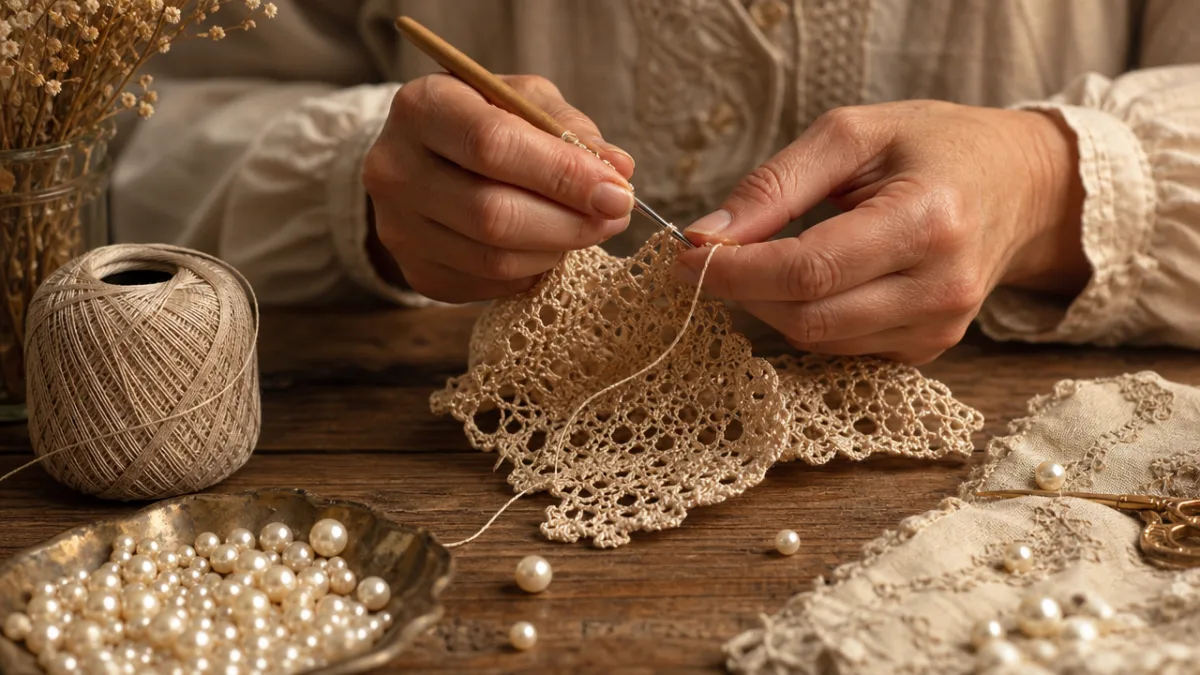
Crochet is a textile art form that involves creating fabric from yarn or thread using a hooked needle to interlock a series of loops. Though often associated in the popular imagination with blankets and sweaters, crochet is an extraordinarily versatile technique capable of producing structures of remarkable intricacy and delicacy. When applied to jewellery-making, particularly using fine cotton thread, crochet yields results that can rival the finest lacework for elegance and visual complexity.
The history of crochet as a jewellery technique is intimately connected to the history of Irish lace, which became a vital cottage industry during the 19th century. During the Great Famine, Irish women and children produced fine crochet lace as a means of economic survival, and their work gained such acclaim that it was worn by Queen Victoria and sold to the most fashionable households in Europe. This history lends crochet jewellery a layered cultural significance: it is not merely a craft but a survival art, a form of female ingenuity and resilience that has been passed down through generations.
Modern crochet earring makers build on this rich tradition while bringing their own contemporary sensibilities to the form. Working with fine mercerised cotton thread — chosen for its subtle sheen, its durability, and its gentle softness against the skin — today’s artisans create miniature crochet structures that may incorporate geometric patterns, floral motifs, or abstract forms. The beige palette that characterises so much contemporary crochet jewellery reflects current aesthetic preferences for warmth, naturalness, and understated elegance, aligning the craft beautifully with the broader visual language of slow fashion and biophilic design.
Understanding the Materials: Cotton Thread and Its Qualities
The choice of cotton as the primary material for these earrings is no accident. Cotton is a natural fibre with a long history of use in textile arts precisely because of its unique combination of qualities. It is strong yet soft, absorbent yet breathable, and it takes dye beautifully, producing colours of depth and evenness that synthetic alternatives often struggle to match. For jewellery applications, fine cotton thread offers an additional advantage: it holds its shape well once worked into a crochet structure, especially when lightly starched or blocked.
Mercerised cotton, the variety most commonly used in fine crochet jewellery, has been treated with a caustic soda solution that swells the fibres and increases their lustre. This process gives mercerised cotton a silk-like sheen that elevates the finished piece, adding a subtle luminosity that catches the light in a way that plain cotton cannot. The beige tones used in earrings like these typically derive from either natural undyed cotton — which retains the warm creamy colour of the raw fibre — or from carefully chosen dyes that replicate that organic warmth.
Cotton is also an excellent choice from a sustainability perspective. As a natural, biodegradable fibre, cotton does not persist in the environment the way synthetic materials do. When sourced responsibly — ideally from organic or fair-trade certified producers — cotton jewellery carries a significantly lower environmental footprint than accessories made from plastic, acrylic, or metal components that require energy-intensive extraction and processing. For the environmentally conscious consumer, this matters enormously and adds another layer of appeal to handmade cotton earrings.

Pearl Bijouterie: The Element That Elevates
The addition of pearl accents to crochet earrings is a masterstroke of material combination. Pearls bring a coolness and luminosity that beautifully offsets the warm, matte texture of cotton crochet, creating a visual dialogue between two very different surface qualities. This contrast is central to the appeal of these earrings: the organic warmth of the handworked cotton plays against the refined shimmer of the pearl, producing an effect that is neither purely rustic nor entirely formal, but something more interesting and nuanced than either would be alone.
The term “bijouterie” itself comes from the French word for jewellery and connotes a certain artisanal quality — bijouterie traditionally refers to jewellery made with non-precious or semi-precious materials worked with skill and creativity to produce pieces of genuine beauty and character. Pearl bijouterie, therefore, encompasses a wide range of pearl types, from genuine freshwater pearls cultivated in rivers and lakes to high-quality glass or acrylic pearl imitations that are themselves the product of considerable craft. Both types have a legitimate place in handmade jewellery, and each brings its own set of qualities and price points to the work.
Freshwater pearls, which are the most accessible type of genuine pearl, are cultivated primarily in China and are available in a wide range of sizes, shapes, and colours. Their natural irregularities — slight variations in shape, surface texture, and lustre — actually enhance their appeal in handmade jewellery contexts, where perfection is not the goal and where the traces of natural processes are valued rather than hidden. Paired with the equally organic textures of hand-crocheted cotton, freshwater pearls create an aesthetic coherence that feels genuinely artisanal and beautifully considered.
Styling Crochet and Pearl Earrings: Versatility in Practice
One of the most compelling arguments for investing in a pair of beige crochet and pearl earrings is their extraordinary versatility. Unlike statement jewellery that demands a specific context or outfit type, these earrings possess an adaptable elegance that allows them to enhance an enormous range of looks. Their neutral, warm beige tone serves as a visual bridge between virtually any colour palette, while their textural complexity ensures they add genuine visual interest without overwhelming neighbouring design elements.
For daytime casual wear, these earrings pair beautifully with natural fabrics: linen shirts, cotton dresses, chambray blouses, and knitted tops all provide sympathetic companions for the crochet texture and pearl accents. The earrings add a note of intentional accessorising without making the overall look feel overdressed or effortful. In the language of French style — which places enormous value on precisely this quality of effortless elegance — crochet and pearl earrings occupy an ideal position: they signal taste and care without appearing to try too hard.
For more formal occasions, the pearl element of these earrings does important work in elevating the overall impression. Pearls carry centuries of association with refinement and occasion, and their presence in even a casual crochet format lends the earrings sufficient gravitas for a dinner party, a wedding guest outfit, or a professional context where personality and individuality are welcome. The beige palette also harmonises beautifully with the ivory, cream, and champagne tones common in formal wear, making these earrings a natural choice for bridal accessories or bridesmaids’ gifts.
Caring for Handmade Cotton Jewellery
Handmade cotton jewellery rewards attentive care with longevity. Unlike metal or hard-stone jewellery that can tolerate relatively rough handling, textile-based pieces require a more thoughtful approach to storage and maintenance. The good news is that with simple, consistent care practices, a well-made pair of crochet earrings can last for many years while retaining their shape, colour, and structural integrity. Understanding the needs of cotton as a material is the first step toward becoming a responsible custodian of these delicate pieces.
Storage is perhaps the most important aspect of caring for crochet jewellery. Cotton fibres are susceptible to moisture damage and can attract mould if stored in damp conditions, so keeping earrings in a dry, well-ventilated space is essential. Flat storage — rather than hanging — is recommended, as hanging can cause the weight of the pearl accents to gradually distort the crochet structure over time. A small jewellery box lined with soft fabric, or a shallow drawer with individual compartments, provides ideal conditions for these pieces.
Cleaning crochet earrings requires a gentle hand. If the earrings become soiled, the recommended approach is spot cleaning with a very slightly damp cloth and, if necessary, a tiny amount of mild soap. Avoid soaking the earrings, as this can cause the cotton fibres to swell and the pearl attachments to loosen. If the earrings have been blocked or starched to maintain their shape — a common finishing technique in crochet jewellery — re-blocking after any wet cleaning may be necessary to restore their original form.
Best Practices for Wearing and Maintaining These Earrings
Beyond storage and cleaning, there are several everyday habits that will extend the life of your crochet and pearl earrings significantly. The following practices are particularly recommended by experienced handmade jewellery makers and collectors:
- Always put on your earrings after applying perfume, hairspray, or skincare products, as these substances can stain cotton fibres or dull the surface of pearl bijouterie over time.
- Remove earrings before swimming, bathing, or engaging in activities that will cause significant perspiration, as prolonged moisture exposure can weaken both the cotton thread and any adhesive used to secure pearl components.
- Handle earrings by their hooks or posts rather than by the crochet body, which can cause stretching or distortion if regularly gripped and pulled.
- Inspect the attachment points of pearl components periodically and have any loose elements re-secured by the original maker or a skilled jeweller before they become detached entirely.
- Rotate your earrings regularly if you own multiple pairs, as allowing them periods of rest helps cotton fibres recover their natural springiness and prevents the earring hooks from developing permanent bends.
With these straightforward precautions in place, handmade cotton jewellery proves itself to be far more durable than its delicate appearance might suggest. Many artisan makers report customers returning years after an original purchase to commission new pieces, having worn their first pair regularly throughout. This durability, combined with the timeless aesthetic of the beige-and-pearl palette, makes these earrings an investment rather than an impulse purchase — a distinction that aligns perfectly with the values of conscious, intentional consumption that the handmade movement embodies.
Supporting Independent Artisans and the Slow Fashion Movement
Purchasing handmade crochet and pearl earrings is an act of participation in a broader cultural and economic movement that deserves recognition and support. The slow fashion movement, of which handmade jewellery is a significant part, advocates for a fundamental reimagining of how we relate to the objects we wear and own. It argues that clothing and accessories should be purchased less frequently, chosen more carefully, made more durably, and valued more deeply — a direct counter-narrative to the disposability culture promoted by fast fashion brands.
Independent artisans who create pieces like beige crochet earrings with pearl accents are the embodiment of slow fashion values. They typically source materials from small-scale, responsible suppliers. They price their work to reflect the true cost of skilled human labour, rejecting the race to the bottom that characterises industrial production. They often produce to order rather than stockpiling inventory, which means minimal waste. And they build direct relationships with their customers — relationships of trust, appreciation, and genuine creative exchange that the anonymous supply chains of mass retail cannot offer.
Supporting these makers has tangible effects beyond the personal satisfaction of owning a beautiful, unique piece. It sustains craft traditions and the knowledge embedded within them. It supports the livelihoods of creative individuals who have chosen to build businesses around skill and passion rather than simply optimising for income. And it sends a market signal — amplified when many individual consumers make similar choices — that there is real, substantial demand for handmade, thoughtfully produced goods. This signal matters, and it is one of the most meaningful ways that individual consumer choices can influence broader economic patterns.
How to Find and Connect with Handmade Jewellery Makers
The digital landscape has made it easier than ever to discover and support independent artisans working in crochet jewellery and related textile arts. Several platforms and practices are particularly well suited to finding authentic, high-quality makers whose work aligns with your aesthetic preferences and values. Knowing where to look and what to look for will help you navigate this space with confidence and find pieces that you will genuinely treasure.
Pinterest, where pins like this one surface and circulate, functions as an excellent discovery tool and mood board for identifying the aesthetic direction you are drawn to. From Pinterest, following the source links attached to images typically leads directly to the maker’s own shop or to a marketplace listing. Etsy remains the largest dedicated marketplace for handmade goods globally and offers sophisticated search filters that allow you to narrow results by material, price range, location, and other criteria. Many makers also sell directly through their own websites and Instagram shops, where the visual nature of the platform lends itself particularly well to showcasing textile jewellery.
When evaluating a potential purchase, several markers indicate a trustworthy, skilled maker. These include detailed and accurate product descriptions that explain materials and dimensions clearly, genuine customer reviews that speak to both product quality and the buying experience, transparent policies around returns and exchanges, and a consistent body of work that demonstrates an established aesthetic vision. Makers who communicate openly about their processes and materials — who can tell you exactly what type of cotton thread they use, what their pearl components are made of, and how long each pair takes to make — are demonstrating exactly the transparency and pride in their work that the handmade movement is built upon.
The Emotional and Aesthetic Value of Wearing Handmade Jewellery
There is a quality to wearing handmade jewellery that is difficult to articulate precisely but unmistakably real in experience. When you put on a pair of beige crochet earrings that someone spent an hour making, adjusting, and perfecting, you are not simply adorning yourself with a decorative object. You are carrying a small piece of another person’s attention, skill, and creative vision. This relational dimension — the knowledge that specific human hands made this specific object — imbues the wearing experience with a warmth and meaning that identically styled mass-produced items fundamentally cannot replicate.
This emotional dimension has been explored by philosophers and psychologists of craft alike. The concept of “aura,” articulated by the philosopher Walter Benjamin in the context of art reproduction, translates meaningfully to jewellery: the authentic handmade object possesses a presence and particularity — an aura — that derives from its unique origin and cannot be transferred to copies or industrial equivalents. When you wear handmade earrings, you are wearing something that exists in a limited way in the world, and that particularity is part of its value.
Beyond these theoretical considerations, there is the simple, immediate pleasure of wearing something beautiful that fits comfortably within your personal value system. For the growing community of consumers who prioritise sustainability, support for independent makers, and rejection of throwaway culture, wearing handmade jewellery is a form of alignment between values and everyday life. This alignment — the feeling of coherence between what you believe and how you live — is itself a source of genuine wellbeing and satisfaction. In this sense, a pair of beige crochet earrings with pearl bijouterie is not merely an accessory but a small, wearable expression of a larger way of being in the world.
Gift-Giving and the Special Significance of Handmade Accessories
Handmade cotton jewellery occupies a uniquely meaningful position in the gift economy. When you give someone a handmade piece, you are offering them something that carries multiple layers of thoughtfulness: the care you took in selecting it, the craft that went into making it, and the implicit message that you believe they deserve something one-of-a-kind rather than something generic and interchangeable. This layered meaningfulness makes handmade jewellery an ideal gift for occasions where the depth of feeling behind the gesture matters as much as the object itself.
Beige crochet and pearl earrings are particularly well suited to gift-giving because their neutral, versatile palette means they are likely to suit a wide range of personal styles and colour preferences. They are neither so bold nor so minimalist as to risk missing the recipient’s taste entirely, and their handmade quality communicates genuine effort and discernment on the part of the giver. For birthdays, Mother’s Day, bridesmaid gifts, graduation presents, or simply as an expression of affection and appreciation, these earrings offer a combination of beauty, meaning, and practicality that is genuinely rare in the gift market.
Many independent artisans also offer customisation options that transform gift-giving into an even more personal experience. A maker might be willing to adjust the size of the crochet element, vary the number or placement of pearl accents, or produce a pair of earrings in a specific shade of beige or cream to match a particular outfit or skin tone. These bespoke possibilities — impossible in mass retail but natural in the handmade context — allow the gift to become a genuine collaboration between giver, recipient, and maker, producing something truly singular and deeply appreciated. It is in precisely this kind of thoughtful, personalised exchange that the full potential of handmade jewellery as an art form and a human practice is most beautifully realised.








What do you think?
It is nice to know your opinion. Leave a comment.