










11 Long Cardigan Free Crochet Patterns: Your Ultimate Guide to Cozy Style
The Timeless Appeal of Long Crocheted Cardigans
There’s something about a long crocheted cardigan that just works. Throw it over a sundress in July or layer it over a chunky sweater when it’s freezing outside — either way, it pulls an outfit together in a way that feels effortless and a little magical. It’s the kind of piece you’ll reach for again and again, and the fact that you made it yourself makes it even better.
What really sets crocheting your own cardigan apart is the control you have over every single decision. You pick the yarn, the fiber, the stitch, the colors — all of it. The result isn’t just a cardigan that fits adequately; it’s one that fits you specifically, accounting for your sleeve length, your proportions, and exactly the look you were going for. No off-the-rack piece can do that.
Long cardigans in particular have had a real moment over the last few years, showing up on runways and all over street style blogs. Those floor-grazing or knee-length hems bring a kind of drama and elegance that shorter styles just can’t pull off. For crocheters, that’s genuinely exciting — it means the thing you’re making with your hands is also something people will stop you on the street to ask about.
Understanding Yarn Choices for Long Cardigans
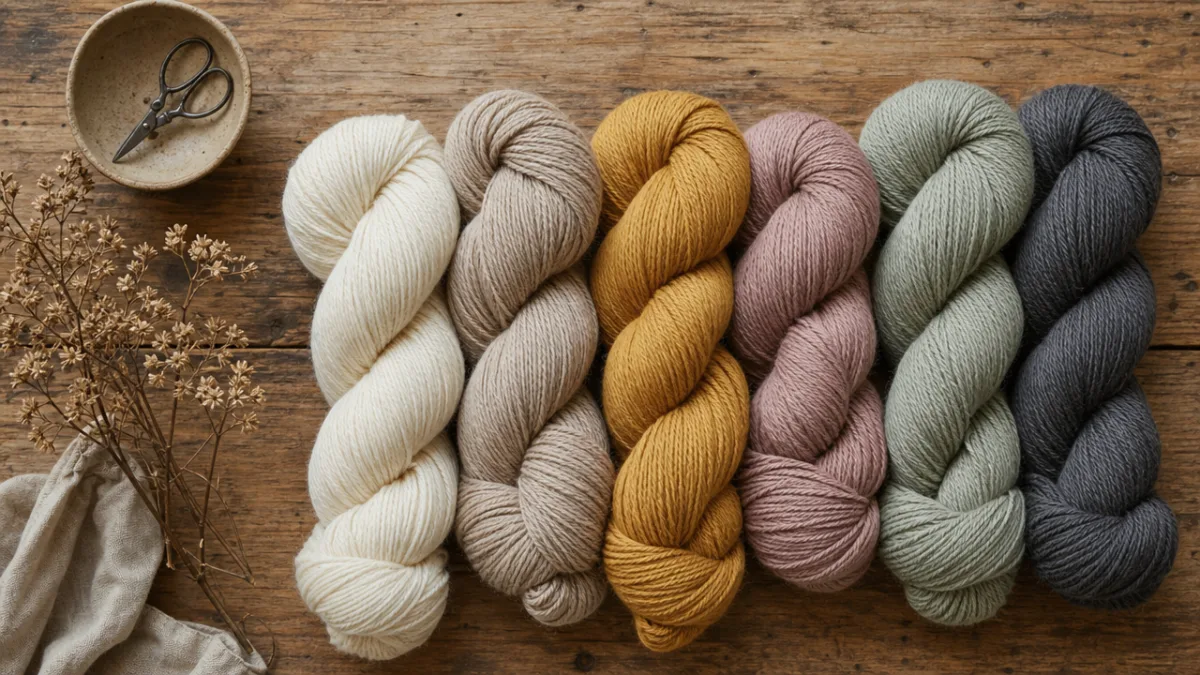
Picking the right yarn might honestly be the most important decision you make for this whole project. Long cardigans eat through yardage — we’re talking anywhere from 800 to 2,000+ yards depending on your size and how dense the stitch pattern is — so you want something that looks beautiful, holds up over time, and actually feels good to wear. Acrylic blends, merino wool, cotton, and bamboo all bring something different to the table.
If you’re making a warmer-weather cardigan, plant-based fibers like cotton, linen, and bamboo are hard to beat. They breathe well and have a natural drape that lets the cardigan flow instead of sitting stiff and boxy. Cotton especially is great at showing off stitch definition, so if your pattern has any lace or shell work, it’s going to look really crisp. A lot of the free patterns out there are actually designed with lighter cotton or cotton-blend yarns in mind, specifically for that breezy layering look.
For cooler months, merino wool and wool-acrylic blends give you warmth without turning the cardigan into a heavy, stiff slab of fabric. Merino is wonderfully soft — important for something that’s going to sit against your neck and arms all day. And honestly, acrylic yarns have come a long way; the quality options now have great stitch definition, come in gorgeous color ranges, and are machine washable, which is a serious practical bonus. If your cardigan is going to get regular daily use, a solid acrylic or superwash wool blend might actually be the most satisfying choice in the long run.
Essential Crochet Stitches Used in Long Cardigan Patterns
Long cardigan patterns pull from a really wide range of stitches — from the basics you learned first to more decorative techniques that look impressive but are often more approachable than they seem. Getting familiar with the stitches a pattern uses before you dive in can make the whole process go much more smoothly, and help you choose a pattern that actually matches where you are skill-wise right now. Even if you’re fairly new to crochet, you might be surprised how many gorgeous patterns are well within reach.
Granny square construction is one of the most popular approaches to long cardigans, and it’s easy to see why — it breaks a big project into small, manageable pieces you can pick up and put down. Individual squares are worked separately and then joined, and if you use the join-as-you-go method, a lot of that finishing work disappears entirely. Granny square cardigans have a wonderful bohemian, handmade quality that works across a lot of different styles, and the modular format makes it really fun to play with color combinations.
Beyond granny squares, the shell stitch gives you beautiful scalloped texture; mesh and filet stitches create that airy, lace-like fabric that’s ideal for lightweight layering pieces; and the waffle stitch produces a rich, textured surface with a lot of visual depth. Tunisian crochet has also gotten really popular for garment-making lately — it creates a fabric that almost looks woven, and it drapes and holds its shape in a way that suits the flowing silhouette of a long cardigan really well.
How to Read and Adapt Free Crochet Patterns
The world of free crochet patterns is huge and genuinely generous, but if you’re newer to making garments it can feel a little overwhelming at first. Reading a pattern confidently — understanding the abbreviations, following the shaping instructions, making sense of the assembly — is something that gets a lot easier with practice. Most free long cardigan patterns on platforms like Ravelry, Pinterest, and independent crochet blogs are written to be helpful and clear, often including step-by-step photos, video tutorials, and plain-language explanations of anything trickier.
One of the most important habits to build when working with any free garment pattern is making a gauge swatch. Gauge — how many stitches and rows you get per inch with your specific hook and yarn combo — determines whether your finished cardigan will actually match the dimensions in the pattern. Swatching before you start might feel like an annoying delay when you’re eager to get going, but it really is the single best way to avoid finishing a beautiful cardigan that fits nobody you know.
Adapting patterns to different sizes is another skill worth developing. A lot of free patterns are written for one size or a narrow range, but with some basic math and a feel for how garments are constructed, you can scale most patterns up or down without too much trouble. The main adjustments usually involve the starting chain count, the number of increase or decrease rounds at the yoke or waist, and sleeve length. Measure yourself carefully before you start, compare those measurements to the pattern’s finished garment measurements, and let that comparison guide any changes you need to make.
- Always work a gauge swatch in the round if the pattern is worked in the round, since your gauge can shift noticeably between flat and circular crochet.
- Measure your gauge swatch after blocking, because blocking — especially with natural fibers — can change the fabric’s dimensions quite a bit.
- Keep a dedicated project notebook where you jot down your hook size, yarn details, gauge measurements, and any modifications so you can reference them later.
- When adjusting for sizing, scale your shaping rows proportionally rather than just tacking on extra rows at the end, which can throw off the whole silhouette.
- Read the pattern all the way through before you cast on — you want to know about any special stitches, unusual techniques, or materials you’ll need to track down ahead of time.
Styling Your Handmade Long Cardigan
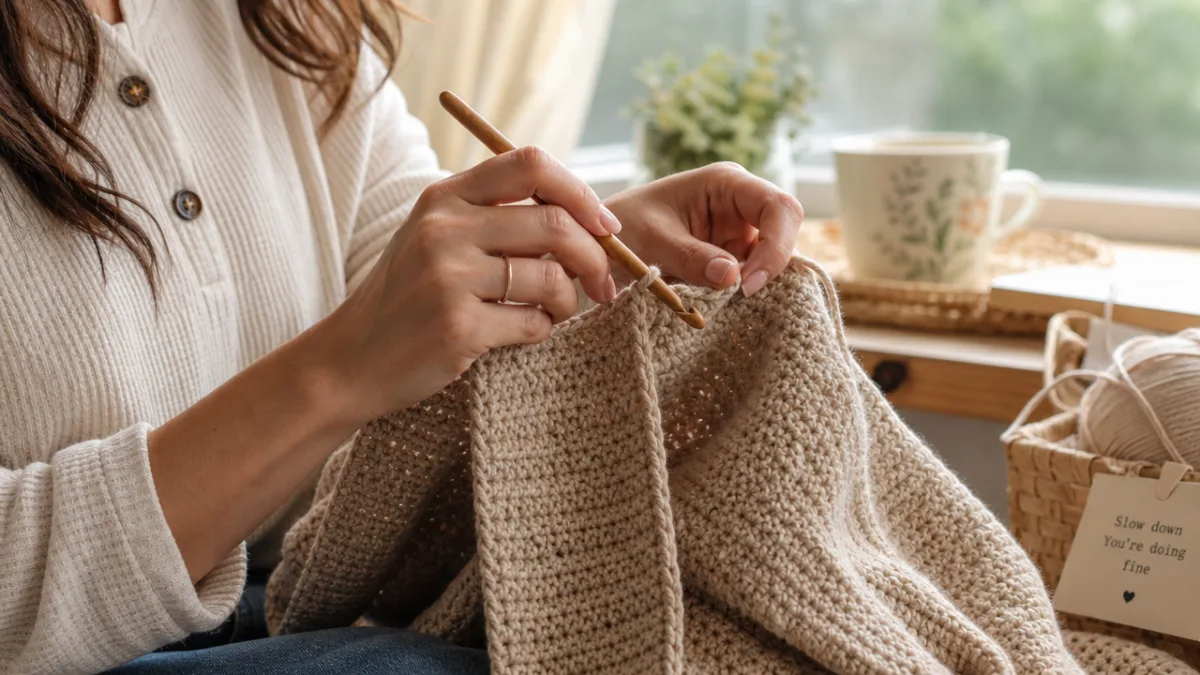
One of the best parts of finishing a long crocheted cardigan is realizing just how many different ways you can actually wear it. Unlike a lot of handmade pieces that work best in one specific context, the long cardigan really does go everywhere. It can add texture and personality to a simple outfit, or give a casual weekend look a cozy, pulled-together feel without trying too hard.
For an everyday look, a long open-front cardigan over a fitted turtleneck and slim trousers is one of those combinations that always works — effortlessly put-together whether you’re in a city or the countryside. Add a wide belt cinched at the waist and suddenly that same cardigan becomes a more intentional statement piece, great for creative professional settings and genuinely striking in photos. Pair a lace or mesh cardigan over a flowy floral dress and you’ve got that classic boho look that’s become almost synonymous with handmade crochet fashion.
Seasonal styling opens things up even further. In spring and summer, a cotton or bamboo long cardigan thrown over a swimsuit makes a beautiful beach cover-up — practical, comfortable, and actually stylish as temperatures shift through the day. Come autumn and winter, layer a chunky-weight long cardigan over a thick turtleneck, add some knee-high boots and textured tights, and you’ve got a cozy-luxe look that feels genuinely complete. There’s a warmth and personality to something handmade that no store-bought piece can quite replicate.
Tips for Successfully Completing a Long Cardigan Project
Long cardigans take time — that’s just the reality — and experienced crafters will tell you that a little upfront planning is often what separates a triumphant finish from a half-finished project buried in a craft bag somewhere. Before you start, it helps to honestly look at the scope of what you’re taking on, get all your materials together, and set a realistic timeline based on how much time you actually have to crochet each week. Breaking the project into milestones — finishing the back panel, completing one sleeve, joining the yoke — gives you regular moments to feel good about your progress instead of just staring at an endless sea of yarn.
Blocking is genuinely transformative, and long cardigans benefit from it more than almost anything else you could make. The process — wetting or steaming the finished fabric to relax the fibers, even out tension, and ease the piece into its intended shape and measurements — can take something that looks a little rough off the hook and turn it into something that looks professionally made. Natural fibers respond beautifully to wet blocking; acrylics do better with careful steam blocking or the “kill the acrylic” technique, where a steam iron pressed firmly onto the fabric permanently relaxes the synthetic fibers into a softer, drapier version of themselves.
Finishing work — weaving in ends, seaming panels, adding buttonbands or edgings — is never the most glamorous part of any project, but it’s where a garment really becomes a garment. Taking the time to weave in ends properly with a tapestry needle, using the right technique for your stitch pattern, will keep your cardigan from slowly unraveling with wear and washing. And if the pattern calls for a crocheted edging along the front opening or hem, give it the same care and attention to tension you gave the body — it’ll tie the whole thing together in a way that looks clean and intentional.
Building a Collection: From First Pattern to Personal Style
Here’s something that tends to happen after you finish your first long crocheted cardigan: you immediately want to make another one. Wearing something you made yourself — something that fits the way you wanted it to fit, reflects your own taste, and shows off skills you’ve been building — is genuinely addictive in the best way. A lot of crocheters find that long cardigans become a kind of signature project, something they come back to over and over, experimenting with different yarns, shapes, and stitch patterns each time.
Building a little collection over time means you end up with handmade options for every season and occasion. A lightweight cotton cardigan for summer evenings, a medium-weight merino for the in-between months of spring and autumn, a gloriously cozy chunky cardigan for winter — that’s a genuinely lovely wardrobe foundation, and you can keep adding to it and refining it season after season. As your skills grow, you’ll probably find yourself drawn to more complex patterns with intricate lacework, colorwork, or construction techniques that felt intimidating when you first started.
The crochet community around garment-making is one of the most welcoming and resourceful creative communities out there. Ravelry lets you browse thousands of project photos from other makers who’ve tackled the same patterns, which is invaluable when you’re trying to figure out yarn substitutions, sizing tweaks, or modifications. Pinterest is a constant source of inspiration and regularly surfaces free patterns from independent designers all over the world. And sharing your own finished projects — even just a photo in a crafting group or on your own social media — adds to that generous ecosystem of shared knowledge and encouragement that makes handmade fashion such a genuinely joyful thing to be part of.








What do you think?
It is nice to know your opinion. Leave a comment.