










Understanding Wickless Candles: A Fragrance Revolution
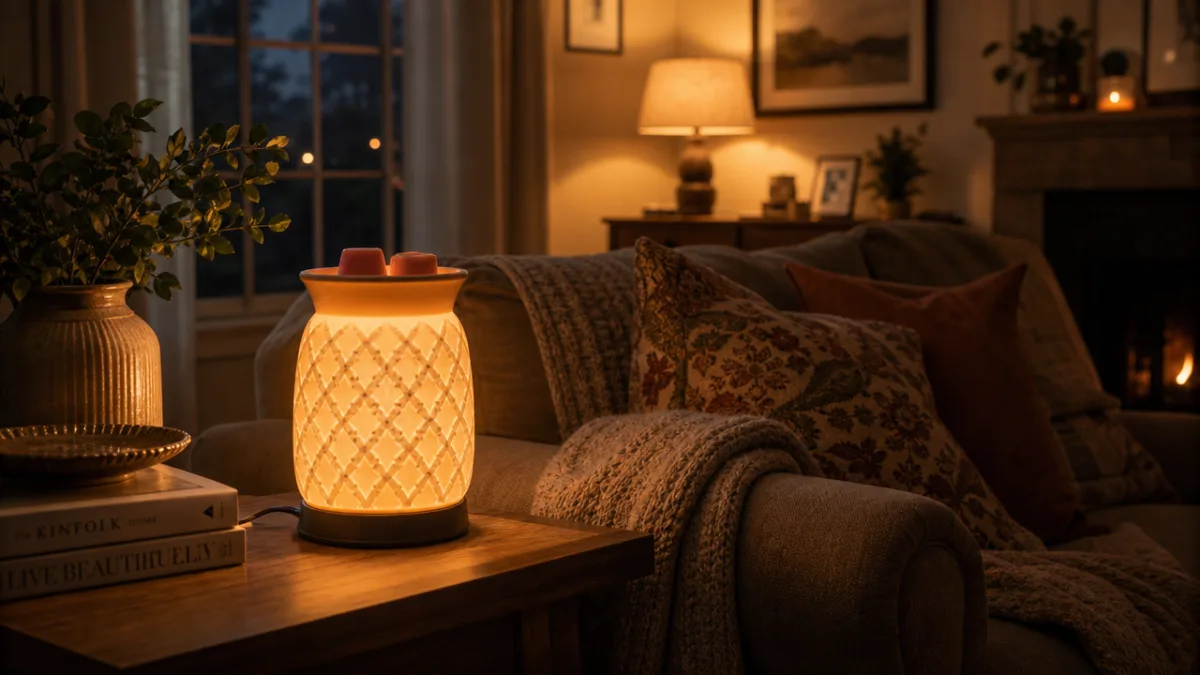
Wickless candles have genuinely changed how a lot of people think about home fragrance. Instead of lighting a wick and hoping for the best, you use a warmer — either electric or tea-light powered — to gently melt scented wax and release fragrance without any flame involved. The result is a steady, even scent that fills your space without the soot, smoke, or fire risk that comes with traditional candles.
The way it works is pretty simple. You drop a scented wax bar, melt, or cube into the warmer dish, the heat slowly liquefies it, and the fragrance lifts into the air. Because nothing is actually burning, the scent molecules don’t get destroyed by fire — so what you smell tends to be a much more accurate, true-to-life version of the fragrance than what you’d get from a burning candle.
For anyone dealing with respiratory sensitivities, allergies, young kids, or curious pets, this is a meaningful upgrade. Traditional candles can release particulate matter and chemicals like benzene and toluene as they burn. Wickless systems sidestep all of that while still giving you the mood-boosting, stress-relieving benefits that make home fragrance worth bothering with in the first place. Getting a handle on how wickless candles actually work is the foundation for using them well throughout your home.
Choosing the Right Wax Formula for Maximum Scent Throw
Not all wickless wax performs the same, and the formula you pick will have a big impact on how well your chosen scent actually fills a room. Soy wax blends are probably the most popular option right now — people love them for being clean-burning, biodegradable, and capable of holding a good amount of fragrance oil. Soy melts tend to release scent slowly and steadily, which makes them a great pick when you want a subtle, long-lasting background fragrance rather than an immediate wall of smell the moment you walk in.
Paraffin wax gets a bad rap in some circles, but honestly, the scent performance is hard to beat. It delivers a strong cold and hot throw — meaning it smells potent both before and during warming — which is why so many commercial wax melt brands rely on it. If you’re trying to fill a large or drafty space, a paraffin-forward formula might be exactly what you need. The downside is that paraffin comes from petroleum, which doesn’t sit right with everyone from a sustainability standpoint.
Coconut wax and beeswax are in a league of their own in terms of quality. They hold fragrance beautifully, have a naturally creamy texture, and tend to produce some of the cleanest, most nuanced scent throws you’ll find. They cost more, but for people who are really into home fragrance, the payoff is usually worth it. Whatever wax type you’re considering, check the fragrance load percentage on the packaging — products with a higher fragrance concentration, typically somewhere between eight and twelve percent, will almost always outperform lower-loaded alternatives regardless of what the base wax is.
- Soy Wax: Clean, eco-friendly, slow and steady scent release, best for small to medium rooms
- Paraffin Wax: Strong scent throw, excellent for large or open-plan spaces, widely available
- Coconut Wax: Premium quality, nuanced fragrance, long-lasting melt time
- Beeswax Blends: Natural, subtle honey undertone, air-purifying properties
- Blended Formulas: Combine benefits of multiple wax types, often the best all-around performers
The Room Size Guide: Matching Warmer Wattage to Your Space
One of the most common mistakes people make with wickless candles is using a warmer that’s way too small (or too large) for the room they’re trying to scent. A little plug-in warmer rated at fifteen watts might work perfectly in a powder room, but it’ll barely make a dent in an open-plan kitchen and living area. Matching your warmer’s output to your room size is one of those things that makes a surprisingly big difference in the results you get.
Here’s a simple framework to help you figure out what you need. For very small spaces — bathrooms, closets, hallways under a hundred square feet — a low-wattage plug-in warmer in the ten-to-twenty watt range is plenty. Medium-sized rooms between one hundred and three hundred square feet, like bedrooms, home offices, and dining rooms, do best with warmers in the twenty-to-forty watt range, or a tea-light warmer setup with two wicks. Larger living areas, open floor plans, and master suites over three hundred square feet really call for high-wattage electric warmers, multiple warmers placed strategically, or both.
Wattage aside, where you actually put your warmer matters a lot too. Sticking it in a corner traps the fragrance instead of letting it move through the room. Placing it on a shelf or side table at roughly waist height tends to work better — that height takes advantage of natural air convection and carries the scent upward and outward more efficiently. If you have ceiling fans, running them on the lowest setting can actively help circulate fragrance molecules throughout the space instead of letting them pool right around the warmer.
- Under 100 sq ft (bathroom, closet): 10–20 watt plug-in warmer, 1 cube of wax
- 100–200 sq ft (bedroom, office): 25–35 watt warmer, 1–2 cubes of wax
- 200–300 sq ft (dining room, den): 35–45 watt warmer, 2 cubes or 1 wax bar
- 300–500 sq ft (living room, open kitchen): 50+ watt warmer or two warmers, 2–3 cubes
- 500+ sq ft (open floor plan, great room): Multiple warmers in strategic zones, refresh wax every 8–10 hours
Temperature Considerations and Seasonal Adjustments
Room temperature has a bigger effect on wickless candle performance than most people realize. In summer, the ambient warmth means your warmer doesn’t have to work as hard to melt the wax, so you might notice the scent throwing more strongly than it did in winter — and you may need less wax to get the same effect. In winter, when heating systems are running and the air tends to get drier, fragrance can dissipate more quickly, so you might find yourself going through wax faster or needing a higher-powered warmer to maintain the same level of scent.
Humidity plays a role too. Air that’s slightly humid — around forty to fifty percent relative humidity — actually carries fragrance molecules more efficiently than very dry air. If you live somewhere dry or run a lot of forced-air heat in winter, pairing your wickless candle routine with a humidifier can noticeably improve both the strength and the staying power of any scented product you use. It’s a small tweak that can make a real difference.
Layering Scents and Creating Signature Home Fragrances
One of the genuinely fun parts of working with wickless candles is that you can blend different wax melts together to create combinations that don’t exist anywhere on a store shelf. Since you control exactly how much of each scent goes into the dish, the experimentation is basically endless. A good starting point is to figure out the fragrance family you’re most drawn to — florals, woodsy notes, fresh citrus, warm gourmand scents, earthy musks — and build from there, adding complementary accents once you have a solid base.
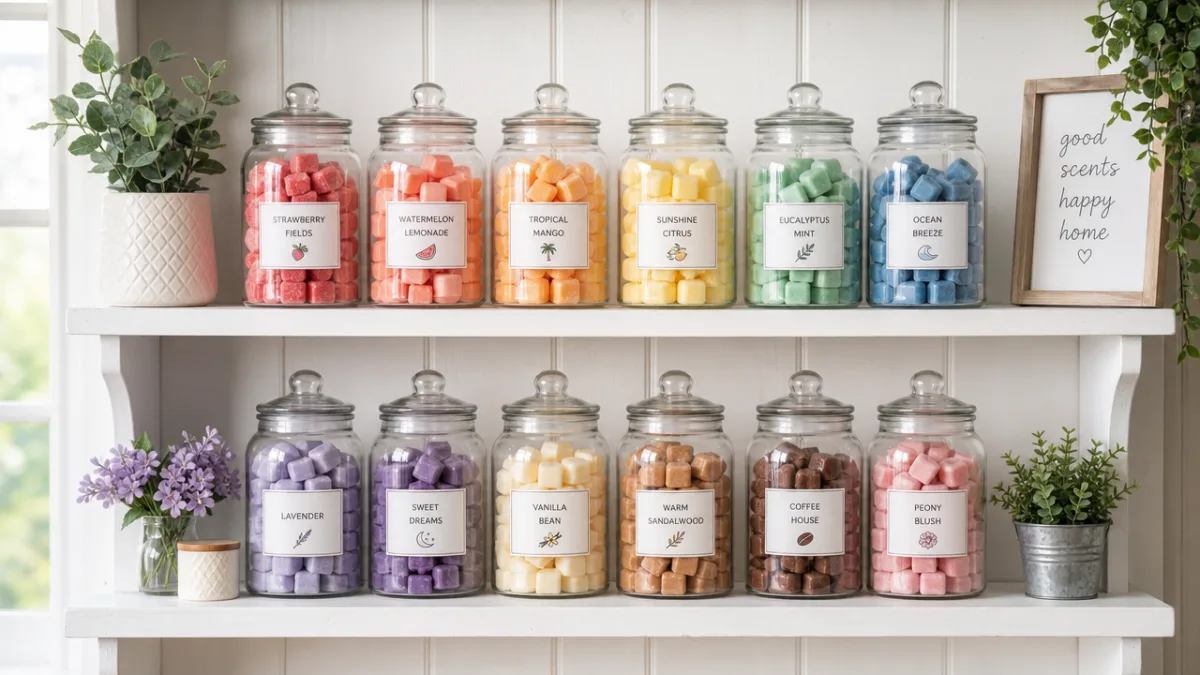
Some classic combinations worth trying: vanilla with sandalwood for a warm, sophisticated background scent; eucalyptus with peppermint for a clean, energizing vibe that works great in a home office or gym; lemon zest with white tea for a light, fresh kitchen fragrance; or cinnamon, apple, and clove layered together for that deeply cozy autumnal atmosphere. When you’re blending, start conservative — roughly two-thirds of your dominant scent and one-third of the accent note — then adjust as you see how the combination develops while it warms.
Building a signature home scent is one of those small but genuinely lovely ways to make your space feel distinctly yours. Scent is the most emotionally powerful of all the senses, tied closely to memory and mood, and a fragrance you love can become a real part of what your home feels like to anyone who walks in. Once you land on a blend that works, write down the ratio so you can recreate it. A lot of enthusiasts keep a little fragrance journal — what they tried, what proportions worked, which rooms each blend suited best — and it’s actually a surprisingly useful habit.
Scent Zoning: Different Fragrances for Different Rooms
Interior designers and fragrance enthusiasts are increasingly into what’s called scent zoning — intentionally choosing different fragrance profiles for different parts of your home based on what each space is actually for. Your entryway is the first thing guests experience, so something universally appealing like fresh linen, light florals, or a soft citrus blend tends to work well there. The kitchen is better served by clean, appetite-friendly aromas like herbs or citrus rather than heavy florals that would clash with whatever you’re cooking.
Bedrooms are really where calming, sleep-supportive scents shine — lavender, chamomile, sandalwood, vetiver — all of which have real aromatherapeutic backing for promoting relaxation and easing anxiety. In a home office or study, mentally clarifying scents like peppermint, rosemary, lemon, or cedarwood are worth trying; research suggests they may support concentration and cognitive performance. And in bathrooms or spa-like spaces, eucalyptus, spearmint, sea salt, and fresh green notes are perfect — they feel clean and refreshing without being overwhelming in a small, enclosed room.
Maximizing Longevity: Getting the Most from Every Wax Melt
Knowing how to stretch your wax melts without sacrificing scent quality is one of those things that saves you real money over time. Here’s the key thing most people don’t realize: the wax itself doesn’t evaporate. It stays in the dish even after all the fragrance has been released, which is why your melts eventually stop smelling even though there’s still wax sitting there. Knowing when a melt is spent — and swapping it out promptly — means you’re always getting the full performance from your warmer instead of running a scent-free heater without knowing it.
A quick way to check whether a melt still has life in it: take it off the heat, let it solidify, then smell it at room temperature. Still a distinct, pleasant scent? There’s more to give. Smells like nothing, or just plain wax? Time to switch it out. Another useful habit is avoiding running your warmer continuously for more than four to six hours at a time. Keeping the heat on for too long can actually burn through the fragrance faster than necessary. A timer outlet or a smart plug that cycles the warmer on and off throughout the day gives you a more consistent scent presence while actually using less wax overall.
How you store your unused melts matters too. Heat, sunlight, and air exposure are what degrade fragrance oils before you even get to use them. Keep your collection in a cool, dark spot — sealed containers or zip-lock bags work great — away from windows and heating vents. Stored properly, wax melts can hold their fragrance quality for up to twelve to eighteen months, though most people work through their stash well before that becomes an issue.
- Run warmers in 4–6 hour intervals rather than continuously for the entire day
- Store unused melts in sealed bags away from heat and direct sunlight
- Rotate your scent selection every few weeks to avoid olfactory fatigue
- Clean your warmer dish regularly to prevent old wax residue from dulling new fragrances
- Use the cold sniff test to determine whether a melt still has fragrance remaining
Safety Best Practices and Responsible Use of Wickless Candle Systems
Wickless candles take open flame out of the equation, but electric and tea-light warmers still need a bit of common sense to stay safe. Buy from reputable manufacturers and look for UL or ETL certification marks on electric warmers — those labels mean the product has actually been tested by an accredited safety lab, not just claimed to be safe. It’s also a good idea to avoid leaving electric warmers running unattended for long stretches, especially overnight or when you leave the house. Low-risk as they are, any electrical appliance can be involved in an accident under unusual circumstances.
Keep warmers somewhere children and pets can’t reach them. The dish surface gets hot enough to burn on contact, and liquid wax can spill if the warmer gets knocked over. Put them on stable, heat-resistant surfaces away from table and shelf edges. If you’re using tea-light powered warmers rather than electric ones, treat that little candle flame with the same care you’d give any open flame — don’t leave it unattended, and make sure there’s nothing flammable nearby.
One last thing worth keeping in mind: be thoughtful about fragrance concentration in smaller, less-ventilated spaces. Wickless candles are much gentler on air quality than burning candles, but very high concentrations of synthetic fragrance can still irritate sensitive people, especially kids, older adults, people with asthma, or anyone prone to migraines. When you’re trying a new scent, start with a small amount of wax and let the room breathe a little during that first warming session to see how the fragrance behaves at full diffusion. With just a little attentiveness, wickless candles will give you years of safe, beautiful, and endlessly customizable home fragrance.








What do you think?
It is nice to know your opinion. Leave a comment.