










30 Cheap DIY Yard Ideas to Transform Your Outdoor Space on a Budget
Why DIY Yard Projects Are Worth Your Time and Money
Transforming your yard doesn’t have to drain your bank account. With a little creativity, some basic tools, and a willingness to get your hands dirty, you can completely reinvent your outdoor living space for a fraction of what professional landscaping would cost. DIY yard projects have surged in popularity in recent years, and for good reason — they offer homeowners an incredible opportunity to personalize their spaces, build practical skills, and take genuine pride in the results they achieve through their own effort and ingenuity.
The financial case for DIY yard work is compelling on its own. Professional landscapers often charge hundreds or even thousands of dollars for projects that, with the right guidance and a weekend’s worth of effort, you can complete yourself for under fifty dollars. Materials like gravel, reclaimed wood, basic plants, and concrete blocks are widely available at hardware stores and even online marketplaces where neighbors give away free supplies. When you start looking at your yard through the lens of possibility rather than limitation, the transformation can be truly remarkable.
Beyond the cost savings, there’s something deeply satisfying about spending time in a space you’ve built with your own hands. Research consistently shows that time spent outdoors — especially in green, cultivated environments — reduces stress, improves mood, and even boosts cognitive function. When your yard is a place you’ve lovingly designed and built yourself, you’re far more likely to actually use it, to linger there with family and friends, and to experience the mental health benefits that come with outdoor living. That alone makes every hour of effort worthwhile.
Budget-Friendly Landscaping Foundations
Every great yard starts with a solid foundation, and that doesn’t mean you need an expensive designer. Start by sketching a simple layout on paper, identifying problem areas like bare patches, poor drainage zones, or unsightly corners that need attention. A well-thought-out plan prevents costly mistakes and helps you prioritize where to spend your limited budget for maximum visual impact. Mapping out your yard beforehand is one of the most important and completely free steps you can take toward a beautiful outdoor space.
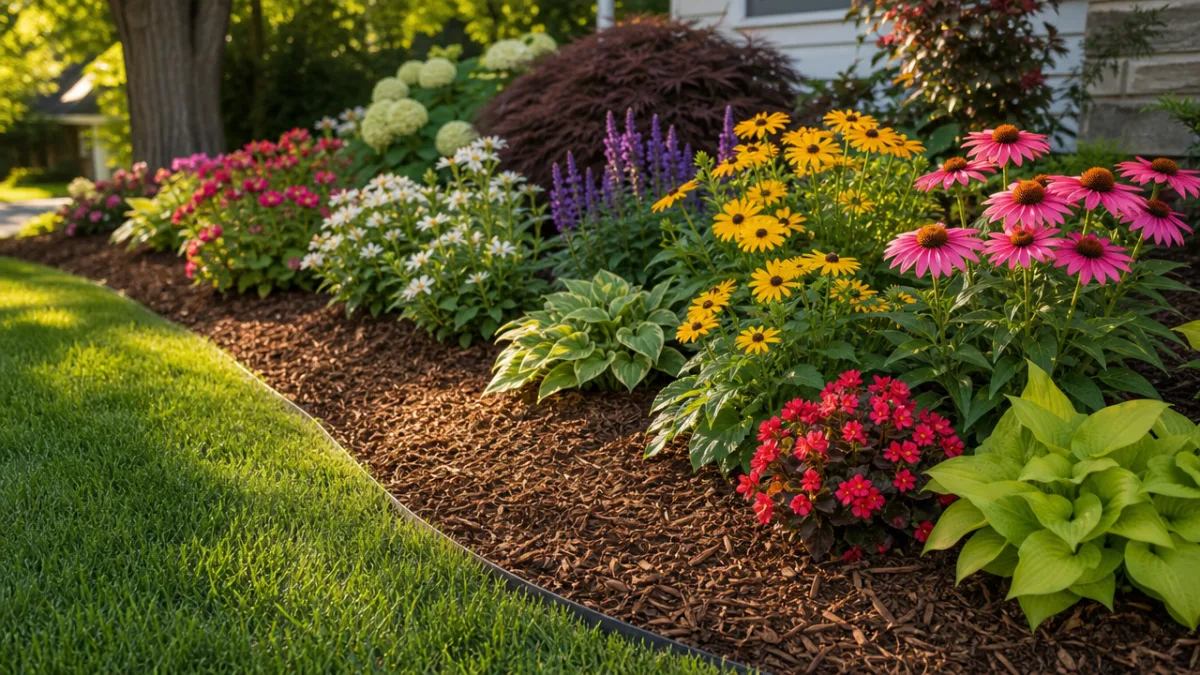
Mulch is arguably the most cost-effective landscaping material available to DIY enthusiasts. A thick layer of wood chip mulch suppresses weeds, retains soil moisture, regulates soil temperature, and gives planting beds a clean, professional appearance — all at a very low cost. Many municipalities offer free wood chip mulch to residents as a byproduct of tree trimming operations. Check your local public works department or websites like Chip Drop, where arborists drop off free loads of fresh wood chips to homeowners willing to accept them on short notice.
Edging your lawn and garden beds is another foundational technique that costs very little but produces a dramatic visual improvement. Clean, defined edges between your lawn and planting areas give the entire yard a sense of order and intentionality. You can create beautiful edges using a flat spade, a rented edging tool, or even by installing inexpensive landscape borders made from recycled rubber, metal, or simple stones collected from your property or a nearby riverbed. This single step often makes a yard look like it received a professional makeover.
Creative Pathways and Ground Cover Ideas
A winding garden path adds instant charm and structure to any yard, and you can create one beautifully without spending much at all. Stepping stones are among the most popular and affordable path materials available. You can purchase plain concrete pavers from hardware stores for just a dollar or two each, then personalize them by stamping them with leaf prints, painting patterns, or pressing decorative stones into the wet concrete if you’re making your own. Spacing them naturally across a lawn or through a garden bed immediately gives your yard a more intentional, designed feel.
Gravel paths are another excellent low-cost solution that works especially well in dry climates or areas where grass struggles to grow. Pea gravel, crushed limestone, and decomposed granite are all affordable options that allow water to permeate the soil while discouraging weed growth when laid over a layer of landscape fabric. For a more polished look, you can border your gravel path with larger stones, reclaimed bricks, or pieces of rough-hewn timber that you’ve treated with an outdoor sealant to extend their lifespan significantly.
Ground covers are an often-overlooked alternative to traditional grass lawns, and they can dramatically reduce your maintenance burden while adding beautiful texture and color to your yard. Low-growing plants like creeping thyme, clover, moss, and sedum spread naturally over time, filling in bare areas without requiring regular mowing. Clover in particular has enjoyed a major resurgence in popularity because it stays green even during dry spells, requires little fertilizer, and actually fixes nitrogen into the soil — a natural benefit that improves the health of surrounding plants without any effort on your part.
Popular Low-Cost Ground Cover Plants
- Creeping Thyme — fragrant, drought-tolerant, and produces lovely purple flowers in summer
- White Clover — fixes nitrogen, stays green in drought, and attracts beneficial pollinators
- Moss — thrives in shady areas where grass struggles, requires virtually no maintenance
- Sedum (Stonecrop) — succulent ground cover that tolerates poor soil and dry conditions beautifully
- Ajuga (Bugleweed) — spreads quickly in partial shade and produces striking blue flower spikes
- Creeping Jenny — bright chartreuse foliage that adds vibrant color to difficult spots
DIY Garden Beds and Raised Planters
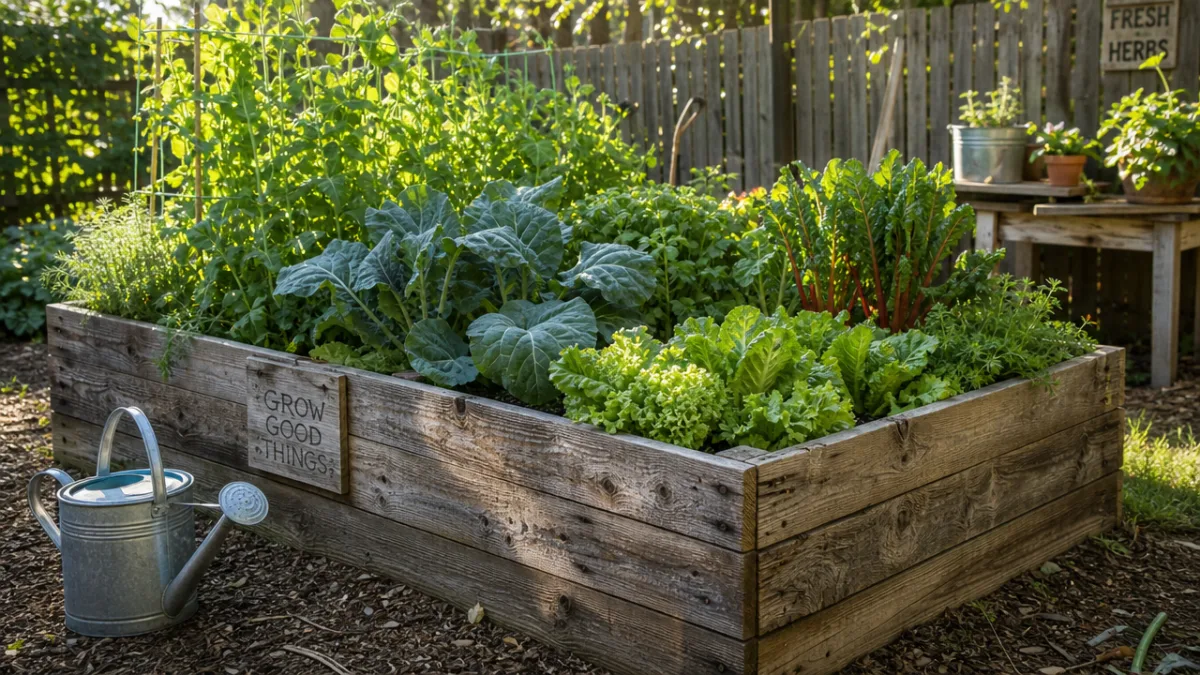
Raised garden beds are one of the most popular DIY yard projects for good reason — they’re practical, beautiful, and surprisingly affordable to build yourself. A simple rectangular bed can be constructed from untreated cedar boards, which are naturally rot-resistant, in just an afternoon using basic tools. The standard dimensions of four feet by eight feet allow you to reach the center of the bed from either side without stepping on the soil, which preserves the loose, aerated structure that plants love. Once your beds are in place, filling them with a quality mix of topsoil, compost, and perlite gives your plants an ideal growing environment right from the start.
If new lumber feels too expensive, consider alternative materials that cost little or nothing. Reclaimed pallets are widely available for free from garden centers, hardware stores, and online marketplaces, and with some sanding and optional sealing they make excellent raised bed walls. Old cinder blocks, large logs, corrugated metal roofing panels, and even stacked stones can all serve as creative, cost-effective raised bed borders. The key is ensuring whatever material you choose won’t leach harmful chemicals into your soil — avoid pressure-treated wood for vegetable gardens and opt for natural or food-safe alternatives wherever possible.
Vertical planting is a brilliant strategy for small yards or for homeowners who want to maximize growing space without expanding the footprint of their garden. A simple vertical planter can be made from a wooden pallet mounted on a fence or wall, with landscape fabric stapled to the back to hold soil in each compartment. Alternatively, repurposed gutters hung horizontally across a sunny fence make charming and functional planting channels for herbs, strawberries, or shallow-rooted flowers like pansies and petunias. Going vertical allows you to grow more food and more beauty in less space than you might imagine possible.
Outdoor Seating and Relaxation Spaces on a Budget
Creating a comfortable outdoor seating area is one of the most impactful things you can do for your yard’s livability, and it doesn’t require expensive patio furniture to achieve. A fire pit area built from inexpensive concrete retaining wall blocks arranged in a circle, surrounded by a ring of gravel and bordered by simple log rounds used as seating, creates a warm, inviting gathering space for minimal cost. Add a few weather-resistant outdoor cushions bought on clearance or stitched together from waterproof fabric, and you have a cozy outdoor room that your family will use season after season.
Pallet furniture has become a genuine design trend that goes far beyond its humble origins. Stacked and secured wooden pallets can be transformed into low-profile sofas, coffee tables, and even daybeds with the addition of foam padding and outdoor fabric covers. Sand the pallets smooth to prevent splinters, apply an outdoor wood stain or paint in your chosen color, and add casters to the bottom for easy mobility. The result is stylish, functional furniture that costs a fraction of what you’d pay at a home goods store, and it carries the added satisfaction of having been made by hand.
A simple hammock strung between two mature trees instantly creates a relaxing retreat in any yard. If you don’t have appropriately spaced trees, sturdy hammock stands made from thick wooden posts set in concrete can be built for under thirty dollars and placed anywhere in your yard. For maximum comfort and visual appeal, hang string lights overhead, place a small side table made from an upended tree stump nearby, and surround the area with potted plants or a low hedge to create a sense of enclosure and privacy. This kind of cozy nook transforms an ordinary backyard into a personal sanctuary.
Quick DIY Seating Ideas at a Glance
- Cinder block and wooden plank benches — stack blocks, insert lumber boards as seats and backs
- Log round stools — simply cut sections of a fallen log and sand smooth
- Painted tire ottomans — filled with soil or foam, wrapped in rope for a nautical look
- Pallet sectional sofas — stack, secure, sand, stain, and cushion for stylish outdoor seating
- Adirondack chairs built from cedar fence pickets — inexpensive lumber yields classic results
Lighting, Décor, and Finishing Touches That Cost Almost Nothing
Outdoor lighting has the power to completely transform the atmosphere of a yard after dark, turning an ordinary space into something magical. Solar-powered string lights, stake lights, and lanterns have become remarkably affordable and widely available, and they require no electrical work whatsoever — simply position them in sunny spots during the day to charge, and they glow automatically at dusk. Draping string lights along a fence, overhead between posts, or through the branches of a tree creates instant warmth and romance that makes your outdoor space feel like a destination rather than just a transitional zone.
DIY garden art and décor can be created from materials you likely already have at home or can find for free. Painted rocks arranged as garden borders or simply scattered among plantings add splashes of color and personality. Mosaic stepping stones made from broken ceramic tiles or crockery embedded in concrete are both beautiful and functional. Upcycled items like old bicycles planted with flowers, repurposed wooden ladders used as plant stands, and vintage watering cans transformed into planters all add character and charm without requiring any significant financial investment — just a willingness to see potential in everyday objects.
Water features are often assumed to be expensive, but small DIY versions are surprisingly affordable and accessible. A simple container water garden can be created using any large, watertight vessel — an old barrel, a ceramic pot sealed with pond liner, or even a galvanized livestock trough. Add a small submersible pump available for under twenty dollars, a few aquatic plants like water lilies or water hyacinths, and perhaps a goldfish or two to control mosquito larvae, and you have a tranquil focal point that brings the soothing sound of moving water to your yard for minimal cost.
Maintaining Your DIY Yard Without Breaking the Bank
Building a beautiful yard is one achievement, but maintaining it affordably over the long term requires a thoughtful approach. Composting is one of the most powerful tools available to budget-conscious gardeners. By collecting kitchen scraps like vegetable peels, coffee grounds, and eggshells along with yard waste like grass clippings and dried leaves, you can produce a continuous supply of rich, nutrient-dense compost that rivals anything sold in a bag at the garden center. A simple compost bin can be constructed from four wooden pallets stood on their sides and wired together at the corners — free to build and endlessly productive.
Water conservation strategies can significantly reduce both your utility bills and your workload throughout the growing season. Installing a simple rain barrel at your downspout to collect runoff from your roof provides free irrigation water for your garden beds and containers. Grouping plants with similar water needs together in the same area, using thick mulch layers to reduce evaporation, and watering deeply but infrequently to encourage deep root growth all help reduce the amount of water your yard requires. These practices not only save money but also produce healthier, more resilient plants that are better equipped to handle drought conditions.
Finally, embracing a philosophy of gradual improvement rather than wholesale transformation is the most sustainable approach to budget yard care. Tackle one project at a time, allow plants to establish and spread before adding more, and resist the urge to buy every beautiful plant you encounter at the nursery. Dividing perennial plants in your yard or swapping divisions with neighbors and friends is a wonderful way to expand your garden for free. Over time, a yard improved incrementally through your own hands becomes something far more personal, meaningful, and beautiful than anything money alone could buy.
Annual Yard Maintenance Checklist
- Spring — refresh mulch in beds, divide overcrowded perennials, edge lawn borders, start compost turning
- Early Summer — plant warm-season annuals, check irrigation systems, apply organic fertilizer to vegetable beds
- Midsummer — deadhead flowers to promote continued blooming, harvest vegetables regularly, check for pests
- Late Summer — collect seeds from favorite plants for next year, begin planting fall crops in raised beds
- Fall — cut back spent perennials, plant spring bulbs, add fallen leaves to compost pile, protect tender plants
- Winter — plan next year’s projects, order seeds from catalogs, maintain and repair tools and structures
A beautiful, functional yard is absolutely within reach for any homeowner willing to invest time, creativity, and modest amounts of money into the space surrounding their home. The thirty ideas explored throughout this article represent just a starting point — once you begin approaching your yard as a canvas for personal expression and practical living, the possibilities are genuinely endless. Start small, build your skills, and let each completed project inspire the next. Your yard will become not just a pleasant place to be, but a true reflection of who you are and what you value.








What do you think?
It is nice to know your opinion. Leave a comment.