










Captain Cook Bottlebrush: A Complete Guide to Growing Callistemon Viminalis from Seed
Introduction to Captain Cook Bottlebrush
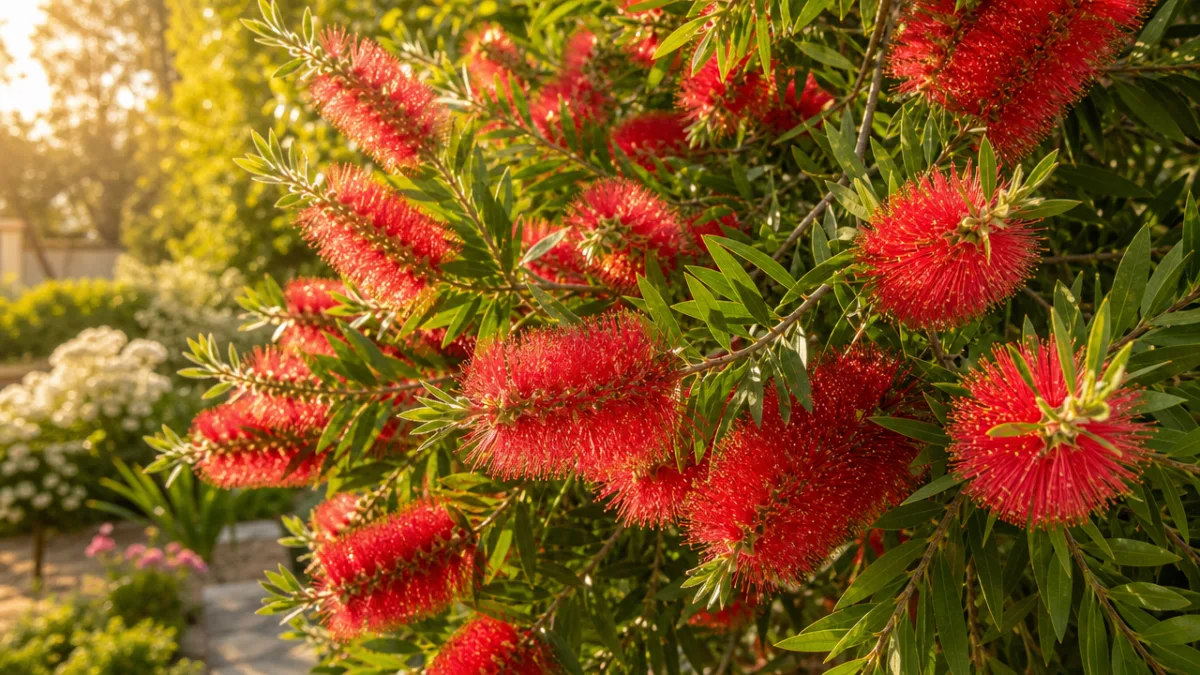
The Captain Cook Bottlebrush, known scientifically as Callistemon viminalis, is one of Australia’s most beloved native flowering shrubs. Named after the legendary explorer who charted the eastern coastline of Australia, this compact and vigorous plant has captured the hearts of gardeners across the world. With its stunning crimson flower spikes that resemble the bristles of a bottle brush, it brings an unmistakable burst of color and character to any garden setting, from formal landscapes to casual cottage-style beds.
Callistemon viminalis naturally occurs along the eastern coastal regions of Australia, particularly in Queensland and New South Wales, where it thrives in moist, well-drained soils near rivers and creek banks. In its native habitat, it can reach up to four meters in height, though the cultivated Captain Cook variety remains far more compact and manageable, typically growing between one and two meters tall. This restrained growth habit makes it exceptionally well suited to suburban gardens, patio containers, and even hedgerows, offering maximum visual impact with minimal fuss.
What truly distinguishes the Captain Cook Bottlebrush from other ornamental shrubs is its extraordinary resilience combined with its generous flowering habit. Mature plants can produce abundant cylindrical flower spikes, rich in nectar, that attract a dazzling array of wildlife including honeyeaters, lorikeets, bees, and butterflies. Growing this plant from seed allows gardeners to appreciate every stage of its remarkable life cycle, from the first tiny seedling emerging from the soil to the triumphant display of its first glorious bloom, a journey that is both rewarding and deeply satisfying.
Understanding the Seeds and Their Characteristics
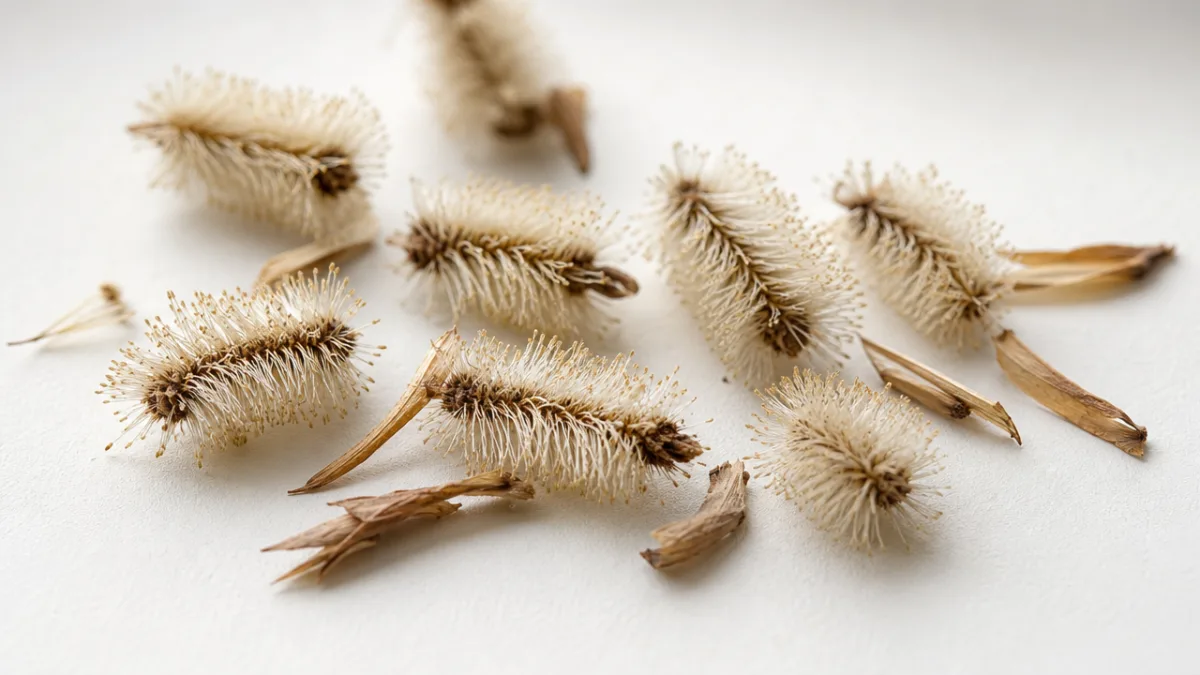
Callistemon viminalis seeds are fascinating in their structure and behavior. The plant produces small woody capsules that cling to the branches, sometimes for many years, releasing their seeds only under the right environmental conditions. In the wild, this delayed seed release is often triggered by fire or intense heat, a survival mechanism known as serotiny that ensures seeds are dispersed into nutrient-rich, competition-free soil after a bushfire has cleared the landscape. Understanding this natural process helps gardeners replicate the right conditions for successful germination at home.
When purchasing Captain Cook Bottlebrush seeds commercially, such as a packet of 25 or more seeds, you will typically receive seeds that have already been extracted from their capsules and prepared for planting. The seeds themselves are extremely fine and dust-like in appearance, which is perfectly normal and should not cause alarm. Their tiny size means they need to be handled with care during sowing to ensure even distribution across the growing medium. It is advisable to mix the seeds with a small amount of fine sand before sowing, which helps achieve more uniform coverage and prevents the seeds from clumping together in one spot.
Seed viability is an important consideration when growing Callistemon viminalis from scratch. Fresh seeds generally offer the highest germination rates, and when stored correctly in a cool, dry, and dark environment, they can remain viable for several years. Before sowing, it can be beneficial to perform a simple float test, placing seeds in water for a few minutes and discarding any that float, as these are typically non-viable. Investing in quality seeds from a reputable supplier, such as packs offering 25 or more seeds, gives you a comfortable buffer to ensure successful establishment even if germination rates vary slightly.
How to Germinate Captain Cook Bottlebrush Seeds
Germinating Callistemon viminalis seeds successfully requires attention to a handful of key environmental factors. The process begins with selecting the right growing medium. A mixture of fine propagating sand and peat-free seed-raising compost in equal parts creates an ideal substrate that provides both excellent drainage and sufficient moisture retention. Avoid using heavy garden soils or compost with large organic particles, as these can suffocate the delicate emerging seedlings or harbor pathogens that cause damping off, one of the most common causes of seedling failure in this species.
Temperature plays a critical role in triggering germination. Callistemon viminalis seeds respond best to warm conditions, ideally between 20 and 28 degrees Celsius. In cooler climates, placing seed trays on a heat mat or in a warm propagation unit dramatically improves germination success. Light is equally important, as these seeds require light to germinate and should never be covered with a deep layer of compost. Simply press the seeds gently into the surface of your prepared medium and mist with a fine spray of water, then cover the tray with a clear propagation lid or plastic wrap to maintain humidity while still allowing light to reach the seeds.
Germination typically occurs within 14 to 21 days under optimal conditions, though some seeds may take slightly longer. During this waiting period, keep the growing medium consistently moist but never waterlogged, using a fine misting spray to avoid disturbing the fragile surface-sown seeds. Once the first seedlings appear, remove the propagation cover gradually over several days to acclimatize the young plants to ambient conditions. At this stage, ensure the seedlings receive bright, indirect light rather than direct harsh sunlight, which can scorch the tender growth before it has developed any protective resilience.
Step-by-Step Germination Summary
- Prepare a 50/50 mix of propagating sand and seed-raising compost in clean trays or pots
- Mix seeds with a small amount of fine sand for even distribution across the surface
- Press seeds lightly onto the surface of the medium without covering them deeply
- Mist gently with water using a fine spray bottle to avoid displacement
- Cover with a clear propagation lid to maintain warmth and humidity
- Place in a warm location at 20–28°C with access to bright indirect light
- Keep medium consistently moist but never saturated throughout the germination period
- Begin removing the cover gradually once seedlings emerge after 14–21 days
Caring for Seedlings and Young Plants
Once your Captain Cook Bottlebrush seedlings have established their first set of true leaves, the real work of nurturing them into healthy, vigorous young plants begins. At this stage, the priority is root development. Transplant individual seedlings into small pots filled with a well-draining, slightly acidic potting mix as soon as they are large enough to handle, which is typically when they reach about 3 to 4 centimeters in height. Handle them by their leaves rather than their stems, as the stem tissue is extremely delicate at this stage and damage can be fatal to the plant.
Watering discipline is paramount during the early life of Callistemon seedlings. Overwatering is by far the most common mistake made by enthusiastic gardeners and can lead to root rot and damping off. Allow the top layer of potting mix to dry slightly between waterings, then water thoroughly, ensuring excess drains freely from the bottom of the pot. During cooler weather or when growth appears to slow, reduce watering frequency accordingly. As the plants mature and their root systems expand, their tolerance for both drought and excess moisture will improve significantly, making them considerably easier to manage.
Feeding young bottlebrush plants requires a degree of caution. Australian native plants, including Callistemon species, are adapted to grow in nutrient-poor soils and are highly sensitive to phosphorus. Using standard fertilizers high in phosphorus can actually be toxic to these plants, causing leaf burn and potentially killing them. Instead, opt for fertilizers specifically formulated for Australian native plants, applying at half the recommended rate during the growing season of spring and summer. A light top dressing of native plant granular fertilizer in early spring each year will support healthy growth without risking nutrient toxicity.
Key Care Requirements at a Glance
- Sunlight: Full sun to light shade, minimum 6 hours of direct sunlight daily for best flowering
- Soil: Well-draining, slightly acidic to neutral soil with low phosphorus content
- Watering: Moderate and consistent; drought tolerant once established but appreciates regular moisture
- Fertilizing: Native plant-specific fertilizer only, applied sparingly in spring and summer
- Pruning: Light pruning after flowering to maintain shape and encourage bushy growth
Planting Captain Cook Bottlebrush in Your Garden
When your young Captain Cook Bottlebrush plants have grown to a robust size, typically after six to twelve months in their nursery pots, they are ready to be planted out into their permanent garden positions. Choosing the right location is one of the most important decisions you will make for this plant’s long-term success. Select a spot that receives full sun for the majority of the day, as this directly determines the abundance of flowers the plant will produce. A south-facing aspect in the southern hemisphere or north-facing in the northern hemisphere provides the ideal solar exposure.
Soil preparation before planting is well worth the effort. While Captain Cook Bottlebrush is remarkably adaptable, it performs best in soils that drain freely and are free from heavy clay layers that can cause water to pond around the roots. If your garden soil is heavy clay, incorporate coarse grit or horticultural sand along with some composted bark to improve drainage. Avoid adding rich compost or manure in large quantities, as these can elevate phosphorus levels to harmful concentrations. Dig a planting hole twice as wide as the root ball but no deeper, which encourages horizontal root spread rather than depth.
Spacing considerations matter if you are planting multiple specimens or using bottlebrush as part of a hedge or screen. Allow at least one to one and a half meters between plants to accommodate their mature spread. After planting, water in thoroughly and apply a layer of organic mulch around the base, keeping it clear of the stem to prevent collar rot. This mulch layer is invaluable in retaining soil moisture, moderating soil temperature, and suppressing competing weeds. During the first growing season after planting, consistent watering is essential to help the plant establish its root system in its new home.
Wildlife Benefits and Ecological Value
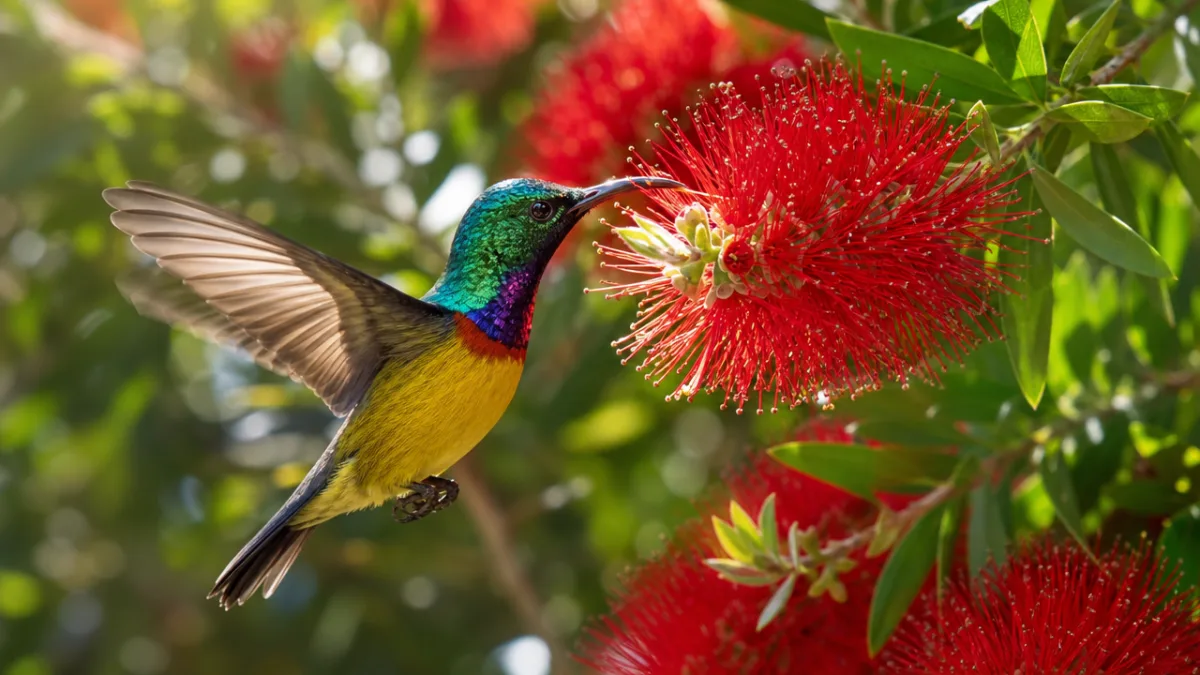
One of the most compelling reasons to grow Captain Cook Bottlebrush in your garden is its extraordinary value to local wildlife. The nectar-rich flower spikes are an irresistible food source for nectar-feeding birds, particularly honeyeaters and lorikeets in Australia, and hummingbirds in parts of the Americas where the plant has been introduced as an ornamental species. Watching these vivid, acrobatic birds visiting the blazing red flowers is one of the great joys that this plant brings to any outdoor space, turning an ordinary garden into a vibrant, living wildlife habitat.
Beyond birds, the bottlebrush is a magnet for beneficial insects, especially bees and native pollinators. The long flowering season, which typically spans from spring through to early summer with occasional repeat flushes later in the year, provides a sustained source of pollen and nectar at a time when many garden plants are less productive. This makes Callistemon viminalis an excellent companion plant for vegetable gardens and orchards, where the improved pollinator activity can meaningfully increase crop yields and fruit set in surrounding plants. Including it in a wildlife-friendly garden plan benefits the entire local ecosystem.
The ecological value of growing plants like Captain Cook Bottlebrush from seed extends beyond the individual garden. By cultivating native and ecologically compatible plants, gardeners contribute to preserving the genetic diversity of important plant species and provide habitat corridors for wildlife in increasingly fragmented urban landscapes. Seed-grown plants also tend to exhibit slightly greater genetic diversity than those propagated vegetatively from cuttings, which can enhance their adaptability to local conditions over time. Choosing to grow these plants from seed is therefore not just a horticultural decision but a small but meaningful contribution to broader environmental stewardship.
Troubleshooting Common Problems
Even the most resilient plants encounter challenges, and Callistemon viminalis is no exception. One of the most frequently reported issues is a lack of flowering, which is almost always attributable to insufficient sunlight. If your plant is situated in a partially shaded position and producing lush green foliage but few or no flower spikes, consider transplanting it to a sunnier location or removing overhanging branches that may be casting unwanted shade. Pruning immediately after flowering rather than at other times of the year also preserves the flower buds that are developing for the next season’s display.
Pest problems are relatively uncommon with established bottlebrush plants, though young seedlings can be vulnerable to scale insects, mealybugs, and the occasional aphid infestation. Inspect plants regularly, particularly on the undersides of leaves and along young stems where these pests tend to congregate. Minor infestations can be addressed with a strong jet of water or by wiping affected areas with a cotton swab dipped in isopropyl alcohol. More persistent problems may require treatment with horticultural oil or an insecticidal soap spray, both of which are effective and relatively gentle on surrounding beneficial insects when applied carefully and selectively.
Root issues related to poor drainage are perhaps the most serious threat to Callistemon viminalis, as prolonged waterlogging can cause root rot that ultimately kills the plant. If you notice yellowing leaves, wilting that does not respond to watering, or a general decline in vigor, suspect root health as the underlying cause. Carefully lift the plant, inspect the roots, trim away any blackened or mushy tissue, and replant in a better-draining location or in a raised bed. Prevention through proper soil preparation and thoughtful watering practices is always far more effective than attempting to rescue a plant already suffering from root problems.
Common Problems and Solutions
- No flowers: Relocate to a position with more direct sunlight and avoid pruning at the wrong time of year
- Yellow leaves: Check drainage and root health; may indicate overwatering or phosphorus sensitivity from inappropriate fertilizer
- Scale insects or mealybugs: Treat with horticultural oil or insecticidal soap; remove by hand for minor infestations
- Leggy, sparse growth: Increase sunlight exposure and implement light pruning after each flowering cycle
- Poor germination from seed: Ensure seeds are surface sown, temperatures are warm enough, and medium remains consistently moist
Conclusion: Why Every Garden Deserves a Captain Cook Bottlebrush
The Captain Cook Bottlebrush, Callistemon viminalis, represents one of those rare combinations of beauty, resilience, ecological value, and ease of cultivation that every gardener dreams of finding. Whether you are an experienced horticulturist seeking to add diversity to an established collection or a complete beginner just beginning to explore the world of gardening, this plant rewards every level of experience with generosity and reliability. Growing it from seed adds a deeper layer of connection to the plant and a profound sense of accomplishment that no nursery-bought specimen can quite replicate.
The journey from a tiny packet of 25 seeds to a flourishing, wildlife-attracting specimen is one of the most satisfying experiences a gardener can undertake. Each stage, from the first tentative seedling breaking the surface to the eventual explosion of crimson flower spikes buzzing with bees and birds, offers its own particular pleasure and sense of engagement with the natural world. The investment of time and care required is modest compared to the decades of joy the mature plant will provide, making it one of the most cost-effective and ecologically positive choices available to the contemporary gardener.
As awareness of the importance of native and wildlife-friendly planting continues to grow among gardeners worldwide, plants like the Captain Cook Bottlebrush are rightly gaining the wider recognition they deserve. By choosing to grow this magnificent Australian native from seed, you are participating in a tradition of careful, thoughtful cultivation that connects your garden to broader ecosystems and enriches both the local environment and your own experience of the natural world. Plant your seeds, nurture your seedlings, and prepare to welcome a lifetime of crimson blooms and grateful wildlife visitors into your garden.








What do you think?
It is nice to know your opinion. Leave a comment.