










Ageratum: How to Grow and Care for Floss Flower
Introduction to Ageratum (Floss Flower)
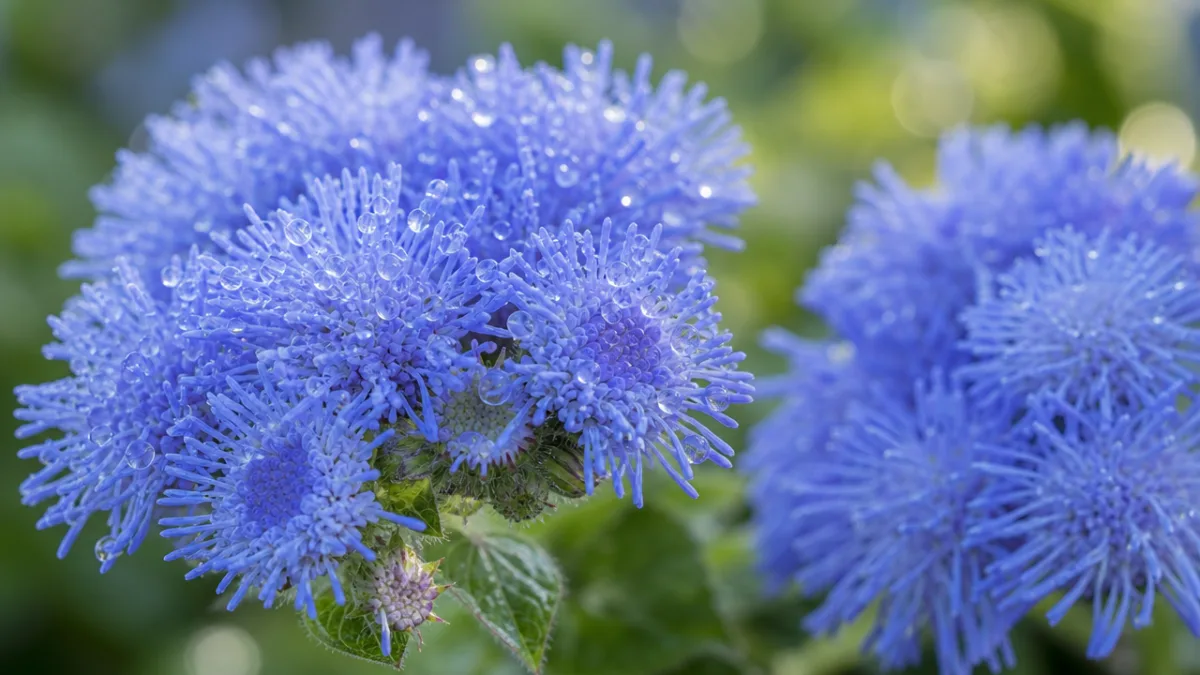
If you’re looking for an annual that punches above its weight in the charm department, ageratum — also called floss flower — is worth a serious look. Those fluffy, powder-puff blooms in shades of blue, purple, pink, and white give the garden a soft, almost romantic texture that’s hard to replicate with anything else. Originally from Central America and Mexico, this cheerful little plant has been winning over gardeners for well over a century, and it fits just as naturally into a container on your porch as it does along a border or tucked into a mixed flower bed.
The name “ageratum” comes from a Greek word meaning “not aging,” and honestly, it fits. Where plenty of flowering annuals put on a dazzling show for a few weeks and then fizzle out, floss flower just keeps going — holding its color reliably from late spring all the way until the first hard frost. That kind of staying power is genuinely useful when you want a garden that looks good in September, not just June, without constant replanting or fussy deadheading.
The species you’ll find most often in home gardens is Ageratum houstonianum, which has produced dozens of popular cultivars over the years in a range of heights, colors, and growth habits. Compact types like ‘Blue Mink’ and ‘Blue Danube’ stay under twelve inches and are perfect for edging paths or filling out the front of a border. Taller varieties can push up to thirty inches and hold their own in the middle of a mixed planting. Whether you’ve been gardening for decades or you’re just getting started, floss flower is genuinely rewarding to grow — it doesn’t ask for much, and it gives back a lot.
Choosing the Right Location and Soil
Where you plant your ageratum matters more than you might expect, and getting this decision right from the start makes everything else easier. Floss flower does best with full sun to partial shade — around six hours of direct light per day is the sweet spot. That said, if you’re gardening somewhere with really hot summers, a bit of afternoon shade is actually a good thing. It keeps the plants from getting stressed out and helps the flower heads stay fresh and colorful rather than browning off in the peak heat of the day.
Soil quality is just as important as sunlight. Ageratum wants rich, moist, well-draining soil, ideally one you’ve worked some compost or aged manure into before planting. These plants don’t do well with soggy roots, so if you’re working with heavy clay that holds water, it’s worth taking the time to raise the bed a bit or mix in some coarse sand and compost to get the drainage sorted. Aim for a slightly acidic to neutral pH — somewhere between 6.0 and 7.0 — and your plants will be able to take up nutrients without any trouble.
One more thing to think about when picking your spot: air circulation. Ageratum can be vulnerable to powdery mildew and other fungal issues, especially when plants are crowded or sitting in areas where moisture tends to hang around on the leaves. Spacing plants about six to twelve inches apart (depending on the variety) gives air room to move through and keeps foliage drying out properly between waterings. It’s also worth avoiding low spots in the garden where cold air settles, since ageratum has zero frost tolerance and even a light freeze can wipe out a planting very quickly.
Planting Ageratum: Seeds, Transplants, and Timing
You can grow ageratum from seed or pick up transplants from a nursery, and both routes work well depending on what you’re after. Starting from seed opens up a much wider range of cultivars than you’re likely to find on a garden center bench, and if you’re filling a large area, it’s significantly more economical. The catch is that ageratum seeds are tiny — and we mean really tiny — and they need light to germinate. That means you sow them right on the surface of a moist seed-starting mix without covering them at all. Press them lightly against the surface and mist gently; watering from above can easily scatter them into uneven clumps.
If you’re starting seeds indoors, timing is key. Count back six to eight weeks from your last expected frost date and start them then. At around 70°F (21°C), germination usually happens within a week or two. The seedlings are slow off the mark at first, and they’ll benefit from a grow light during those early weeks to keep them from getting leggy. Once you see the first true leaves, you can move each seedling into its own small pot and grow it on until conditions outside are warm and stable enough to plant out.
Whether you’re working with homegrown seedlings or nursery starts, resist the urge to rush them into the garden. Ageratum is frost-tender, and it can look pretty unhappy even in temperatures that just hover above freezing for a stretch. Wait until nighttime temps are holding reliably above 50°F (10°C) before transplanting. Before that, harden the seedlings off over one to two weeks — set them outside in a sheltered spot for a little longer each day so they can adjust gradually. It sounds like extra work, but it genuinely makes a difference in how well the plants settle in once they’re in the ground.
Watering, Fertilizing, and Ongoing Maintenance
Keeping ageratum well-watered is one of the most important things you can do for it through the growing season. These plants like consistently moist soil — not soggy, not bone dry — and about an inch of water per week from rain or supplemental watering tends to keep them happy. Whenever you can, water at the base of the plant rather than overhead. Wet foliage is an open invitation for fungal problems like botrytis and powdery mildew, and once either of those get going, they can do real damage to flowering and appearance if you don’t catch them early.
Fertilizing makes a noticeable difference with ageratum. Working a balanced slow-release granular fertilizer into the soil before planting gives the plants a solid nutritional foundation for the first part of the season. Then, as things get going, a liquid fertilizer every two to three weeks helps keep the blooms coming. One thing to avoid is anything too heavy in nitrogen — that tends to push leafy growth at the expense of flowers. Look for something with a balanced formula or with the middle number (phosphorus) slightly elevated, as phosphorus is what really drives blooming in flowering annuals.
Day-to-day maintenance for floss flower is pretty relaxed, which is honestly part of its appeal. It’s largely self-cleaning, so deadheading isn’t strictly necessary — but pulling off the spent clusters does tend to speed up reblooming and keeps things looking tidy. If plants start getting leggy in midsummer, or flowering slows down during a heat wave, cutting them back by about a third can work wonders. It sounds drastic, but within a few weeks you’ll typically see a fresh flush of blooms that carries the plants right through to frost.
Here are some key maintenance practices to keep your ageratum thriving:
- Water consistently at the base of plants to maintain even soil moisture and discourage fungal disease on the foliage.
- Feed every two to three weeks with a balanced liquid fertilizer formulated for flowering plants throughout the growing season.
- Trim spent flower clusters regularly to encourage continuous blooming and keep plants looking their best.
- Inspect plants weekly for common pests including spider mites, whiteflies, and aphids, especially during hot, dry periods.
- Cut plants back by one third in midsummer if they become leggy or if blooming slows during extreme heat.
- Apply a two-inch layer of organic mulch around the base of plants to conserve moisture and regulate soil temperature.
Pest and Disease Management
Ageratum is generally a pretty tough, trouble-free plant, but it does have a few weak spots worth knowing about. Spider mites are probably the most frustrating pest problem, especially when the weather turns hot and dry — those conditions are basically ideal for them, and populations can explode fast. The telltale signs are a fine webbing on the undersides of leaves and a stippled, washed-out look to the foliage. Keeping the soil consistently moist and misting the plants occasionally helps discourage them, and for heavier infestations, insecticidal soap spray does the job well.
Aphids and whiteflies show up from time to time too, though both are fairly manageable if you catch them before they get out of hand. For aphids, a firm blast from the hose works surprisingly well — knock them off the stems and leaf undersides, and repeat every few days to keep the population from bouncing back. Whiteflies respond well to yellow sticky traps placed nearby to monitor and thin out numbers, plus neem oil spray, which disrupts their life cycle without bringing harsh chemicals into the garden. Attracting natural predators like lacewings and ladybugs by growing companion plants such as marigolds and dill nearby adds another layer of organic pest control that does its work quietly in the background.
On the disease side, powdery mildew is the one to watch for — it shows up as a white, chalky coating on the leaf surfaces and can spread quickly in warm, humid conditions with poor airflow. Your best defense is choosing mildew-resistant cultivars when they’re available, planting at the right spacing so air moves freely between plants, and avoiding overhead watering. If you do spot powdery mildew taking hold, remove the worst-affected leaves promptly and treat with a diluted potassium bicarbonate or neem oil solution. Caught early, it’s very manageable, and you can usually protect the rest of the plant without much trouble.
Design Uses and Companion Planting
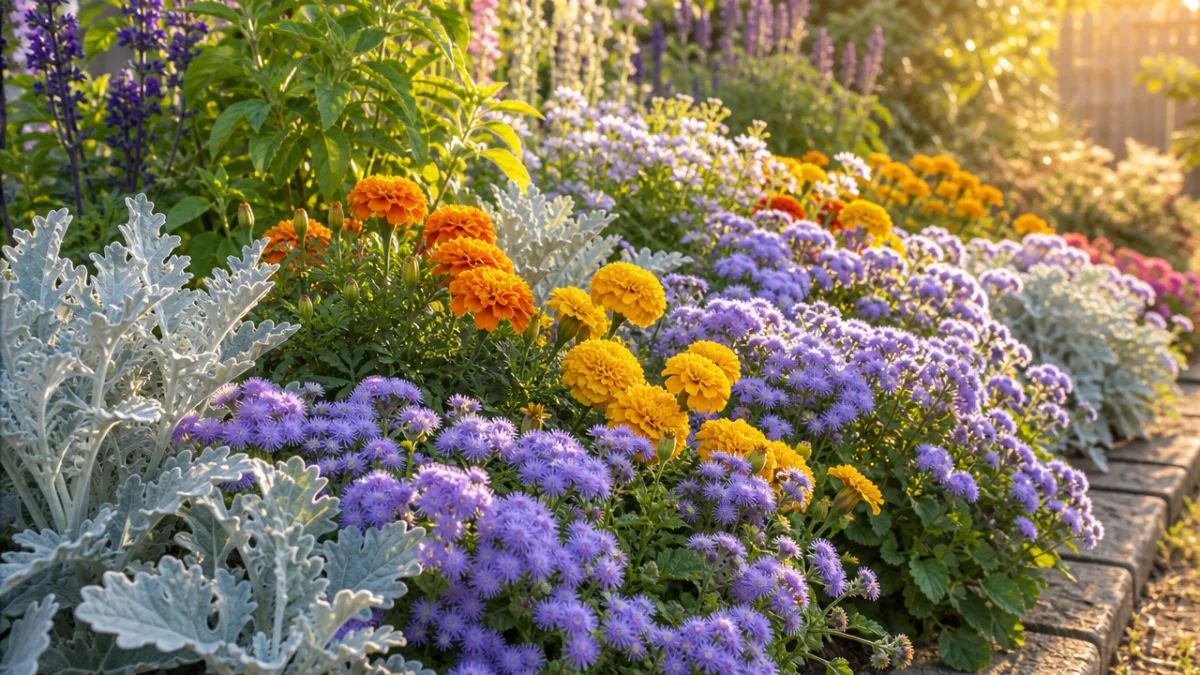
Part of what makes ageratum so worth growing is how versatile it is as a design element. That soft, hazy texture — all those clustered, fluffy heads — creates a beautiful visual contrast with plants that have bolder, more defined forms or big single blooms. Try pairing floss flower with white or yellow marigolds, for instance, and you get a warm, classic combination that really draws the eye. The low, mounding habit of the compact varieties is especially useful for creating clean, tidy edges along pathways, driveways, and garden borders where a polished, finished look matters.
Ageratum also shines in containers, where it can either take center stage or play a supporting role in a mixed planting. If you use the “thriller, filler, spiller” approach, floss flower slots naturally into the filler role — nestled in around a taller upright like salvia or snapdragon, with something trailing like bacopa or sweet potato vine spilling over the edges. The cool blues and purples of ageratum pair especially well with the silver foliage of dusty miller, and that combination has a sophisticated, put-together look that holds up from planting time right through the end of the season.
Beyond the aesthetics, ageratum also brings some practical benefits to the garden. It has a long reputation for repelling certain harmful insects, including nematodes and pests that tend to bother vegetable crops, which makes it a smart addition around the edges of a kitchen garden. Planting it near tomatoes, peppers, or brassicas can help keep the surrounding ecosystem a little more balanced. And since the flowers bloom for such a long stretch, they’re consistently attractive to butterflies and native bees, helping to support pollination throughout the whole garden — which benefits everything else you’re growing nearby.
Consider these popular companion plants that pair beautifully with ageratum in both ornamental and practical settings:
- Marigolds — The bright orange and yellow blooms create a stunning color contrast and share ageratum’s pest-deterrent qualities.
- Salvia — Tall, upright salvia provides height behind low-growing ageratum and shares its preference for full sun and well-draining soil.
- Dusty Miller — The silver-grey foliage of dusty miller creates an elegant foil for the soft blue and purple of floss flower blooms.
- Petunias — Wave petunias and ageratum together create a lush, colorful planting that covers the ground rapidly and blooms prolifically.
- Zinnias — The bold, daisy-like flowers of zinnias provide textural contrast and attract the same beneficial pollinators as ageratum.
- Lobularia (Sweet Alyssum) — A fellow low-growing annual, sweet alyssum complements ageratum in borders and containers with fragrant white clusters.
End-of-Season Care and Saving Seeds
As the season starts winding down and those first cool nights signal that autumn is on its way, there are a few end-of-season tasks worth thinking about. Since ageratum is an annual in most climates, the plants themselves won’t survive frost — once the season is done, you can simply pull them out and toss them on the compost pile. But if you grew a straight species rather than a hybrid cultivar, saving seed from your best plants before the first frost is a great way to set yourself up with free plants for the following year.
To collect seed, let a few flower heads stay on the plant until they’re fully dry and mature — you’re looking for a brownish, papery look rather than the fluffy, colorful appearance they had in bloom. Snip the dried heads off carefully and drop them into a small paper bag, then shake or gently crush the bag to release the seeds. Because ageratum seeds are so incredibly small, it really helps to do this over a sheet of white paper so you can actually see what you’re working with. Once collected, store them in a labeled paper envelope somewhere cool and dry over winter, and they should germinate well the following spring.
One important caveat: most of the ageratum sold at garden centers these days consists of F1 hybrids, and seeds saved from those won’t reliably come true to the parent. The offspring tend to revert toward the parent species — often taller, less floriferous, or a different color than what you started with. If you want the same plant again next year, buying fresh transplants or seeds is the more dependable route. That said, growing from saved seed has its own charm, and the natural variation you get can sometimes throw up a seedling that’s even better than anything in a catalog — so it’s worth experimenting if you’re curious.








What do you think?
It is nice to know your opinion. Leave a comment.