










Dumpster Diving: The Ultimate Guide to Finding Money, Jewelry, and Hidden Treasures
What Is Dumpster Diving and Why Do People Do It?
Dumpster diving — sometimes called urban scavenging or, more charitably, the world’s most unconventional scavenger hunt — is exactly what it sounds like: searching through dumpsters, trash bins, and recycling containers for anything worth keeping. And before you write it off as a fringe thing, it’s actually way more common than most people realize. Thrifty shoppers, environmentally minded folks, resellers, and straight-up adventure seekers have all gotten into it. The premise is simple enough: one person’s trash really is another person’s treasure, and the stuff people actually find out there makes that cliché feel like a massive understatement.
People come to dumpster diving for all kinds of reasons. Some are in it for the financial side — finding things they can use or resell helps stretch a tight budget in ways you wouldn’t expect. Others are driven by a genuine frustration with waste, and pulling a perfectly good item out of the trash before it hits a landfill feels like a small act of resistance. And then there are people who just love the thrill of it — every dive is a mystery box, and that unpredictability is a huge part of what keeps them hooked.
What tends to surprise newcomers most is how often genuinely valuable stuff turns up. Cash, jewelry, gift cards, collectibles, high-end electronics — experienced divers find these things regularly, not occasionally. Retailers throw out returned or mildly damaged merchandise. Stores clear out seasonal inventory. Households cleaning out a loved one’s belongings toss things without realizing what they’re worth. Once you understand how much value quietly ends up in the trash, it’s hard not to see dumpster diving as one of the more rewarding (if unconventional) ways to spend an afternoon.
The Legality and Safety of Dumpster Diving
Before you grab a pair of gloves and head out, it’s worth spending a few minutes understanding where you actually stand legally. In the U.S., the Supreme Court’s ruling in California v. Greenwood (1988) established that trash left in public spaces is considered abandoned property — which generally means you’re free to go through it. That said, federal precedent doesn’t override local laws, and plenty of cities and counties have ordinances that specifically prohibit rummaging through trash or dumpsters, particularly on private property. It’s worth looking up the rules in your area before your first outing.
Trespassing is the issue that catches most divers off guard. That dumpster behind a strip mall? It’s almost certainly on private property, and walking back there without permission could get you cited even if the dumpster itself is technically accessible. The safest bet is to stick to dumpsters on public property — things set out at the curb for regular pickup — or to simply ask business owners directly. More of them say yes than you’d think, especially when they realize it saves them money on waste removal.
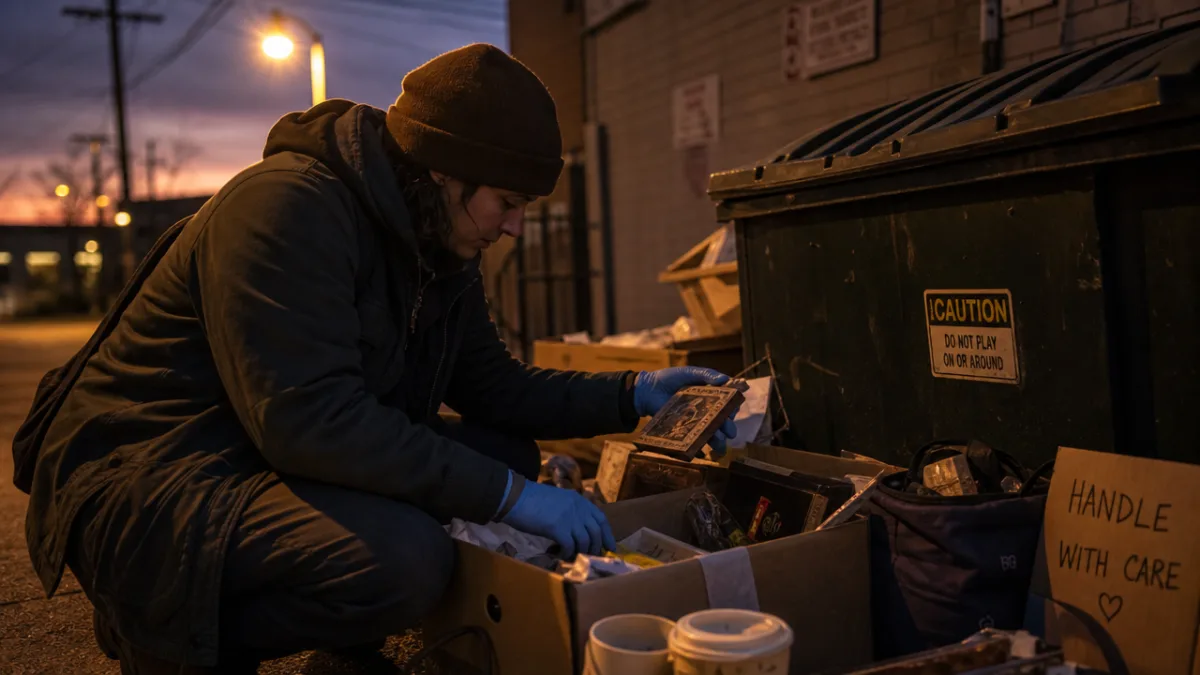
Safety is just as important as legality. Dumpsters are legitimately hazardous environments — broken glass, sharp metal edges, discarded needles, chemical residue, spoiled food. None of that is hypothetical. Proper protective gear isn’t overkill; it’s just smart. Getting into the habit of treating every dive with a safety-first mindset means you can keep doing this for years without incident.
- Always wear thick puncture-resistant gloves to protect your hands from sharp debris
- Use a long-handled grabber or hook to move items without reaching into unknown depths
- Wear closed-toe shoes or boots — never sandals or open footwear of any kind
- Bring a headlamp or flashlight for visibility inside deep containers, especially at night
- Never dive alone, especially in unfamiliar areas or during late-night hours
- Carry hand sanitizer and wash thoroughly after every session without exception
Where to Find the Best Dumpsters for Money and Jewelry
Location makes or breaks a dumpster diving habit, and anyone who’s been doing this a while will tell you straight up: not all dumpsters are worth your time. The ones that consistently pay off tend to be near businesses that deal with high volumes of returned or discarded merchandise — think electronics stores, jewelry shops, pharmacies, and upscale apartment complexes. Timing matters a lot too. Diving right after major retail events, end-of-season sales, or the days following the holidays can dramatically improve your odds of finding something genuinely worth keeping.
Jewelry stores and pawn shops are worth singling out. They occasionally toss broken pieces, old display items, or jewelry where the repair cost just doesn’t pencil out. But here’s the thing — a broken gold chain is still gold. A ring missing its stone still has real metal value. Divers who understand that intrinsic material value, rather than just retail presentation, can do really well with finds that the original owner considered worthless. Even costume jewelry sells well in bulk to crafters, vintage lovers, and collectors on eBay or Etsy.
Upscale residential neighborhoods during move-out season — mostly spring and summer — are another sweet spot. When people with means relocate, they often leave behind furniture, electronics, clothing, and all sorts of personal items rather than deal with the hassle of moving them. Estate cleanouts follow the same pattern. Keeping tabs on neighborhood apps like Nextdoor, or checking Craigslist’s free section, can give you a heads-up on when and where these cleanouts are happening so you can get there before everyone else does.
What Valuables Are Commonly Found While Dumpster Diving
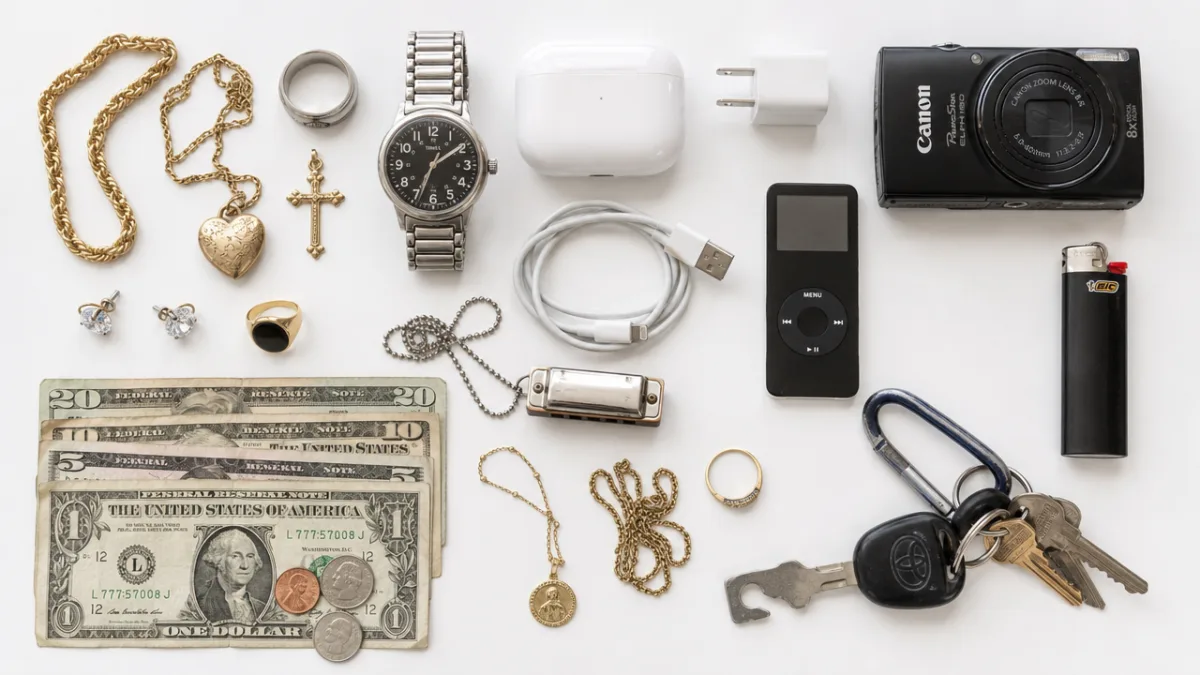
The variety of valuable things people pull out of dumpsters is honestly kind of staggering, even to people who’ve been doing it for years. Cash is found more often than you’d ever guess — tucked in old wallets, stuffed in coat pockets, folded between the pages of books, or just loose among other thrown-away items. When people clean out a deceased relative’s belongings, they often have no idea where money was stashed, and significant amounts can end up in the trash completely by accident.
Jewelry might be the most celebrated category of find in the dumpster diving world. Rings, necklaces, bracelets, earrings, watches — both costume and fine — show up with surprising regularity. Real diamonds, gold, silver, and genuine gemstones have all been pulled from trash bins by people who knew what to look for. Some divers have found entire jewelry boxes that were accidentally tossed during a move or estate cleanout. A single afternoon in the right location has yielded hundreds or even thousands of dollars worth of pieces for divers who put in the time.
Beyond cash and jewelry, the list of what turns up is genuinely wide-ranging. Electronics — laptops, phones, tablets, gaming consoles, cameras — get thrown out by retailers handling returns all the time, and a good chunk of those items are fully functional or need only minor fixes. Brand-name clothing and designer apparel show up near upscale boutiques and apartment buildings. Books, artwork, vintage collectibles, tools, and unopened household products fill out the picture of what a prepared diver might reasonably expect to find on a well-planned outing.
- Cash hidden in wallets, books, coat pockets, and discarded envelopes
- Fine and costume jewelry including rings, necklaces, earrings, and watches
- Electronics such as phones, laptops, tablets, and gaming equipment
- Brand-name and designer clothing, shoes, and accessories
- Gift cards, store credit vouchers, and prepaid debit cards
- Collectibles, vintage items, antiques, and artwork
- Unopened health, beauty, and household products still in original packaging
- Books, media, musical instruments, and sporting goods
How to Develop a Successful Dumpster Diving Strategy
Dumpster diving looks random from the outside, but experienced divers will tell you it’s really not. Strategy matters more than luck, and the divers who consistently find good stuff are the ones who’ve put thought into where they go and when. It starts with research — figuring out which businesses and neighborhoods in your area are most likely to discard valuable items, then mapping out a route that covers those spots efficiently. Think of it like any other optimized task: the goal is maximum coverage with minimum wasted time and fuel.
Timing is probably the single most powerful lever you have. Many retail businesses run their trash on specific days — often tied to inventory audits, seasonal transitions, or overnight restocking. If you observe the same locations across a few visits, you’ll start to notice patterns. End-of-month periods are reliably productive in residential areas as lease cycles turn over and renters clear out their apartments. And right after major holidays, especially gift-giving ones, the volume of discarded packaging, returned merchandise, and unwanted presents spikes noticeably.
Connecting with the dumpster diving community can shorten your learning curve by a lot. There are active forums, YouTube channels, Reddit communities, and social media groups full of people who share tips, document their finds, and genuinely enjoy helping newcomers get started. A lot of veteran divers are happy to bring someone along on their route, and that kind of real-world experience is worth more than any guide. The divers who treat this as a skill to build — rather than a coin flip — are the ones who end up with the most impressive and consistent results.
Cleaning, Appraising, and Selling Your Finds
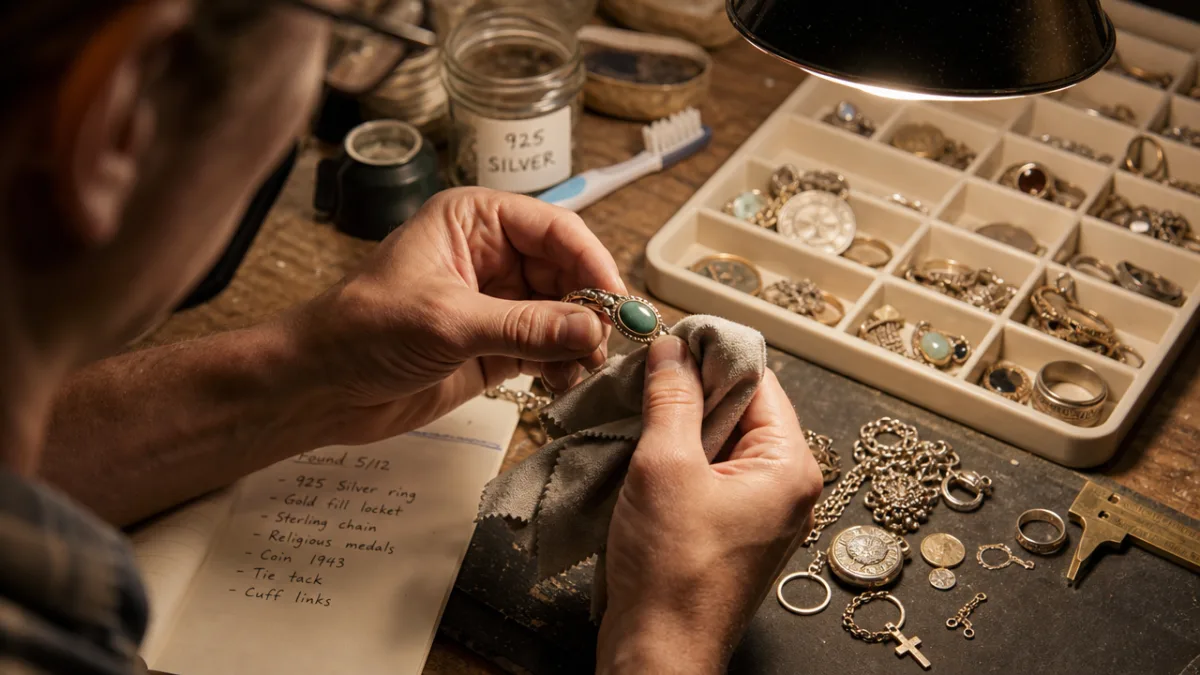
Finding something good is only half the work — knowing what to do with it when you get home is what actually turns dumpster diving into income. First things first: clean everything. Most items found in dumpsters just need a basic wash to look presentable again. Jewelry is a good example — gold and silver respond well to gentle soap and water or a specialized cleaning solution you can pick up at any hardware or jewelry supply store. Match the cleaning method to the material and you’ll be surprised how quickly things clean up.
Getting your appraisal right before you sell is really important, especially with jewelry. A basic jeweler’s loupe, a gold testing kit, and a small digital scale give you the tools to assess metal quality and weight at home without spending much. For anything that looks like it could be genuinely valuable, a professional appraisal from a certified gemologist or antique dealer is worth the trip. Pawn shops will often give you an informal read for free — their offers will be wholesale rather than retail, but at least you’ll know whether you’re holding something real before you invest time in selling it.
The good news is there’s no shortage of places to sell. eBay is still the best option for reaching a wide audience for jewelry, electronics, collectibles, and vintage pieces. Facebook Marketplace and Craigslist work well for bulkier things that would cost a fortune to ship. Poshmark and Depop are great for clothing and fashion accessories, while Mercari covers a broad mix of general goods. For high-value jewelry or fine art, specialty auction houses can get you returns that dwarf what any consumer platform would offer — so it’s worth doing a little homework before you just list something for $40 and call it a day.
The Environmental and Social Impact of Dumpster Diving
There’s more to dumpster diving than the personal financial upside, and a lot of people who do it regularly will tell you the environmental angle is just as meaningful to them. Consumer culture produces an astonishing amount of waste, and a huge portion of what ends up in dumpsters isn’t really garbage in any meaningful sense — it’s discarded value. Things that took real resources to produce, that still work perfectly fine, getting thrown away long before the end of their useful life. Every item that gets rescued and put back to use is a small but genuine reduction in the demand for new production and all the environmental cost that comes with it.
Food waste is where this gets especially stark. Grocery stores, bakeries, restaurants, and food distributors throw away enormous quantities every single day. Some estimates put the figure at up to 40 percent of all food produced in the United States never actually getting eaten. A lot of it isn’t discarded because it’s spoiled — it’s tossed because it hit an arbitrary sell-by date, got a cosmetic blemish, or was simply overstock that couldn’t move in time. Divers who focus on food regularly find sealed packages of produce, bread, dairy, and prepared meals that are completely safe and nutritious, which is hard to look at without feeling a little unsettled about how the system works.
The social side of dumpster diving deserves some honest attention too. For a lot of people, this isn’t a hobby — it’s a practical necessity. Individuals and families experiencing poverty use scavenging to access food, clothing, and household supplies they couldn’t otherwise afford. At the same time, the broader community that’s formed around dumpster diving is genuinely warm and collaborative — people sharing routes, celebrating each other’s finds, and supporting newcomers across all kinds of backgrounds. It’s one of those communities where the economic and social diversity is kind of remarkable, and that’s part of what makes it more than just a quirky pastime.








What do you think?
It is nice to know your opinion. Leave a comment.