










How To Grow Ornamental Cabbage For Amazing Fall Color!
What Is Ornamental Cabbage and Why You Should Grow It
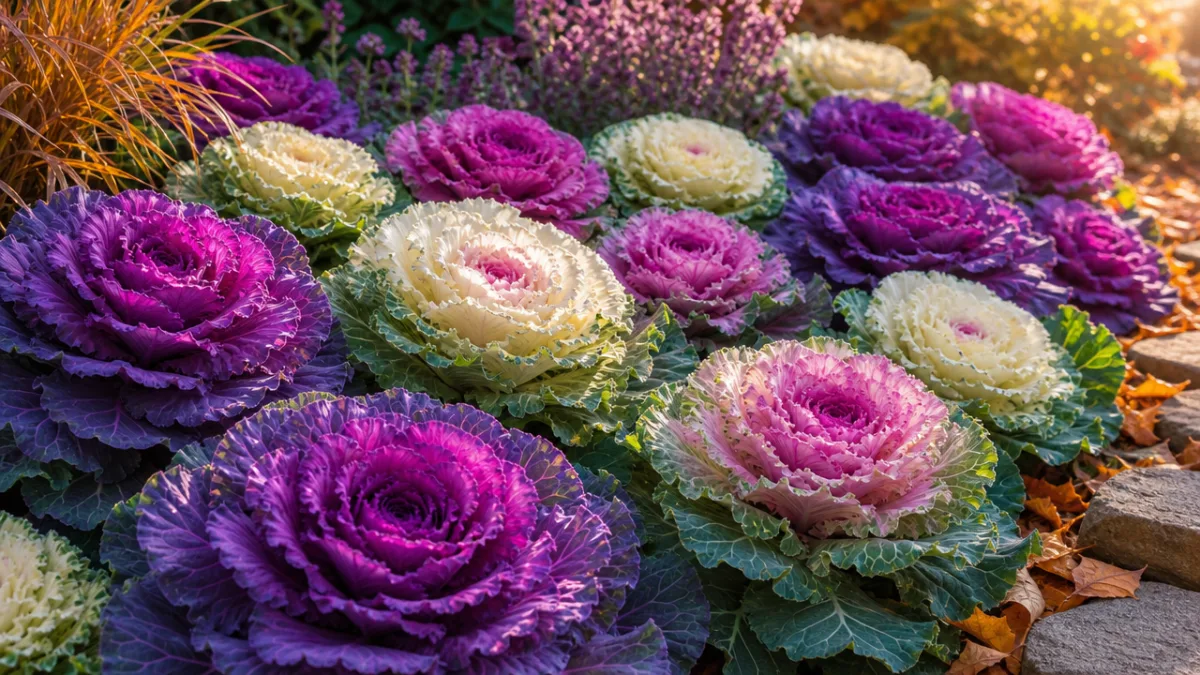
Ornamental cabbage — sometimes called flowering kale or Brassica oleracea if you want to get technical — is honestly one of the most underrated plants you can add to your fall garden. Unlike the cabbage you’d grow for cooking, this one is all about the show. Those rosette-shaped heads open up in deep purples, vivid pinks, creamy whites, and rich burgundies, and they can completely transform a container or garden bed right when the season starts to feel a little tired and brown.
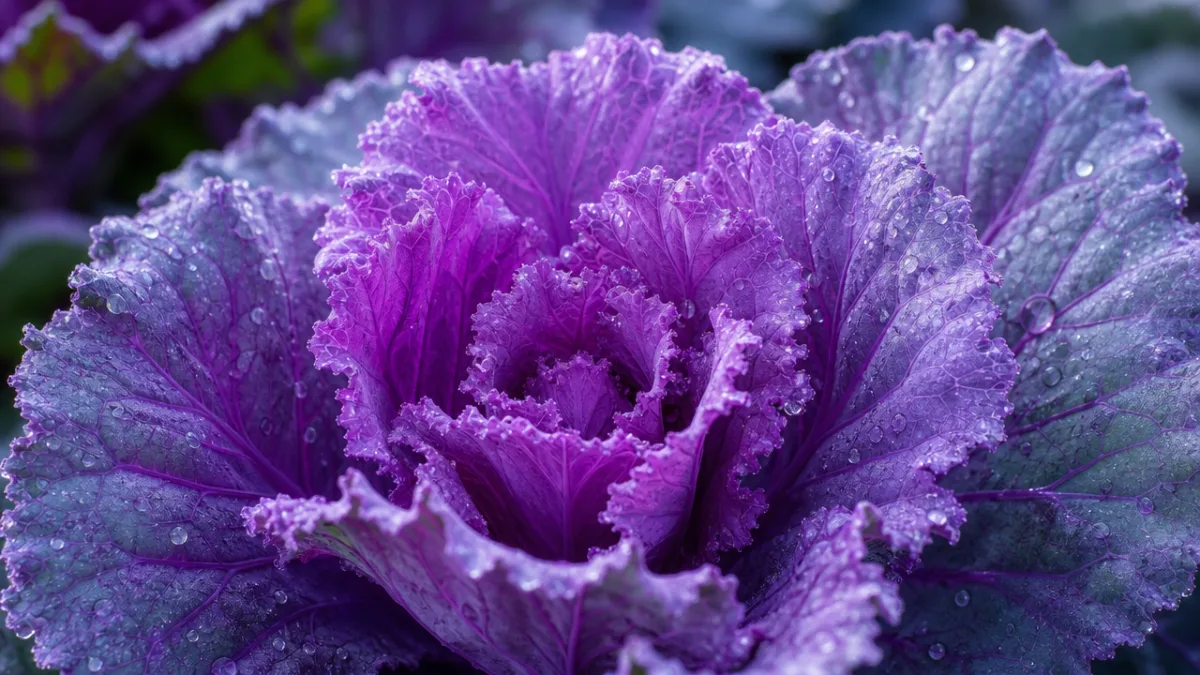
Here’s what makes ornamental cabbage so clever: its timing is almost backwards compared to everything else in the garden. While other plants are winding down in September and October, this one is just getting going. As temperatures drop, the colors actually intensify. Cold weather triggers the breakdown of green chlorophyll in the leaves, which lets the underlying anthocyanins — those are the pigments behind all the purples and pinks — really come through. The colder it gets, the better it looks.
If you haven’t tried growing ornamental cabbage yet, you’re missing out on one of fall gardening’s best-kept secrets. These plants don’t ask much of you once they’re in the ground. They shrug off light frosts, keep looking great well into November and December in a lot of growing zones, and bring real color and structure to the garden long after everything else has called it a season. Whether you tuck them into containers or line them along a border, they show up when it counts.
Choosing the Right Varieties for Your Garden
There’s a lot more variety to ornamental cabbage than most people realize. The two main types you’ll encounter are ornamental cabbage, which has broad, smooth-edged leaves in that classic rosette shape, and ornamental kale, which goes in a more frilly, feathery direction with deeply ruffled or fringed leaf margins. They’re actually the same species and grow pretty much the same way, but they have very different personalities. Ornamental kale has that intricate, almost lacy look, while ornamental cabbage is bolder and more architectural — it really makes a statement.
A few varieties are worth knowing by name. The Osaka series is a reliable go-to with vivid coloration and compact, tightly formed heads that come in everything from pure white to deep rose and rich purple. The Tokyo series is similar but with a bit more ruffle to the leaf edges. If you want something with more height and presence — great for cutting, too — the Crane series grows on tall, elegant stems topped with colorful rosettes, which makes it as useful in a vase as it is in the garden.
When you’re picking varieties, think about your space and what you’re pairing them with. Dwarf types that stay around eight to ten inches are perfect for containers and edging, while standard varieties growing twelve to fifteen inches work better as border plants. If you’re going for a coordinated look with chrysanthemums, ornamental grasses, or pansies, it’s worth matching colors intentionally. Deep purple cabbage looks fantastic next to golden yellow mums, and white or cream varieties create a really elegant contrast against burgundy foliage plants.
When and How to Plant Ornamental Cabbage
Timing is where a lot of people go wrong with ornamental cabbage, so it’s worth paying attention to this part. These plants want daytime temperatures between roughly 45 and 65 degrees Fahrenheit, and they actually need consistent cold — below 50 degrees — to develop that vivid color people grow them for in the first place. Plant too early when it’s still warm out, and they’ll just sit there looking mostly green and a little underwhelming. The sweet spot is getting them established before the cold snaps hit, so the color transformation happens right on cue.
For most parts of North America, that means starting seeds indoors in midsummer — about six to eight weeks before your first expected frost — or picking up transplants from a garden center in late August or early September. Starting from seed is straightforward: sow in a well-draining seed-starting mix, barely covering them since they need light to germinate, and keep them around 70 to 75 degrees until they sprout, which usually takes five to seven days. Once the seedlings have their second set of true leaves, move them into individual containers and start hardening them off outdoors gradually.
When it’s time to plant in the garden or a container, find a spot with full sun — at least six hours of direct light daily — since that’s what drives the most intense color. Dig a hole a little wider than the root ball, set the plant at the same depth it was sitting in its nursery pot, and firm the soil gently around the base. Water well right after planting and keep up with watering until it’s settled in. Give plants twelve to eighteen inches of space between them so air can circulate freely, which really does help keep fungal problems at bay.
Soil, Fertilizing, and Watering Requirements
Ornamental cabbage does best in fertile, well-draining soil with a slightly acidic to neutral pH, somewhere in the 6.0 to 7.0 range. A little soil prep before planting goes a long way — work two to three inches of compost or well-aged organic matter into the top eight inches of your bed. It helps break up heavy clay, gives sandy soil more water-holding capacity, and adds the kind of slow-release nutrition that keeps plants growing steadily without a lot of fuss on your part.
Fertilizing matters most early on. When you plant, work a balanced slow-release granular fertilizer into the area following the package directions. Nitrogen does the heavy lifting at first, fueling the leafy growth that builds out that dramatic rosette shape. But once temperatures start dropping and the plants shift into color mode, ease back on nitrogen — too much of it at that stage can push more green leafy growth rather than letting those beautiful purples and pinks develop the way you want.
Consistent watering is key, especially in the first few weeks after planting and during any dry spells before fall rains kick in. You want the soil to stay evenly moist but not soggy — standing water around the roots is a fast track to rot. A good rule of thumb is to check the top inch of soil; if it feels dry, it’s time to water. Water slowly and deeply rather than quick and shallow. Laying down a two-inch layer of mulch around the base of the plants helps hold moisture in, keeps soil temperature steadier, and cuts down on weed competition all season long.
- Keep soil pH between 6.0 and 7.0 for the best nutrient uptake and overall plant health.
- Mix compost into the bed before planting to improve drainage, fertility, and soil structure no matter what you’re starting with.
- Water deeply and consistently, aiming for about an inch per week counting any rainfall.
- Once cold weather arrives and color starts developing, pull back on nitrogen-heavy fertilizers so you’re encouraging color rather than more leaves.
- Mulch around the base of plants to hold moisture and buffer the roots from temperature swings.
Managing Pests, Diseases, and Common Problems
Being part of the brassica family means ornamental cabbage comes with a few familiar pest concerns, and staying ahead of them is a lot easier than dealing with a full-blown infestation. The biggest troublemaker is the cabbage white butterfly caterpillar — also called the imported cabbageworm — which can chew through leaves surprisingly fast. Pest pressure tends to drop off by fall, but it’s still a good habit to flip over leaves and check for small clusters of yellow eggs or the tiny green caterpillars themselves. For small infestations, hand-picking works fine. For something more persistent, Bacillus thuringiensis — sold as Bt — is a naturally occurring bacterium that’s very effective against caterpillar pests and won’t bother beneficial insects.
Aphids are another one to watch for, especially on new growth and the undersides of leaves where they cluster and sip plant sap. A strong blast of water from the hose knocks large numbers of them off quickly, and if you do it over a few consecutive days, that’s often all you need. Stubborn infestations respond well to insecticidal soap or neem oil applied in the early morning or evening when beneficial insects aren’t as active. Slugs and snails can also be a problem in cool, damp conditions — iron phosphate bait scattered around the plants is safe and does the job without harming anything you’d want to keep around.
On the disease side, the main threats are fungal issues like downy mildew, black rot, and clubroot, all of which love wet conditions and poor air circulation. Planting in full sun with good spacing is your best prevention, along with watering at the base of plants rather than overhead. If you notice yellowing leaves with dark veins, soft or slimy patches, or distorted growth, pull the affected material and toss it in the trash — not the compost pile. And if you’re growing brassicas year after year, rotating their location in the garden each season helps break disease cycles before they become a recurring problem.
Creative Ways to Use Ornamental Cabbage in Your Fall Landscape
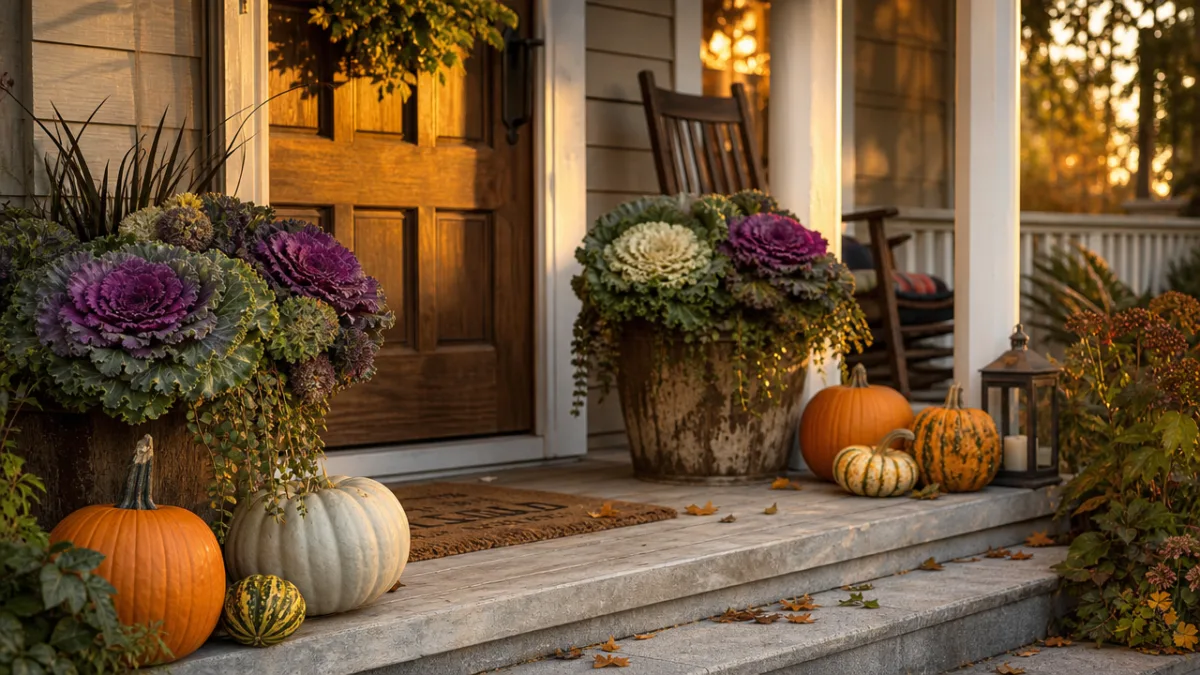
This is honestly where ornamental cabbage gets really fun. These plants are incredibly versatile — they work in traditional garden beds, raised planters, window boxes, whiskey barrels, and elegant urn arrangements on a front porch or entryway. For a container that looks great from early fall all the way through the holidays, try using ornamental cabbage as the centerpiece with trailing sweet potato vine in bronze or chartreuse, dusty miller for that silvery texture, and some compact snapdragons or trailing pansies to fill in at different heights. It’s a combination that genuinely holds up for weeks.
In the garden itself, ornamental cabbage makes a striking mass planting when you group three, five, or seven plants of the same variety together — landscape designers call this repetition with scale, and there’s a reason it works so well. Odd-numbered groupings have a more naturalistic, dynamic quality than even rows or pairs. Along a front walkway, try alternating contrasting varieties — deep purple next to creamy white, for example — to create a rhythmic pattern that actually stops people in their tracks. These plants also look great at the base of ornamental grasses that are putting on their own fall show in shades of gold and russet.
And don’t overlook ornamental cabbage as a cut flower — it’s surprisingly good at it. Those rosettes hold up really well after cutting, often lasting one to two weeks in a vase with fresh water. Cut the stem at an angle, strip off any leaves that would sit below the waterline, and put it in a tall vase where the shape can be fully appreciated. Combine a few rosettes with bittersweet branches, sprigs of rosemary, dried wheat, or clusters of mini pumpkins in a large vessel and you’ve got a seasonal centerpiece that honestly rivals anything from a florist.
- Use ornamental cabbage as the centerpiece thriller in a fall container with trailing companions around it.
- Mass-plant in odd-numbered groupings of three, five, or seven for the most impact in the landscape.
- Alternate contrasting color varieties along walkways to build visual rhythm and real seasonal drama.
- Pair with ornamental grasses and late-season perennials for a layered, textured garden border.
- Cut rosettes for autumn floral arrangements — they hold up beautifully for one to two weeks in water.
- Tuck smaller plants into wreaths or seasonal displays as living, long-lasting accents.
Extending the Season and Overwintering Tips
One of the best surprises ornamental cabbage has in store for new growers is just how cold-hardy it actually is. A lot of fall plants fold at the first hard freeze, but ornamental cabbage can handle temperatures down to around 20 degrees Fahrenheit — which means it often stays looking great well into late autumn and even early winter depending on where you live. Light frosts don’t hurt it at all; they actually make the colors richer and more saturated. Instead of dreading each cold snap, you start looking forward to them. In USDA zones 7 and warmer, these plants can serve as a genuine winter garden accent for months.
There are a few easy ways to push the season even further. When temperatures are expected to dip below 20 degrees, draping plants with frost cloth or lightweight garden fabric overnight gives them enough of a buffer to come through looking fine. Just remember to take the covering off during the day so they get sunlight and airflow. Mulching heavily around the base before the ground freezes also helps insulate the roots and can add meaningful weeks to how long the plants stay attractive even as the cold really sets in.
Technically ornamental cabbage is a biennial, meaning it takes two growing seasons to complete its life cycle — but most gardeners just treat it as an annual and compost the plants when they bolt and flower in spring. If you leave them in the ground, they’ll send up tall stalks with small yellow flowers that pollinators actually appreciate, and they add a bit of interesting structure even if they’re not quite as polished as the fall rosettes. The seeds that follow can be collected and saved to start next year’s plants in midsummer, which is a nice way to close the loop and get next fall’s color display going for free. Once you try ornamental cabbage, it tends to become a fall tradition you keep coming back to every year.








What do you think?
It is nice to know your opinion. Leave a comment.